

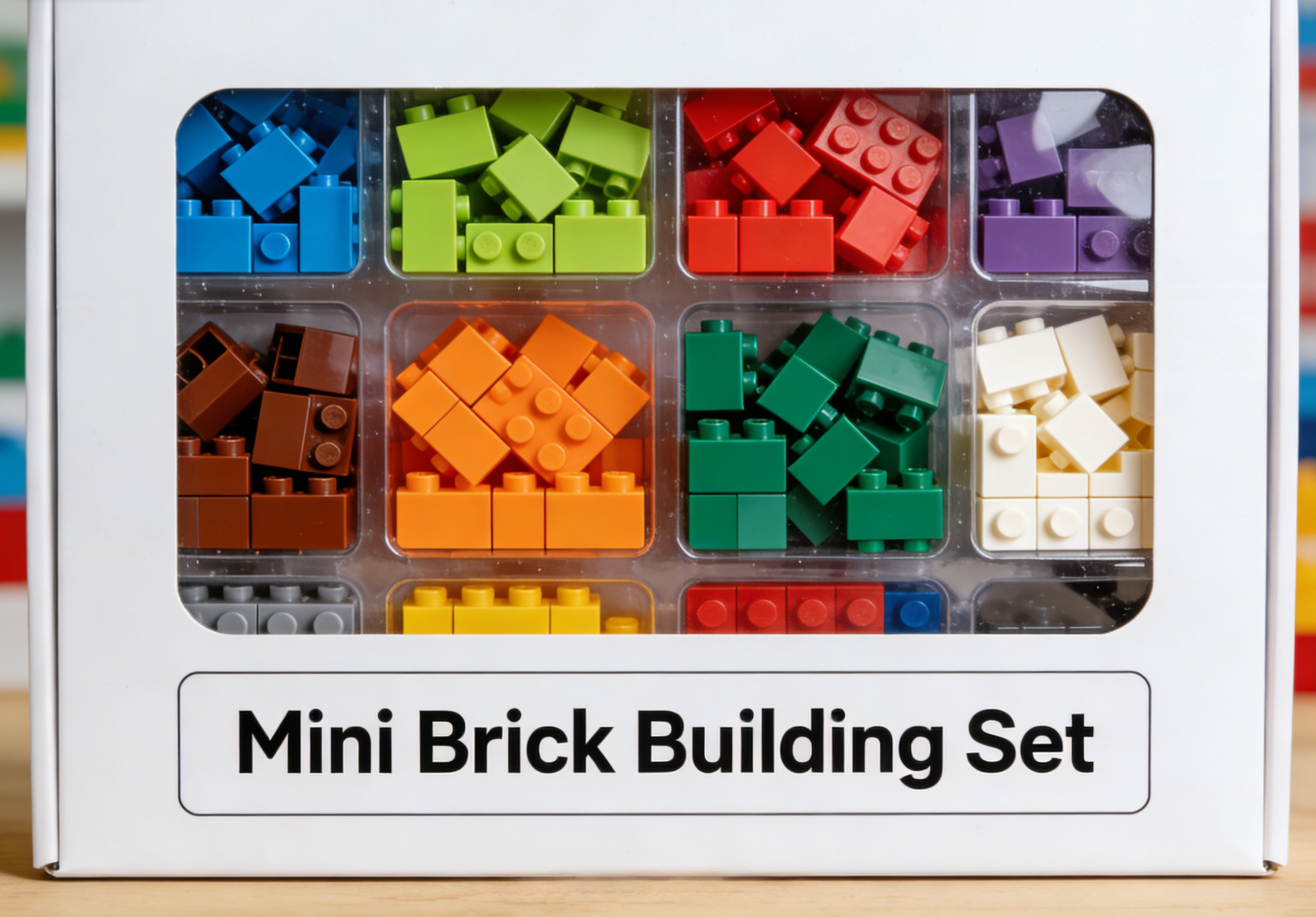
Snapping tiny pieces together to form a massive, detailed architectural wonder offers an incredible sense of accomplishment. The world of construction models has evolved significantly over the years, and builders across Europe and America are discovering the unique thrill of micro-scale projects. These specialized kits offer a level of detail and complexity that standard blocks simply cannot match.
Working with smaller pieces requires a different approach than traditional kits. The reduced scale demands precise organization, specialized tools, and a focused mindset. This comprehensive guide will walk you through every phase of the micro-building process. You will learn exactly how to set up your workspace, sort your elements efficiently, apply advanced assembly techniques, and proudly display your finished creations. Dive into this guide and unlock your creativity as we explore the fascinating mechanics behind these intricate designs.
Understanding the Appeal of Mini Brick Building Sets
Standard construction blocks are excellent, but reducing the scale opens up an entirely new realm of creative possibilities. Because the individual elements are a fraction of the size of traditional blocks, designers can pack an astonishing amount of detail into a relatively small footprint. This makes them exceptionally popular among adult collectors, engineers, and designers who want highly realistic models that do not require an entire room to display.
Engaging with mini brick building sets also provides fantastic educational and cognitive benefits. For families, these kits are phenomenal tools for STEM education. As you carefully align tiny gears, plates, and structural supports, you actively develop spatial reasoning, mechanical understanding, and fine motor skills. Children and teens learn the value of patience and methodical problem-solving. Completing a complex, thousands-of-pieces model requires dedication, making the final result incredibly rewarding.
For adults, the hyper-focused nature of micro-building serves as a powerful stress-relief tool. The world fades away as you concentrate entirely on finding the next piece and securing it in exactly the right spot. It is a productive, screen-free way to unwind after a long day in the office.
Step 1: Choosing Your Ideal Model
Selecting the right kit sets the tone for your entire building experience. Because micro-scale models often contain thousands of minuscule parts, jumping straight into a massive 5,000-piece architectural set might feel overwhelming for a beginner.
Start with Manageable Goals
If this is your first time working with micro-scale parts, look for models with around 500 to 1,000 pieces. Character models, small vehicles, or compact dioramas are perfect starting points. These sets allow you to get accustomed to the tension and grip required to click tiny plates together without causing finger fatigue.
Move on to Complex Architecture
Once you feel confident handling the smaller scale, you can transition to the truly spectacular models. Large-scale castles, iconic global landmarks, and detailed streetscapes are where micro-blocks truly shine. The small scale allows for highly textured walls, realistic roof tiling, and delicate landscaping. Explore the extensive catalog at ModelBuilder to find a diverse range of models designed for builders of all skill levels, from engaging weekend builds to monumental collector centerpieces.
Step 2: Setting Up a Micro-Building Workspace
You absolutely must have a dedicated, well-prepared workspace when building with tiny pieces. A standard block dropped on the floor is easy to find; a micro-plate dropped on a shaggy carpet might disappear forever.
Choose the Right Surface
Set up your build on a large, flat, and sturdy table. Cover your building area with a light-colored, soft felt mat or a silicone craft mat. This serves two vital purposes: it provides a high-contrast background so dark pieces stand out, and it stops tiny, round elements from rolling off the edge of the table.
Optimize Your Lighting
Lighting is arguably the most critical component of your workspace. Overhead room lighting is rarely sufficient for micro-scale projects. Invest in an adjustable LED desk lamp and position it directly over your sorting trays and build area. Some builders even use lamps with built-in magnifying glasses to help differentiate between subtly different shades of gray or dark blue.
Step 3: The Art of Sorting and Knolling
Organization is the secret to a stress-free build. Dumping all your pieces into a single pile will turn a relaxing hobby into a frustrating search mission. Instead, embrace the practice of knolling—the process of arranging related objects in parallel or 90-degree angles.
Sort by Shape, Not Color
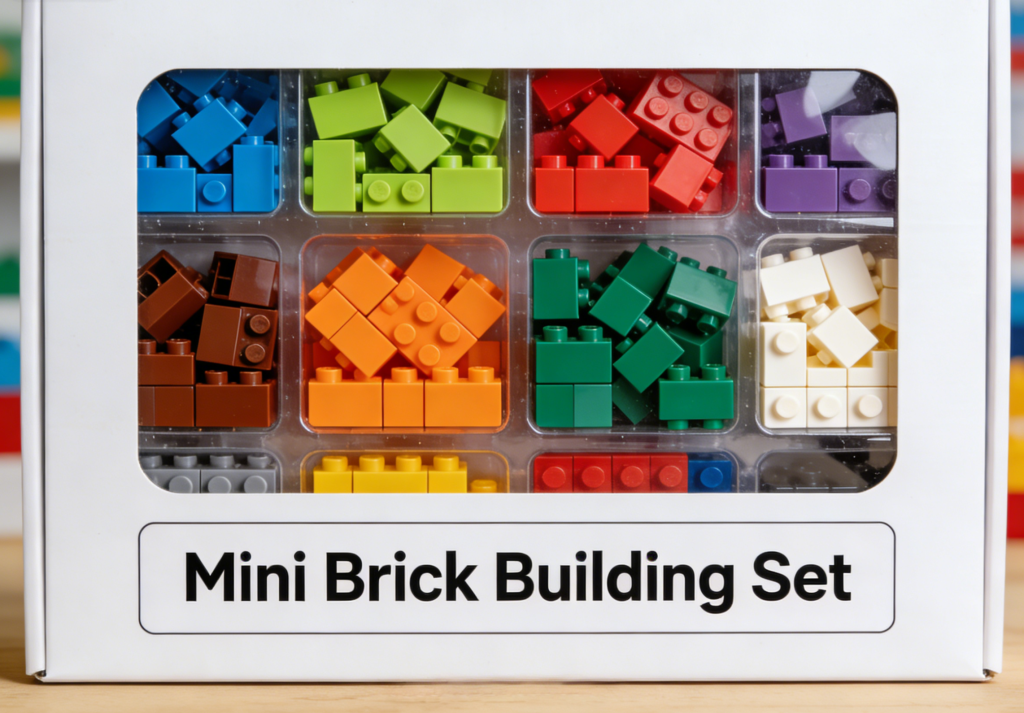
When opening a new bag of parts, your instinct might be to group all the red pieces together and all the black pieces together. However, finding a specific black 1×1 tile in a pile of various black parts is remarkably difficult. Instead, sort your pieces by shape and size. Group all your 1×1 tiles together, your 2×4 bricks together, and your specialized connectors in their own section. Finding the red 1×1 tile in a pile of mixed-color 1×1 tiles takes only a fraction of a second.
Use Dedicated Sorting Trays
Keep your sorted pieces organized using shallow plastic containers, bead organizers, or even clean ice cube trays. Having multiple small compartments allows you to keep the tiny elements separated and easily accessible.
Step 4: Specialized Assembly Techniques
The physical act of assembling mini brick building sets requires a slightly different technique than standard block building. The clutch power—the friction that holds the pieces together—can be surprisingly strong on micro-blocks, meaning you have to align them perfectly before applying pressure.
Employ Precision Tools
Your fingers are your primary tools, but they can get tired when pressing hundreds of tiny studs together. Keep a pair of craft tweezers nearby. Tweezers with angled, rubberized tips are perfect for placing small tiles in tight spaces or applying intricate sticker decals without transferring oils from your skin to the adhesive.
Secure the Foundation
Always ensure your base layers are perfectly flat and tightly pressed together. Because the tolerances on micro-blocks are so precise, a base plate that is not pressed down entirely will cause the walls above it to warp, making it impossible to attach the roof later on. Use the flat edge of a larger, standard brick to press down multiple tiny studs simultaneously, ensuring an even, flush surface.
Double-Check the Instructions
Micro-scale instruction manuals often pack multiple steps into a single diagram. Pay close attention to the highlighted studs and alignment arrows. Count the studs on the diagram carefully. Placing a piece one stud too far to the left early in the build can disrupt the entire structure later.
Step 5: Integrating Customization and Lighting
Once you master the official instructions, you can begin customizing your kits. The DIY community thrives on modifying official sets to make them unique. You might want to change the color of a vehicle, expand the footprint of a modular building, or add custom landscaping.
One of the most exciting trends in the hobby is the integration of custom lighting. Adding tiny LED wire lights to your buildings transforms them from daytime models into stunning nighttime displays. Route the ultra-thin wires between the studs during the assembly process to hide them from view. If you need specific replacement parts for a custom build or want to expand your inventory, you can find a massive selection of individual components at ModelBuilder.
Step 6: Displaying and Protecting Your Collection
After spending dozens of hours meticulously placing thousands of pieces, your finished model deserves a premium display. Micro-scale models are highly detailed, which makes them absolutely beautiful to look at, but also prone to collecting dust in tiny crevices.
Shield from the Elements
Keep your models out of direct, harsh sunlight. Over time, UV rays will degrade the plastic, causing vibrant colors to fade and white pieces to turn yellow. Choose a display location in a shaded corner of the room or use UV-blocking window films.
Invest in Display Cases
The best way to protect your intricate models is to place them inside custom acrylic display cases. These cases provide a museum-quality aesthetic while keeping 100% of the dust off your hard work.
Cleaning Uncovered Models
If you choose to display your models on open floating shelves or bookcases, you need a safe cleaning routine. Never use a vacuum cleaner, as it will easily swallow the tiny pieces. Instead, use a brand-new, ultra-soft makeup brush. The soft bristles will gently sweep the dust out from between the tiny studs without dislodging the fragile architectural details.
Step 7: Engaging with the Builder Community
The building hobby is global, and connecting with other enthusiasts adds a massive layer of enjoyment to the experience. Builders across the world actively share their tips, modifications, and completely original designs—known as MOCs (My Own Creations)—on various online forums and social media groups.
Join these communities to showcase your completed projects. The feedback from fellow hobbyists is incredibly encouraging. You will discover new building techniques, find inspiration for your next project, and even participate in collaborative community build challenges. Connecting with like-minded creators who share your passion for STEM, design, and intricate engineering turns a solitary hobby into a highly social and rewarding endeavor.
Conclusion
Building with micro-scale construction blocks is a deeply rewarding experience that perfectly blends art, patience, and engineering. By taking the time to set up an optimized workspace, mastering the art of knolling, and using precision assembly techniques, you can tackle the most complex and breathtaking models available.
These kits offer unparalleled educational value for families and a phenomenal creative outlet for adults. Do not let the tiny size intimidate you; the detail you can achieve is truly spectacular. Explore the incredible variety of kits at ModelBuilder, clear off your desk, and start building your next masterpiece today. Furthermore, ModelBuilder commits to ensuring no missing pieces disrupt your workflow and will replace missing or broken pieces for free on all orders, guaranteeing a smooth and satisfying creative journey.
Frequently Asked Questions (FAQs)
1. Are micro-scale models too difficult for children?
While they require more fine motor control than standard blocks, older children and young teens often excel at micro-building. It is highly recommended for ages 12 and up. It provides excellent hands-on STEM education and encourages focus and patience.
2. What tools should I have ready before I start building?
You do not need many tools, but a few make the process much easier. A light-colored craft mat prevents pieces from rolling away, a pair of angled tweezers helps with tight placements, and a high-quality LED desk lamp reduces eye strain during long sessions.
3. What happens if I lose a tiny piece during the build?
Given the small size of the pieces, it is common to misplace one occasionally. First, thoroughly check your workspace and the empty plastic bags. If the piece is genuinely lost, ModelBuilder commits to replacing any missing or broken pieces for free so you can complete your project seamlessly.
4. How do I safely take apart a micro-scale model?
Because the pieces grip each other tightly, using your fingernails can cause damage or pain. Use a specialized brick separator tool, often included in larger sets, to gently pry the plates apart. For extremely stubborn 1×1 tiles, precision craft tweezers can help lift the edge safely.