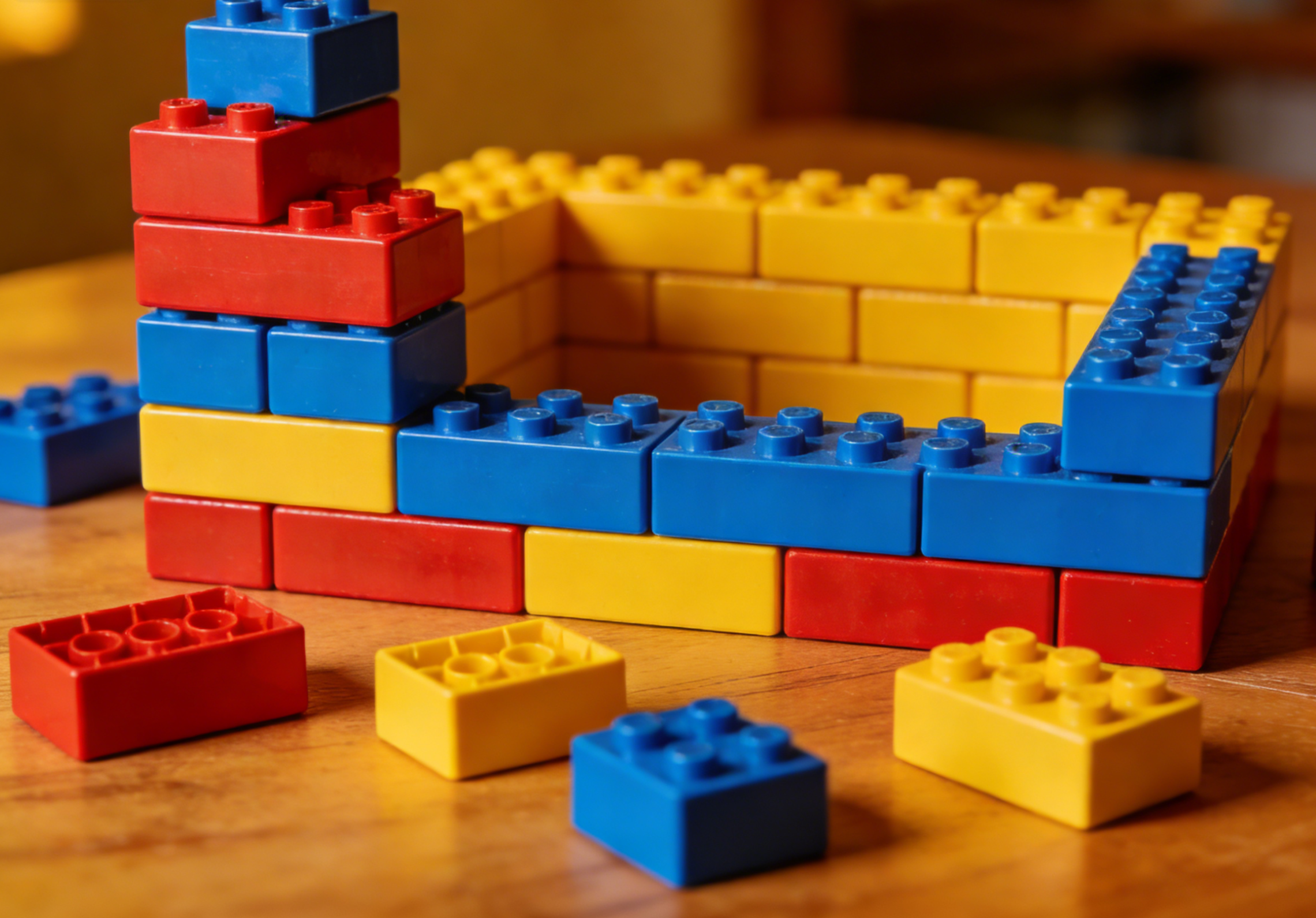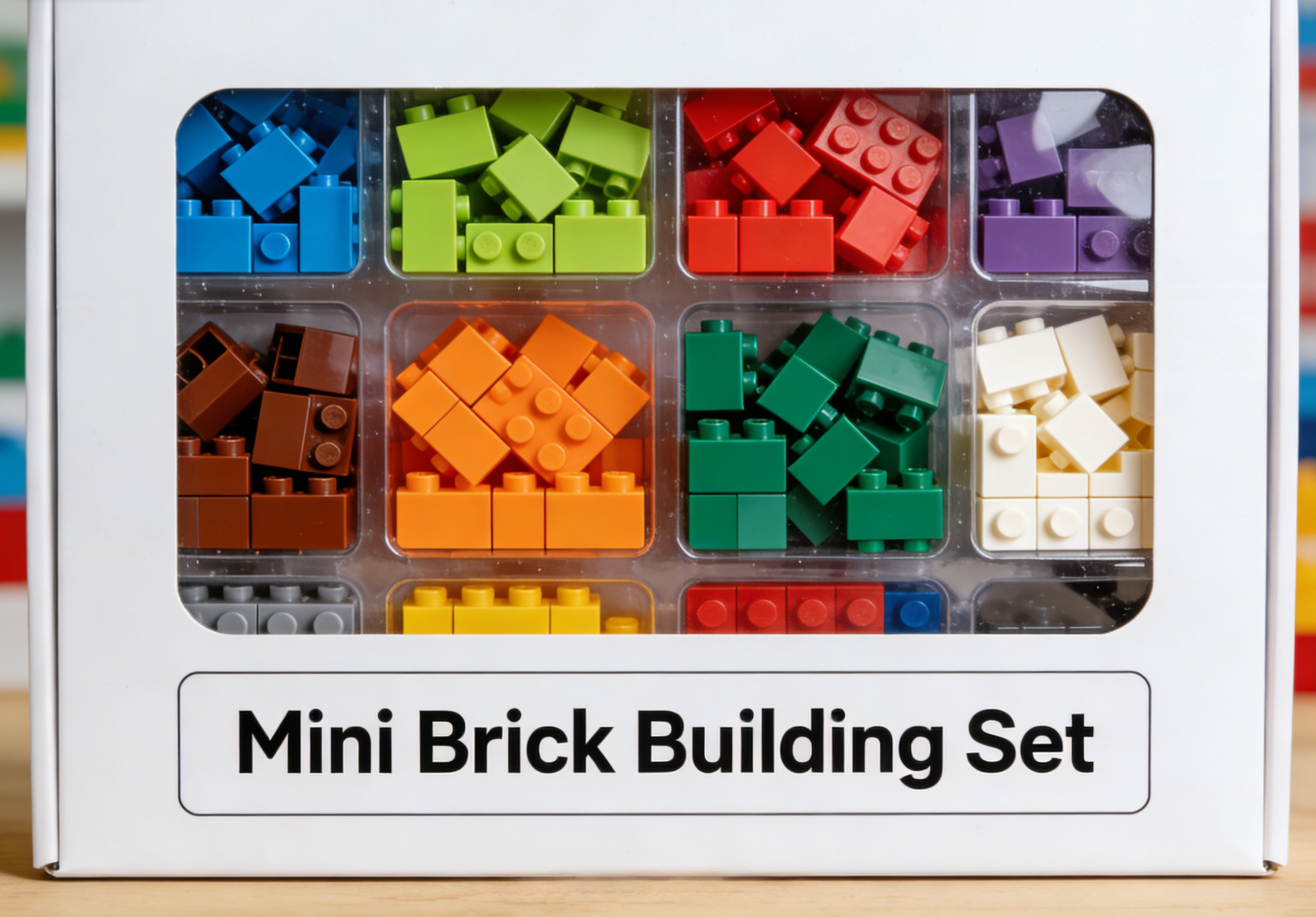

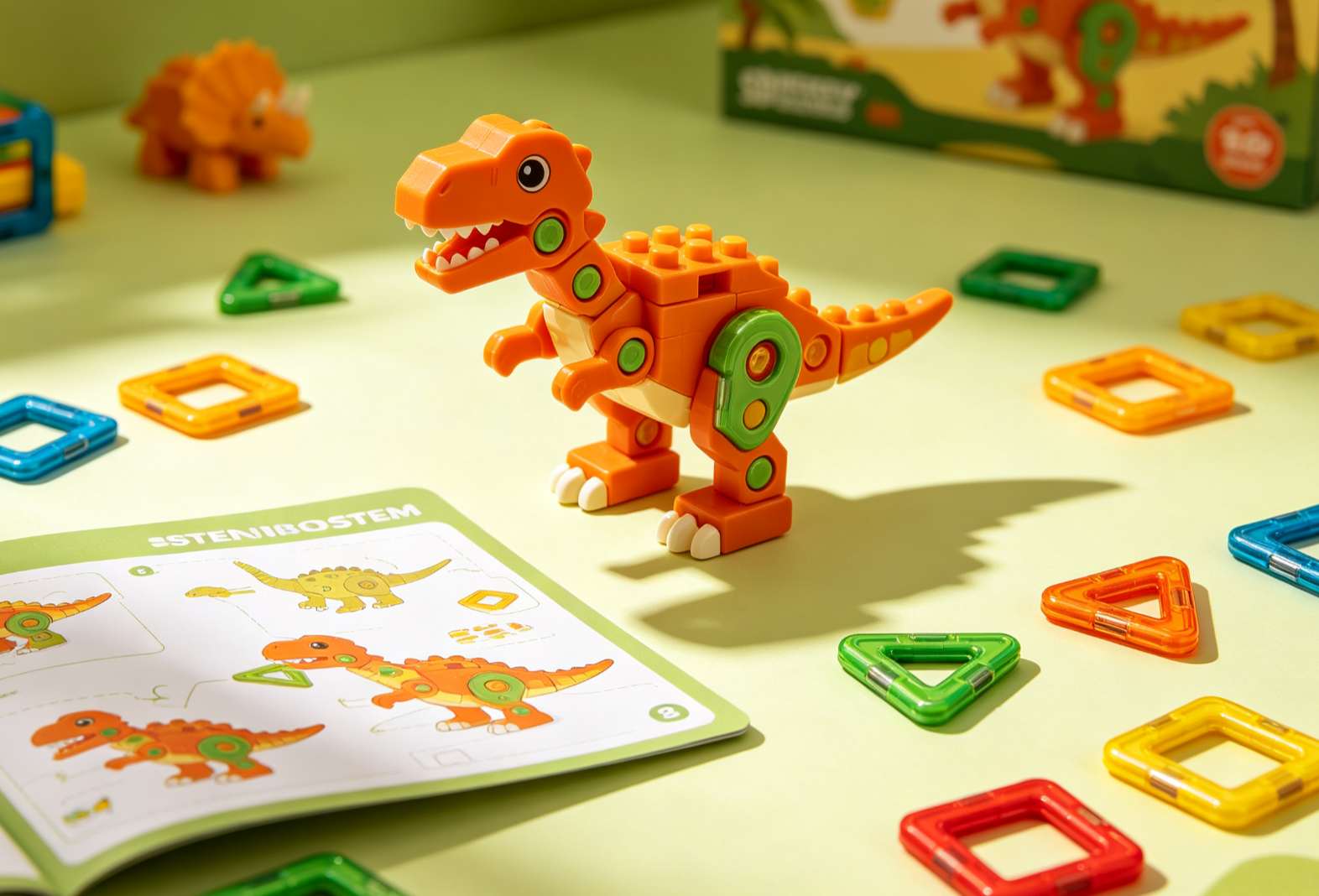
Quick answer: The best dinosaur building block toys, stem building block toys, and INTEY building block magnetic toys combine safety-certified materials, age-appropriate piece counts, and open-ended designs that encourage creativity. ModelBuilder offers all three categories as high-quality, budget-friendly LEGO alternatives, letting families build together without sacrificing durability, educational value, or fun.
Building blocks have been sparking imaginations for generations, and that hasn’t changed — even as screens compete harder than ever for kids’ attention. What has changed is the sheer variety of options available to parents and hobbyists. You’re no longer limited to a single brand or brick style. Today’s market includes everything from prehistoric-themed sets to circuit-building STEM kits to magnetic tiles that snap together in seconds.
If you’ve found yourself scrolling through dozens of options, wondering which building block toys are worth your money, you’re in good company. This guide breaks down exactly what to look for in dinosaur building block toys, how to introduce your child to stem building block toys, and why INTEY building block magnetic toys have become a go-to choice for creative, screen-free play. Along the way, we’ll show you how ModelBuilder — a trusted LEGO alternative brand — fits into each category, and we’ll walk through a real build so you know exactly what to expect when your set arrives.
By the end, you’ll have a clear framework for choosing sets that match your child’s age, interests, and skill level, plus practical tips for making building time something the whole family looks forward to.
Why Building Block Toys Matter for Kids
Hands-on play does something screens simply can’t replicate. When a child snaps two pieces together, they’re testing a hypothesis, adjusting for what doesn’t work, and building spatial reasoning skills in real time. Occupational therapists have long pointed to construction play as a driver of fine motor development, and educators consistently cite it as one of the most effective ways to introduce early engineering concepts.
There’s also a quieter benefit: focus. Building requires sustained attention in a world that’s constantly pulling kids’ attention elsewhere. A 500-piece dinosaur skeleton doesn’t build itself in five minutes — it takes patience, and that patience pays off in a finished model your child can point to and say, “I made that.”
For families, building block toys create a rare kind of shared activity — one where parents and kids can sit at the same table, working toward the same goal, without a screen mediating the interaction. That’s the foundation everything else in this guide builds on.
How to Choose the Right Dinosaur Building Block Toys
Dinosaurs remain one of the most reliable entry points into building play, and for good reason. They combine narrative appeal (kids already know and love these creatures) with visually satisfying results — a finished T-Rex skull looks impressive on a shelf in a way that a plain block tower doesn’t.
When shopping for dinosaur building block toys, keep these factors in mind:
Piece count matched to age. A 4-year-old will get frustrated with a 1,000-piece Spinosaurus, while a 10-year-old will breeze through a 100-piece set in ten minutes and lose interest fast. Look for sets that specify a recommended age range and stick close to it.
Articulation and playability. The best dinosaur sets don’t just result in a static display piece — they include moving jaws, joints, or posable limbs. This turns the “build” phase into ongoing “play” once construction is finished, extending the toy’s value well beyond assembly day.
Material safety. Since dinosaur sets are popular with younger children, check for ABS plastic construction and compliance with safety standards like ASTM F963 (the U.S. standard) or EN71 (the European standard). ModelBuilder’s dinosaur-themed sets are built with these safety benchmarks in mind, so parents can hand pieces to younger builders with confidence.
Educational tie-ins. Some sets include fact cards about the featured species — diet, era, size comparisons — turning a building session into an informal paleontology lesson. This is a small detail, but it adds meaningful educational value without feeling like homework.
If your child is dinosaur-obsessed, you can browse ModelBuilder’s dinosaur building sets to find options sorted by difficulty level, from beginner-friendly skeletons to advanced, multi-stage builds designed for older kids and teens.
How to Get Started with STEM Building Block Toys
“STEM” gets used loosely in toy marketing, so it’s worth knowing what actually separates a genuine STEM building set from a standard one. True stem building block toys incorporate at least one of the following: gears, pulleys, simple circuits, motors, or structural engineering challenges (like building a bridge that needs to hold weight).
Here’s how to get started:
Start with mechanics, not electronics. If your child has never built anything beyond basic bricks, ease in with a gear-based or lever-based set before jumping to motorized or circuit-based kits. Understanding how a simple machine works builds intuition that makes more advanced STEM concepts click faster later.
Look for problem-based design. The strongest STEM sets don’t just hand your child a finished blueprint — they pose a challenge. “Build a structure that can support this weight” or “create a vehicle that moves without being pushed” turns construction into an engineering exercise rather than a copy-paste task.
Pair it with real conversation. STEM learning deepens when an adult asks a follow-up question. Why did the tower fall when you added the fourth block? What happens if we widen the base? These moments of guided curiosity are where the real learning happens — the blocks are just the vehicle.
Check for reusability. A quality STEM set should support more than one build. Look for kits that include multiple instruction guides or that are explicitly designed for open-ended, freeform construction once the primary model is complete.
ModelBuilder’s STEM-focused collections are designed around this exact philosophy — they scale in complexity, so a child who masters a beginner gear set can graduate to more advanced mechanical builds using pieces from the same compatible system.
How to Use Magnetic Building Block Toys for Creative Play
Magnetic building sets occupy a different niche entirely. Instead of snapping bricks together, magnetic pieces connect edge-to-edge, letting builders create 3D shapes, structures, and even simple machines with far less physical effort than traditional brick systems. This makes them a strong choice for younger children, kids with fine motor challenges, or anyone who wants a lower-friction building experience.
INTEY building block magnetic toys in particular have earned a loyal following among parents because they combine strong magnetic connections with vibrant, translucent designs that catch the light — a small detail that keeps younger kids engaged far longer than opaque pieces would.
To get the most out of magnetic sets:
Encourage open-ended building first. Unlike dinosaur or STEM kits that often follow instructions, magnetic tiles shine brightest in freeform play. Let your child experiment before introducing a specific structure to build toward.
Use flat surfaces for stability. Magnetic structures can topple if built on uneven or soft surfaces. A hard tabletop or floor gives the strongest foundation for taller builds.
Combine sets for bigger builds. One of the underrated advantages of INTEY building block magnetic toys is compatibility across expansion packs. Combining two or three sets dramatically increases what a child can build, which makes magnetic tiles a smart long-term investment rather than a one-time purchase.
Introduce geometry naturally. Magnetic tiles are one of the easiest ways to introduce shape recognition and basic geometry — squares, triangles, and hexagons all connect differently, and kids pick up on these patterns quickly through repeated play.
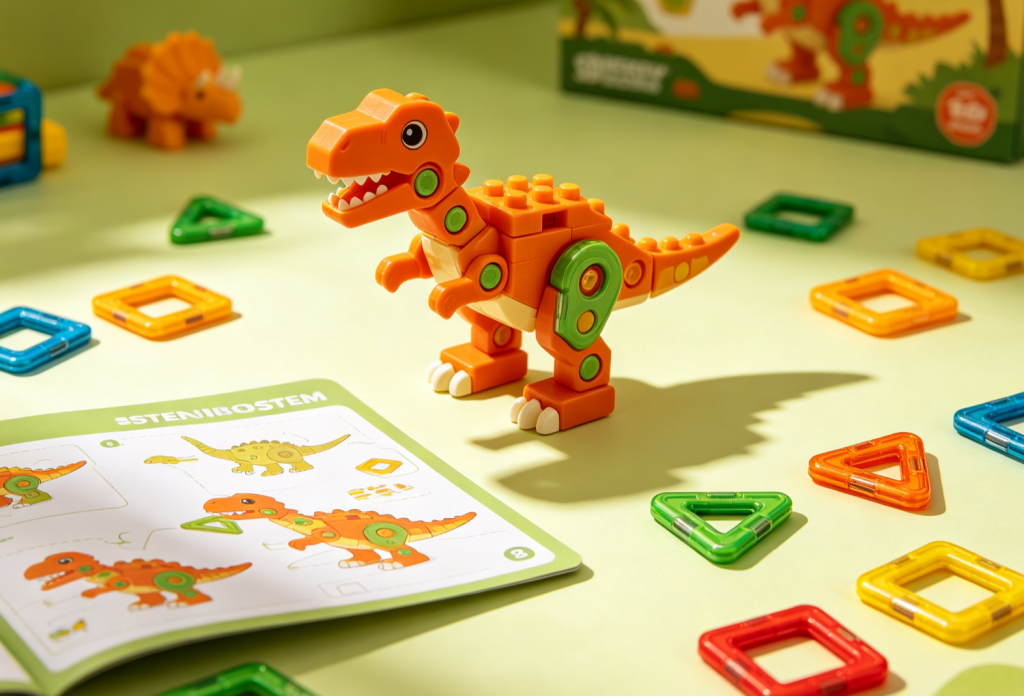
ModelBuilder vs. LEGO: Why Choose a LEGO Alternative?
LEGO built its reputation over decades, and it’s earned every bit of that trust. But it’s not the only option worth considering — and for many families, it isn’t even the best-value option.
Here’s where ModelBuilder stands out as a LEGO alternative:
Compatibility without the premium price tag. ModelBuilder pieces are designed to be compatible with standard interlocking systems, meaning your child’s existing brick collection doesn’t go to waste when you introduce a new set. You get the same building experience at a noticeably lower price point.
Focused, curated collections. Rather than producing thousands of scattered sets, ModelBuilder concentrates on themed collections — including dinosaurs, STEM mechanics, and magnetic building systems — so every set is designed with a clear purpose rather than being one of thousands of interchangeable options.
Material quality without compromise. ModelBuilder uses eco-friendly, durable materials selected specifically for safety and longevity, following the same rigorous material selection process used by premium brick manufacturers.
A growing builder community. Beyond the physical product, ModelBuilder has cultivated a community of builders — from parents introducing their five-year-old to their first set, to adult hobbyists tackling large, detailed models for relaxation and display. You can explore the full range of what’s available through ModelBuilder’s complete collection, including seasonal releases and limited editions for collectors.
If cost, compatibility, and curated variety matter to your family, ModelBuilder is worth serious consideration alongside — or instead of — traditional LEGO sets.
Step-by-Step Guide: Building a Dinosaur Model with ModelBuilder Sets
Here’s what the actual build process looks like, using a mid-complexity ModelBuilder dinosaur set as an example:
Step 1: Sort your pieces. Before opening the instructions, separate pieces by color or size. This single step saves more time than any other part of the process, especially for sets with 300+ pieces.
Step 2: Build the base structure first. Most dinosaur sets start with a central spine or body frame. Resist the urge to skip ahead — the base determines how stable the rest of the model will be.
Step 3: Add articulation points. This is where jaws, legs, and tails get attached. Take your time here; rushing this stage is the most common cause of loose or wobbly joints later.
Step 4: Layer in the details. Scales, spikes, and surface textures come next. This stage is often the most satisfying part of the build, since the model starts visually resembling the finished dinosaur.
Step 5: Test the moving parts. Once assembly is complete, gently test any articulated joints. If something feels stiff, double-check that no piece was placed backward or skipped during Step 3.
Step 6: Display or play. Some kids want to display their finished dinosaur; others want to immediately start “playing” with it. Both are valid outcomes — a well-designed set supports either.
Tips for Parents: Making the Most of Building Block Playtime
Set aside dedicated, distraction-free time. Building requires focus, and constant interruptions (including well-meaning ones) can frustrate younger builders. Even 20 uninterrupted minutes makes a noticeable difference.
Resist the urge to take over. It’s tempting to “help” when your child is struggling with a tricky connection, but working through frustration is part of the value. Offer guidance through questions rather than doing it for them.
Rotate between set types. Alternating between dinosaur building block toys, stem building block toys, and magnetic sets keeps play fresh and exposes kids to different types of problem-solving — narrative-driven building, mechanical reasoning, and freeform spatial design.
Celebrate the finished build. Take a photo, find a shelf, or let your child show off the finished model to family. This reinforces the sense of accomplishment that makes kids want to pick up the next set.
Store pieces thoughtfully. Clear bins with labels prevent the classic “lost piece” frustration that can derail an otherwise great building session. This is especially important for magnetic sets, since a single missing tile can limit certain builds.
Build Something Great, One Piece at a Time
Choosing the right building block toys doesn’t have to be complicated. Match the set to your child’s age and interests, prioritize safety-certified materials, and don’t be afraid to mix categories — a household with dinosaur sets, STEM kits, and magnetic tiles gives kids a well-rounded range of creative and educational play.
ModelBuilder makes this easier by offering all three categories under one trusted, LEGO-alternative brand, with pieces designed for compatibility, durability, and genuine play value. Whether you’re building your first dinosaur skeleton this weekend or expanding a growing magnetic tile collection, the right set is out there waiting to be opened.
Frequently Asked Questions
What age is appropriate for dinosaur building block toys?
Most dinosaur building sets are designed for children ages 6 and up, though simpler, larger-piece sets exist for kids as young as 4. Always check the manufacturer’s recommended age range, since piece size and complexity vary significantly between sets.
Are STEM building block toys actually educational, or just marketed that way?
Genuine STEM building sets include mechanical elements like gears, levers, or simple circuits, and they typically pose a construction challenge rather than a straightforward assembly task. Sets without any mechanical or problem-solving component are closer to standard building toys than true STEM products.
How are INTEY building block magnetic toys different from traditional building blocks?
INTEY building block magnetic toys connect using magnetic edges rather than interlocking studs, making them easier for younger children or those with fine motor challenges to use. They’re especially well-suited to open-ended, freeform building rather than instruction-based assembly.
Is ModelBuilder compatible with LEGO pieces?
ModelBuilder sets are designed to be compatible with standard interlocking brick systems, so children can combine ModelBuilder pieces with an existing brick collection without needing to start from scratch.
What’s the best way to introduce a child to building block toys for the first time?
Start with a smaller, lower-piece-count set that matches a topic your child already loves — dinosaurs are a reliable first choice. Build alongside them the first few times, then gradually let them take the lead as their confidence grows.