
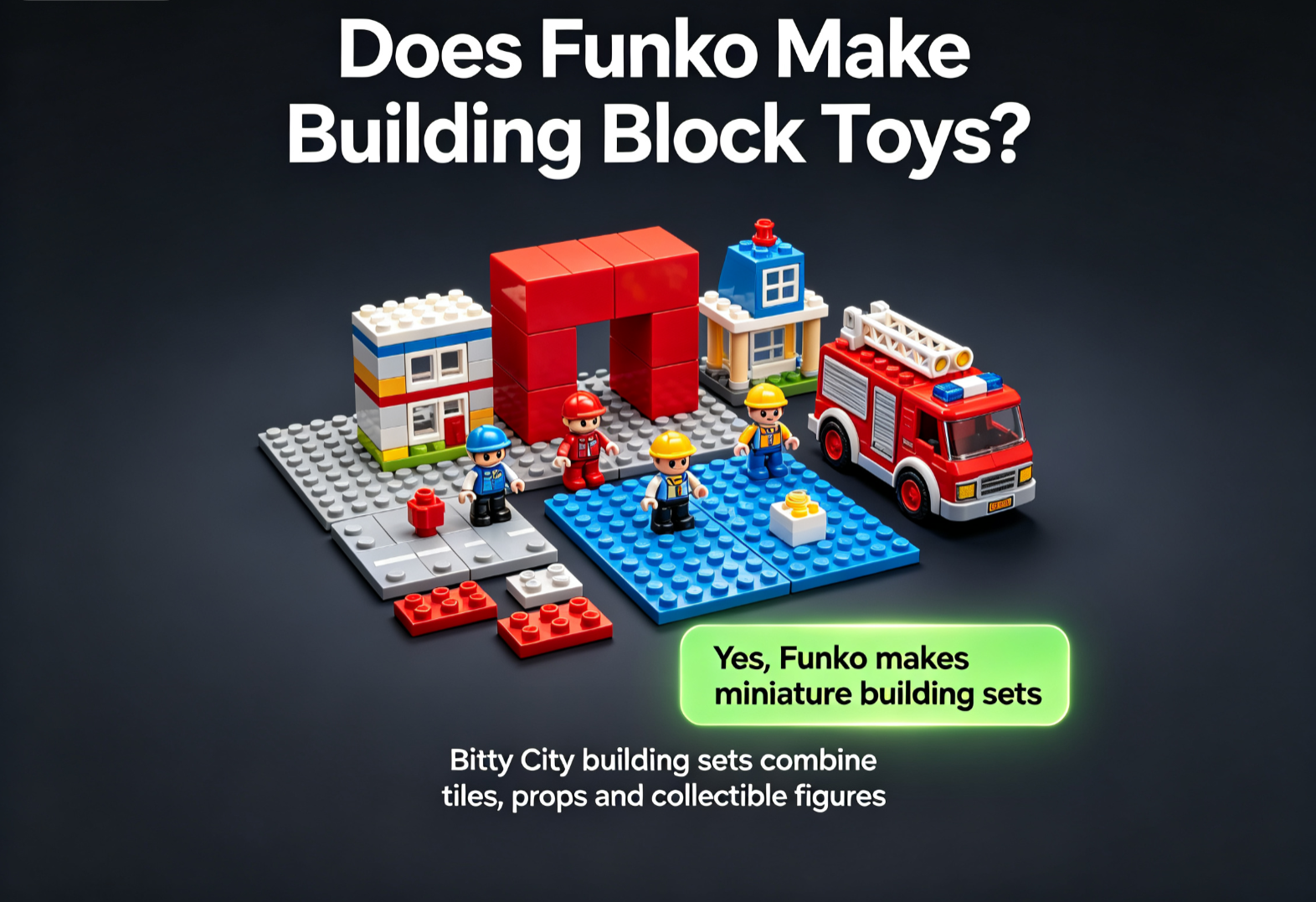
Quick answer: No, Funko does not make building block toys. Funko is best known for its Pop! vinyl figures, and its product catalog does not include brick-based construction sets. If you’re searching for LEGO-style building experiences, brands like ModelBuilder offer a dedicated alternative built specifically for brick construction.
Building block toys have carved out a permanent place in hobby rooms, classrooms, and living rooms across the US and Europe. They’re the rare category of toy that appeals to a five-year-old and a fifty-year-old with equal enthusiasm. So it’s no surprise that when a popular collectibles brand like Funko comes up in conversation, people start wondering if it has branched into bricks too.
This guide answers that question directly, then goes further. We’ll look at what building block toys actually are, how to judge whether a brand is worth your money, and how to find LEGO alternatives that match your skill level, budget, and creative goals. Whether you’re shopping for a curious ten-year-old, restocking your own collection, or looking for a weekend project that doesn’t involve a screen, this article will help you make a confident decision.
Does Funko Make Building Block Toys?
To answer the core question plainly: does Funko make building block toys? No. Funko’s business is built around licensed vinyl collectibles — the wide-eyed Pop! figures based on movies, TV shows, video games, and sports. The company has expanded into plush toys, apparel, and even snack collaborations, but brick-based construction sets are not part of its lineup.
This distinction matters because Funko and LEGO-style brands solve completely different problems. Funko figures are designed to be displayed, collected, and admired on a shelf. Building block toys are designed to be assembled, taken apart, and rebuilt. One is a finished product the moment you open the box. The other is a process — often the entire point of the purchase.
So if you’ve typed “does Funko make building block toys” into a search bar hoping to combine your love of pop culture figures with brick construction, the short answer remains no. But the good news is that the building block toy market has grown large enough to offer options for every kind of collector, parent, or hobbyist, regardless of what first led you to ask the question.
A Brief Look at Funko’s Product History
Funko started in 1998 as a small company producing bobbleheads, and it wasn’t until the 2010 launch of the Pop! Vinyl line that the brand became a household name. Since then, Funko has built its identity almost entirely around licensed figure collecting — partnering with major franchises across film, television, gaming, and music to produce thousands of character variations.
Over the years, Funko has tested other product categories, including apparel, home goods, and games. Yet even with this diversification, brick-based building sets have never been part of the strategy. The company’s core competency remains figure design and licensing negotiation, not modular construction engineering, which is a fundamentally different manufacturing and design discipline.
This is worth noting because it explains, in part, why does Funko not make building block toys: building sets require an entirely different R&D process, including stud-and-tube compatibility, mold precision, and piece durability testing. Entering that space would mean competing directly with companies that have spent decades refining brick engineering, an investment that doesn’t align with Funko’s collectibles-first business model.
What Are Building Block Toys and Why Do They Matter?
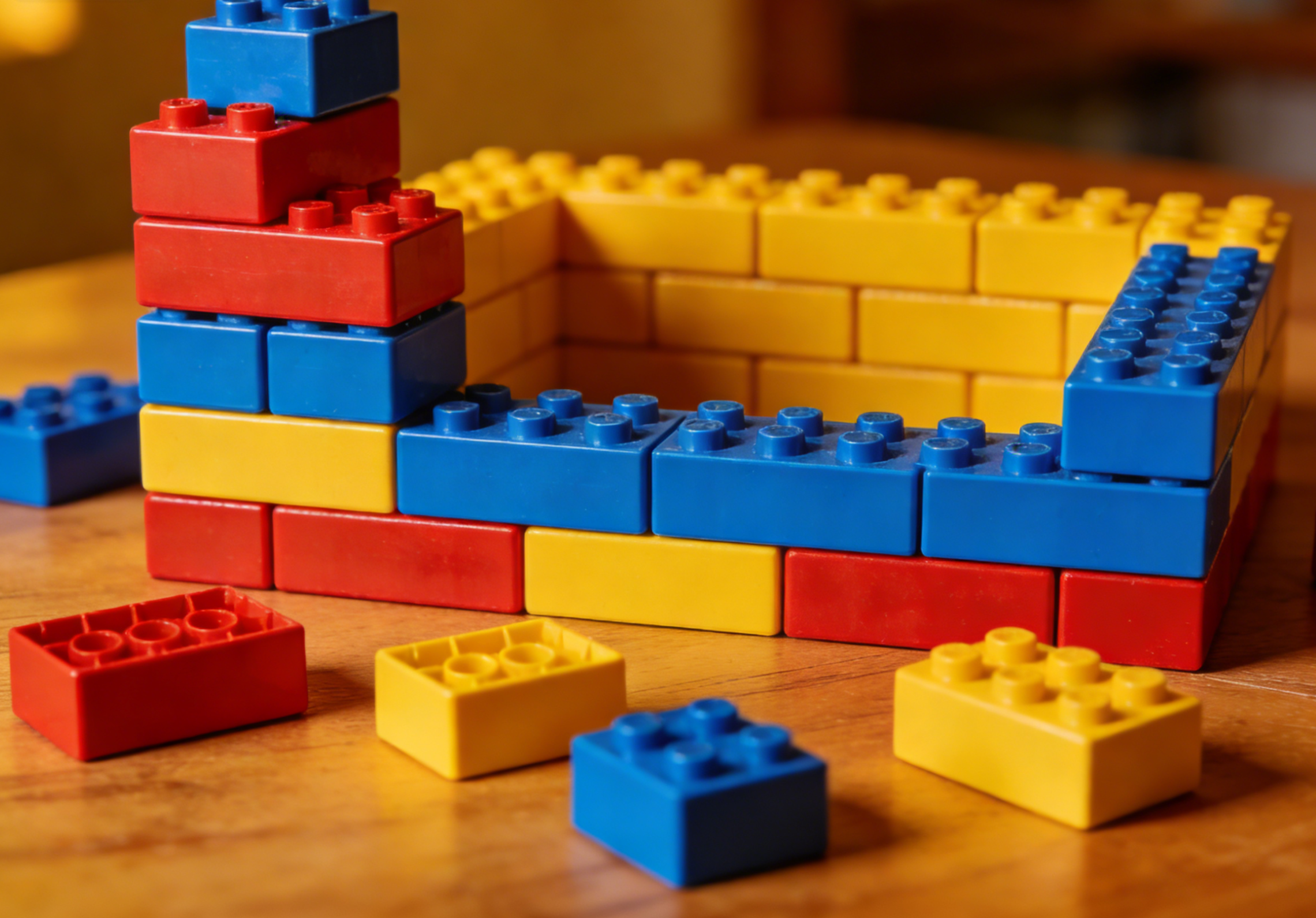
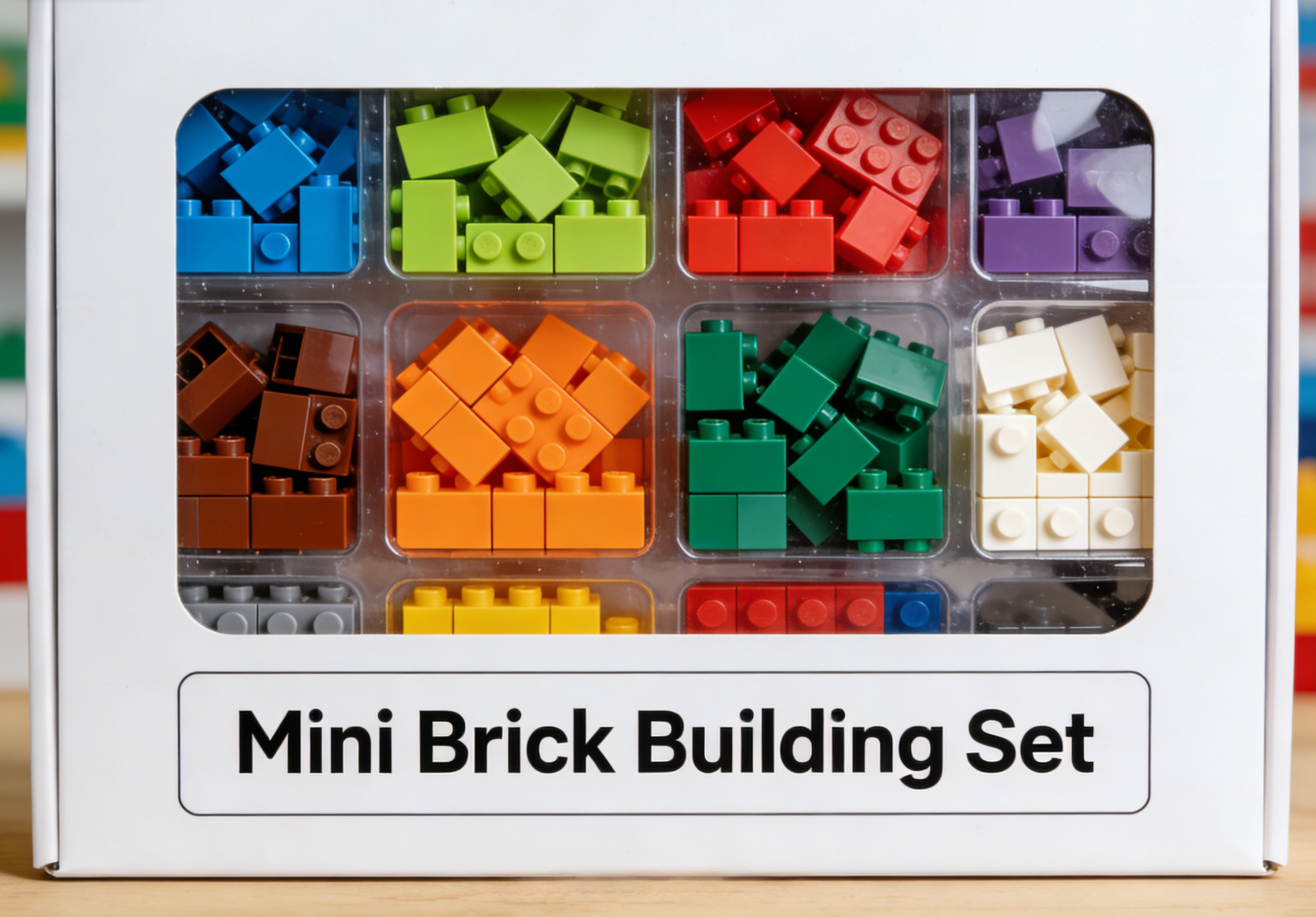
Building block toys are interlocking pieces — usually plastic — that snap together to form structures, vehicles, characters, or scenes. The category includes everything from simple starter sets aimed at toddlers to intricate architectural models with thousands of pieces aimed at adult collectors.
What makes this category different from most toy segments is its lifespan. A child who grows out of action figures at age eight may still be building brick models at eighteen, twenty-eight, or fifty-eight. The hobby scales with the builder. Complexity increases, but the core mechanic — snapping pieces together to create something from nothing — stays the same.
For families, building block toys check several boxes at once. They encourage hands-on problem solving, support fine motor skill development, and give parents a screen-free activity that both generations can enjoy together. For adult hobbyists, brick building offers something closer to a craft: a way to unwind after work, a creative outlet that doesn’t require artistic training, and a community of fellow builders who share techniques and finished projects online.
Collectors, meanwhile, treat certain sets the way stamp collectors treat rare stamps. Limited releases, retired sets, and detailed display models can hold or increase in value over time, which adds a financial dimension to what started as a hobby.
How to Evaluate Building Block Toy Brands
Not all building block brands are created equal, and price alone doesn’t tell you much. Before buying a set — whether it’s your first or your fiftieth — run it through these criteria.
Piece compatibility. Check whether the brand’s pieces are compatible with the broader building block ecosystem, including popular third-party bricks. Compatibility protects your existing collection and gives you more flexibility for custom builds.
Material quality and safety. Bricks should meet recognized safety standards, especially for sets marketed to children. Look for ASTM or EN71 certification, consistent color across batches, and pieces that snap together with a firm, reliable click rather than a loose fit.
Instruction clarity. A well-designed set should include step-by-step instructions that are easy to follow without prior experience. Poorly illustrated guides are one of the most common complaints among first-time builders.
Design originality. Some brands focus on licensed replicas, while others specialize in original architectural, vehicle, or fantasy designs. Decide which appeals more to you or the person you’re buying for.
Community and support. Active builder communities, digital design tools, and responsive customer service all indicate a brand that’s invested in the long-term experience, not just the initial sale.
Value for piece count. Compare the price per piece across sets of similar complexity. This is one of the clearest ways to judge whether a set is fairly priced.
How to Find the Best LEGO Alternatives
LEGO remains the most recognized name in the category, but it isn’t the only serious option, and it’s often not the most affordable one. A growing number of brands now produce compatible, high-quality alternatives that appeal to the same audience of hobbyists, families, and collectors — often at a lower price point per piece.
When searching for alternatives, start by identifying what you actually want from the experience. Are you looking for architectural sets to display? Vehicle models with moving parts? Educational STEM kits for a child? Each of these use cases points toward different brands and product lines.
ModelBuilder has positioned itself specifically around this need, offering custom brick sets, themed collections, and educational workshops designed for builders at every skill level. Rather than trying to be a general toy company, ModelBuilder focuses entirely on the building block experience, which shows in the depth of its catalog and its emphasis on durable, eco-friendly materials.
Other alternatives worth researching include brands that specialize in specific niches, such as botanical displays, vehicle replicas, or large-scale architecture. Comparing a few options side by side — piece count, material quality, price, and community feedback — will help you narrow down the right fit before committing to a purchase.
Step-by-Step Guide to Choosing the Right Building Block Set
Finding the right set doesn’t have to involve guesswork. Follow these steps to make a confident choice.
Step 1: Define the builder’s skill level. Beginner sets typically have fewer, larger pieces and simpler instructions. Advanced builders can handle sets with thousands of small pieces and multi-stage assembly.
Step 2: Set a realistic budget. Building block sets range from under $20 to several hundred dollars for large display models. Decide on a budget range before browsing, so pricing doesn’t influence you toward the wrong complexity level.
Step 3: Choose a theme that sustains interest. A set is far more likely to get finished — and enjoyed — if the subject matter genuinely excites the builder, whether that’s architecture, vehicles, fantasy worlds, or licensed franchises.
Step 4: Check piece and material quality. Read reviews specifically mentioning piece fit, color consistency, and durability. A visually appealing box doesn’t guarantee a satisfying build.
Step 5: Consider display versus playability. Some sets are designed purely for display once completed, while others are built for repeated disassembly and rebuilding. Match this to how the set will actually be used.
Step 6: Look for community and support resources. Brands offering tutorials, digital instructions, or active builder forums add long-term value beyond the initial purchase. You can explore ModelBuilder’s building guides as an example of this kind of ongoing support.
Step 7: Compare price per piece across final options. Once you’ve narrowed your choice to two or three sets, calculate the price per piece for each. This step often reveals the better value even among similarly priced sets.
Why ModelBuilder Is a Strong Alternative
ModelBuilder was built around a simple premise: builders deserve high-quality alternatives to traditional LEGO bricks without sacrificing compatibility, safety, or creative range. The brand’s catalog includes custom brick sets tailored to individual preferences, themed collections spanning multiple interests, and educational workshops designed to build problem-solving skills alongside construction skills.
For families, the educational angle matters. ModelBuilder’s approach to STEM-integrated sets gives parents a way to combine screen-free playtime with tangible learning outcomes, addressing a common priority among households weighing toy purchases. For adult hobbyists and collectors, the brand’s themed and custom sets offer the kind of design variety and detail that make repeat purchases worthwhile.
Material quality is one of ModelBuilder’s stated priorities, with an emphasis on durable, eco-friendly components selected during a structured design and prototyping process. This kind of transparency around manufacturing — design concept, material selection, prototype testing, and final production — gives buyers a clearer picture of what they’re paying for compared to brands that disclose little about how their sets are made.
Community also plays a role in ModelBuilder’s model. Builders who want more than a one-time transaction can engage with the brand’s broader content, including guides aimed at specific audiences, such as ModelBuilder’s best LEGO alternatives guide for adult collectors. For anyone who started this search by asking whether Funko makes building block toys, ModelBuilder represents the kind of dedicated, purpose-built alternative that Funko’s catalog simply doesn’t offer.
Choosing Your Next Building Block Set
Funko has built a loyal following around vinyl figures, but brick construction isn’t part of that story, and it likely won’t be anytime soon. If you’ve confirmed that does Funko make building block toys is a firm no, the next step is deciding what actually matters to you in a building set: compatibility, material quality, design originality, or community support.
Start small if you’re new to the hobby, compare price per piece before buying, and don’t underestimate the value of a brand that specializes specifically in building blocks rather than treating them as a side product. Brands like ModelBuilder, built around custom sets, themed collections, and STEM-focused workshops, offer a practical starting point for families, collectors, and hobbyist builders alike.
Whatever set you choose next, the goal stays the same: pieces that click together reliably, instructions that make sense, and a finished build worth the time you put into it.
Frequently Asked Questions
Does Funko make building block toys?
No. Funko specializes in licensed vinyl figures, primarily its Pop! line, along with plush toys and apparel. Brick-based construction sets are not part of its product catalog.
What is the closest thing to a building block toy from Funko?
Funko doesn’t currently produce a direct building block equivalent. Some Funko products include light assembly elements, such as display bases, but these are not comparable to interlocking brick systems.
Are LEGO alternatives like ModelBuilder compatible with LEGO bricks?
Many LEGO alternative brands, including ModelBuilder, design their pieces to be compatible with standard brick systems, allowing builders to mix sets. Always check individual product listings to confirm compatibility before combining collections.
Are building block toys good for adults, or just kids?
Building block toys are widely enjoyed by adults, particularly for stress relief, creative expression, and detailed model collecting. Many brands now design sets specifically with adult hobbyists in mind, featuring higher piece counts and more intricate designs.
How do I know if a building block brand is high quality?
Look for safety certifications, consistent piece fit, clear instructions, and active customer or community feedback. Comparing price per piece across similar sets is also a reliable way to judge overall value.