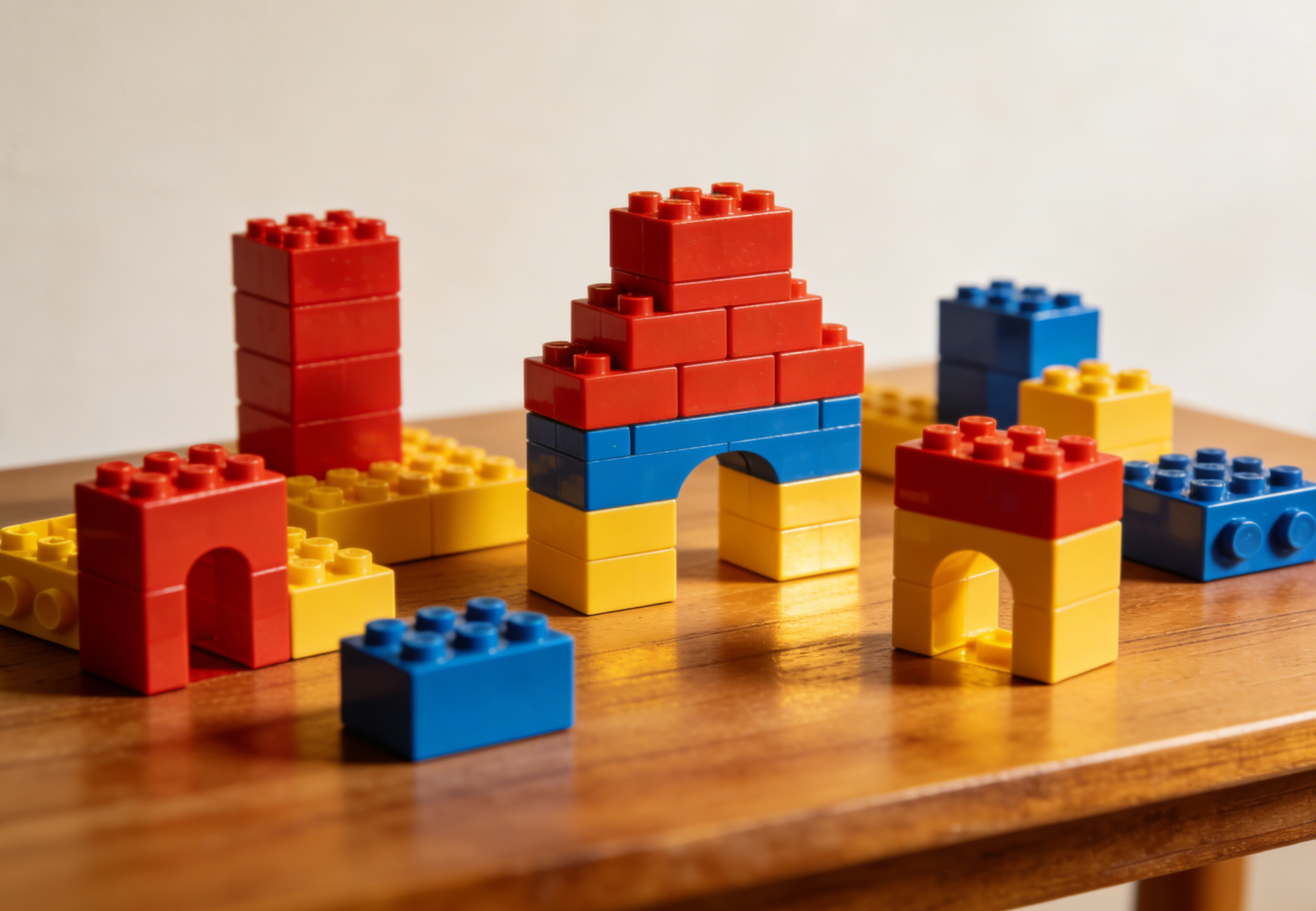

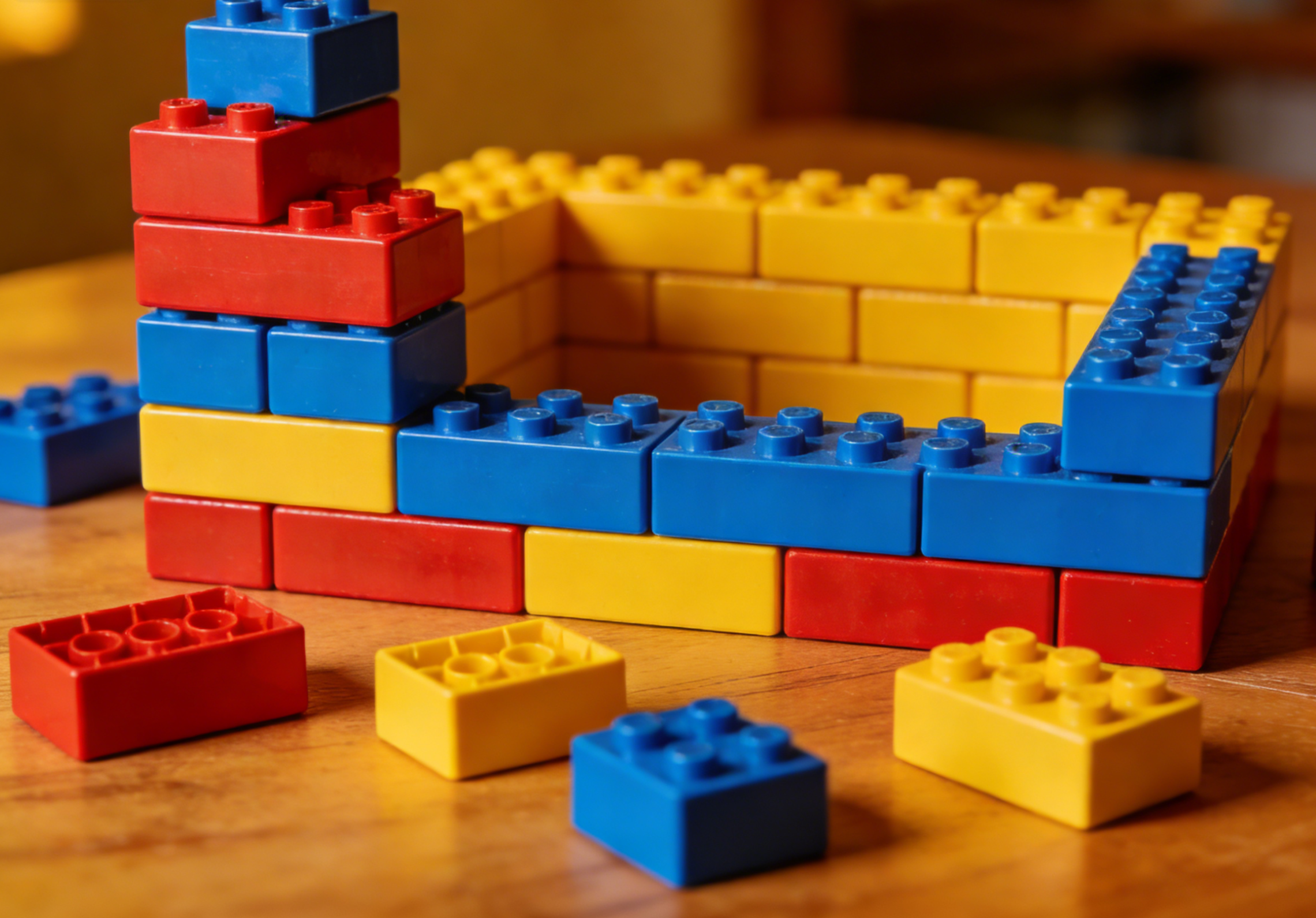
Do you remember the thrill of snapping two bricks together for the very first time? That satisfying click is just the beginning of a lifelong journey of creativity and engineering. Whether you want to construct a towering architectural marvel, dive into an engaging weekend project with your kids, or find a relaxing outlet after a long week of work, mastering the art of building can transform your experience.
Building complex models is more than just following a manual. It requires strategy, organization, and a dash of imagination. In this comprehensive guide, we will walk you through everything you need to know about tackling your next big project. You will discover how to select the right model, organize your workspace like a professional, apply advanced construction techniques, and properly display your finished masterpiece. Let us build and learn together!
Why We Love Brick Building Sets
There is a distinct magic to turning a pile of loose pieces into a cohesive, stunning structure. For many hobbyists—ranging from engineers and designers to busy parents—these projects offer an unparalleled blend of relaxation and mental stimulation. Engaging with brick building sets provides significant benefits that extend far beyond simple entertainment.
First, they are incredible tools for STEM education. As you assemble different components, you naturally engage with concepts of structural engineering, spatial awareness, and geometry. Families find that these projects offer the perfect opportunity to limit screen time and encourage hands-on skill development in children. Kids learn patience, problem-solving, and critical thinking while having fun.
For adults, building serves as a fantastic stress-relief activity. The methodical process of sorting, finding the right piece, and clicking it into place helps quiet the mind. It offers a tangible sense of accomplishment when you finally complete a challenging section. Furthermore, the global community of builders is incredibly active. By joining online forums and sharing your progress, you connect with thousands of like-minded individuals who share your passion for innovative and customizable designs.
Step 1: Choosing the Perfect Model for You
The first step to a successful project is selecting the right kit. With thousands of options available, making a choice can feel overwhelming. However, by considering your goals, budget, and available time, you can find a kit that perfectly matches your needs.
For Beginners and Families
If you are new to the hobby or looking for a family bonding activity, start with models that offer clear, segmented instructions and colorful pieces. Look for kits that spark imagination without requiring dozens of hours to complete. STEM-focused kits are highly recommended here, as they often include moving parts or simple gear mechanisms that teach basic physics. When you browse the diverse models available at ModelBuilder, you will find options that perfectly balance educational value with engaging playtime.
For Advanced Builders and Collectors
If you are an experienced hobbyist looking for a challenge, gravitate toward exclusive collections and large-scale architectural models. These sets often feature thousands of pieces, intricate detailing, and complex internal structures. They require dedication and a keen eye for detail. Collectors should also consider the final display size and the theme of the model to ensure it fits well with their existing collection.
Step 2: Setting Up Your Ultimate Building Workspace
You cannot build a masterpiece in chaos. Setting up a dedicated workspace dramatically improves your building experience, preventing lost pieces and backaches.
Start by finding a large, flat surface. A sturdy dining table or a dedicated craft desk works best. Ensure you have plenty of bright, even lighting. Natural light is excellent, but a good LED desk lamp will prevent eye strain during late-night building sessions.
Consider ergonomics as well. You will likely spend hours at this table, so use a comfortable chair that supports your lower back. Keep a few small bowls or plastic containers nearby to hold loose pieces temporarily. A soft, light-colored felt mat placed over your table can stop small, round pieces from rolling away and makes dark-colored parts easier to spot.
Step 3: Mastering the Art of Sorting (Knolling)
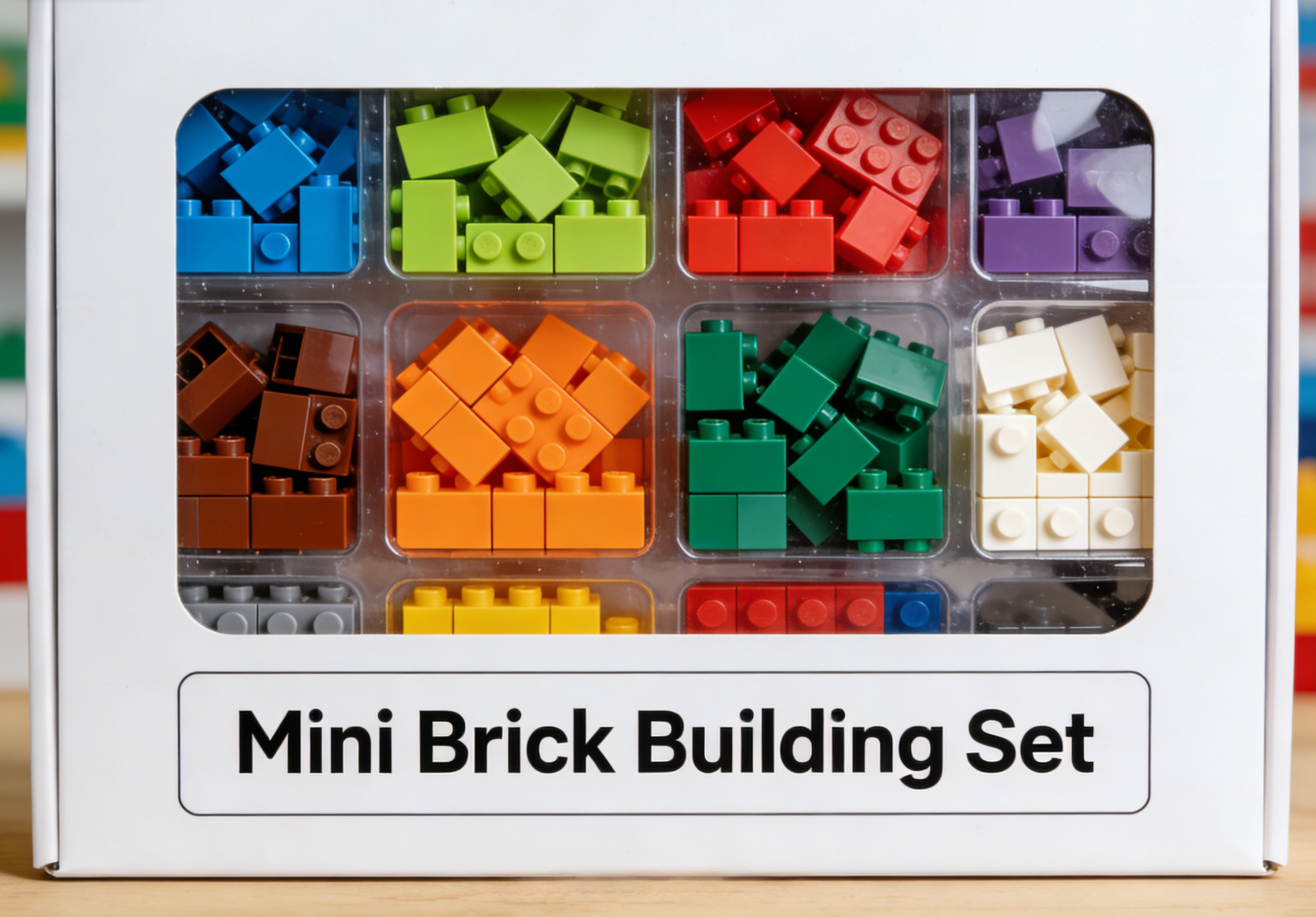
Ask any veteran builder for their top tip, and they will likely mention “knolling.” Knolling is the process of arranging related objects in parallel or at 90-degree angles as a method of organization. When applied to your building process, it saves time and reduces frustration.
Instead of dumping all your bags into one massive pile, open only the bags required for your current section. Sort these pieces by color, size, or type. Many builders prefer sorting by type rather than color. Why? Because finding a black 1×2 brick in a pile of various black parts is much harder than finding it in a pile of various colored 1×2 bricks.
Take a few minutes at the start of each new phase to organize your elements. Line up your plates, stack your standard bricks, and group tiny connectors together. This methodical preparation might seem tedious at first, but it quickly becomes a meditative and essential part of the process, allowing you to fly through the actual assembly with ease.
Step 4: Pro Techniques for Brick Building Sets
Now that your workspace is ready and your pieces are sorted, it is time to start building. While the instruction manual is your primary guide, applying a few pro techniques will ensure your model is sturdy and accurate.
Reading the Instructions Like a Pro
Pay close attention to the specific orientation of the model in the manual. Small arrows or highlighted studs indicate exactly where the new pieces should attach. If a step involves complex internal gearing or technical pins, double-check your work before moving on. A mistake buried deep inside a model can be incredibly difficult to fix later.
Strengthening the Foundation
When assembling base plates or foundational walls, ensure you press down firmly on every piece. A loose connection at the bottom of a tall structure will magnify as you build upward, eventually causing the entire model to warp or become unstable. Use the flat edge of a larger brick to press down multiple pieces evenly.
Handling Stickers and Decals
Many kits include stickers to add fine details. To apply them perfectly, do not use your fingers. The oils on your skin can reduce the adhesive’s stickiness, and your fingers often block your view of the alignment. Instead, use the flat end of a brick separator or a pair of tweezers. Lightly place the edge of the sticker down, check the alignment, and then smooth it out to prevent air bubbles.
Step 5: Customization and Going Beyond the Manual
One of the most engaging aspects of this hobby is that you are never restricted to the official instructions. Once you feel comfortable with standard builds, you can unlock your creativity by designing custom creations, widely known in the community as MOCs (My Own Creations).
Start small by modifying existing models. You might change the color scheme of a car, add an extra floor to a building, or integrate LED lighting kits to bring your model to life at night. Customizable parts allow you to express your unique design sensibilities. If you need specific replacement parts or want to expand your inventory for custom builds, explore the expansive catalog at ModelBuilder to find exactly what you need.
Building MOCs pushes your structural engineering skills to the next level. You have to figure out how to make a roof hold its own weight or how to translate a real-world curve into blocky geometry. Do not hesitate to share your original designs on online forums. The community is highly supportive, often providing constructive feedback and celebrating innovative ideas.
Step 6: Displaying Your Masterpiece
After investing hours into completing a complex model, it deserves to be showcased properly. Displaying your work not only protects it but also allows you to share your achievement with friends and family.
Select a display location away from direct sunlight. Prolonged exposure to UV rays can cause vibrant colored plastic to fade or yellow over time. Bookshelves, dedicated glass display cabinets, or floating wall shelves are excellent choices. If you build large-scale architecture or vehicle models, consider investing in custom-sized acrylic display cases. These cases keep the dust off your models and give them a premium, museum-like appearance.
For dynamic displays, consider creating small dioramas. Use extra green plates and plant elements to create a landscape for your buildings, or use clear stands to make your spaceship models look like they are in mid-flight.
Step 7: Caring for and Maintaining Your Collection
Proper maintenance ensures your collection lasts for generations. Dust is the biggest enemy of displayed models. To keep them looking fresh, establish a regular cleaning routine. Use a large, soft-bristled makeup brush or a clean paintbrush to gently sweep dust off the exposed studs and crevices. For more stubborn dust, a can of compressed air or a low-powered vacuum with a micro-attachment works wonders—just be careful not to suck up any loose pieces!
If you decide to disassemble a model to make room for a new one, use the brick separator tool included in most large kits to pry apart stubborn plates without damaging the plastic or your fingernails. Sort the pieces back into numbered plastic zipper bags corresponding to the manual’s original steps. This makes rebuilding the model in the future infinitely easier.
Should you ever encounter a missing or broken piece during your build, do not panic. High-quality brands understand that mistakes happen. For instance, ModelBuilder commits to ensuring you have a seamless experience, easily helping you complete your project without missing a beat.
Conclusion
Immersing yourself in the world of construction kits is a highly rewarding endeavor that bridges the gap between art and engineering. By choosing the right model, organizing your workspace, mastering advanced building techniques, and engaging with the community, you elevate a simple hobby into a passionate creative outlet.
Whether you are teaching your children the fundamentals of STEM, relaxing after a busy day, or designing your own exclusive masterpieces, the possibilities are genuinely endless. Unlock your creativity today, clear off a table, open that first bag of pieces, and see where your imagination takes you. Happy building!
Frequently Asked Questions (FAQs)
1. Are complex models suitable for beginners?
Yes, beginners can absolutely tackle complex models. We recommend taking it slow, carefully organizing your pieces before starting, and strictly following the step-by-step instructions. Many advanced kits have segmented bags that make the process highly manageable, regardless of your prior experience.
2. How do these kits promote STEM education?
Building kits naturally integrate STEM concepts. Builders engage with spatial reasoning, structural integrity, and basic physics. Following instructions develops logical sequencing skills, while customizing designs fosters innovative problem-solving and engineering capabilities.
3. What should I do if I am missing a piece?
First, double-check your workspace, empty bags, and the floor, as small parts easily hide. If the piece is genuinely missing, most reputable retailers offer replacement programs. You can usually request the exact missing part online to finish your project without hassle.
4. How can I safely clean my completed models?
The safest way to clean your models is by using a soft, dry paintbrush or makeup brush to gently sweep away dust. For deeper cleaning, you can carefully disassemble the model and wash the non-electronic plastic parts in lukewarm water with mild dish soap. Allow them to air dry completely before reassembling.
5. How can I get involved in the building community?
Getting involved is easy! Search for online forums, social media groups, and community platforms dedicated to building hobbyists. You can share photos of your completed projects, ask for advice, participate in collaborative build challenges, and find inspiration for your next customized creation.