
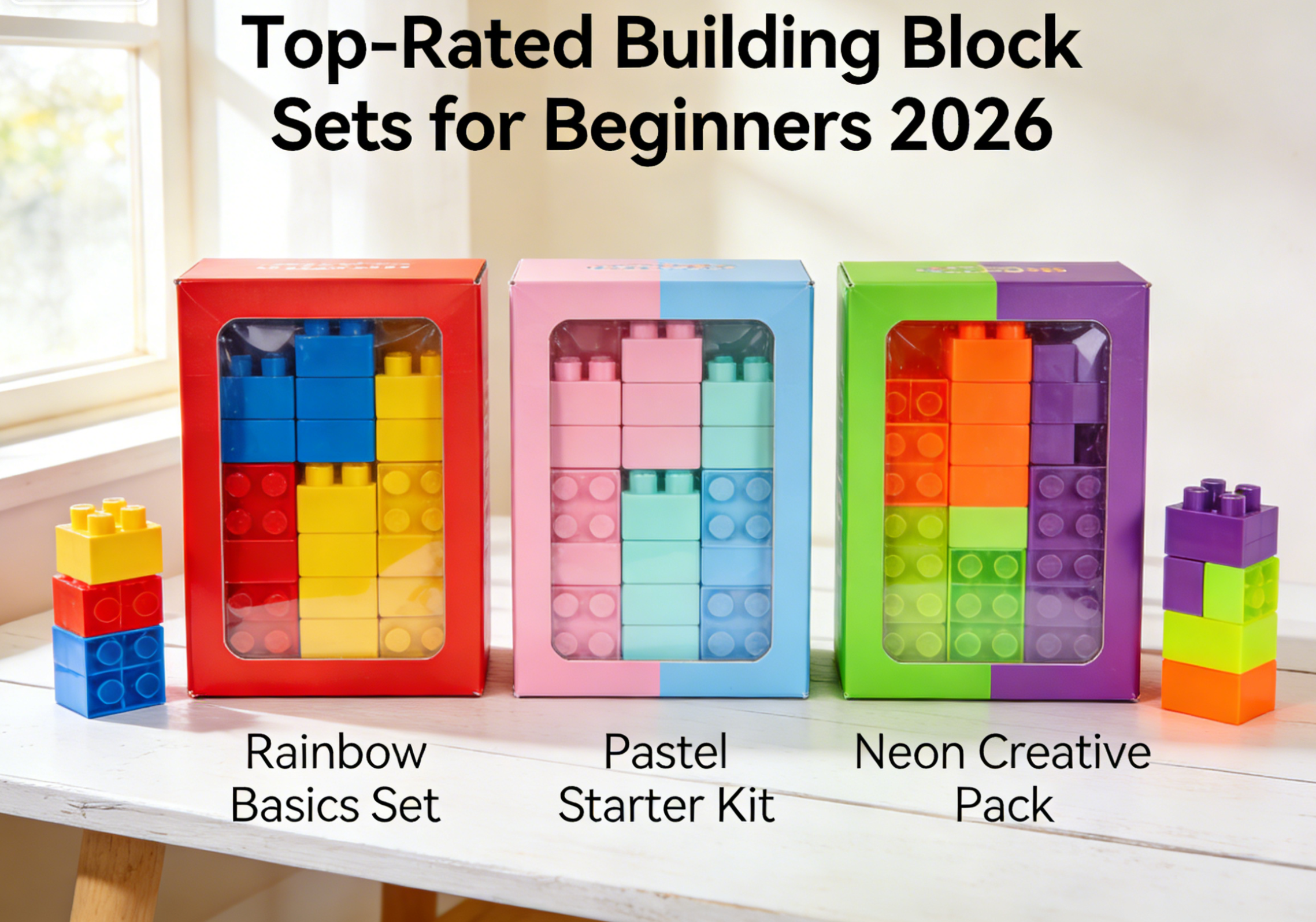
The Ultimate Guide to Top-Rated Building Block Sets for Beginners 2026
There’s something truly magical about building blocks. They’re not just toys; they’re gateways to imagination, tools for learning, and the foundation for countless hours of creative play. For beginners, choosing the right set can be the difference between a budding builder and a frustrated one. As we look towards 2026, the market is continually evolving, with new innovations making building more accessible and exciting than ever before. If you’re looking to spark creativity, enhance problem-solving skills, and foster a love for construction in a beginner, you’re in the right place. Our goal is to help you navigate the myriad options and discover the top-rated building block sets for beginners 2026.
Whether you’re a parent, grandparent, or simply looking for the perfect gift, understanding what makes a building block set ideal for a novice is crucial. We’ll dive into the essential features, benefits, and specific recommendations that promise to be hits in the coming year. Prepare to be inspired to build amazing things with modelbuilderus, your trusted source for quality building experiences.
Why Building Blocks Are Essential for Beginner Development
Beyond being incredibly fun, building blocks offer a wealth of developmental benefits, especially for beginners. They’re more than just plastic or wood pieces; they’re educational powerhouses disguised as playthings. For young children, they are fundamental in developing crucial skills that extend far beyond the playroom.
Enhancing Fine Motor Skills and Hand-Eye Coordination
The act of grasping, stacking, and connecting blocks directly targets fine motor skills. These are the small muscle movements, especially in the hands and fingers, that are vital for tasks like writing, drawing, and even eating. As children carefully align blocks, they are also honing their hand-eye coordination, learning to synchronize what their eyes see with what their hands do. This foundational skill is invaluable for academic success and everyday life.
Furthermore, the repetitive nature of building helps reinforce these motor patterns, making movements smoother and more precise over time. Beginners often start with larger blocks, which are easier to manipulate, gradually progressing to smaller, more intricate pieces as their dexterity improves.
Fostering Creativity and Imagination
One of the most profound benefits of building blocks is their ability to unleash creativity. Unlike toys with a singular purpose, blocks are open-ended. A child can build a towering castle one day, a zooming spaceship the next, and an abstract sculpture after that. There are no limits to what can be created, allowing children to freely express their ideas and experiment with different forms and structures.
This imaginative play is vital for cognitive development. It helps children develop narrative skills, create mental images, and think abstractly. It’s a safe space for them to test ideas, solve problems, and even fail and try again, all while having fun.
Developing Problem-Solving and Spatial Reasoning
Building a stable structure requires a surprising amount of critical thinking. Children learn about balance, gravity, symmetry, and load-bearing capacity through hands-on experimentation. When a tower topples, they learn why it happened and how to build it differently next time. This iterative process is the essence of problem-solving.
Spatial reasoning, the ability to think about objects in three dimensions, is also significantly boosted. Children learn to visualize how different shapes fit together, how parts connect to form a whole, and how to plan structures before they build them. These skills are fundamental for subjects like mathematics, engineering, and architecture.
What Makes a Building Block Set “Top-Rated” for Beginners in 2026?
When searching for the top-rated building block sets for beginners 2026, several key factors come into play. These considerations ensure that the set is not only enjoyable but also safe, durable, and truly beneficial for a budding builder.
Age Appropriateness and Safety Standards
The first and most critical consideration is age appropriateness. For very young beginners (toddlers), large, chunky blocks that are easy to grasp and impossible to swallow are essential. As children grow, smaller, more complex pieces become suitable. Always check the manufacturer’s recommended age range and ensure the blocks meet rigorous safety standards, particularly concerning non-toxic materials and choke hazard warnings.
In 2026, consumers are increasingly prioritizing eco-friendly and sustainable materials, so looking for blocks made from recycled plastics or sustainably sourced wood can also be a plus.
Ease of Use and Interlocking System
For beginners, an intuitive and easy-to-use interlocking system is paramount. Blocks that connect smoothly but hold firmly will prevent frustration and encourage continued play. Sets with overly complex or flimsy connections can be disheartening for novices. The goal is to allow children to build with minimal effort, focusing on their ideas rather than struggling with the mechanics of the blocks.
Some beginner sets offer magnetic connections or simple drop-and-stack designs, which are excellent for very young children before they master traditional interlocking systems.
Durability and Longevity
Children’s toys need to withstand enthusiastic play. Top-rated sets are made from durable materials that can handle being stacked, knocked over, and sometimes even chewed on. They should retain their color and structural integrity over time. Investing in a durable set means it can be passed down to younger siblings or enjoyed for many years, offering excellent value.
Consider brands that are known for their quality, as they often use premium materials that last. Many consumers appreciate the robust build quality offered by companies like modelbuilderus.
Variety of Shapes, Colors, and Themed Options
A diverse range of shapes and colors can significantly enhance a beginner’s building experience. Classic rectangular blocks are great, but adding triangles, cylinders, arches, and specialized pieces allows for more intricate and imaginative constructions. Vibrant colors are also engaging and can help with early color recognition.
Themed sets, such as those for vehicles, animals, or houses, can provide a starting point for beginners, sparking initial ideas and offering a sense of accomplishment by completing a recognizable model. However, ensure there are also plenty of open-ended elements to encourage free-form building.
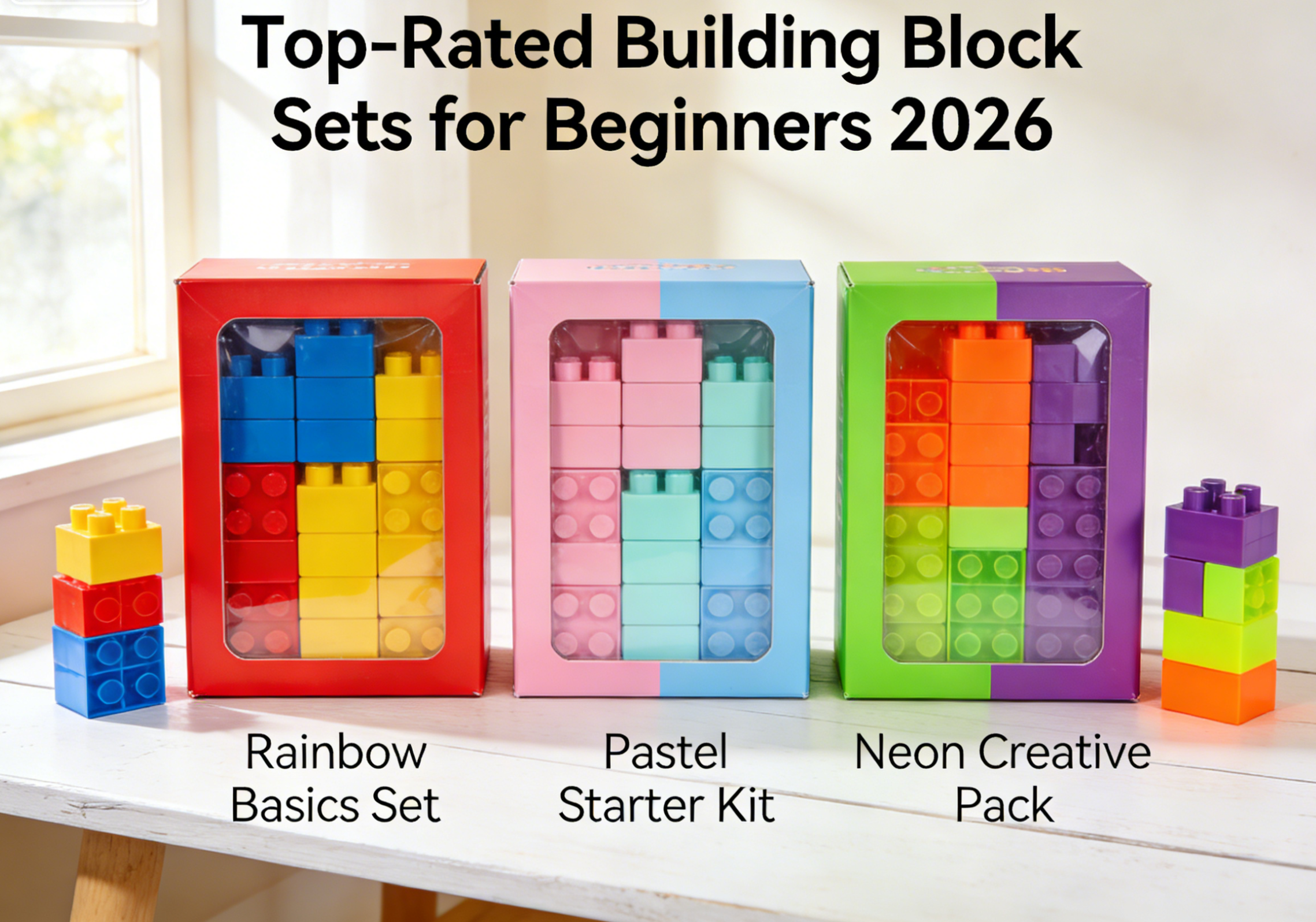
Our Top Picks: Top-Rated Building Block Sets for Beginners 2026
Based on our criteria for age appropriateness, ease of use, durability, and developmental benefits, here are some of the top-rated building block sets for beginners 2026 that are sure to delight and inspire new builders.
1. Large Interlocking Blocks (Ages 1-3)
Why they’re great for very young beginners:
For the youngest builders, large interlocking blocks are a fantastic starting point. These blocks are oversized, making them easy for tiny hands to grasp and manipulate. Their simple interlocking mechanism ensures that even toddlers can connect them with minimal frustration, building confidence from an early age. They’re typically made from durable, non-toxic plastic and come in bright, appealing colors.
These sets are perfect for developing basic stacking skills, understanding cause and effect, and introducing early concepts of spatial relationships. They’re also often washable, which is a huge plus for infant and toddler toys.
2. Classic Building Bricks & Starter Sets (Ages 4-7)
The enduring appeal of the universal brick:
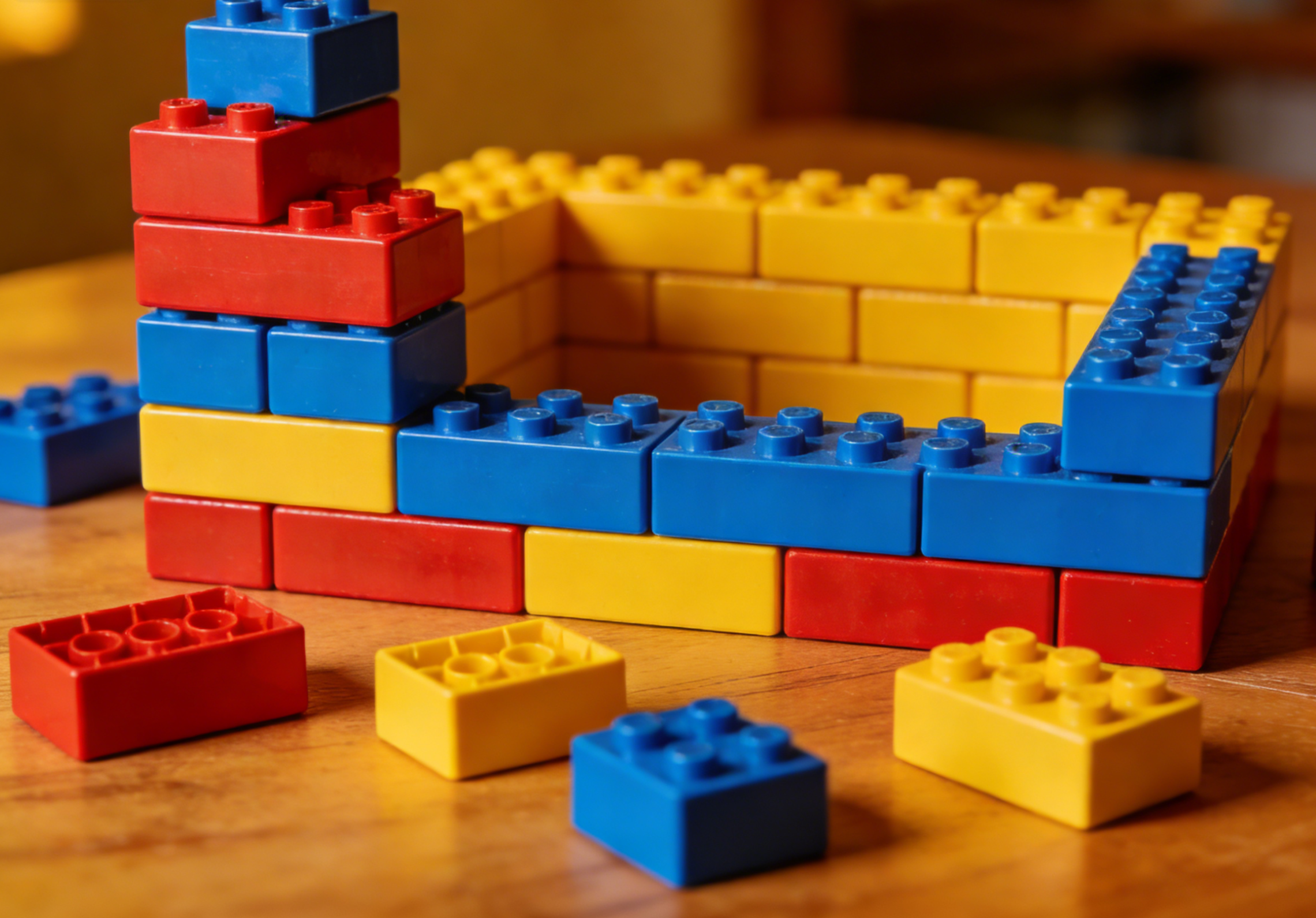
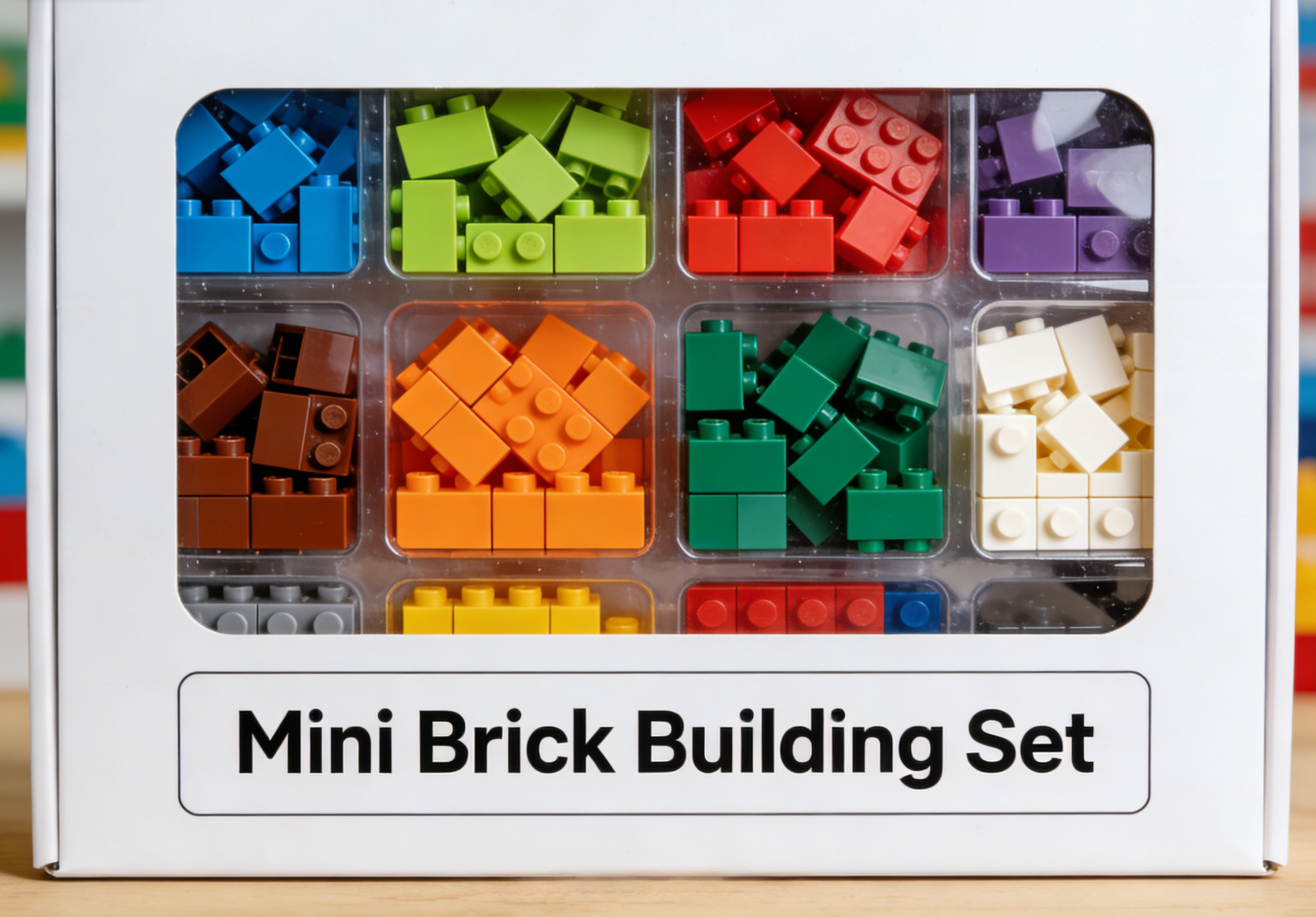
As children grow and develop finer motor skills, the classic interlocking brick sets become wonderfully engaging. These sets, often accompanied by simple instruction manuals for basic models, strike a perfect balance between guided building and open-ended creativity. Starter sets usually come with a good mix of basic bricks, plates, and perhaps a few specialized pieces like wheels or windows.
They are excellent for developing patience, following instructions, and understanding complex structures. Many brands offer high-quality, compatible bricks, with modelbuilderus providing excellent options that integrate seamlessly with other popular systems, allowing for endless expansion and variation.
3. Magnetic Building Tiles (Ages 3-8)
Building in a new dimension:
Magnetic building tiles have soared in popularity for their unique approach to construction. These colorful, translucent tiles have magnets along their edges, allowing them to snap together easily. This provides a different kind of building experience, perfect for children who might find traditional interlocking bricks a bit challenging initially. They are fantastic for exploring 2D and 3D shapes, magnetism, and light.
Beginners can easily create flat patterns, then effortlessly pull them up into towers, houses, or abstract sculptures. They’re incredibly satisfying to build with and offer quick gratification, making them a top choice for fostering early confidence in building.
4. Wooden Block Sets (Ages 1-5)
Timeless simplicity and sensory appeal:
Wooden building blocks are a timeless classic, and for good reason. They offer a wonderfully tactile experience with their natural feel and satisfying weight. For beginners, simple wooden blocks promote fundamental stacking, balancing, and spatial awareness skills without any complex interlocking mechanisms. Shapes often include cubes, cylinders, arches, and triangles, encouraging creative problem-solving.
These sets are incredibly durable, often passed down through generations, and are a fantastic eco-friendly option. They also introduce children to basic physics concepts like balance and stability in a very hands-on way.
5. Themed Starter Kits for Specific Interests (Ages 5-10)
Igniting passion through targeted building:
Once a beginner has a grasp of basic building concepts, themed starter kits can be a powerful motivator. Whether it’s a small car, a simple house, or an animal figure, these kits provide all the necessary pieces and clear instructions to build a specific model. This instant gratification and sense of accomplishment can really solidify a child’s love for building.
The beauty of good themed starter kits is that once the initial model is built, the pieces can then be integrated into a larger collection for free-form creative building. Look for themes that align with the child’s current interests, whether it’s space, animals, vehicles, or fantasy creatures, to make the experience even more engaging.
Tips for Maximizing the Beginner Building Block Experience
Simply providing a set of blocks is a great start, but there are several ways to enhance the building block experience for beginners and ensure they get the most out of their play.
Encourage Open-Ended Play
While instructions can be helpful, resist the urge to always tell your child what to build. Encourage them to explore, experiment, and create whatever their imagination conjures. Ask open-ended questions like, “What are you making?” or “What do you think will happen if you add another block there?” This fosters creativity and critical thinking over simply following directions.
Build Alongside Them
One of the best ways to engage a beginner is to get down on the floor and build with them. You don’t have to build the same thing; you can create your own structure or simply add to theirs. This demonstrates positive play, provides an opportunity for interaction, and can model different building techniques without being prescriptive.
Provide a Dedicated Play Space and Storage
Having a designated area for building, perhaps a large mat or a low table, makes the activity more inviting. Easy access to blocks and a simple storage solution (like a large bin or box) will encourage children to independently take out and put away their blocks, fostering organizational skills.
Celebrate Their Creations
Every tower, car, or abstract shape is a masterpiece in the eyes of a child. Offer genuine praise for their efforts and creativity. Take pictures of their favorite builds, display them for a while, or simply acknowledge their dedication to the task. Positive reinforcement goes a long way in encouraging continued engagement.
Integrate Other Toys
Building blocks don’t have to be played with in isolation. Encourage children to incorporate their other toys – small figures, toy cars, or animals – into their block constructions. A block castle becomes a home for action figures, a ramp for toy cars, or a shelter for stuffed animals. This broadens the scope of play and makes the building experience even more dynamic and enriching.
Remember that the journey of a model builder often starts with these early experiences, and platforms like modelbuilderus are dedicated to supporting this creative growth with quality products and resources.
The Future of Beginner Building Blocks in 2026
As we look ahead to 2026, the world of building blocks for beginners is likely to see further innovations. Expect to see continued emphasis on:
- Sustainability: More brands will likely use recycled materials, plant-based plastics, and sustainably sourced wood.
- Digital Integration: While traditional blocks remain key, some sets might incorporate simple augmented reality (AR) features accessible via smartphones or tablets, allowing children to visualize their creations in a virtual world or follow interactive building guides.
- Inclusive Design: Blocks designed with varying abilities in mind, featuring easier grips or tactile markers, will become more prevalent.
- STEM Focus: Even beginner sets will subtly integrate more core STEM concepts through specialized gears, simple circuitry, or coding-friendly components, preparing children for future challenges in technology and engineering.
The core joy and developmental benefits of building blocks will, however, remain timeless. The top-rated building block sets for beginners 2026 will continue to be those that balance innovation with the fundamental principles of creative, hands-on play.
Conclusion
Choosing the right building block set for a beginner is an investment in their development, creativity, and endless hours of joyful play. By focusing on age-appropriateness, ease of use, durability, and a variety of options, you can provide a fantastic foundation for a lifelong love of building and learning. The sets highlighted as the top-rated building block sets for beginners 2026 offer a perfect blend of fun and educational value, ensuring that every burgeoning builder finds their perfect match.
Remember, the goal is to foster imagination and problem-solving, allowing children to explore and create at their own pace. Whether they prefer classic bricks, magnetic tiles, or sturdy wooden blocks, the act of building provides invaluable experiences. Explore the possibilities and find the perfect set to unlock their potential, perhaps even through a visit to modelbuilderus for inspiring ideas and quality products that empower the next generation of creators.
Frequently Asked Questions (FAQ)
What age is best to start with building blocks?
Building blocks can be introduced as early as 1-2 years old with large, easy-to-handle blocks like oversized interlocking blocks or chunky wooden sets. As children grow and their fine motor skills develop, they can progress to smaller, more intricate sets. Always check the manufacturer’s recommended age for safety and choking hazards.
How do building blocks benefit a child’s development?
Building blocks offer numerous developmental benefits, including enhancing fine motor skills, improving hand-eye coordination, fostering spatial reasoning, developing problem-solving abilities, and sparking creativity and imaginative play. They also lay a foundational understanding for early STEM (Science, Technology, Engineering, and Math) concepts.
What should I look for when buying building block sets for beginners?
When buying for beginners, prioritize age appropriateness, safety (non-toxic materials, no small parts for young children), ease of use (simple interlocking systems), durability, and a good variety of shapes and colors. Consider whether the set promotes open-ended play or offers specific themed builds to spark interest. Value for money and expansion potential are also key considerations.
Are generic building blocks as good as brand-name ones?
Many generic brands offer excellent quality and are often compatible with major brand-name building block systems, providing a more affordable alternative. However, it’s important to check reviews for durability, fit, and adherence to safety standards. Reputable brands like modelbuilderus often provide high-quality compatible options that meet or exceed consumer expectations.
How can I encourage my child to play with building blocks?
Encourage building block play by joining in and building alongside your child, providing positive feedback for their creations, and offering a variety of sets or themes that align with their interests. Provide a dedicated play space, and allow for open-ended exploration rather than dictating what they should build. Integrating other toys into their block structures can also make the play more engaging.