
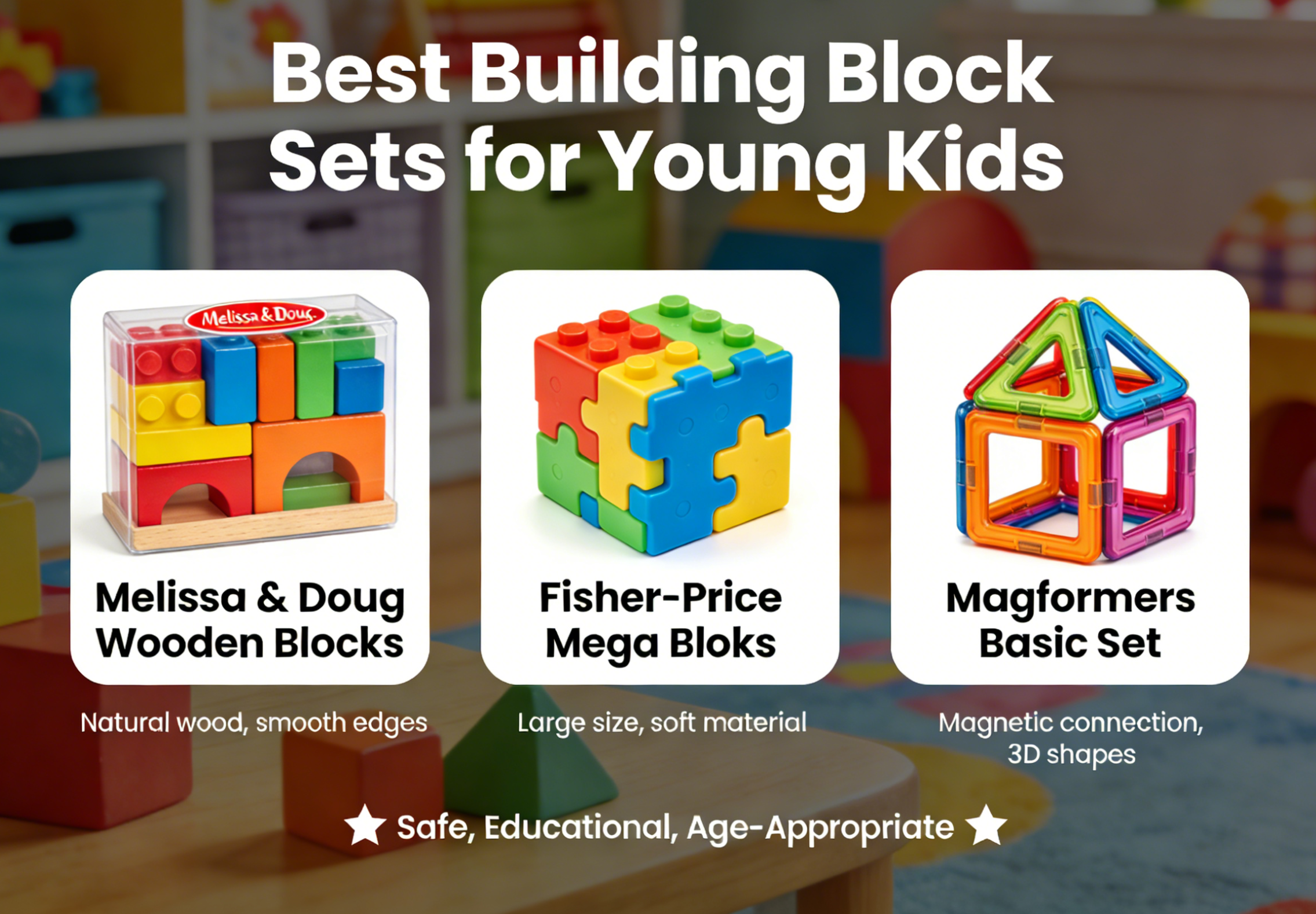
Unlocking Creativity: Is it Best Building Block Sets for Young Kids?
From the moment a child can grasp an object, their world becomes a playground of exploration and discovery. Among the myriad of toys available, building block sets have consistently stood out as timeless classics, captivating young minds for generations. But beyond the simple joy of stacking and connecting, how significant are these toys in a child’s development? When parents ponder, “is it best building block sets for young kids?”, they are often looking for more than just entertainment; they seek tools that foster growth, creativity, and essential life skills.
At modelbuilderus, we believe that the answer is a resounding yes. Building blocks offer an unparalleled blend of fun and learning, making them an indispensable part of any child’s toy collection. They are not merely objects to be assembled; they are gateways to imagination, problem-solving, and critical thinking, laying foundational skills that extend far beyond the playroom.
The Undeniable Benefits of Building Blocks for Early Childhood Development
The impact of building blocks on children’s development is profound and multifaceted. These seemingly simple toys engage various cognitive and physical faculties, contributing significantly to a child’s holistic growth. Understanding these benefits helps parents appreciate the true value of investing in quality building block sets.
Fostering Fine Motor Skills and Hand-Eye Coordination
One of the most immediate and observable benefits of building blocks is their contribution to developing fine motor skills. As children pick up, manipulate, and connect blocks, they refine the small muscles in their hands and fingers. This intricate process improves dexterity, grip strength, and precision, which are crucial for tasks like writing, drawing, and even self-feeding. The act of placing one block precisely on another also strengthens hand-eye coordination, teaching young minds to synchronize what they see with what their hands do.
Enhancing Spatial Reasoning and Problem-Solving Abilities
Building with blocks inherently involves spatial reasoning. Children learn to visualize how different shapes fit together, understanding concepts like balance, symmetry, and structure. They experiment with different arrangements to create stable towers or elaborate structures, inevitably encountering challenges when a design doesn’t work as planned. This leads to invaluable problem-solving experiences. When a tower tumbles, they learn from their mistakes, adjust their approach, and try again, fostering resilience and logical thinking. This hands-on problem-solving is far more effective than abstract instruction for young learners.
Igniting Creativity and Imagination
Perhaps the most cherished benefit is the boundless creativity and imagination that building blocks unleash. Unlike toys with predefined functions, blocks are open-ended. A stack of blocks can become a castle, a car, an alien spaceship, or an abstract sculpture. This freedom allows children to manifest their wildest ideas, explore narratives, and engage in imaginative play. This creative expression is vital for emotional development, language skills, and understanding the world around them. It’s a space where anything is possible, limited only by their imagination.
Promoting Cognitive Development and Early STEM Concepts
Building blocks are a fantastic, covert way to introduce early STEM (Science, Technology, Engineering, and Mathematics) concepts. Children learn about cause and effect, gravity, stability, and basic geometry without even realizing it. They might count blocks, compare sizes, sort by color, or understand patterns, all of which are foundational mathematical skills. These tactile experiences provide concrete examples of abstract concepts, making learning intuitive and engaging.
Encouraging Social and Emotional Growth
When children play with blocks alongside others, they engage in valuable social interactions. They learn to share, collaborate on larger projects, negotiate ideas, and resolve conflicts. This collaborative play fosters communication skills, empathy, and the ability to work as part of a team. Even in solo play, children develop patience, persistence, and a sense of accomplishment, boosting their self-esteem and emotional regulation.
Choosing the Right Building Block Sets for Different Age Groups
The market offers an astonishing variety of building block sets, each designed with specific age groups and developmental stages in mind. Understanding these distinctions is key to determining is it best building block sets for young kids in your care.
For Infants (6 months to 1 year): Soft and Large Blocks
For the youngest builders, safety and simplicity are paramount. Soft, lightweight foam or fabric blocks are ideal. They are easy for tiny hands to grasp, safe to mouth, and won’t hurt if they tumble. Large, brightly colored blocks stimulate visual development, and the act of batting, squeezing, or attempting to stack them helps develop early motor skills and sensory exploration.
For Toddlers (1-3 years): Large Wooden or Duplo-style Blocks
As toddlers gain more control over their movements, they are ready for larger, more substantial blocks. Chunky wooden blocks with smooth edges are excellent for stacking, balancing, and creating simple structures. Their natural feel and durability are a big plus. Alternatively, large plastic interlocking blocks, often referred to as Duplo-style, are perfect for this age. Their larger size makes them easy for small hands to connect and disconnect, while still providing the satisfaction of building something stable. These options are carefully designed to avoid choking hazards and withstand enthusiastic play.
For Preschoolers (3-5 years): Classic Building Bricks and Magnetic Tiles
Preschoolers are ready for a greater challenge and more intricate designs. Smaller, classic building bricks (like LEGO DUPLO’s younger sibling, or other brands with similar size blocks) become appropriate, allowing for more detailed constructions and complex patterns. This is also an excellent age to introduce magnetic tiles. These colorful, geometric shapes with embedded magnets allow children to build fascinating 2D and 3D structures with ease, introducing concepts of magnetism and geometry in a fun, intuitive way. They’re fantastic for architectural designs and abstract art.
For Early School-Aged Children (5-8 years): Advanced Building Bricks and Specialized Sets
By this age, children develop the dexterity and cognitive skills for more intricate building. Smaller, standard-sized interlocking bricks (like classic LEGOs) are perfect. They can follow instructions to build complex models or unleash their creativity with free-form constructions. This age group also benefits from specialized sets that might include gears, wheels, or more themed elements, encouraging storytelling and basic engineering principles. Exploring options at modelbuilderus can provide a wide range of choices catering to these evolving interests.
Key Features to Look for When Buying Building Blocks
When selecting building block sets, several factors should guide your decision to ensure you’re making the best choice for your child’s development and long-term enjoyment.
Material and Durability
Building blocks come in a range of materials, including wood, plastic, foam, and even magnetic components.
- Wooden blocks: Often eco-friendly, durable, and offer a natural tactile experience. They promote a sense of gravity and balance.
- Plastic interlocking bricks: Extremely versatile, durable, and allow for intricate, stable structures. Look for BPA-free options.
- Magnetic tiles: Engage children with the magic of magnets, making 3D construction simple and visually appealing.
- Foam blocks: Safe and lightweight for very young children, perfect for indoor play without noise or damage.
Regardless of the material, ensure it’s durable enough to withstand years of play and non-toxic.
Safety Standards
Always check for safety certifications, especially for younger children. Blocks should be free from small parts that could pose a choking hazard, have smooth edges, and be made from non-toxic materials. Reputable brands will always adhere to international safety standards (e.g., CE marking for Europe, ASTM for the US).
Versatility and Open-Ended Play
The best building blocks are those that encourage open-ended play rather than dictating a single outcome. Look for sets that can be used to build a multitude of different things, sparking endless creative possibilities. Blocks that are compatible with other sets can also expand play potential significantly. This versatility is crucial when considering is it best building block sets for young kids, as it maximizes their developmental impact.
Ease of Use and Connection
For younger children, blocks that are easy to connect and disconnect without frustration are essential. As children grow, they can handle more complex connection mechanisms. Magnetic blocks, for instance, are incredibly satisfying due to their instant connection.
Educational Value
While all building blocks offer educational benefits, some sets might subtly incorporate more specific learning opportunities, such as letter and number blocks, or specialized gears and pulleys for understanding simple machines. Consider how the set aligns with your child’s developmental stage and learning goals.
Comparing Popular Building Block Options
With so many options, how do you decide is it best building block sets for young kids? Let’s look at some popular categories.
Wooden Blocks: Classic and Timeless
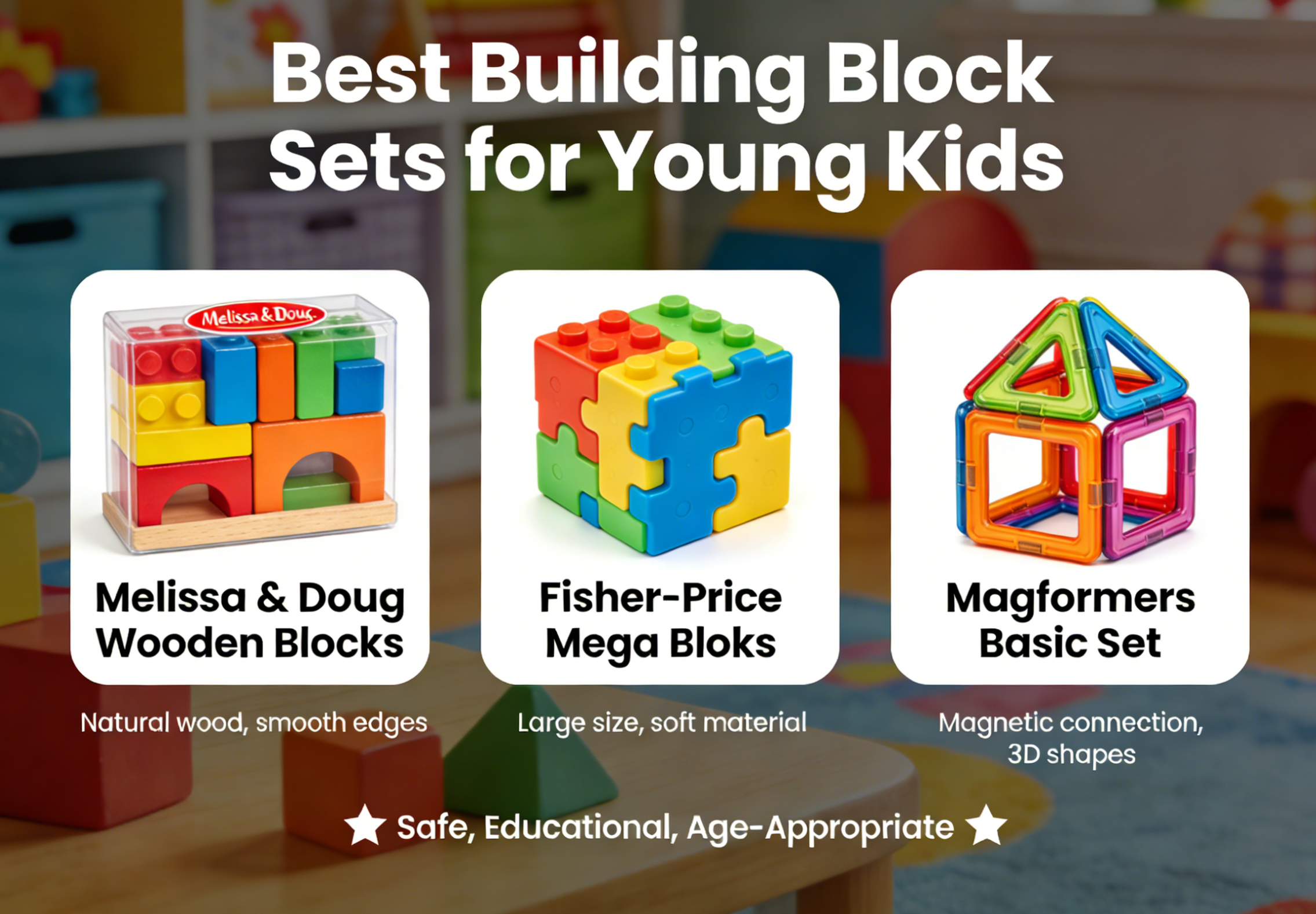
Wooden blocks, such as those from Melissa & Doug or classic unit blocks, are a staple in many early childhood environments. Their simplicity encourages imaginative play without distractions. They teach fundamental physics concepts of balance, weight, and gravity in a very direct way. They are durable, often made from sustainable wood, and have a wonderfully tactile feel. They might not interlock, but their classic charm and robustness make them a fantastic investment for open-ended play.
LEGO Duplo: The Toddler-Friendly Interlocking System
LEGO Duplo is specifically designed for toddlers and preschoolers. The blocks are twice the size of regular LEGO bricks, making them easy for little hands to manipulate and preventing choking hazards. They are known for their durability, bright colors, and compatibility with other Duplo sets, offering endless possibilities for building and imaginative play. Duplo often comes in themed sets (farms, vehicles, houses) which can inspire storytelling while still allowing for free-form construction.
Magnetic Tiles: Innovative and Visually Engaging
Brands like Magna-Tiles and Connetix have revolutionized building play with magnetic tiles. These translucent, colorful geometric shapes snap together effortlessly with embedded magnets, allowing children to construct impressive 2D and 3D structures, often defying gravity. They are excellent for understanding geometry, spatial relationships, and magnetism. The ease of building and the visual appeal of light shining through them make them incredibly engaging and foster a different kind of architectural creativity.
Classic LEGO Bricks: The Ultimate Creative System
For children aged 4-5 and up, classic LEGO bricks are the gold standard of interlocking building systems. With an infinite variety of shapes, colors, and specialized pieces, LEGO allows for truly intricate and imaginative constructions. From following detailed instructions to creating entirely new worlds, LEGO fosters patience, precision, and problem-solving at an advanced level. This is where modelbuilderus shines, offering a vast array of sets that cater to every interest and skill level.
Maximizing the Playtime and Learning Potential
Simply having building blocks isn’t enough; how children engage with them greatly influences the developmental benefits. Here are ways to maximize their potential:
Provide an Open-Ended Environment
Avoid dictating what your child should build. Instead, provide a variety of blocks and a designated space, then step back and let their imagination lead. Occasionally, offer a simple prompt like “Can you build a house for your teddy bear?” or “Let’s see how tall a tower we can make.”
Play Together
Join in the fun! Building alongside your child not only strengthens your bond but also models creative thinking and problem-solving. You can introduce new techniques, suggest ideas, or simply enjoy their creations with them. This shared experience makes the question, “is it best building block sets for young kids?” self-evident.
Integrate Other Toys
Encourage imaginative play by bringing in other toys. A plastic animal might need a stable, or a doll might need a house. This integration stimulates storytelling and scenario-based play, enhancing language and social skills.
Document and Celebrate Creations
Take pictures of their finished structures, or display them prominently for a while. Acknowledging their effort and creativity boosts their confidence and encourages them to continue building and experimenting.
Ask Open-Ended Questions
Instead of “What is it?”, try “Tell me about what you’ve built.” or “How did you make this part stand up?” These questions encourage them to articulate their thought process, enhancing their communication and reasoning skills.
Addressing Common Concerns about Building Blocks
Are building blocks too messy?
While blocks can indeed spread across the floor, dedicated storage solutions (bins, bags, shelving) can help manage the mess. Involve your child in the cleanup process from a young age to instill good habits.
Are they too expensive?
The cost of building block sets can vary widely. While some premium sets are an investment, many affordable options offer excellent play value. Consider them an investment in your child’s development, as good quality sets can last for years and even be passed down.
Will my child get bored?
The open-ended nature of building blocks means they offer incredible longevity. Unlike many single-function toys, blocks can be reconfigured endlessly, adapting to a child’s evolving interests and skills. Introducing new accessories or themes can also reignite interest.
Conclusion
In the grand landscape of childhood play, building block sets stand as enduring monuments to creativity, learning, and developmental growth. For parents pondering is it best building block sets for young kids, the answer is a resounding affirmation. These versatile toys are not just about stacking pieces; they are about constructing dreams, testing theories, and developing a toolkit of essential cognitive and physical skills.
From fine motor dexterity and spatial reasoning to unleashed imagination and early STEM foundations, building blocks offer a comprehensive pathway to holistic child development. Whether you choose classic wooden blocks, vibrant magnetic tiles, or intricate interlocking bricks, the key is to provide an environment that fosters exploration, problem-solving, and boundless creativity. As children grow, the complexity of their builds progresses, ensuring that these toys remain relevant and engaging for years to come. Explore the diverse range at modelbuilderus to find the perfect building block sets to spark your child’s genius and provide countless hours of enriching play.
Frequently Asked Questions (FAQ)
What age is appropriate for starting building blocks?
Most building block sets offer options suitable for children as young as 6 months (soft blocks) up to pre-teens and beyond. Look for age recommendations on the packaging to ensure safety and developmental appropriateness.
How do building blocks help with child development?
Building blocks enhance fine motor skills, hand-eye coordination, spatial reasoning, problem-solving, creativity, and even early math concepts (like counting and symmetry). They also encourage imaginative play and social interaction.
Are there different types of building blocks?
Yes, building blocks come in various materials and styles, including wooden blocks, plastic interlocking bricks (like LEGOs), magnetic tiles, soft foam blocks, and even large cardboard blocks. Each type offers unique play experiences and developmental benefits.
What should I consider when choosing building blocks for my child?
Consider your child’s age, interests, developmental stage, and the safety of the materials. Opt for durable, non-toxic materials, and ensure the size of the blocks is appropriate to prevent choking hazards for younger children. Think about versatility and long-term play value.
How can I encourage my child’s creativity with building blocks?
Provide a variety of blocks, plenty of space, and an open-ended environment. Avoid giving too many instructions; instead, ask open-ended questions like ‘What are you building?’ or ‘How does that work?’. Play alongside them occasionally, but let them lead the creative process. Incorporate other toys for imaginative scenarios.