
Discover the Best Building Block Sets for Young Kids: A Comprehensive Guide
As parents, educators, and gift-givers, we’re always on the lookout for toys that are not only fun but also genuinely beneficial for a child’s development. Few toys tick these boxes as thoroughly as building block sets. From simple stacking to intricate constructions, blocks offer a world of open-ended play, sparking creativity, honing fine motor skills, and even laying the groundwork for STEM concepts. In this comprehensive guide, we’ll dive deep into what makes the best building block sets for young kids, exploring top contenders for the US and European markets, and helping you make informed choices that will delight and educate the little ones in your life.
Choosing the right set can feel overwhelming with so many options available. Do you go for classic wooden blocks, magnetic tiles, or the ever-popular plastic bricks? Is safety the top priority, or is educational value paramount? Don’t worry, we’ve got you covered. We’ll discuss the developmental benefits, ideal age ranges, and key features to consider when selecting the perfect set for your child. Whether you’re shopping for a toddler taking their first steps into constructive play or a preschooler ready for more complex challenges, understanding the nuances of different block types will ensure you invest in toys that stand the test of time and foster genuine learning.
Why Building Blocks Are Essential for Young Kids’ Development
Building blocks aren’t just toys; they are powerful tools for learning and growth. Engaging with blocks provides a rich, hands-on experience that supports development across multiple domains. This tactile play encourages children to experiment, observe, and problem-solve in a natural, intuitive way.
Fostering Fine Motor Skills and Hand-Eye Coordination
One of the most obvious benefits of building blocks is their impact on physical development. From grasping large, chunky blocks to carefully placing smaller pieces together, children are constantly refining their fine motor skills. This involves the small muscles in their hands and wrists, which are crucial for later tasks like writing, drawing, and using utensils. The act of aligning pieces, stacking them without toppling, and connecting different components also significantly improves hand-eye coordination.
Boosting Cognitive Development and Problem-Solving
When a child builds a tower, a house, or an abstract sculpture, they are engaging in complex cognitive processes. They learn about balance, gravity, and cause and effect. “If I place this block here, will it fall?” “How can I make this structure taller without it collapsing?” These are fundamental questions that lay the groundwork for critical thinking and problem-solving skills. Building blocks also introduce basic concepts of geometry, size, shape, and spatial reasoning, making them an excellent precursor to STEM (Science, Technology, Engineering, and Mathematics) education.
Encouraging Creativity and Imagination
Unlike toys with a single purpose, building blocks offer limitless possibilities. A set of blocks can become a castle, a car, an animal, or an entirely new world spawned from a child’s imagination. This open-ended play is vital for nurturing creativity. Children are free to design, construct, and then deconstruct, experimenting with different ideas without the pressure of a “right” or “wrong” answer. This freedom of expression is crucial for cognitive flexibility and innovative thinking.
Enhancing Social and Emotional Skills
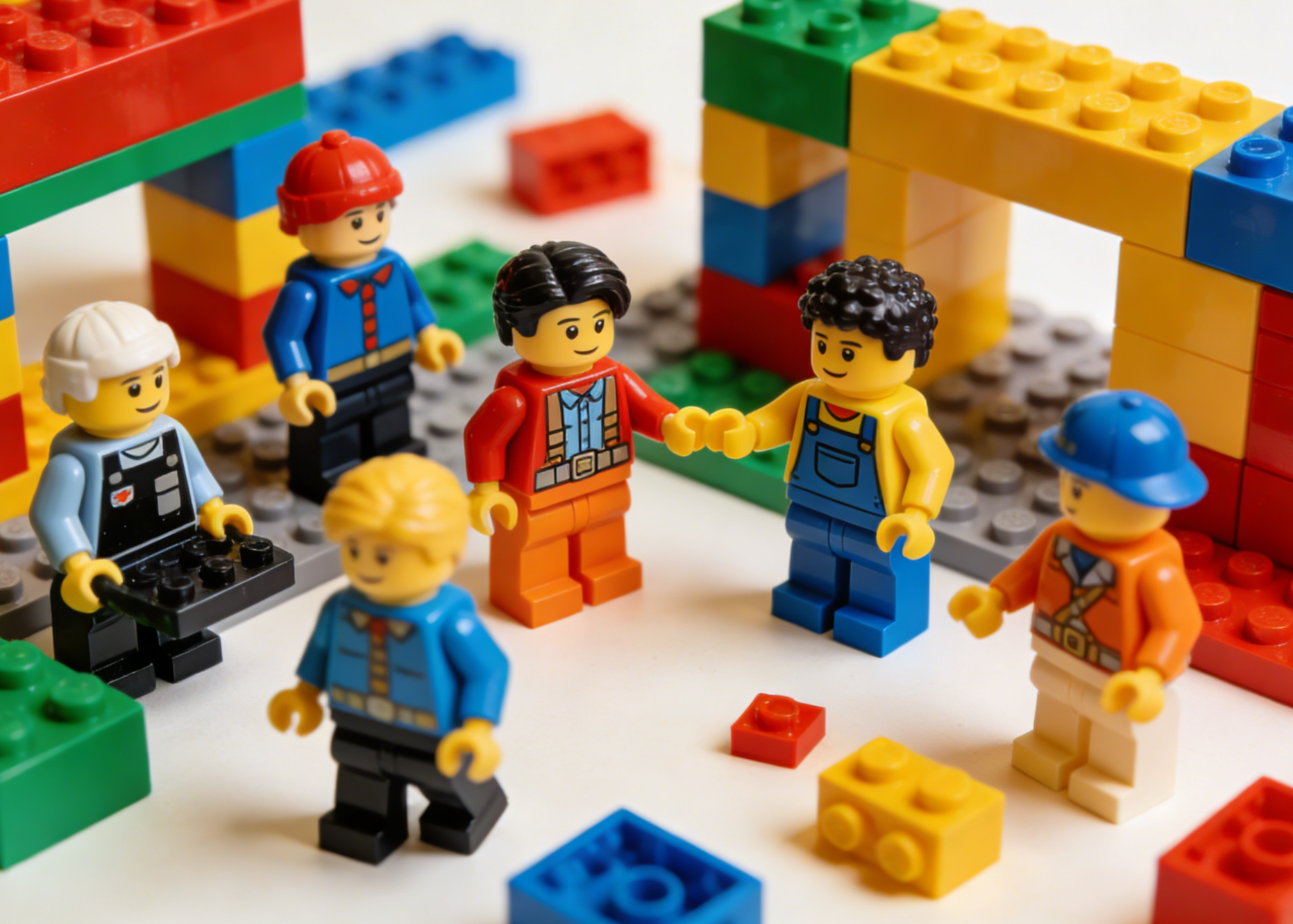
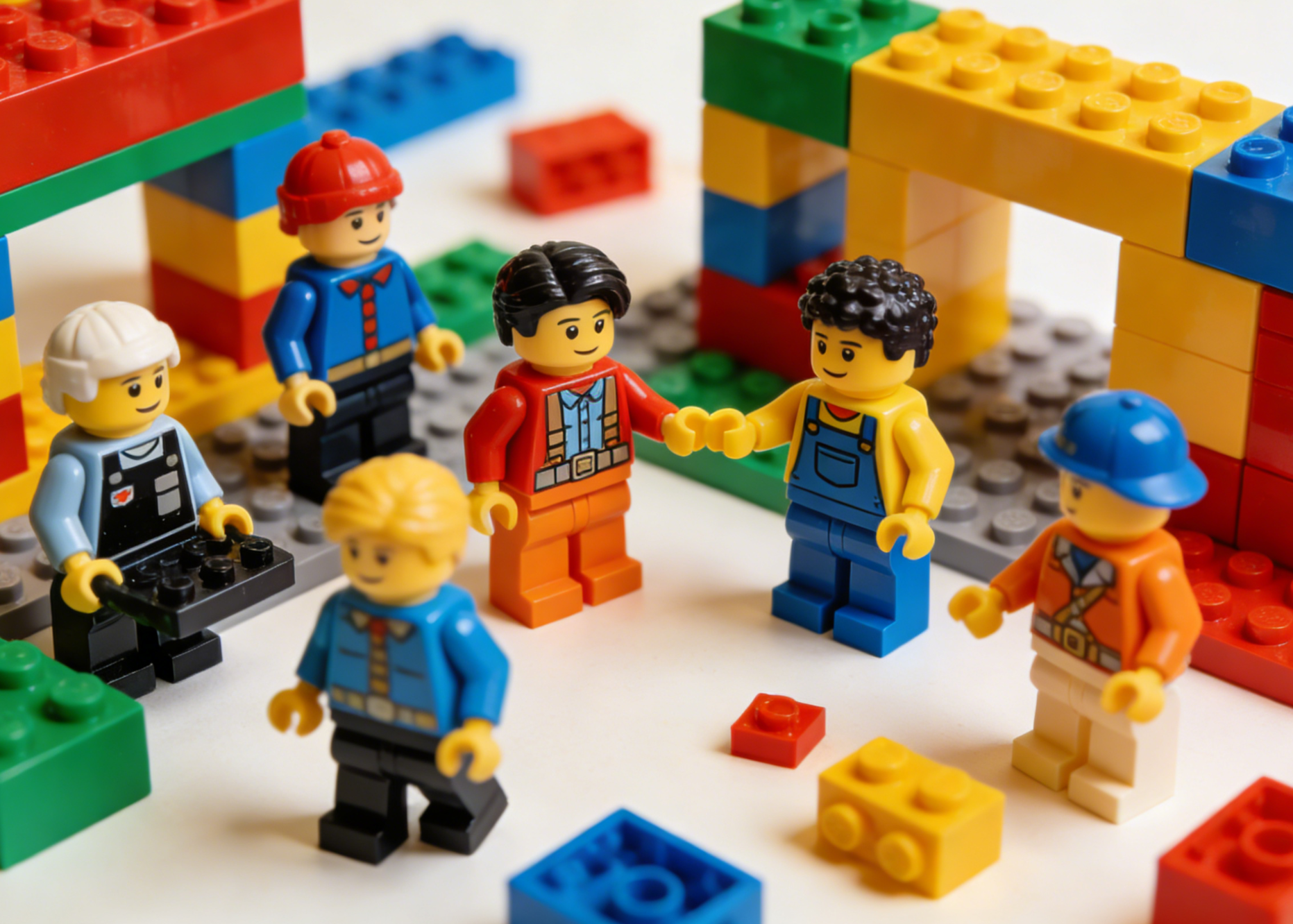
While often seen as solitary play, building blocks can also be a fantastic tool for social development. When children build together, they learn to share, negotiate, and collaborate. They might decide on a grand design as a team or take turns adding pieces to a shared structure. This interaction helps develop communication skills, empathy, and the ability to work towards a common goal. Even in solitary play, the sense of accomplishment from completing a challenging build boosts self-esteem and resilience.
Types of Building Block Sets: Finding the Perfect Fit
The world of building blocks is incredibly diverse. Understanding the different types available will help you narrow down the best building block sets for young kids based on their age, interests, and developmental stage.
Classic Wooden Blocks
Wooden blocks are a timeless classic for a reason. They are durable, tactile, and often beautifully crafted. Their simple, geometric shapes encourage open-ended play and imaginative construction. The weight and natural feel of wood provide a wonderful sensory experience.
- Pros: Extremely durable, eco-friendly (if sustainably sourced), excellent for sensory development, fosters an understanding of balance and gravity.
- Cons: Can be heavy, may not connect easily, limited interlocking capability.
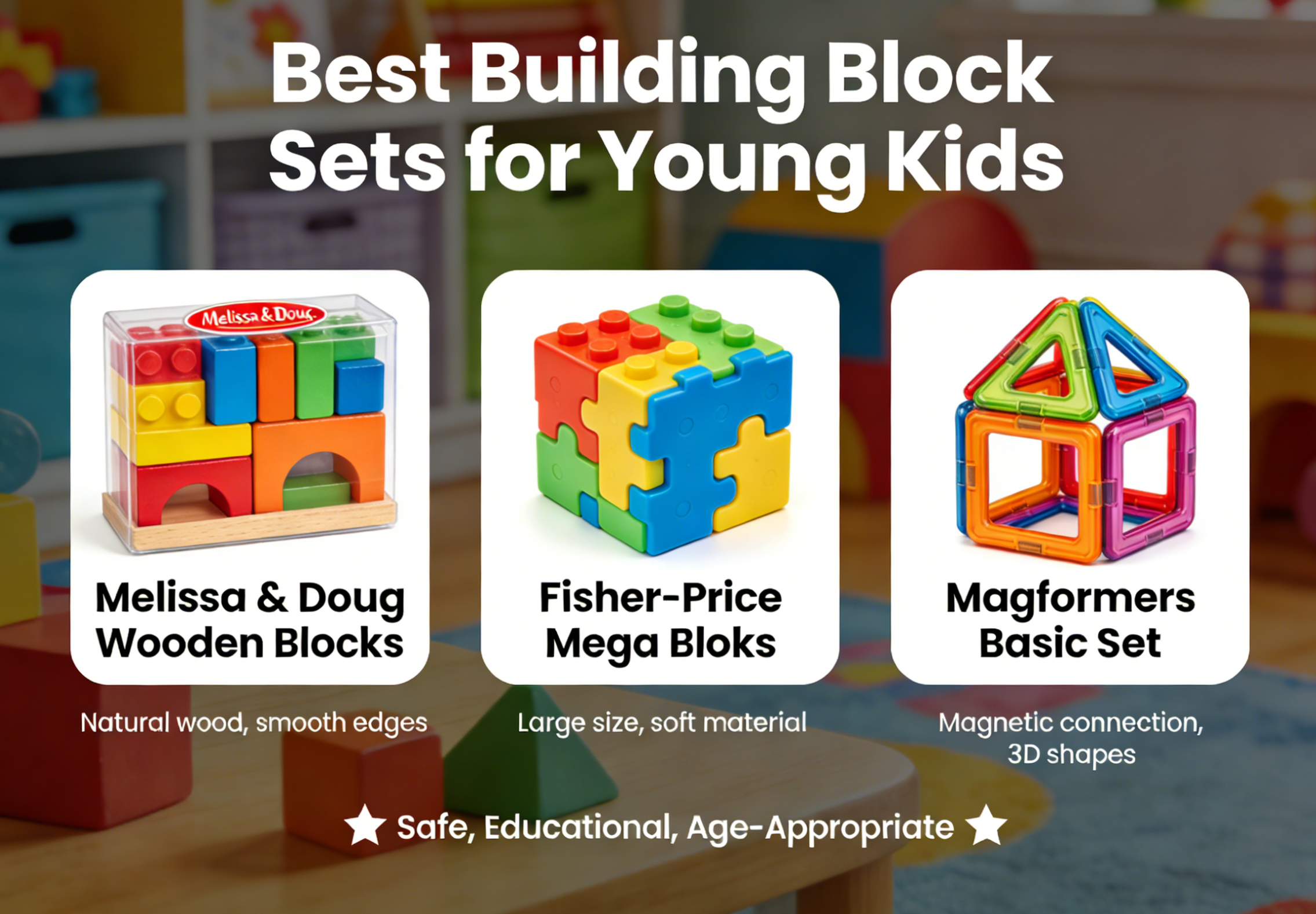
- Best For: Toddlers and preschoolers (1-5 years) who are developing basic stacking skills and exploring shapes and sizes. Brands like Melissa & Doug are popular for their high-quality wooden sets.
Large Interlocking Plastic Blocks (e.g., LEGO DUPLO)
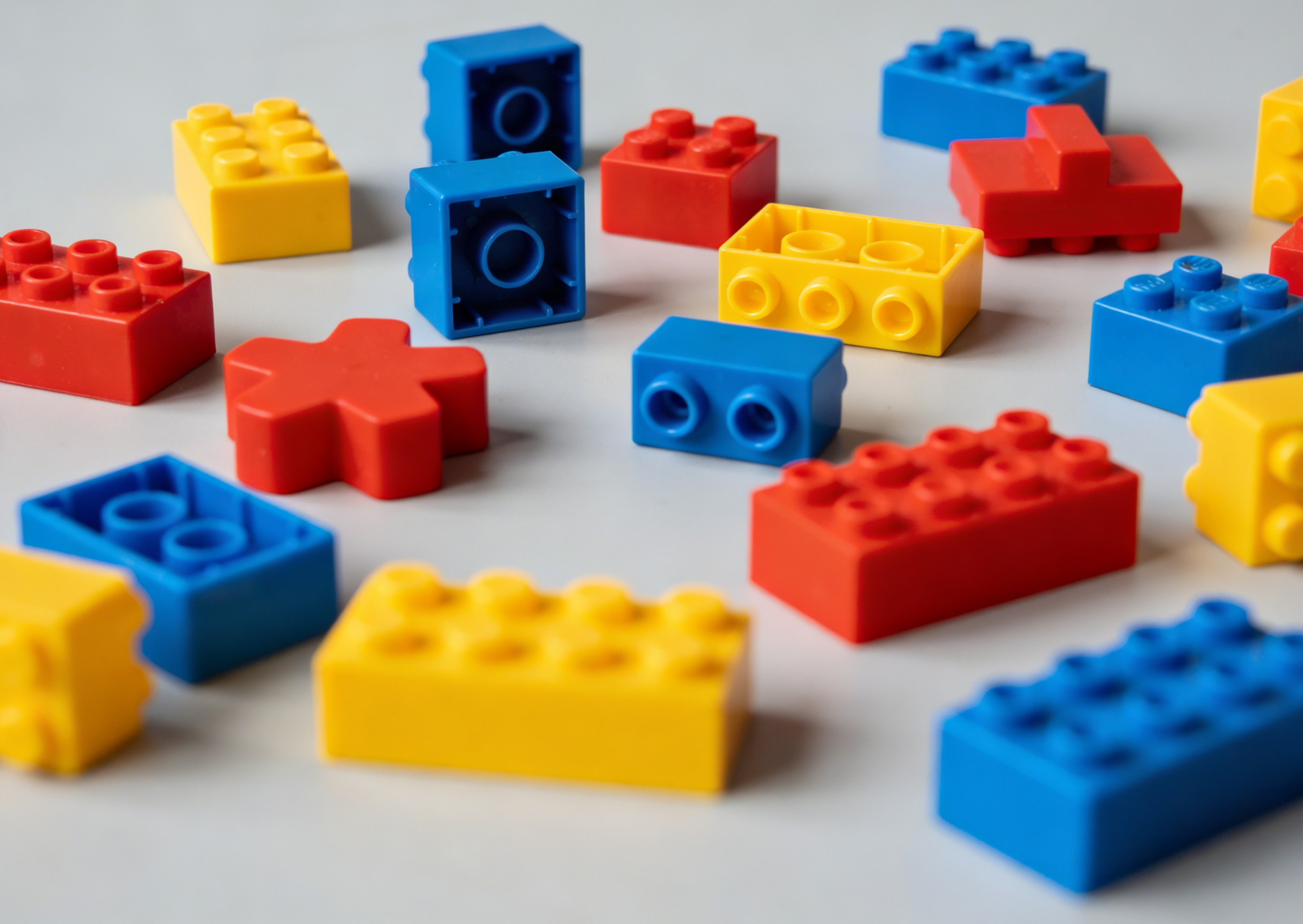
For younger children, large interlocking plastic blocks, most famously LEGO DUPLO, are incredibly popular. Their larger size makes them easy for small hands to grasp and manipulate, reducing frustration and making them a staple among the best building block sets for young kids. The interlocking mechanism allows for stable constructions, introducing children to the joy of building structures that stay together.
- Pros: Easy for small hands to hold and connect, durable, vibrant colors, encourages more complex structural building, compatible with other DUPLO sets.
- Cons: Cannot be as precisely shaped as wooden blocks, some children may outgrow DUPLO quickly when ready for smaller LEGO bricks.
- Best For: Toddlers and preschoolers (1.5-5 years) transitioning from basic stacking to more complex model building and imaginative play.
Magnetic Building Tiles (e.g., Magna-Tiles, Connetix)
Magnetic tiles have soared in popularity for their unique ability to connect on all sides, allowing for incredibly diverse and often mind-boggling 3D creations. These transparent, colorful tiles use magnets embedded within their edges, making them easy for children to snap together and pull apart. They are fantastic for exploring geometry and light.
- Pros: Encourages 3D thinking, easy to connect and build complex structures quickly, great for exploring light and color, strong appeal for older preschoolers and early elementary children.
- Cons: Can be more expensive, pieces might slide depending on the strength of magnets.
- Best For: Preschoolers and early elementary children (3-8 years) who are ready for more advanced spatial reasoning and enjoy creating elaborate structures.
Soft Building Blocks
Perfect for the youngest builders, soft blocks are lightweight, squishy, and completely safe for babies and toddlers who are still exploring with their mouths. They’re often made from foam or fabric and come in various textures and colors.
- Pros: Safe for infants and very young toddlers, great for sensory exploration, no sharp edges, washable.
- Cons: Limited structural stability, primarily for stacking and knocking down rather than complex building.
- Best For: Infants and young toddlers (6 months – 2 years) who are just beginning to explore grasping, stacking, and cause-and-effect.
Key Factors to Consider When Choosing Building Block Sets
To ensure you pick the best building block sets for young kids, consider these important factors:
Age Appropriateness and Safety
This is paramount. Always check the manufacturer’s recommended age range. For children under three, avoid sets with small parts that could be a choking hazard. Look for blocks made from non-toxic, BPA-free materials. Edges should be smooth, and the blocks should be durable enough to withstand chewing and rough play without breaking.
Material and Durability
The material impacts the play experience and longevity. Wooden blocks are incredibly durable and can last for generations. High-quality plastic blocks like LEGO DUPLO are also very resilient. Consider how much wear and tear the blocks will endure and choose a material that can stand up to it.
Educational Value and Developmental Benefits
Think about what skills you want to foster. Do you want to encourage fine motor skills (e.g., DUPLO), spatial reasoning (e.g., magnetic tiles), or open-ended imaginative play (e.g., wooden blocks)? Many sets offer a blend of these benefits, but some excel in specific areas.
Interlocking vs. Non-Interlocking
Interlocking blocks (like LEGO DUPLO) allow children to build stable structures that don’t easily fall apart, which can be less frustrating for younger builders. Non-interlocking blocks (like classic wooden blocks) challenge children more with balance and gravity, fostering different problem-solving skills.
Storage and Cleanup
Let’s be real, tiny blocks everywhere can be a nightmare! Consider how easily the blocks can be stored and cleaned. Many sets come with storage bins or bags, which can be a huge bonus. Larger blocks are generally easier to pick up than smaller ones.
Cost and Value
Building block sets range widely in price. While it’s tempting to go for the cheapest option, remember that quality often correlates with durability and safety. Investing in a good quality set means it will last longer and provide a better play experience. Brands known for their excellence, such as those you can find curated at modelbuilderus, often offer better long-term value.
Top Recommendations for the Best Building Block Sets for Young Kids
Based on our criteria, here are some top recommendations for the best building block sets for young kids, popular in both the US and European markets:
For Infants & Young Toddlers (6 months – 2 years):
- Melissa & Doug Soft Stacking Blocks: These lightweight, fabric-covered foam blocks are perfect for first builders. They’re safe for mouthing, easy to grasp, and can be stacked and knocked down without any risk of injury. Great for sensory exploration and early motor skill development.
- B. toys by Battat One Two Squeeze Baby Blocks: Soft, chewable blocks with vibrant colors, numbers, animals, and textures. Excellent for sensory play, early counting, and fine motor skills.
For Toddlers & Preschoolers (2-4 years):
- LEGO DUPLO Classic Brick Box: An absolute staple. The large bricks are easy to hold and connect, allowing toddlers to build simple towers, houses, and vehicles. DUPLO encourages creativity, fine motor skills, and introduces early engineering concepts. There are also themed sets that come with figures and animals, increasing imaginative play possibilities. This is consistently among the best building block sets for young kids.
- Melissa & Doug Standard Unit Blocks: If you prefer classic wooden blocks, this set is fantastic. Made from solid wood, they are durable and encourage open-ended play focusing on balance, spatial reasoning, and creative construction.
- Bristle Blocks by Battat: These unique blocks feature soft, interlocking bristles, making them easy for little hands to connect at any angle. They offer a different tactile experience and encourage a different type of creative assembly.
For Preschoolers & Early Elementary (4-6 years):
- Magna-Tiles or Connetix Tiles: These magnetic tiles open up a new dimension of building. Children can create flat patterns or complex 3D structures like castles, rockets, and garages. They are excellent for spatial reasoning, creativity, and understanding geometric shapes. These are frequently cited as the best building block sets for young kids for their lasting appeal.
- Tegu Magnetic Wooden Blocks: Combining the classic appeal of wooden blocks with the magic of magnets, Tegu blocks offer a unique building experience. The embedded magnets allow for gravity-defying structures and provide a satisfying “click” as pieces connect. They encourage both artistic and engineering design.
- LEGO Classic Creative Brick Box: As children approach 4-5, they might be ready for smaller LEGO bricks. These sets offer a wide variety of pieces, colors, and building possibilities, fostering imagination and more intricate model design. They bridge the gap between DUPLO and more advanced LEGO themes.
Tips for Maximizing Playtime and Learning with Building Blocks
Simply providing blocks is a great start, but you can enhance the learning and fun even further:
- Encourage Open-Ended Play: Resist the urge to give too many instructions. Let your child lead the play. Ask open-ended questions like, “What are you making?” or “How can we make this taller?” rather than dictating what they should build.
- Integrate with Other Toys: Blocks can be combined with toy animals, cars, or dolls to create elaborate imaginative worlds. A block tower can become a castle for a princess, or a block bridge can transport toy cars.
- Talk About What They’re Building: Use descriptive language. “Wow, look at that tall, red tower!” “Which shape is that block?” “Your bridge is so long!” This helps with vocabulary development and reinforces concepts.
- Build Together (But Let Them Lead): Join in the fun! Building alongside your child can be a wonderful bonding experience. You can model new techniques, but always let them be the architect of their own creation.
- Introduce Challenges: Once they’ve mastered basic stacking, offer gentle challenges. “Can you build a tower as tall as you?” “Can you build a house for this teddy bear?” This pushes their problem-solving boundaries.
- Celebrate Their Creations: Praise their efforts and creativity, not just the finished product. Take photos, display their builds, and acknowledge the hard work they put in.
Where to Buy the Best Building Block Sets for Young Kids
You can find high-quality building block sets at a variety of retailers:
- Specialty Toy Stores: Often offer a curated selection of educational and durable toys.
- Large Retailers (e.g., Target, Walmart in the US; Argos, Smyths in Europe): Wide selection of popular brands like LEGO DUPLO.
- Online Marketplaces (e.g., Amazon, eBay): Offer convenience and a vast array of options, often with competitive pricing.
- Educational Toy Websites: Sites dedicated to learning toys, such as modelbuilderus, often have unique and high-quality selections, including some of the best building block sets for young kids.
Always compare prices and read reviews before making a purchase to ensure you’re getting a safe, durable, and engaging product.
Conclusion
Choosing the best building block sets for young kids is an investment in their development, creativity, and countless hours of joyful play. From fostering fine motor skills and spatial reasoning to sparking imagination and encouraging problem-solving, blocks are truly foundational toys. Whether you opt for the classic simplicity of wooden blocks, the interlocking fun of LEGO DUPLO, or the intriguing possibilities of magnetic tiles, remember to prioritize age-appropriateness, safety, and the potential for open-ended play. By considering the factors outlined in this guide, you can select sets that will not only entertain but also significantly contribute to your child’s growth and learning journey. Explore the fantastic options available, perhaps even discovering new favorites through resources like modelbuilderus, and watch as your little ones build their way to a brighter future.
Frequently Asked Questions (FAQ)
What age range are building blocks suitable for?
Building blocks are generally suitable for children from 6 months up to elementary school ages, though specific sets are designed for different developmental stages. Always check the manufacturer’s recommended age range.
How do building blocks help with child development?
Building blocks foster fine motor skills, hand-eye coordination, problem-solving, spatial reasoning, creativity, and even early math and engineering concepts through hands-on play.
Are wooden or plastic blocks better for young kids?
Both wooden and plastic blocks offer unique benefits. Wooden blocks are durable, eco-friendly, and often offer a tactile experience. Plastic blocks, like LEGO DUPLO, are lightweight, easily connectable, and come in vibrant colors. The ‘better’ choice depends on individual preferences and developmental goals.
What safety features should I look for in building block sets?
Look for blocks made from non-toxic, BPA-free materials. Ensure there are no small parts that could pose a choking hazard for children under three. Blocks should also have smooth edges and no sharp points.
Where can I find high-quality building block sets?
High-quality building block sets can be found at reputable toy stores, online retailers like Amazon, and specialized hobby shops. Brands such as LEGO DUPLO, Magna-Tiles, and Melissa & Doug are widely available. You can also explore options at modelbuilderus for unique selections.