
Building Dreams: The Ultimate Guide to Brick Model Railroader Kits
The allure of miniature worlds has captivated hobbyists for centuries, and model railroading stands as one of its most enduring forms. For those who relish both mechanical precision and creative construction, the emergence of brick model railroader kits has opened up an entirely new dimension of possibility. Combining the intricate detail of model trains with the boundless creativity of interlocking bricks, these kits offer a uniquely satisfying building experience. Whether you’re a seasoned model railroader looking for a new challenge or a brick enthusiast eager to explore the world of trains, this guide will navigate you through everything you need to know, from understanding the basics to building your own epic railway empire. Companies like modelbuilderus are at the forefront, providing exceptional kits that cater to both the US and European markets, making this fascinating hobby accessible to a wide audience.
The Evolution of Model Railroading with Bricks
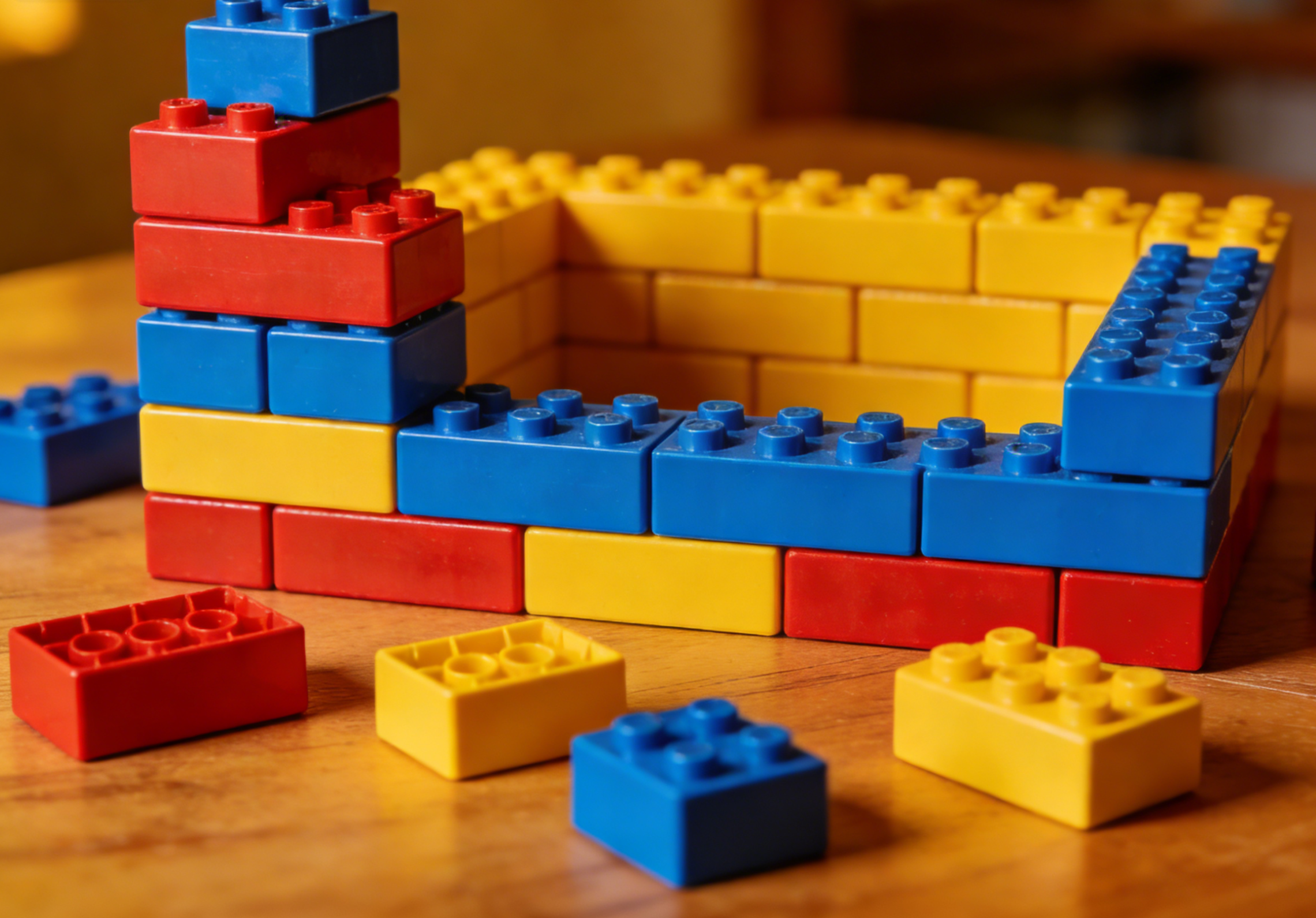
Model railroading has a rich history, traditionally involving complex soldering, detailed painting, and meticulous assembly of often delicate components. While this remains a cherished aspect for many, the introduction of interlocking bricks into the hobby has democratized the experience. What began as simple toy trains has evolved into sophisticated, scale-accurate models capable of running on electric tracks. This evolution has fostered a vibrant community of builders who appreciate the flexibility and rebuildability that bricks offer.
Why Choose Brick Model Railroader Kits?
The appeal of brick model railroader kits lies in several key advantages:
- Versatility and Customization: Unlike traditional fixed-part models, bricks allow for endless modifications. Builders can easily customize existing designs, experiment with different color schemes, or even design entirely new locomotives and rolling stock from scratch. This modularity means mistakes are easily corrected, and layouts can be reconfigured with minimal effort.
- Durability: Brick-built models are generally more robust than their traditional counterparts, making them suitable for handling and even play, particularly by younger enthusiasts. This durability also translates to easier transport and storage.
- Accessibility: The intuitive nature of interlocking bricks makes these kits accessible to a broader audience, including those new to model railroading. The learning curve is gentler, and the tools required are minimal.
- Community and Innovation: A thriving global community shares designs, tips, and techniques. This collaborative spirit drives innovation, leading to increasingly realistic and functional modelbuilderus creations.
Understanding Scales and Compatibility
When diving into brick model railroader kits, understanding scale is important, though it differs slightly from traditional model railroading. Most brick train systems are designed around a scale that accommodates standard minifigures, often referred to as “minifig scale.” While not a precise engineering scale like HO (1:87) or N (1:160), it provides a consistent aesthetic. Track gauges are typically standardized within brick systems, allowing for interoperability between different train sets and custom builds.
For example, popular brick systems often use a track gauge that is 6 or 8 studs wide, which translates to approximately 1:38 or 1:45 scale for many prototype trains, enabling builders to create models that look proportionate to the characters and environment. Always check the specifications of any kit or track system to ensure compatibility, especially if you plan to mix components from different manufacturers or custom builders.
Key Components of a Brick Model Railroad
A complete brick model railroad system comprises several essential components:
Locomotives
The heart of any railway, brick locomotives come in myriad designs, from classic steam engines to modern diesels and electric trains. Kits often provide detailed instructions for building intricate mechanisms, including connecting rods for steam engines or bogies for diesel locomotives. Power functions, such as motors, battery boxes, and remote control receivers, are integrated to bring these models to life. Many advanced builders even incorporate sound modules for added realism.
Rolling Stock
This includes all the wagons, carriages, and special-purpose cars that run behind the locomotive. Freight cars can range from open wagons and flatbeds to tank cars and covered hoppers. Passenger cars vary from simple coaches to luxurious dining cars. Building rolling stock allows for immense creativity in design and functionality, with custom interiors and opening doors being popular features.
Track Systems
The foundation of your railway, brick tracks are modular and easy to assemble. They include straight sections, curves, points (switches), and flexible tracks to create complex layouts. Compatibility is key here; ensure your track pieces are from a system that works with your trains. Track geometry influences the realism and operational capacity of your layout, so planning is crucial.
Scenery and Structures
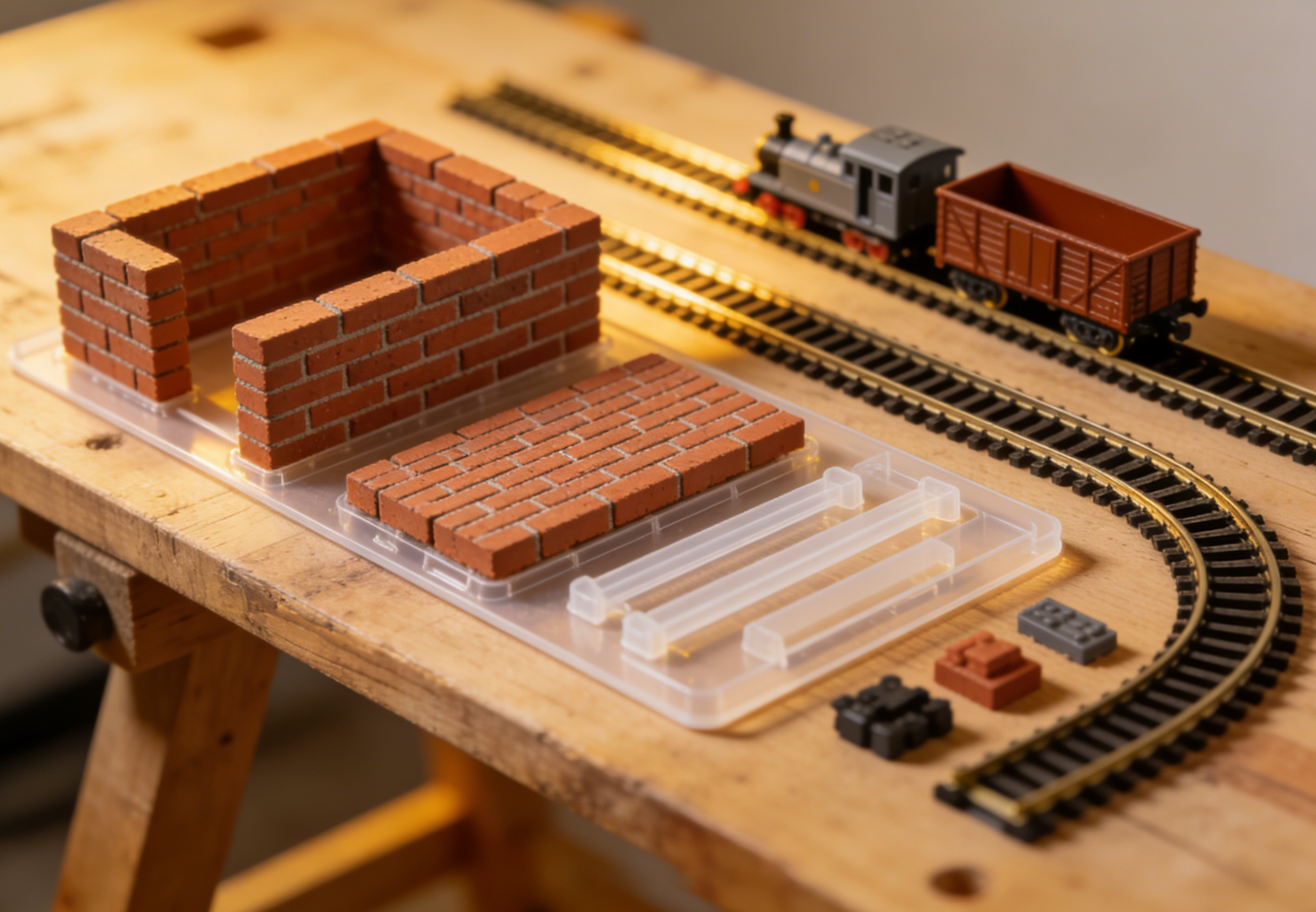
To truly bring your miniature world to life, scenery and structures are indispensable. This can include anything from stations and signal boxes to tunnels, bridges, trees, and entire townscapes. Brick building excels in creating detailed architectural elements and natural landscapes. These elements not only enhance visual appeal but also provide operational challenges and narrative possibilities for your railway.
Choosing the Right Brick Model Railroader Kit
With a growing market, selecting the right kit can be an enjoyable challenge. Consider the following factors:
- Skill Level: Are you a beginner, intermediate, or advanced builder? Kits are often rated by complexity. Beginners might start with simpler, smaller train models before tackling more elaborate locomotives or expansive layouts.
- Theme and Era: Do you prefer historical steam engines, modern high-speed trains, or industrial shunting locomotives? The era and theme will dictate the type of rolling stock and scenery you’ll want to build.
- Budget: Prices for brick model railroader kits vary widely, from affordable starter sets to premium, highly detailed collector’s items. Consider not just the initial cost of the kit but also potential expansions like additional tracks, power functions, or custom parts.
- Availability and Support: Look for kits from reputable sellers like modelbuilderus that provide clear instructions, good customer support, and readily available spare parts or expansion options. Ensure the kit is designed for the US or European market in terms of power compatibility if it includes electronics.
- Customization Potential: If you enjoy modifying models, look for kits that offer a good foundation for customization, either through alternative builds suggested by the community or by providing a robust base for your own designs.
Building Your Brick Model Railroad: Tips and Techniques
Embarking on building your brick model railroad is an exciting journey. Here are some tips:
- Follow Instructions Carefully: Especially for complex models, precise step-by-step guidance is invaluable. Pay attention to part orientation and connections to ensure structural integrity and smooth operation.
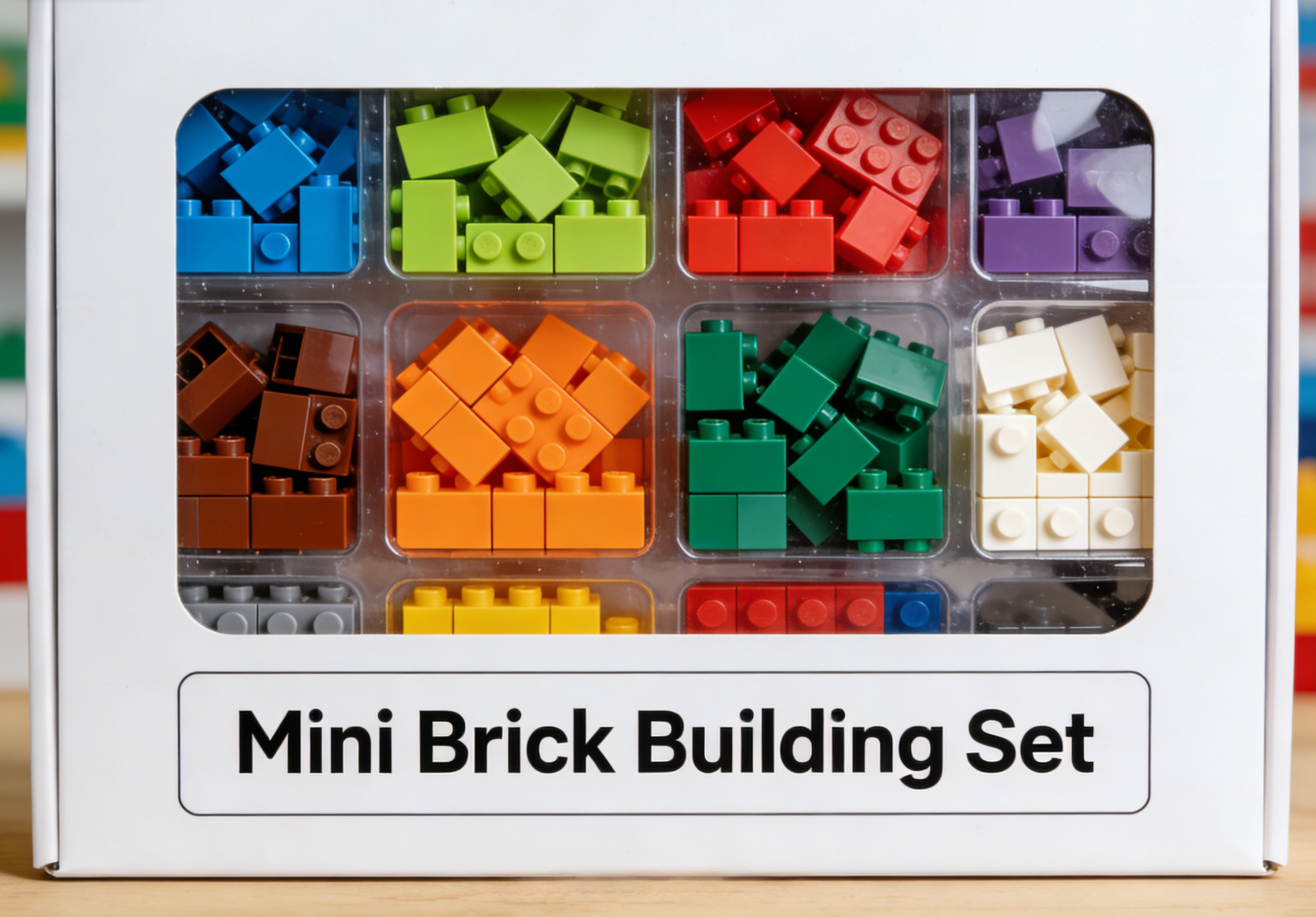
- Organize Your Parts: Before starting, sort your bricks by color, type, or size. This saves a tremendous amount of time and frustration during the build. Many builders use small trays or compartmentalized containers.
- Test as You Go: For locomotives with moving parts or power functions, test mechanisms incrementally. Ensure gears mesh correctly and wheels turn freely before proceeding to the next section. This helps in catching errors early.
- Think About Power: If your kit includes power functions, carefully follow wiring diagrams. Ensure battery boxes are accessible for changing batteries and motors are securely mounted.
- Plan Your Layout: Before laying tracks, sketch out your desired layout. Consider curves, gradients, and points. Think about how trains will move, where stations will be, and how scenery will be integrated. Platforms and accessible areas for maintenance are vital.
- Modular Construction: Build larger sections of your layout as modular units. This makes it easier to move, store, and modify your railway in the future. For example, build a train station as a separate module.brick model railroader kits often promote this approach.
- Detailing Matters: Small details bring a model to life. Consider adding minifigures, small accessories, lighting, or even custom printed tiles to enhance realism and storytelling.
Advanced Techniques for Enthusiasts
For those looking to push the boundaries of their brick model railroad, several advanced techniques can be explored:
- Custom Design and MOCs (My Own Creations): Using CAD software specifically designed for brick building, you can design your own unique locomotives, rolling stock, and structures. These designs can then be built using individual brick purchases.
- Advanced Power Functions: Explore third-party power systems or integrate more sophisticated electronics for enhanced control, sound effects, and lighting. Some systems allow for full automation of train movements.
- Weathering and Detailing: While bricks typically offer a clean look, advanced modelers can use techniques like subtle weathering with paints or dusting powders to give their models a more realistic, “used” appearance.
- Digital Tools: Utilize digital design tools and virtual building platforms to plan complex layouts and test designs before committing to physical bricks. This can be especially useful for large-scale projects.
- Community Engagement: Join online forums, attend conventions, and connect with other enthusiasts. The sharing of ideas and techniques within the community is a powerful catalyst for skill development.
The Community and Beyond
The world of brick model railroading is not just about building; it’s also about a vibrant, global community. Online forums, social media groups, and conventions serve as hubs where enthusiasts share their creations, exchange building tips, and celebrate their passion. Participating in this community can provide inspiration, technical advice, and a sense of camaraderie. Many community members actively review modelbuilderus products and share their builds.
For those in the US and Europe, brick model railroading provides an accessible and rewarding hobby. The flexibility of brick construction means that modelers of all ages and skill levels can find joy in designing, building, and operating their own miniature railways. Whether you prefer historical accuracy or fantastical creations, the brick system offers the versatility to bring any vision to life. The continuous innovation in brick technology and the supportive community mean that the hobby is always evolving, offering new challenges and creative opportunities.
Conclusion
Brick model railroader kits represent a fascinating fusion of classic model railroading precision and the boundless creativity of interlocking bricks. They offer an engaging and rewarding hobby for enthusiasts across the US and Europe, enabling the construction of miniature worlds that are as robust as they are intricate. From selecting the perfect kit to laying the final piece of scenery, the journey of building a brick railway is filled with learning, problem-solving, and immense satisfaction. With reputable suppliers like modelbuilderus offering a wide array of options and a thriving global community for support and inspiration, there has never been a better time to embark on your own brick model railroading adventure. So, grab your bricks, start your engines, and build the railway of your dreams!
Frequently Asked Questions (FAQ)
What are the primary benefits of choosing brick model railroader kits over traditional model trains?
Brick model railroader kits offer unparalleled flexibility for customization, allowing builders to easily modify designs, experiment with different layouts, and even create unique rolling stock or scenery. They are often more durable and forgiving for rebuilding, making them ideal for both beginners and experienced modelers. The modular nature of bricks also simplifies repairs and expansions.
Are brick model railroader kits suitable for beginners in model railroading?
Absolutely. Many brick model railroader kits come with detailed instructions, making them accessible for beginners. The interlocking brick system is intuitive, and unlike traditional model railroading, there’s less need for specialized tools or glues. It’s a great way to learn about railway mechanics and design in a fun, iterative manner.
Can I integrate custom-designed brick models with commercially available train sets?
Yes, one of the greatest advantages of brick model railroader kits is their compatibility. As long as you maintain consistent track gauges and ensure proper clearances, custom brick trains can operate seamlessly on most standard brick-gauge tracks and interact with other brick-built or even some traditional rolling stock, enhancing the diversity of your layout.
What scale are most brick model railroader kits, and is it consistent across manufacturers?
Most brick model railroader kits, particularly those based on popular interlocking brick systems, do not adhere to a strict uniform scale like traditional model railroading (e.g., HO, N, O). Instead, they typically operate on a ‘minifigure scale’ or a proportional representation that works well with the brick system. While there isn’t a single universal scale, manufacturers often produce components that are compatible within their own ecosystems, allowing for cohesive layouts. Enthusiasts often adapt designs to fit specific desired scales or track widths.
Where can I find reliable sources for high-quality brick model railroader kits and components?
For high-quality brick model railroader kits and components, leading online retailers specializing in brick building, independent custom kit designers, and dedicated hobby shops are excellent resources. Brands like modelbuilderus often offer a wide selection of kits, individual parts, and accessories tailored for enthusiasts in both the US and European markets. Checking forums and fan communities can also lead to recommendations for niche suppliers and custom builders.