
Echoes of the Empire: The Timeless Majesty of Chinese Drum and Bell Towers
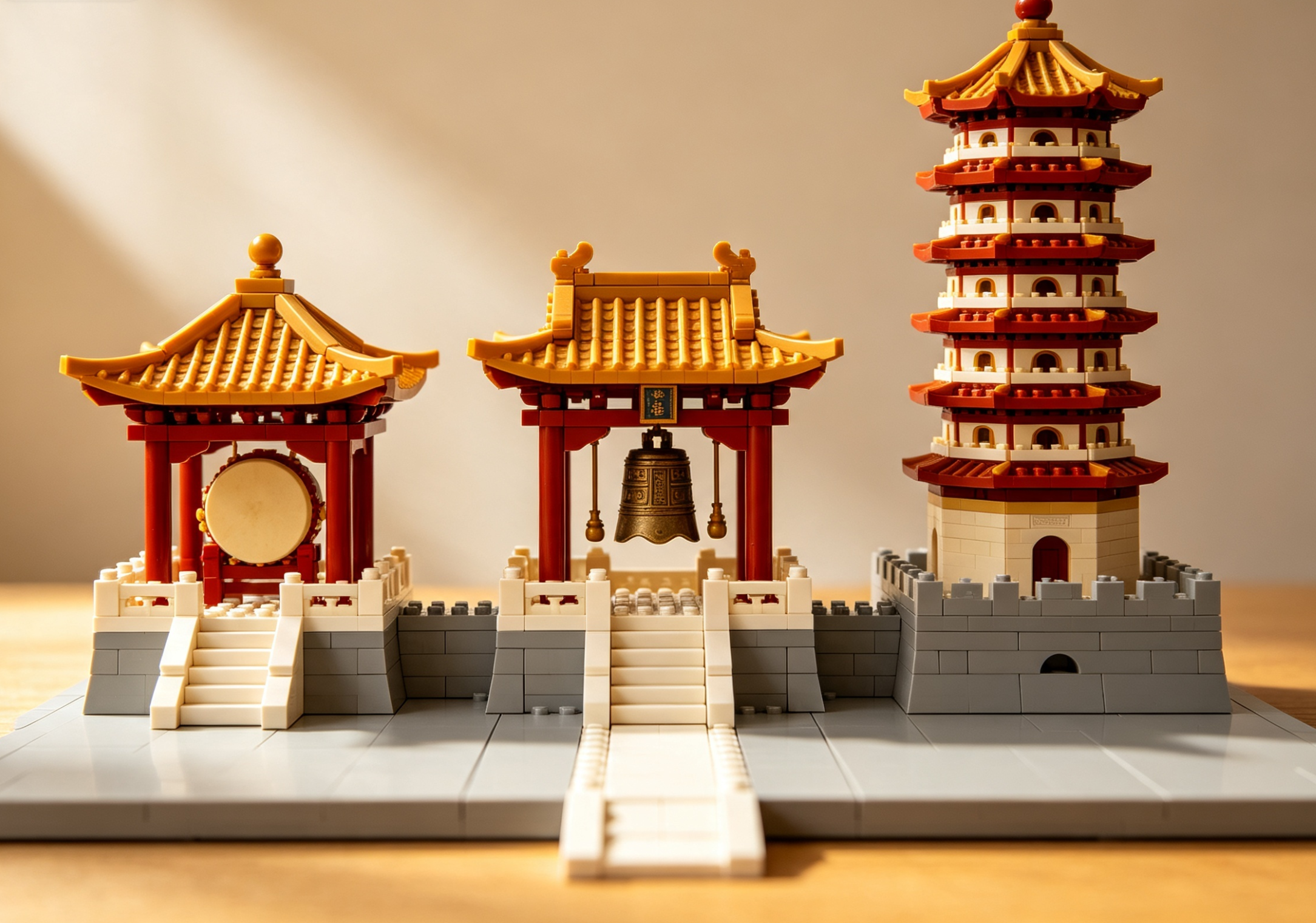
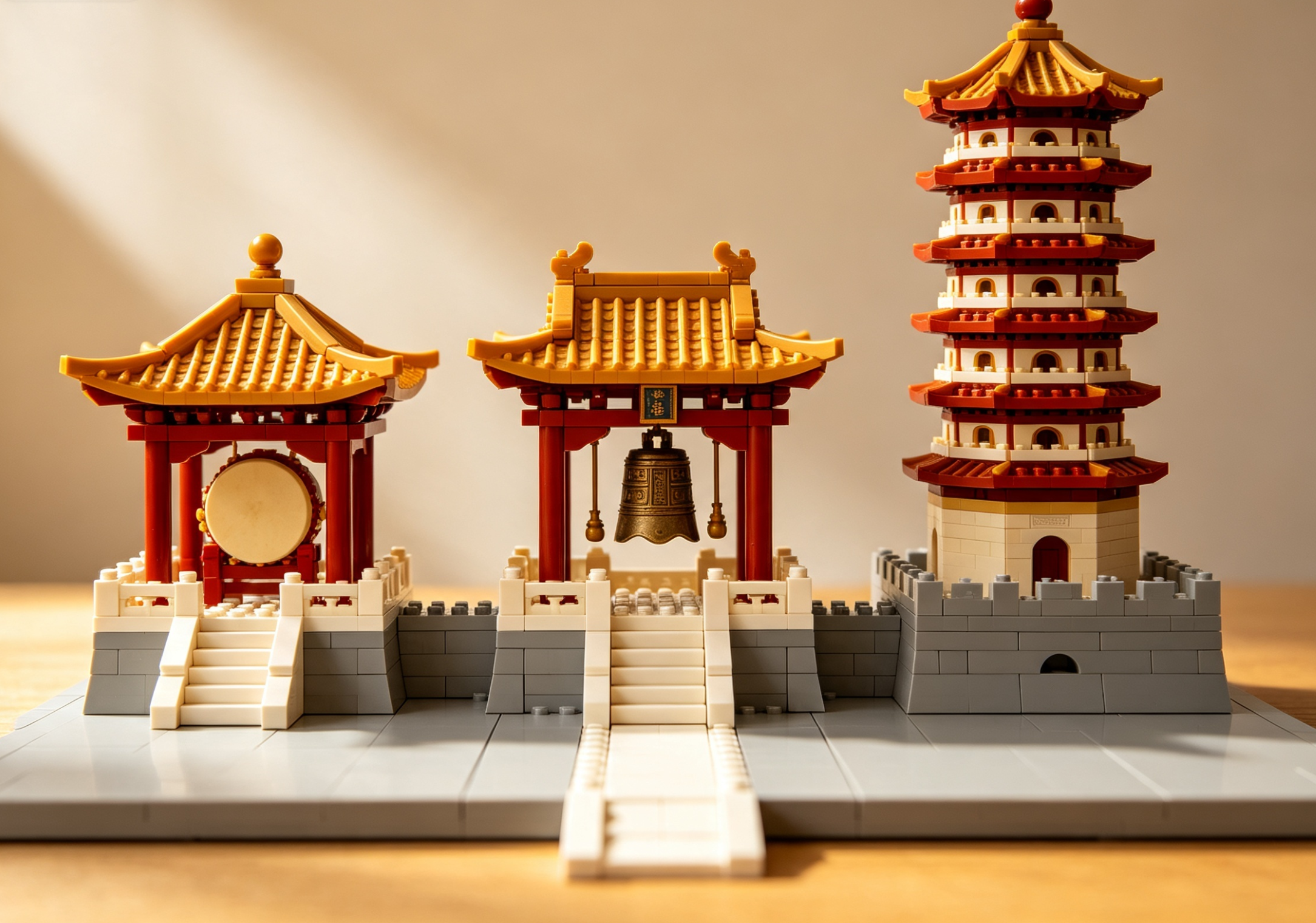
Imagine standing in the heart of an imperial Chinese city centuries ago. Long before the digital glow of smartphones and the chime of clocks, the rhythm of life was governed by a far more resonant sound: the deep boom of a drum and the clear peal of a massive bronze bell. These sounds emanated from two of the most important structures in the urban landscape—the Drum Tower and the Bell Tower. More than mere timekeepers, these magnificent edifices were symbols of imperial power, architectural ingenuity, and the cultural heartbeat of a nation. Today, the legacy of the Ancient drum pavilion and Traditional bell pavilion continues to captivate historians, architects, and enthusiasts worldwide. The intricate beauty of these structures inspires many, with hobbyists from brands like modelbuilder recreating their majesty in stunning detail.
The Morning Peal: The Role of the Traditional Bell Pavilion
At the break of dawn, as the first rays of light pierced the morning mist, the day in an ancient Chinese city officially began with the ringing of a colossal bell. This sound originated from the Traditional bell pavilion (Zhonglou), a structure that was as significant as it was grand. Typically located at the geographical center of a city or along its primary north-south axis, the Bell Tower was a monumental announcement that the empire was awake and its gates were open for commerce, travel, and daily life.
The primary function of the Bell Tower was to signal the chenshi, or morning hours. Its powerful chimes would echo through the city’s streets and alleyways, a centralized and authoritative time signal for all citizens, from humble merchants to high-ranking officials. Architecturally, these towers were marvels of engineering. Often constructed on a massive square brick or stone base, the main structure was typically a multi-storied wooden pavilion with sweeping, ornate eaves covered in glazed tiles. The famous Xi’an Bell Tower, for example, stands as a premier example of this architectural form, a wooden giant that has presided over the city for over 600 years. The dedication to detail in these structures is something modern creators deeply appreciate, a quality reflected in today’s intricate building brick sets for adults.
Architectural Grandeur and Urban Planning
The placement of a Bell Tower was never arbitrary. It was a deliberate act of urban planning rooted in principles of Feng Shui and imperial cosmology. By occupying a central or commanding position, the tower symbolized the emperor’s control over time and space, reinforcing social order. Inside the tower’s upper chamber hung an enormous bronze bell, sometimes weighing several tons. The act of ringing this bell was a formal, ceremonial duty performed by designated guards, underscoring its importance in the civic and ritualistic life of the city.
The Evening Boom: The Significance of the Ancient Drum Pavilion
As the sun began to set, another powerful sound would roll across the city: the deep, resonant beat of a drum. This was the signal from the Ancient drum pavilion (Gulou), the Bell Tower’s nocturnal counterpart. If the bell announced the beginning of the day, the drum signaled its end. Its primary role was to announce the evening curfew, a practice that brought a close to public activities and secured the city for the night. The gates would be shut, and residents were expected to return to their homes.
Typically situated not far from the Bell Tower, often to the north, the Drum Tower formed a complementary pair with it, embodying the ancient Chinese concept of yin and yang. This relationship was famously summarized in the phrase “morning bell, evening drum” (chenzhong mugu). The Beijing Drum Tower, for instance, once housed 25 drums, with one main drum and 24 smaller ones representing the 24 solar terms of the traditional agricultural calendar. The sheer scale and precision involved in these structures are awe-inspiring. This appreciation for grand, purposeful construction is shared by hobbyists who enjoy assembling detailed military building block sets, which also require precision and a sense of scale.
A Sentinel of the Night
Beyond timekeeping, the drum tower often served as a watchtower. Its height provided a commanding view of the city, allowing guards to watch for fires or other disturbances during the night. The drum could be beaten in specific rhythms to warn of emergencies, making the Ancient drum pavilion an essential component of urban security. The immense drums themselves were works of art, typically made of wood and covered in stretched cowhide, capable of producing a sound that could travel for miles.
More Than Time: The Versatile Chinese Ceremonial Tower
While Bell and Drum Towers are the most famous examples, the broader category of the Chinese ceremonial tower encompasses a wide variety of structures with diverse functions. These towers were integral to the architectural language of China, serving not only practical purposes but also spiritual, commemorative, and aesthetic ones. Pagodas, for example, are a type of ceremonial tower derived from the Indian stupa, built to house religious relics or sacred texts. They are characterized by their odd number of tiered stories, with each level representing a step on the path to enlightenment.
Other ceremonial towers were built to commemorate important events, celebrate scholarly achievements (Wenfeng Pagodas), or enhance the Feng Shui of a landscape. What unifies every Chinese ceremonial tower is a distinct architectural philosophy. They are designed to be focal points, drawing the eye upward and creating a symbolic link between the earthly realm and the heavens. The passion for building such detailed historical structures is timeless, and today can be channeled through hobbies like assembling micro brick building sets that capture every minute detail. Whether it’s a historic tower or a modern vehicle, the joy of creation is universal, a sentiment shared by those building intricate car model building kits blocks brick.
Architectural Brilliance: Deconstructing the Design
The enduring beauty of these towers lies in their sophisticated construction techniques, developed over millennia. One of the most defining features is the dougong (斗拱), an interlocking wooden bracket system used to support the massive, heavy-tiled roofs. This ingenious method uses precisely cut pieces of wood that join together without nails or glue, distributing the roof’s weight to the building’s columns. Not only is the dougong system visually stunning, but it also provides a crucial degree of flexibility, allowing the structures to withstand earthquakes.
Materials were chosen for both durability and symbolic meaning. Sturdy timber formed the framework, massive stone blocks created the foundations, and brightly colored glazed tiles (often imperial yellow or green) protected the roofs while signifying status. Exploring these construction principles is a joy in itself, and modern click brick building sets offer a fun, accessible way to appreciate the logic of interlocking parts. For those looking to start their own building journey, there is a vast array of building brick sets for sale online, catering to every interest.
Preserving the Past, Inspiring the Future
Today, with the advent of modern timekeeping, the Bell and Drum Towers have retired from their official duties. However, their cultural and historical significance has only grown. Meticulously preserved and restored, they now stand as magnificent museums and iconic landmarks, drawing millions of visitors who come to marvel at their grandeur and imagine a bygone era. They are a testament to the ingenuity of ancient builders and the enduring power of cultural symbols.
This rich heritage continues to inspire people in the 21st century. The disciplined art of building is being rediscovered by a new generation of enthusiasts through engaging hobbies. The market for building block sets adults has flourished, offering complex and rewarding projects that echo the precision of ancient craftsmanship. From recreating a military brick building sets to assembling one of the best brick building sets on the market, the satisfaction of creating something tangible is immense. These activities offer a wonderful way to connect with history and art, a mission that the team at modelbuilder is passionate about. Engaging with complex building block sets for adults allows one to appreciate the genius behind structures like the Traditional bell pavilion on a whole new level.
Conclusion
The Ancient drum pavilion, Traditional bell pavilion, and Chinese ceremonial tower are far more than just relics of the past. They are the silent storytellers of imperial China, their soaring eaves and imposing forms narrating tales of order, spirituality, and immense architectural skill. They were the clocks and calendars of an empire, the guardians of its nights, and the symbols of its connection to the cosmos. As we admire their beauty today, we are reminded of a time when architecture was not just about shelter, but about shaping the very rhythm of society. Their legacy endures, not only in the skylines of cities like Beijing and Xi’an but also in the hearts and hands of those who, through hobbies promoted by brands like modelbuilder, continue to celebrate the timeless art of building.
Frequently Asked Questions (FAQ)
What is the main difference between a Bell Tower and a Drum Tower in China?
The main difference lies in their function and the time of day they were used. The Traditional Bell Pavilion would ring a large bronze bell at dawn to signal the opening of the city gates and the start of the day. Conversely, the Ancient Drum Pavilion would beat a large drum at dusk to mark the curfew and the closing of the gates.
Are these ancient towers still used for timekeeping today?
No, their original timekeeping function became obsolete with the advent of modern clocks. Today, these towers are primarily preserved as historical monuments and popular tourist attractions. Some may feature bell or drum performances for ceremonial or cultural purposes, but they no longer govern the daily schedule of the city.
What makes the architecture of a Chinese ceremonial tower so unique?
The architecture of a Chinese ceremonial tower is unique due to several key features. These include the intricate ‘dougong’ bracket system that supports the roof without nails, the use of multi-tiered, gracefully curved eaves, and vibrant glazed tiles. The designs are rich with symbolism, reflecting philosophical concepts like the connection between heaven and earth.
Can I visit famous Drum and Bell Towers in China?
Absolutely. Many of China’s most famous Drum and Bell Towers are well-preserved and open to the public. The Bell and Drum Towers in Xi’an and Beijing are among the most magnificent and accessible examples, offering visitors a chance to climb the structures and see the massive instruments up close.