
The Ultimate Guide to Duplo Building Block Sets: Why They Are Perfect for Early Development
Welcome to the wonderful world of early childhood construction! If you are a parent, grandparent, or educator, you have likely encountered the chunky, colorful, and incredibly durable duplo building block sets. These sets have been a staple in playrooms across the United States and Europe for decades, and for good reason. At modelbuilder, we believe that the journey of a thousand models begins with a single, oversized brick. In this guide, we will dive deep into why these sets are the ultimate choice for toddlers and how they pave the way for a lifetime of creativity.
Why Duplo is the Gold Standard for Toddlers
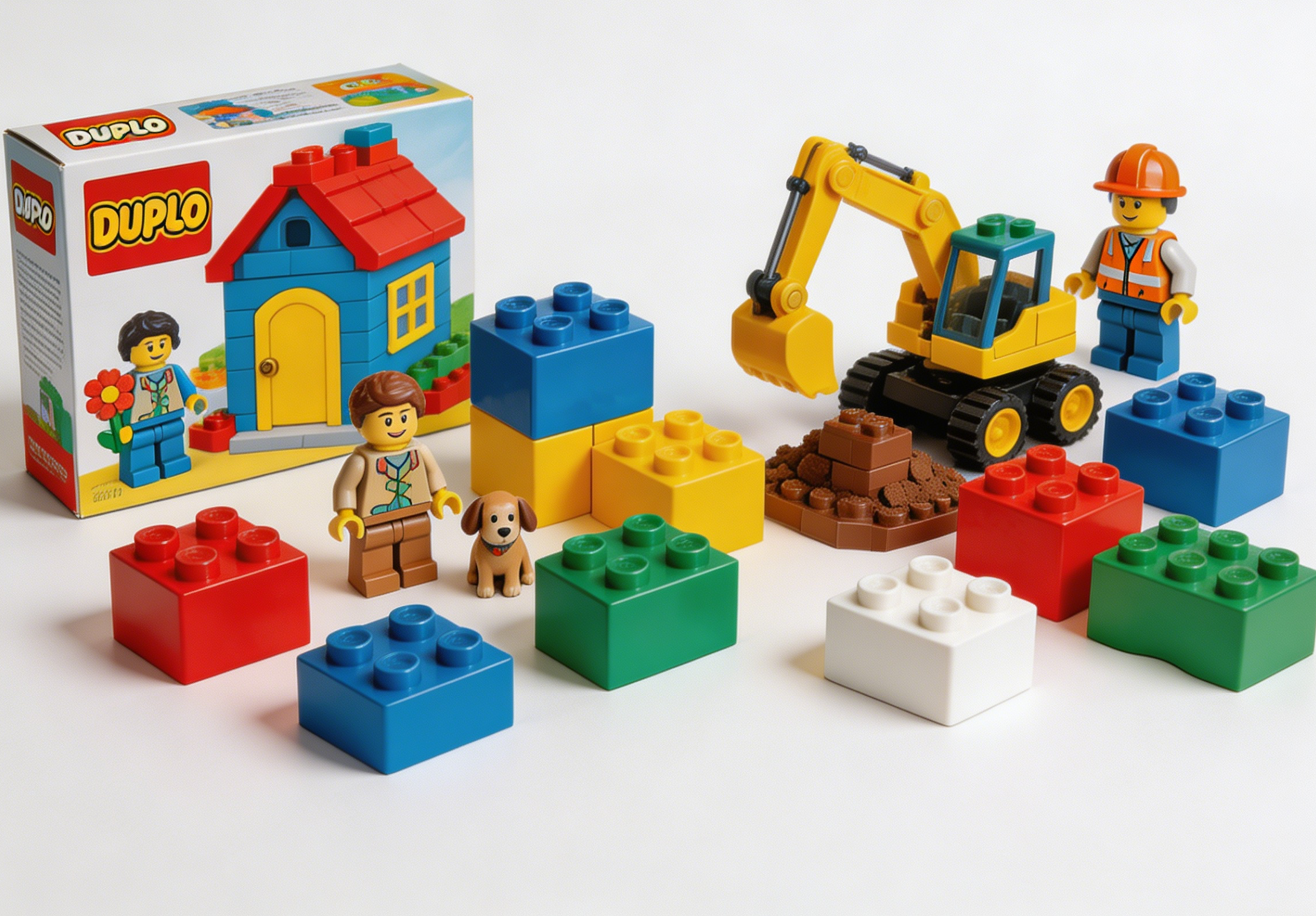
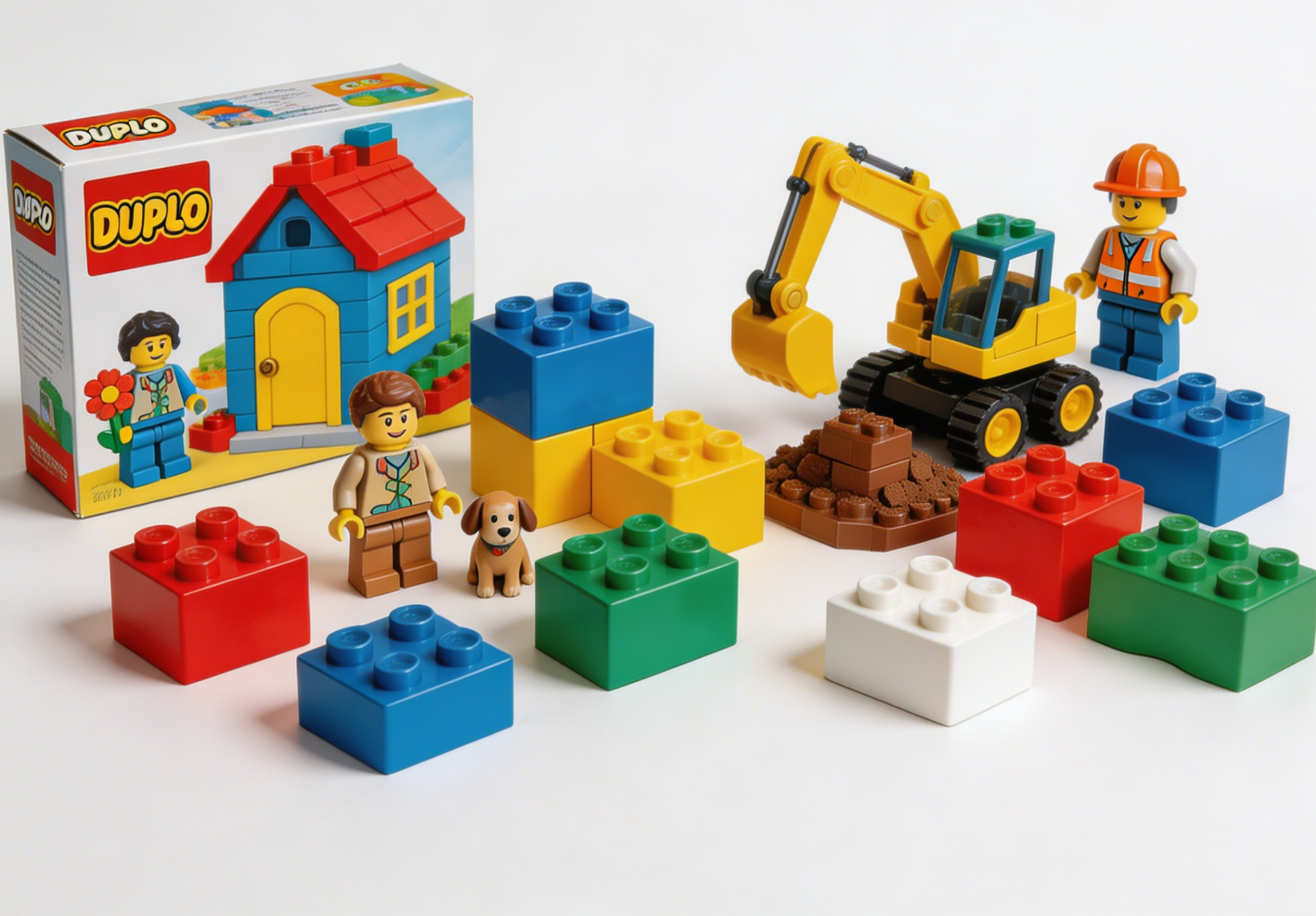
When it comes to toys for children aged 18 months to 5 years, safety and usability are the top priorities. duplo building block sets are specifically engineered to be twice the size of standard bricks, making them impossible to swallow and easy for tiny hands to manipulate. This “chunky” design is not just about safety; it is about empowering a child to succeed. When a toddler successfully snaps two blocks together, they experience a surge of confidence that fuels further exploration.
For many families, these sets represent the first step into the world of construction. While older kids might look for top-rated building block sets for beginners 2026, toddlers need something that matches their current physical capabilities. The clutch power of these blocks is calibrated perfectly—strong enough to hold a tower together, but gentle enough for a two-year-old to pull apart without frustration.
Developmental Benefits of Building Play
Building is more than just fun; it is a full-brain workout. When children engage with duplo building block sets, they are developing critical skills that will serve them well in school and beyond. Let’s break down the primary areas of growth fostered by these iconic toys.
Fine Motor Skill Enhancement
Picking up a brick, aligning it with the studs below, and pressing down requires significant hand-eye coordination. These repetitive motions strengthen the small muscles in the hands and fingers, which are the same muscles needed later for writing, using scissors, and buttoning clothes. Unlike smaller toy brick building sets, the larger scale of these blocks provides a more forgiving canvas for developing motor control.
Cognitive and Spatial Awareness
As children build, they are essentially learning basic physics and geometry. They learn about balance (why does my tower fall over?), symmetry, and spatial relationships. They begin to understand that two small square blocks equal one rectangular block. This foundational knowledge is the precursor to mathematical thinking. For parents who want to introduce more variety, mixing these blocks with picasso tiles 3d magnetic building block sets can offer a different perspective on how shapes connect and interact.
Exploring Popular Themes and Sets
One of the reasons these building sets remain so popular is the sheer variety of themes available. From bustling town squares to exotic animal sanctuaries, there is a set for every interest. Themes help children engage in “role-play,” which is vital for social and emotional development. By acting out scenarios with little figures, children learn empathy and communication.
For example, sets that feature houses and domestic life allow children to recreate their daily routines. These are often the first step toward more complex model brick house kits that they might enjoy as they get older. Whether it’s a fire station, a farm, or a construction site, these themed sets provide the “props” for a child’s imagination to take flight.
The Global Appeal: From Europe to Asia
Building blocks are a universal language. While the classic European design is well-known, many enthusiasts also look toward japanese building block sets for their unique aesthetic and precision. However, for the youngest builders, the simplicity and robustness of the classic large-scale brick remain unmatched. At modelbuilder, we see how these early experiences with duplo building block sets create a “building culture” in the home, where parents and children can bond over shared projects.
During the holiday season, these sets are often the most requested gifts. Special christmas building block sets featuring Santa, reindeer, and snowy scenes add a touch of magic to the living room. They are durable enough to be passed down through generations, making them a sustainable choice for eco-conscious families in the US and Europe.
Transitioning to Advanced Building
Eventually, every child outgrows their first blocks. The transition usually happens around age five or six, when their fine motor skills are sharp enough to handle smaller pieces. This is an exciting time because the world of building expands exponentially. They might move on to the best adult building block sets (with parental help, of course!) or start exploring complex architectural replicas.
For those who find a lifelong passion in this hobby, the journey might lead to large building block sets for adults, which offer thousands of pieces and intricate details. It all starts with that first chunky brick. Knowing the best brick building sets for each age group ensures that the challenge always matches the child’s skill level, preventing boredom or frustration.
Creative Freedom and “MOC” Building
While themed sets are great, “open-ended” play is where the real magic happens. This is often referred to in the community as “MOC” (My Own Creation). Even toddlers can participate in this! By providing a large bin of loose bricks, you encourage your child to build without instructions. This type of play is the foundation for later exploring moc building block sets, where builders design their own unique models from scratch.
Encouraging a child to build a “monster,” a “spaceship,” or a “flower” out of random bricks teaches them that there are no wrong answers in creativity. This freedom is essential for developing problem-solving skills and an innovative mindset.
How to Maintain and Store Your Bricks
To keep your collection in top shape, regular maintenance is key. Since toddlers often put toys in their mouths, keeping the blocks clean is a health priority. Most plastic blocks can be washed in a basin of warm, soapy water. Avoid high heat, as it can warp the plastic and affect how the bricks snap together. Storage is also vital—using clear bins allows children to see what they have, making it easier for them to start a new project independently.
Conclusion
In conclusion, duplo building block sets are far more than just toys. They are developmental tools that bridge the gap between infancy and childhood, providing a safe and stimulating environment for growth. From improving fine motor skills to sparking the imagination, the benefits are endless. Whether you are looking for a birthday gift or a rainy-day activity, these sets are an investment in a child’s future. At modelbuilder, we are proud to support the next generation of creators, engineers, and dreamers. Happy building!
Frequently Asked Questions (FAQ)
At what age should a child start using duplo building block sets?
Most children can start playing with these sets around 18 months of age. At this stage, they begin to develop the “pincer grasp” and the strength required to push blocks together and pull them apart. Always supervise play to ensure safety, although the blocks are designed to be too large to be a choking hazard.
Are Duplo bricks compatible with standard building bricks?
Yes! One of the best features of these bricks is their “backward compatibility.” You can place standard-sized bricks on top of the larger studs. This allows children to continue using their favorite large blocks even as they begin to incorporate smaller, more detailed pieces into their builds.
How do I clean my building blocks?
The safest way to clean them is by hand. Use a soft cloth or sponge with warm water and a mild dish soap. Do not put them in the dishwasher or microwave, as the intense heat can damage the plastic and cause the bricks to lose their “clutch power.” Let them air dry completely before storing them back in their bins.
What is the best way to encourage a child who isn’t interested in building?
Try “parallel play.” Sit on the floor and start building something yourself without asking the child to join. Often, curiosity will take over, and they will want to see what you are doing. You can also incorporate other toys, like using the blocks to build a garage for their favorite toy cars or a house for their stuffed animals.