
Unlock Creativity and STEM Skills with Picasso Tiles 3D Magnetic Building Block Sets
In a world increasingly driven by innovation and technology, fostering a love for learning and problem-solving in children is more important than ever. Educational toys play a crucial role in this development, and among the most celebrated are picasso tiles 3d magnetic building block sets. These vibrant, versatile construction toys have captivated children and parents alike across the US and European markets, offering a unique blend of creative play and fundamental educational benefits. From developing fine motor skills in toddlers to exploring complex architectural concepts in older children, Picasso Tiles provide an open-ended platform for imaginative exploration.
At modelbuilderus, we understand the profound impact that high-quality, engaging toys can have on a child’s growth. We believe in toys that not only entertain but also educate, inspire, and encourage critical thinking. This comprehensive guide will delve deep into the world of Picasso Tiles, exploring their unique features, myriad developmental benefits, safety aspects, and tips for choosing the perfect set for your family. Whether you’re a parent, educator, or simply curious about these magnetic marvels, prepare to discover why they have become a cornerstone of modern educational play.
The Enduring Appeal of Picasso Tiles
The allure of picasso tiles 3d magnetic building block sets lies in their simplicity combined with endless possibilities. Unlike traditional building blocks that require intricate stacking or interlocks, magnetic tiles click together effortlessly, allowing for rapid construction and deconstruction. This intuitive design minimizes frustration and maximizes creative flow, making them accessible and enjoyable for a broad age range.
What Makes Them Unique? The Magic of Magnetic Connections
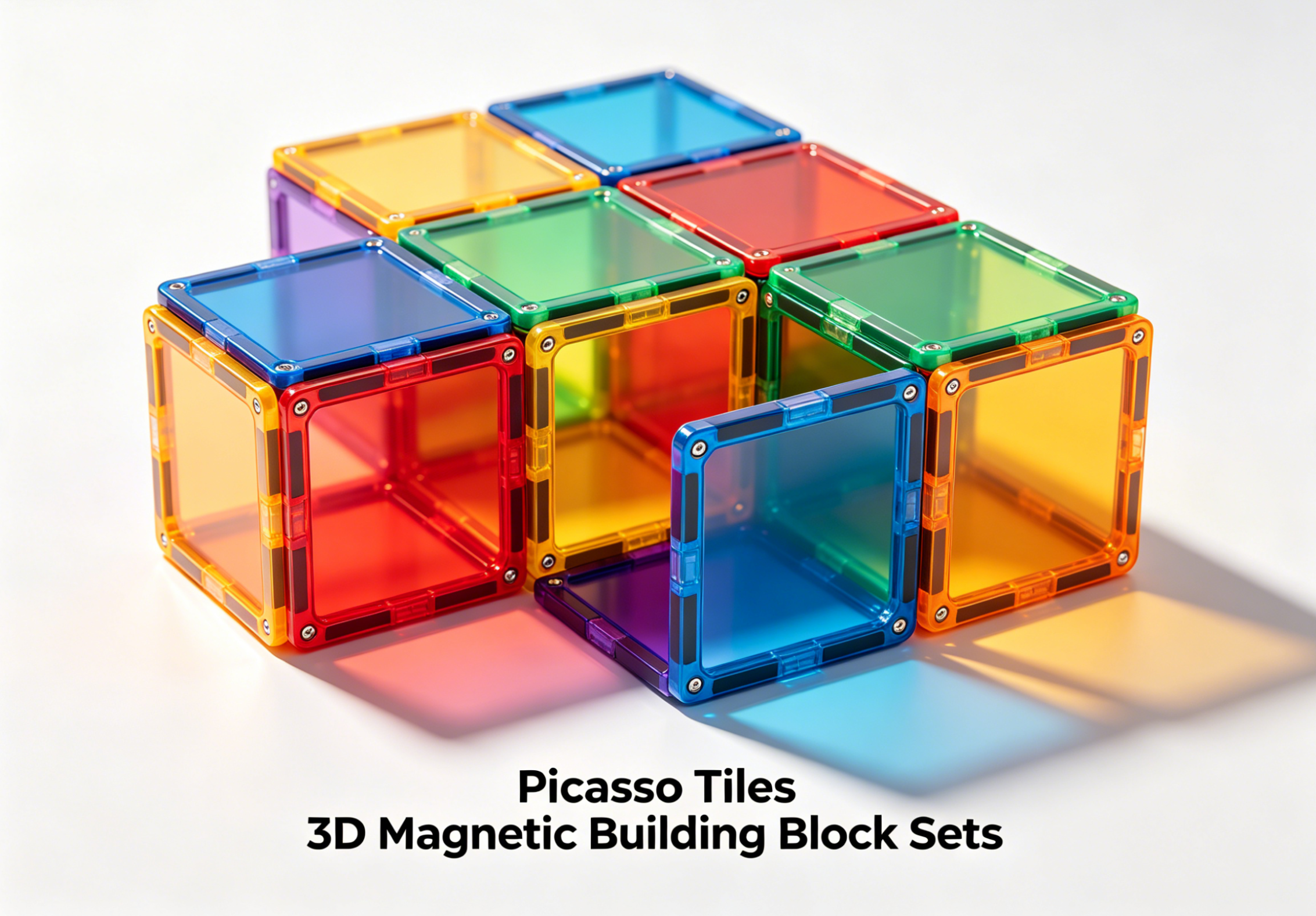
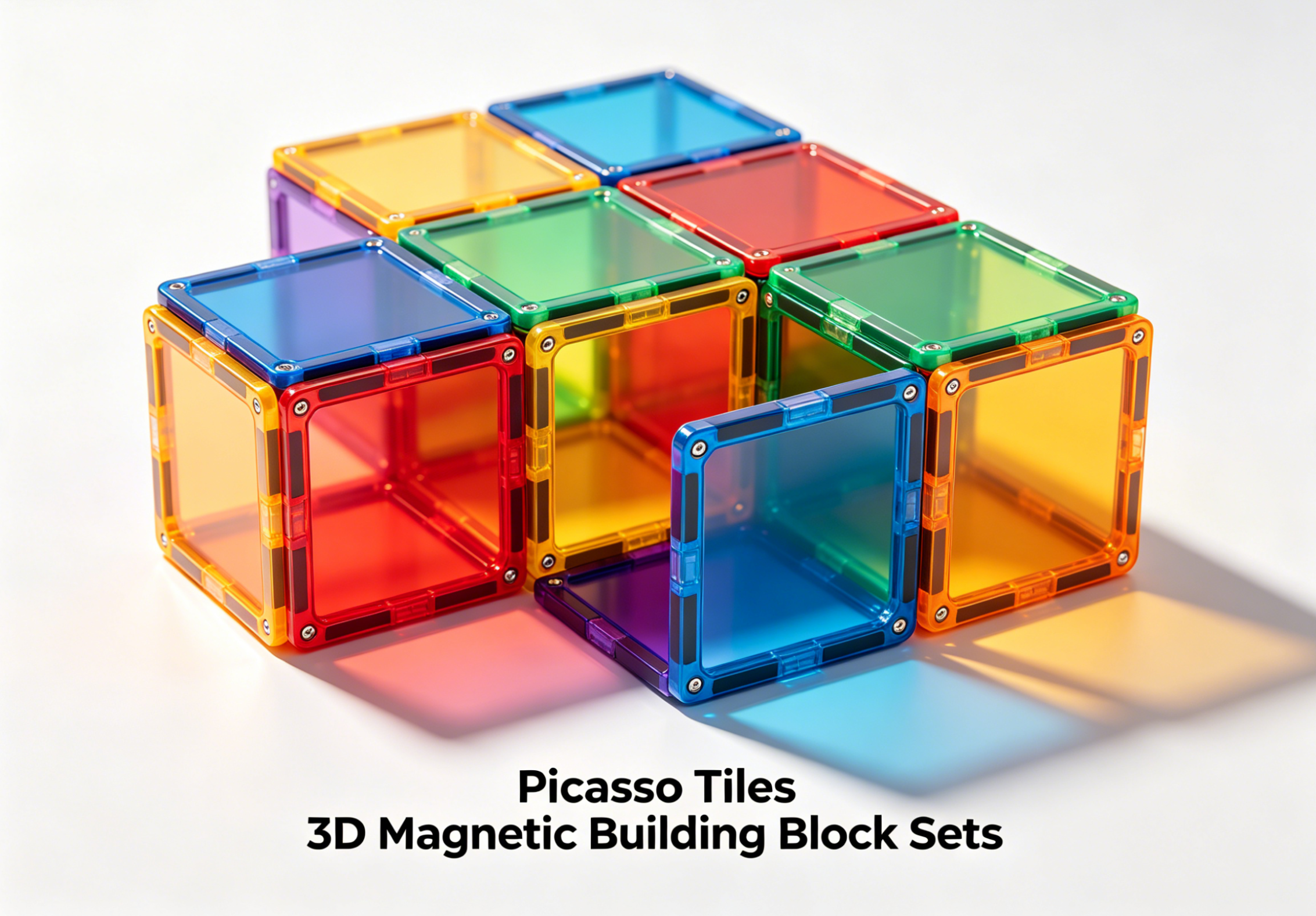
The core innovation behind Picasso Tiles is their use of strong, integrated magnets. Each tile, typically made from durable, translucent plastic, contains small magnets securely embedded along its edges. These magnets allow children to connect pieces on any side, forming flat 2D patterns or extending into magnificent 3D structures. The magnetic attraction provides instant gratification and stability, enabling children to build taller, wider, and more complex creations than they might with gravity-dependent blocks.
This magnetic principle introduces children to fundamental concepts of physics in a hands-on, playful manner. They naturally begin to understand magnetic forces, polarity, and structural integrity without even realizing they are engaging in scientific exploration. The vibrant colors and geometric shapes also add an aesthetic dimension, encouraging children to experiment with patterns, symmetry, and artistic design.
Beyond Simple Building: Educational Value
While often seen as mere toys, Picasso Tiles are powerful educational tools. They are frequently lauded by educators and parents for their ability to foster crucial skills in a fun and engaging way. The open-ended nature of these sets means there’s no single “right” way to play, promoting divergent thinking and problem-solving from an early age. This contrasts sharply with many modern toys that offer limited interactive options, making Picasso Tiles a refreshing alternative for sustained engagement and learning.
The tactile experience of manipulating the tiles, feeling the magnetic pull, and seeing their creations come to life provides immediate feedback and encourages iterative design. Children learn through trial and error, adjusting their structures, reinforcing weak points, and experimenting with different connections. This process is invaluable for developing resilience, patience, and a growth mindset – qualities that extend far beyond the playroom.
Unlocking Creativity and Cognitive Development
The benefits of engaging with picasso tiles 3d magnetic building block sets extend across numerous developmental domains. They are not just about building; they are about fostering a holistic growth experience that nurtures both the creative and logical aspects of a child’s mind.
Fostering STEM Skills: Science, Technology, Engineering, and Math
At the heart of Picasso Tiles’ educational appeal is their strong connection to STEM learning. Children are naturally inquisitive, and these tiles provide a perfect medium for exploring scientific and engineering principles:
- Science: Understanding magnetic forces, gravity, balance, and stability.
- Technology: While not digital, the precise nature of connections and structural design lays foundational understanding for technological systems.
- Engineering: Designing, constructing, and testing structures. Children learn about architectural principles, load-bearing capacities, and problem-solving through structural challenges.
- Mathematics: Recognizing and manipulating geometric shapes (squares, triangles, rectangles, trapezoids), understanding symmetry, patterns, fractions (when combining shapes), and spatial measurement. Counting pieces and planning builds also reinforces numerical literacy.
These hands-on experiences make abstract STEM concepts tangible and relatable, sparking curiosity and potentially inspiring future interests in these critical fields. Early exposure to such principles through play can make a significant difference in a child’s academic trajectory and future career choices.
Enhancing Spatial Reasoning and Problem-Solving
Building with magnetic tiles requires children to visualize how different shapes fit together in three-dimensional space. This process actively develops their spatial reasoning skills, which are crucial for subjects like geometry, physics, and even navigation. They learn to mentally rotate objects, predict outcomes, and plan their construction sequences.
When a structure collapses or doesn’t turn out as intended, children are presented with a problem to solve. They must analyze what went wrong, adapt their approach, and iterate on their design. This continuous cycle of planning, executing, evaluating, and revising is fundamental to developing robust problem-solving abilities that are transferable to all aspects of life.
Developing Fine Motor Skills and Hand-Eye Coordination
For younger children, simply picking up the tiles and connecting them helps refine their fine motor skills. The precision required to align the magnets, even though they snap together easily, encourages delicate hand movements and strengthens finger muscles. This dexterity is essential for tasks like writing, drawing, and self-care activities.
Furthermore, the act of connecting tiles and building structures improves hand-eye coordination. Children learn to accurately judge distances and movements, coordinating what their eyes see with what their hands do. This sensory-motor integration is vital for overall physical development and learning.
Encouraging Imaginative and Open-Ended Play
Perhaps one of the most delightful aspects of picasso tiles 3d magnetic building block sets is their capacity for imaginative and open-ended play. There are no instructions or pre-defined models, allowing children complete freedom to create anything their minds can conjure. A tower can become a castle, a space station, an animal enclosure, or an abstract sculpture. This freedom empowers children to be the architects of their own play scenarios, fostering creativity, narrative development, and role-playing.
This type of play is crucial for developing storytelling abilities, emotional intelligence (as they act out scenarios), and social skills when playing collaboratively. The limitless possibilities ensure that children remain engaged for extended periods, returning to their sets again and again with fresh ideas and new challenges.
A Closer Look at Picasso Tiles 3D Magnetic Building Block Sets
Understanding the components and characteristics of these sets is key to appreciating their quality and potential. Picasso Tiles are renowned for certain features that set them apart in the magnetic tile market.
Diverse Shapes and Colors
A typical Picasso Tiles set includes a variety of geometric shapes such as squares (both small and large), equilateral triangles, right triangles, isosceles triangles, and sometimes rectangles, trapezoids, or even wheelbases for building vehicles. This diversity allows for a vast array of structural possibilities, from simple flat mosaics to complex architectural models. The vibrant, translucent colors enhance visual appeal and allow for interesting light play when held up to a window or light source.
The consistency in shape design across different sets ensures that even if you purchase multiple sets over time, they will seamlessly integrate, expanding the child’s building repertoire without compatibility issues. This modularity is a significant advantage, encouraging continued engagement and allowing for increasingly ambitious projects.
Durability and Safety Standards
Safety is paramount for any children’s toy, and Picasso Tiles are designed with this in mind. They are typically made from high-quality, food-grade, non-toxic ABS plastic that is BPA-free. The edges are often rounded and smooth to prevent cuts or scrapes during play. Crucially, the magnets are securely encapsulated within the plastic pieces, preventing them from falling out and posing a choking hazard. This secure design is a key differentiator from lesser-quality magnetic toys.
For the US and European markets, it’s important that these toys meet stringent safety standards. Reputable brands like Picasso Tiles adhere to certifications such as ASTM (American Society for Testing and Materials) in the US and CE (Conformité Européenne) in Europe. These certifications indicate that the products have been tested and comply with health, safety, and environmental protection standards. Always look for these marks when purchasing any children’s toy.
Expandability and Compatibility
One of the great advantages of Picasso Tiles is their expandability. Initial sets can be supplemented with add-on packs or larger sets as a child’s interest and building ambitions grow. Many Picasso Tiles sets are also designed to be compatible with other major magnetic tile brands, such as Magna-Tiles or Playmags. This cross-compatibility allows for even greater creative freedom, enabling children to combine different collections and create truly enormous and elaborate structures. It’s always a good idea to check specific product details or reviews if you plan to mix brands, but generally, Picasso Tiles are known for their broad compatibility.
This expandability means the toy grows with the child, offering new challenges and opportunities for creativity as they develop. It also makes them a fantastic long-term investment, providing years of engaging play.
Choosing the Right Set for Your Child
With a variety of picasso tiles 3d magnetic building block sets available, selecting the perfect one can seem daunting. Consider these factors to make an informed decision that best suits your child’s age, interests, and your family’s needs.
Age Appropriateness: Tailoring Play to Developmental Stages
- Toddlers (Ages 3-4): For younger children, smaller sets with larger, easier-to-handle pieces are ideal. Focus on basic shapes like squares and triangles. These sets help develop fundamental fine motor skills, color recognition, and simple stacking or pattern creation. Supervision is always recommended for this age group.
- Preschoolers (Ages 4-6): As children grow, they can handle more pieces and a greater variety of shapes. Introduce sets that include wheels or unique shapes to encourage more complex structures like cars, houses, or simple mazes. At this stage, they begin to grasp more complex spatial reasoning.
- Older Children (Ages 6+): For elementary school-aged children and beyond, larger sets with a wide array of shapes, including specialized pieces like doors, windows, or even letter/number tiles, will offer the most challenge and creative scope. They can engage in intricate architectural designs, engineering challenges, and collaborative building projects.
Set Size and Piece Count: Matching Ambition with Resources
Picasso Tiles sets range from small starter packs (e.g., 30-50 pieces) to massive collections (e.g., 100-200+ pieces). Consider the following:
- Starter Sets: Excellent for introducing the concept or for younger children who might get overwhelmed by too many pieces. They are also a great way to gauge a child’s interest before investing in a larger set.
- Medium Sets: Offer a good balance, providing enough pieces for significant creations without being excessively large or expensive. These are often a popular choice for gifts.
- Large/Expanded Sets: Ideal for children who are already enthusiastic builders or for families with multiple children who want to build together. More pieces mean larger, more complex structures and less fighting over specific shapes.
A good rule of thumb is that more pieces generally lead to more elaborate and satisfying building experiences, but it’s wise to start smaller if unsure.
Specialized Sets: Adding New Dimensions to Play
Beyond the standard geometric shapes, Picasso Tiles offers specialized sets that can add exciting new dimensions to play:
- Car Bases/Wheels: Allow children to build magnetic vehicles, transforming their structures into functional toys that can be rolled around.
- LED Light-Up Tiles: Introduce a captivating sensory element, allowing creations to glow and adding another layer to imaginative play.
- Alphabet/Number Tiles: Integrate early literacy and numeracy into building activities, helping children recognize letters and numbers as they build.
- Marble Run Sets: Combine magnetic tiles with track pieces to create elaborate marble runs, introducing concepts of gravity, momentum, and engineering pathways.
These specialized sets can breathe new life into existing collections and cater to specific interests, ensuring sustained engagement.
Where to Buy: The modelbuilderus Advantage
When you’re ready to invest in quality educational toys, finding a trustworthy retailer is key. At modelbuilderus, we pride ourselves on offering a carefully curated selection of the best educational toys, including a wide range of Picasso Tiles. We ensure that our products meet rigorous safety and quality standards, providing peace of mind for parents in the US and European markets.
Purchasing from modelbuilderus means you’re not just buying a toy; you’re investing in a child’s development from a reputable source. Our commitment to customer satisfaction and quality assurance makes us a preferred choice for families looking for reliable and enriching play experiences.
Creative Play Ideas and Advanced Techniques
While picasso tiles 3d magnetic building block sets inherently encourage open-ended play, sometimes a little inspiration can spark new levels of creativity. Here are some ideas and advanced techniques to help children (and adults!) maximize their building potential.
Basic Structures: Starting the Building Journey
For beginners or younger children, start with simple projects:
- Flat Patterns: Begin by connecting tiles on a flat surface to create colorful mosaics, abstract art, or recognizable shapes like animals and objects. This introduces them to magnetic connection and shape recognition.
- Simple Cubes/Houses: Using squares for walls and triangles for roofs is an excellent way to introduce 3D construction.
- Towers: Encourage stacking upwards, experimenting with different base sizes and reinforcement techniques to build stable towers.
- Spheres/Domes: More advanced, but fascinating. Using triangles or trapezoids to form curved surfaces can be a great challenge for older children.
These basic builds help children understand the fundamental principles of magnetic connection and 3D structure before moving to more complex designs.
Advanced Concepts: Pushing the Boundaries of Design
Once comfortable with basic building, challenge yourself or your child with more intricate projects:
- Mazes and Ramps: Combine tiles with car bases or specialized marble run pieces to construct elaborate mazes for small balls or ramps for vehicles. This involves engineering pathways and understanding trajectory.
- Complex Geometries and Architecture: Recreate famous landmarks, design multi-story buildings with intricate internal structures, or build futuristic cities. Encourage the use of different shapes to create unique architectural elements.
- Suspension Bridges: A truly challenging project that tests understanding of tension, balance, and structural support. This requires careful planning and trial-and-error.
- Robots and Mechanical Creations: With the addition of motor sets (sometimes compatible from other brands), children can even integrate movement into their magnetic tile creations, blurring the lines between construction and robotics.
Integrating with Other Toys
Picasso Tiles don’t have to be played with in isolation. They integrate beautifully with other toys to create expansive play worlds:
- Action Figures & Dolls: Build houses, castles, or spaceships for existing action figures or dolls.
- Miniature Animals & Vehicles: Create habitats, garages, or roadways for small animal figures or toy cars.
- Art Supplies: Incorporate drawings, craft materials, or even LED lights to enhance the creations. For example, draw details on paper and place them inside translucent tile structures.
This cross-play encourages even more imaginative storytelling and extends the life and value of all toys involved.
Collaborative Building Projects
Magnetic tiles are fantastic for collaborative play. Encourage children to work together to build larger, more complex structures. This teaches:
- Teamwork and Communication: They learn to share ideas, negotiate, and work towards a common goal.
- Division of Labor: Assigning roles (e.g., one child builds walls, another focuses on the roof, a third on details).
- Problem-Solving as a Group: Facing challenges together and finding collective solutions.
For more insights and creative ideas on maximizing the educational potential of these toys, we invite you to explore our blog at picasso tiles 3d magnetic building block sets, where you’ll find articles and tips tailored for engaging play.
Maintenance and Care for Longevity
To ensure your picasso tiles 3d magnetic building block sets last for years of creative play, proper maintenance and care are essential. These simple steps can preserve their appearance and functionality.
Cleaning Your Magnetic Tiles
Over time, magnetic tiles can accumulate dust, grime, or even sticky residues from enthusiastic play. Here’s how to clean them:
- Gentle Wipe Down: For routine cleaning, a damp cloth with mild soap (like dish soap) is usually sufficient. Wipe each tile, then dry thoroughly with a clean cloth.
- Deep Cleaning: For more stubborn dirt, you can hand wash the tiles in a sink with warm, soapy water. Avoid harsh chemicals or abrasive cleaners, as these can damage the plastic.
- Avoid Dishwashers: The high heat and harsh detergents in dishwashers can warp the plastic or degrade the magnets, so it’s best to avoid machine washing.
- Drying: Ensure all tiles are completely dry before storing them to prevent moisture build-up or potential damage to the magnets.
Storage Solutions: Keeping Sets Organized and Accessible
Good storage not only protects the tiles but also makes them more accessible for play and easier to tidy up:
- Plastic Bins/Containers: Clear plastic bins are excellent as they allow children to see the pieces, encouraging them to pick out what they need.
- Drawstring Bags: Large fabric drawstring bags can hold many tiles and are easy for children to carry and put away.
- Dedicated Shelves/Drawers: Designate a specific spot for the tiles to teach children organization and ensure no pieces go missing.
- Magnetic Boards: For creative display or quick storage, a magnetic whiteboard or fridge can be a fun way to stick pieces temporarily.
Proper storage prevents pieces from getting lost, damaged, or becoming a tripping hazard, ensuring the set remains complete and ready for the next building adventure.
Ensuring Safety Over Time
Regularly inspect your Picasso Tiles for any signs of wear and tear, especially if they are used frequently or by younger children:
- Check for Cracks: Look for any cracks in the plastic, particularly near the edges where magnets are encased. Cracked tiles could potentially expose magnets.
- Magnet Integrity: While rare, ensure magnets are still securely sealed within the plastic. If a magnet ever becomes loose, immediately remove that tile from play and dispose of it safely. Ingesting magnets can be extremely dangerous.
- Cleanliness: Consistent cleaning helps maintain hygiene, especially important for toys handled by multiple children.
By following these simple care instructions, your Picasso Tiles will provide countless hours of safe, enriching, and imaginative play for years to come.
The US and European Market Perspective
The popularity of picasso tiles 3d magnetic building block sets is not confined to a single region; they have gained significant traction across both the US and European markets, driven by similar and sometimes distinct factors.
Popularity and Trends: A Global Phenomenon
In the US, magnetic tiles, including Picasso Tiles, have become a staple in many households, schools, and daycare centers. Their alignment with the growing emphasis on STEM education and hands-on learning makes them highly sought after by parents and educators alike. They are often featured on “best toy” lists and are popular gifts for birthdays and holidays, reflecting a strong consumer demand for toys that offer both entertainment and educational value.
Similarly, in Europe, magnetic tiles enjoy widespread popularity. European educational philosophies often emphasize experiential learning and play-based pedagogy, making Picasso Tiles a natural fit. Countries with strong traditions in design and engineering also appreciate the creative and structural possibilities these tiles offer. The rise of eco-conscious consumerism in Europe also means that durable, reusable toys with a long lifespan are favored, and Picasso Tiles fit this criterion well.
Regulatory Compliance and Safety Certifications
Both the US and European markets have stringent safety regulations for children’s toys. In the US, toys must comply with the Consumer Product Safety Improvement Act (CPSIA), which includes requirements for lead content, phthalates, and toy safety standards like ASTM F963. For magnetic toys specifically, CPSC guidelines address the safe encapsulation of magnets.
In Europe, the CE mark indicates compliance with EU safety directives, including the Toy Safety Directive 2009/48/EC. This directive covers various aspects from chemical properties to physical and mechanical safety. Reputable brands like Picasso Tiles ensure their products meet these specific requirements, providing consumers in both regions with peace of mind regarding product safety.
When purchasing, particularly from online retailers or lesser-known brands, it’s crucial for consumers in both markets to verify these certifications. A brand’s commitment to safety standards is a strong indicator of its overall quality and trustworthiness, something modelbuilderus prioritizes in its offerings.
Cultural Impact on Play Patterns
While the fundamental benefits of magnetic tiles are universal, their integration into play patterns can vary slightly. In the US, there’s often a strong emphasis on individual achievement and competitive aspects, which can translate into children striving to build the tallest tower or most complex structure. Group play is also highly valued, making these sets ideal for collaborative projects.
In Europe, play often aligns with broader pedagogical trends that might focus more on cooperative learning, artistic expression, and exploring natural phenomena. Picasso Tiles support these approaches by encouraging shared building, creative storytelling, and an intuitive understanding of physics and geometry. The open-ended nature of the tiles also aligns with Waldorf and Montessori principles, which are influential in many European educational settings, promoting self-directed discovery and learning.
Ultimately, the global appeal of Picasso Tiles underscores a universal recognition of their value as a powerful tool for engaging children’s minds and nurturing critical skills necessary for future success in an ever-evolving world.
Conclusion
Picasso tiles 3d magnetic building block sets stand out as an exemplary educational toy, seamlessly blending entertainment with significant developmental benefits. They are more than just blocks; they are gateways to creativity, critical thinking, and a deeper understanding of STEM principles. From the joyous discovery of magnetic forces in toddlers to the intricate architectural designs crafted by older children, these sets offer a rich, engaging, and adaptable play experience that grows with the child.
Across the US and European markets, parents and educators continue to embrace Picasso Tiles for their durability, safety, and unparalleled ability to inspire imaginative and constructive play. Investing in these magnetic building blocks is an investment in a child’s future, equipping them with essential skills for an increasingly complex world.
We at modelbuilderus are proud to support this journey of discovery and learning by offering a premium selection of picasso tiles 3d magnetic building block sets. Explore our collection today and unlock endless possibilities for creative construction and cognitive development in your home or classroom. Nurture the architect, engineer, and artist within every child with the transformative power of magnetic tiles.
Frequently Asked Questions (FAQ)
What are Picasso Tiles 3D Magnetic Building Block Sets?
Picasso Tiles are innovative magnetic construction toys featuring various geometric shapes with magnets along their edges. These magnets allow children to easily connect pieces to build 2D patterns and elaborate 3D structures, fostering creativity, problem-solving, and STEM learning.
Are Picasso Tiles safe for children?
Yes, Picasso Tiles are generally considered safe. They are typically made from non-toxic, BPA-free plastics and designed with rounded edges. The magnets are securely encased within the plastic. Always check for certifications like CE (European Union) or ASTM (US) to ensure compliance with safety standards.
What age group are Picasso Tiles suitable for?
Picasso Tiles are versatile and suitable for a wide range of ages, generally from 3 years old and up. Younger children benefit from basic construction and shape recognition, while older children and even adults can engage in complex architectural designs, problem-solving, and advanced STEM concepts. Always check the specific set’s recommended age range.
How do Picasso Tiles contribute to a child’s development?
These sets significantly enhance cognitive development by promoting spatial reasoning, logical thinking, and problem-solving skills. They also boost creativity, fine motor skills, hand-eye coordination, and introduce fundamental STEM (Science, Technology, Engineering, and Mathematics) principles through hands-on play. Children learn about geometry, balance, and gravity in an engaging way.
Are Picasso Tiles compatible with other magnetic tile brands?
Many Picasso Tiles sets are designed to be compatible with other major magnetic tile brands, allowing for expanded creative possibilities. However, it’s always advisable to check product descriptions or customer reviews if you plan to mix and match sets from different manufacturers to ensure seamless integration and magnetic strength.