
The Future of Conscious Play: Navigating Lego Sustainable Alternatives
The global toy industry, historically dominated by oil-derived polymers, is currently undergoing a profound paradigm shift. As environmental awareness becomes a pivotal factor in consumer behavior, parents and adult collectors alike are increasingly scrutinizing the carbon footprint of their recreational habits. Consequently, the search for lego sustainable alternatives has transitioned from a niche concern to a mainstream requirement. At modelbuilder, we believe that understanding the material science and manufacturing ethics behind these products is essential for making informed purchasing decisions in the modern era.
The ubiquity of traditional acrylonitrile butadiene styrene (ABS) plastic has long defined the construction toy sector. However, the environmental cost of this material—spanning extraction, manufacturing, and eventual disposal—has necessitated a re-evaluation of product lifecycles. When enthusiasts and families seek building block sets like lego, the focus is expanding beyond mere compatibility to include ecological sustainability and resource efficiency.
The Environmental Imperative in the Toy Industry
To grasp the significance of lego sustainable alternatives, one must first analyze the life-cycle assessment (LCA) of plastic playthings. Traditional manufacturing relies on fossil fuel feedstocks, which contribute significantly to greenhouse gas emissions during the production process. Furthermore, the longevity of these plastics poses a challenge for waste management systems, as these polymers do not readily biodegrade.
Market analysts are noting a distinct trend: consumers are pivoting toward brands that prioritize “circular economy” principles. This involves using recycled plastics, bio-based polymers, or renewable materials like bamboo and certified wood. For parents and hobbyists researching top-rated building block sets for beginners 2026, sustainability is increasingly viewed as a hallmark of quality. Companies that invest in renewable energy for manufacturing and adopt biodegradable packaging are gaining significant market share, signaling that the future of play is undeniably green.
Material Composition and Innovation
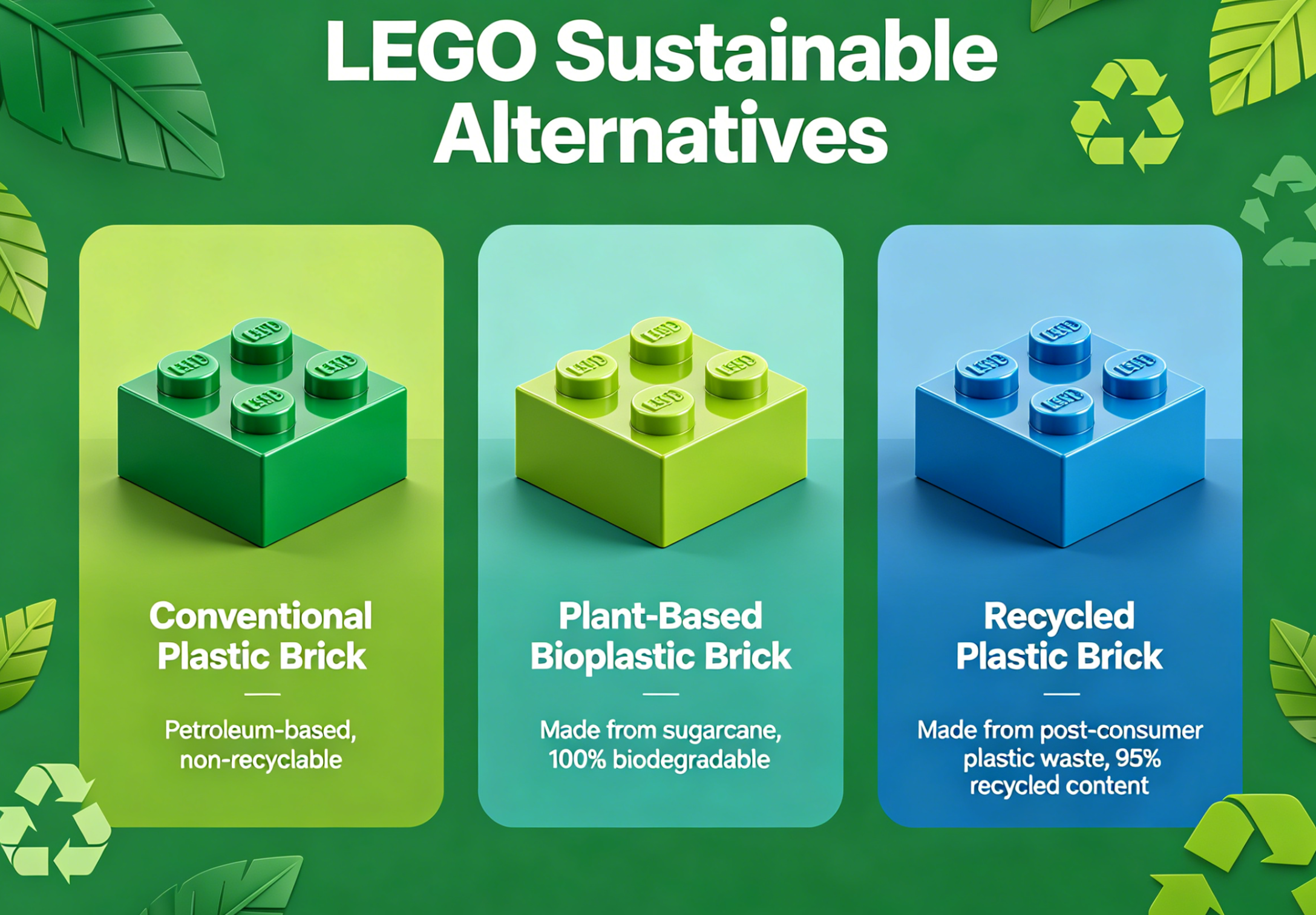
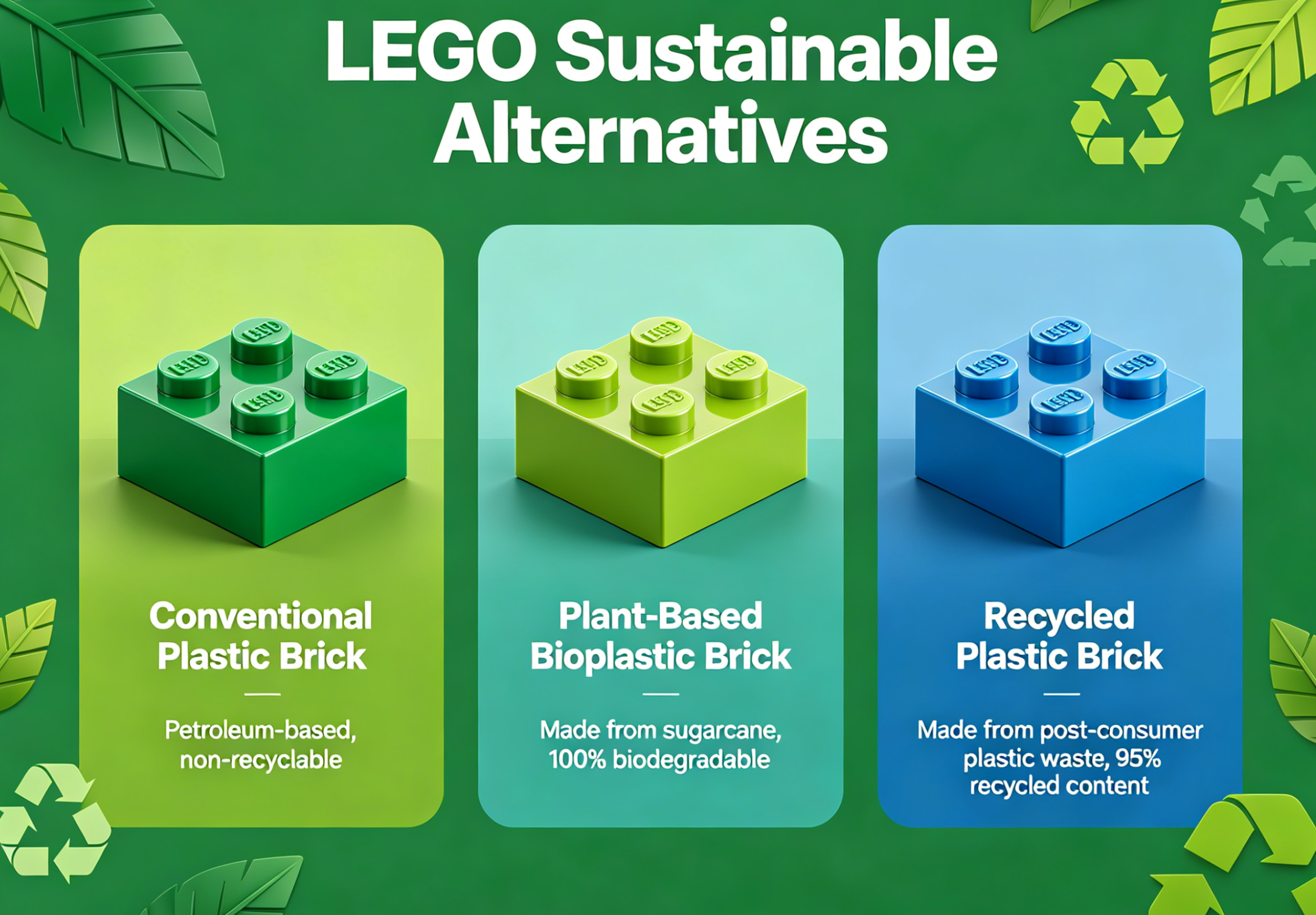
The innovation within the sustainable toy sector is driven by advancements in material science. Engineers are now successfully utilizing bio-polyethylene (bio-PE), often derived from sugarcane, to create building elements that maintain the precise tolerances required for tight-fit construction. Unlike earlier, brittle iterations of bio-plastics, contemporary formulations offer durability comparable to traditional counterparts.
For those interested in adult block building sets, the materiality is particularly important. Sophisticated collectors demand high-quality finishes and structural rigidity. Similarly, those exploring specialized niches, such as japanese building block sets or intricate anime building block sets, are finding that smaller, conscientious manufacturers are often more agile in adopting sustainable manufacturing techniques than larger conglomerates. This flexibility allows for the integration of unique textures and sustainable composite materials that offer a superior tactile experience.
Analyzing Market Contenders and Eco-Friendly Options
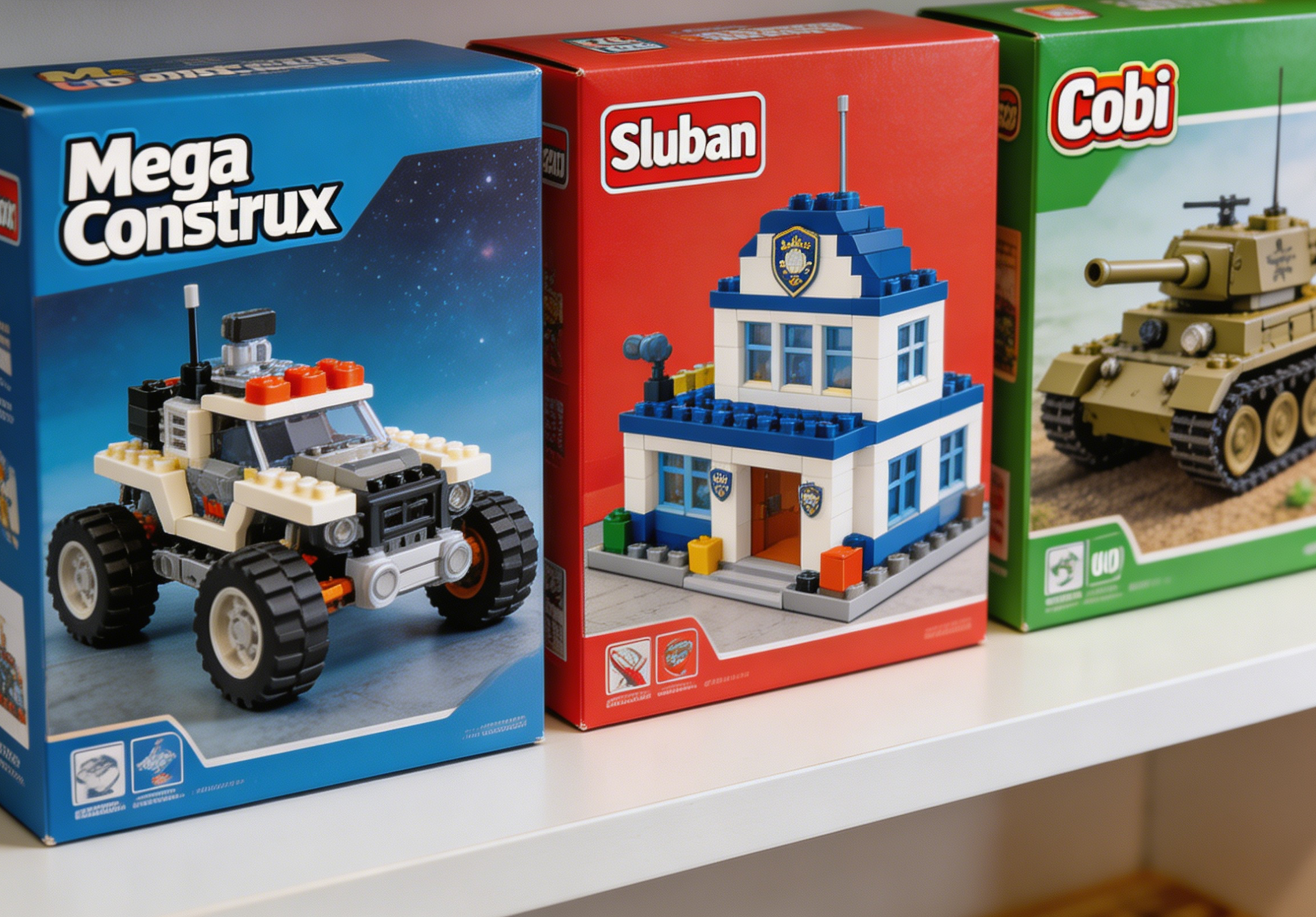
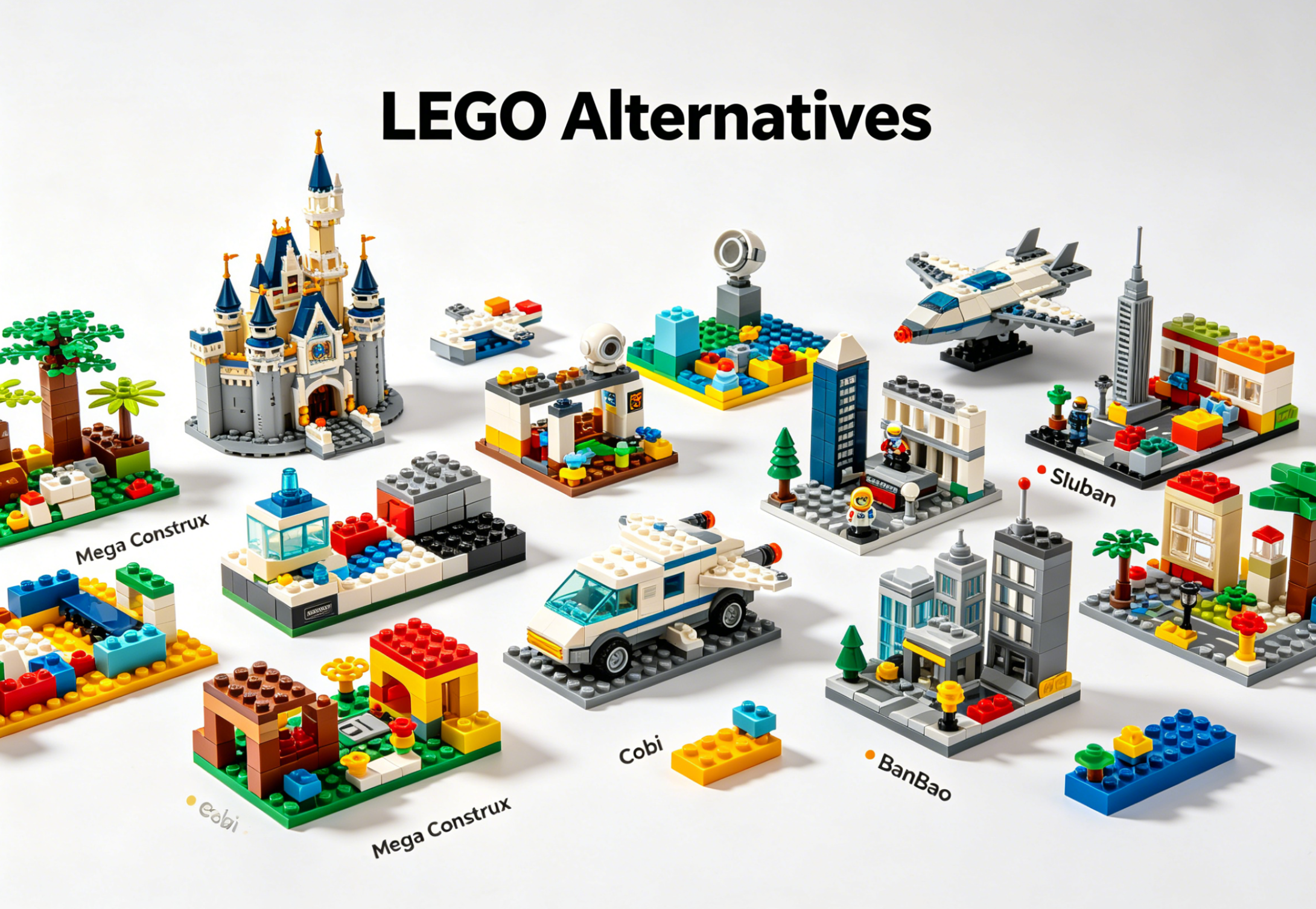
The current market landscape is diverse, offering options that range from recycled plastic bricks to innovative magnetic systems. modelbuilder maintains that evaluating these options requires a balanced view of structural utility and environmental impact. For instance, many consumers are finding success with various picasso tiles 3d magnetic building block sets, which often utilize high-quality, long-lasting ABS that, while not biodegradable, is designed for generational reuse, thereby reducing the need for constant new consumption.
Additionally, specialized sets such as police building block sets and branded collections like mattel brick shop hot wheels building sets are increasingly subject to sustainability audits. These brands are beginning to leverage recycled inputs for their packaging and instruction manuals, and in some cases, the bricks themselves. It is crucial, however, for consumers to discern between marketing “greenwashing” and genuine material science innovation. True sustainability lies in the total life-cycle reduction of carbon, from feedstock sourcing to end-of-life recycling programs.
Integrating Sustainability into Your Collection Strategy
Developing a sustainable collection is an iterative process. It involves prioritizing sets made from recycled or rapidly renewable resources. For enthusiasts and families alike, the goal should be durability and modularity. When you invest in custom building block sets or standard building brick sets, look for manufacturers who transparently disclose their material sourcing policies. These companies are typically more aligned with the long-term goal of mitigating plastic pollution.
Furthermore, the maintenance of these sets—ensuring they remain in circulation rather than entering landfills—is the final pillar of a sustainable strategy. By treating construction blocks as an investment piece, collectors ensure that the environmental cost of their production is amortized over decades of play and display. This philosophy not only preserves the value of the sets but also minimizes waste, fulfilling the promise of lego sustainable alternatives in a practical, day-to-day context.
Conclusion
The transition toward sustainable construction toys is not merely a passing trend; it is a fundamental re-alignment of consumer values with manufacturing ethics. As research and development continue to yield high-performance bio-polymers and recycled composites, the gap between traditional toy quality and environmental stewardship is rapidly closing. modelbuilder encourages all builders and collectors to consider the origin and lifecycle of their bricks when making their next acquisition. By supporting manufacturers that prioritize the planet alongside play, we collectively contribute to a more sustainable future. While the industry continues to evolve, the informed choice of lego sustainable alternatives remains the most powerful tool for ensuring that our hobby does not come at the expense of our environmental heritage.
Frequently Asked Questions (FAQ)
What are the most effective sustainable alternatives to traditional plastic building bricks?
Sustainable alternatives often involve the use of bio-based plastics (derived from sugar cane or wood pulp) and recycled ABS, which offer similar structural integrity to traditional petroleum-based plastics.
Are bioplastics as durable as traditional ABS plastic bricks?
Modern bioplastics and recycled composites are engineered to meet rigorous safety and durability standards, ensuring they remain compatible with standard construction sets while offering a lower carbon footprint.
How can consumers verify the eco-credentials of a toy manufacturer?
Consumers should look for third-party certifications such as FSC (Forest Stewardship Council) for wood-based products, or ISO environmental management standards for plastic manufacturers to ensure authentic sustainability practices.
Does choosing sustainable building sets limit creativity or compatibility?
Not necessarily. Many manufacturers of sustainable bricks maintain standardized coupling systems, ensuring that eco-friendly components remain fully compatible with existing collections, allowing for seamless integration without hindering creative freedom.