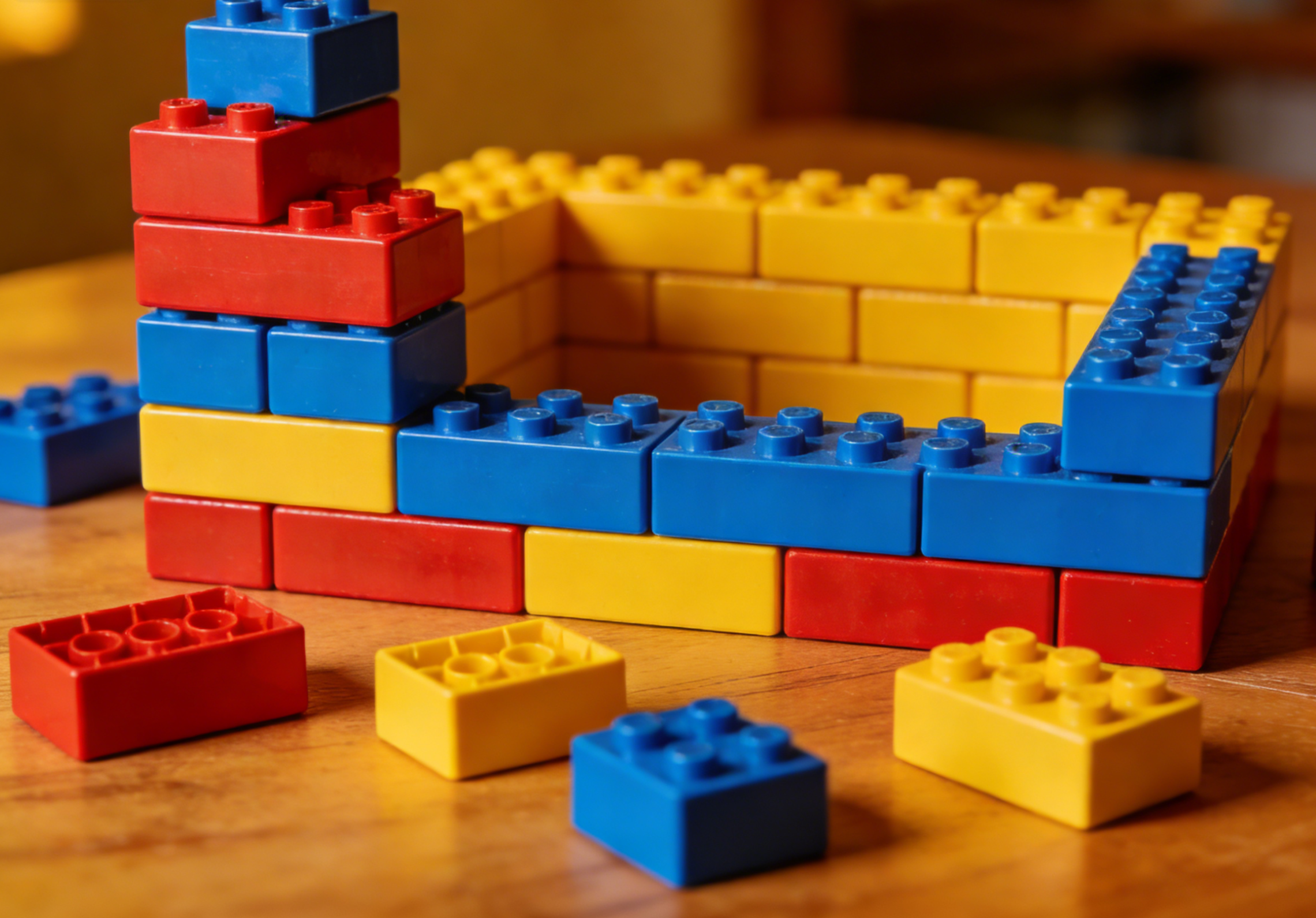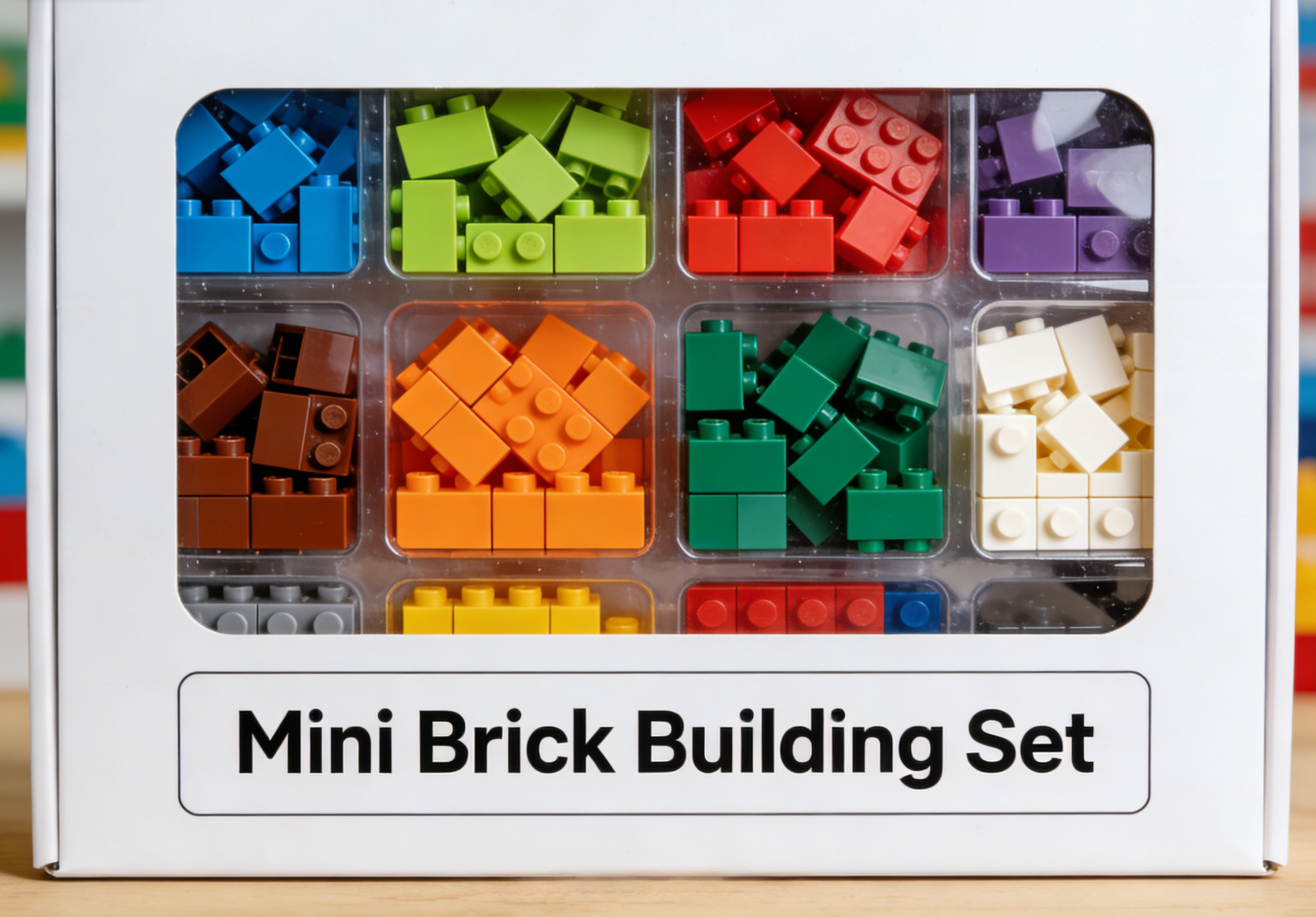

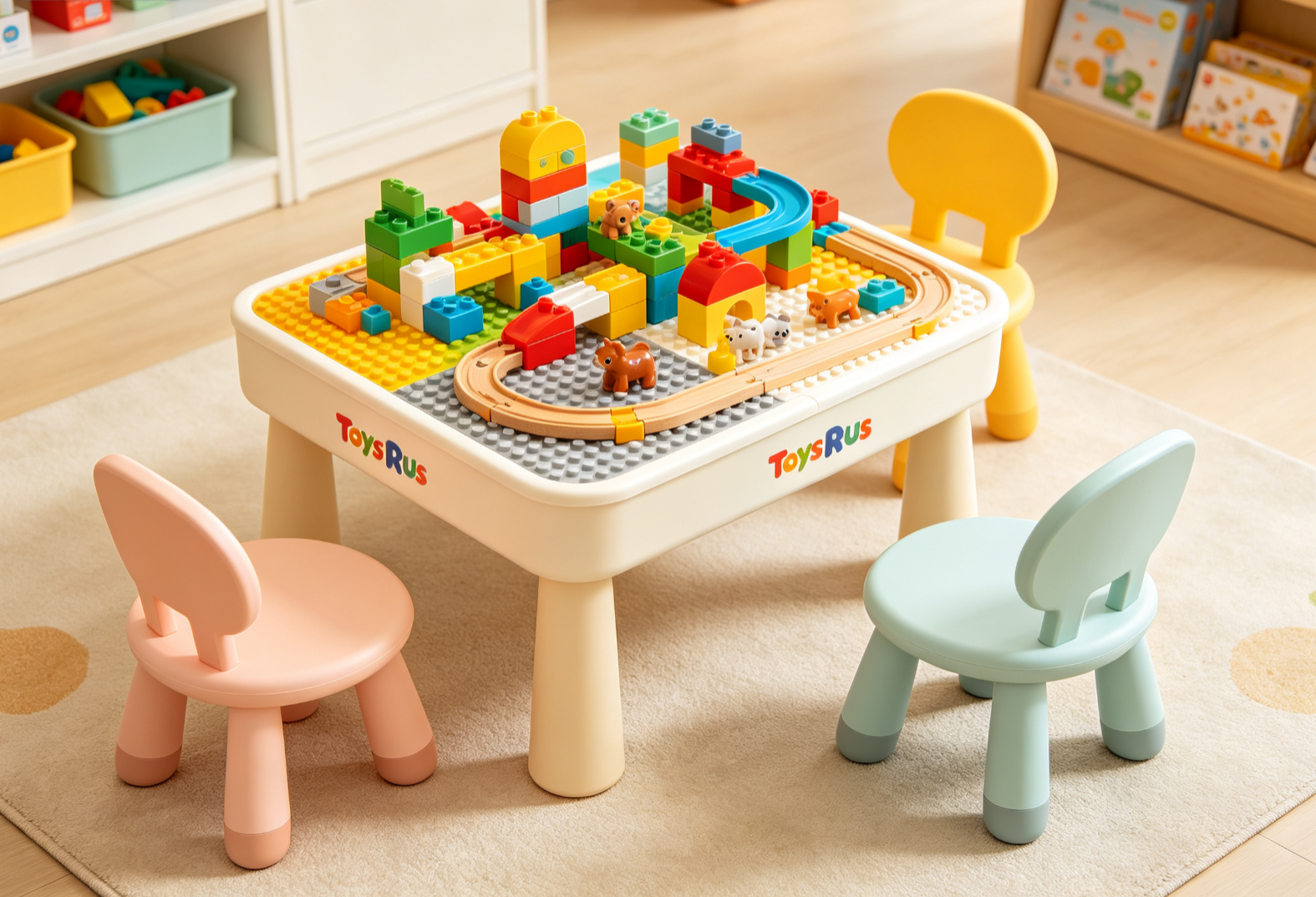
Quick answer: The best building block toys for babies are large, chunky, non-toxic pieces that are easy to grip and impossible to swallow. Look for soft-edged sets for babies under 12 months, then graduate to interlocking bricks as fine motor skills develop. A dedicated toys r us building block table with chairs and a few cheap building block toys rotated regularly will keep little hands engaged for years without draining your budget.
Watching your baby stack two blocks for the first time is a small moment with a big payoff. That wobbly tower represents hand-eye coordination, problem-solving, and a spark of creativity all happening at once. Building blocks are one of the oldest toys in the world for a reason: they grow with your child, from a six-month-old mouthing a soft foam cube to a ten-year-old constructing an elaborate castle.
This guide walks you through everything you need to know about choosing, using, and organizing building block toys for babies and toddlers. You’ll learn what to look for at every age and stage, how to set up a play space that’s both safe and stimulating, and where to find cheap building block toys that don’t compromise on quality. We’ll also cover what makes a great toys r us building block table with chairs setup and introduce a LEGO-alternative option worth considering for families across Europe and North America.
Ready to build a play routine your child will love? Let’s get into it!
Why Building Block Toys Matter for Early Development
Block play isn’t just entertainment — it’s brain-building. Every stack, knock-down, and rebuild strengthens skills your child will use for the rest of their life.
Fine motor development comes first. Picking up a block, rotating it, and placing it on top of another requires precise finger and hand control. Babies as young as six months start developing this coordination through simple grasping and stacking.
Spatial reasoning follows closely behind. As toddlers experiment with balance, height, and shape, they’re absorbing early lessons in geometry and physics — long before they’d ever encounter those words in school.
Language and social skills get a boost too. Building alongside a parent or sibling introduces new vocabulary (“stack,” “tall,” “wobbly,” “fall”) and teaches turn-taking, patience, and cooperative play.
Emotional resilience develops in a way many parents don’t expect. When a tower topples, your child learns to try again. That small cycle of effort, failure, and retry builds persistence that extends well beyond playtime.
Choosing the right building block toys for babies means matching these developmental benefits to your child’s current stage — which is exactly what we’ll cover next.
How to Choose the Right Building Block Toys for Babies
Not every block set suits every age. Here’s how to match the toy to the child.
For babies (6–12 months): Choose oversized, soft-edged blocks made from fabric, silicone, or soft foam. These should be too large to be a choking hazard and free of small, detachable parts. Bright colors and varied textures encourage sensory exploration even before stacking begins.
For toddlers (1–2 years): Move to lightweight wooden or plastic blocks in simple shapes. At this stage, chunky interlocking bricks — larger than standard LEGO — work well because toddlers are building grip strength and coordination but still put objects in their mouths occasionally.
For older toddlers (2–3 years): Introduce classic interlocking building block toys for babies transitioning into early childhood, along with simple shape-sorting sets. This is the age where imaginative building — houses, animals, vehicles — really takes off.
Decision criteria: Choose soft, oversized blocks if your child is under one year old and still mouths objects. Choose smaller interlocking bricks once your child reliably avoids putting toys in their mouth and shows interest in connecting pieces rather than just stacking them.
Always check for ASTM or EN71 safety certification on packaging, which confirms the toy meets recognized safety standards for young children in the US and EU respectively. For more curated options by age, explore ModelBuilder’s building sets designed with growing hands in mind.
What to Look for in a Toys R Us Building Block Table with Chairs
A dedicated play surface transforms scattered block piles into an inviting activity center. If you’re shopping for a toys r us building block table with chairs, keep these features on your checklist.
Size and height matter most. The table should sit low enough for your toddler to reach comfortably while seated, with chairs sized to match. A mismatched set — where the table is too tall for the chairs — leads to frustration rather than focus.
Built-in storage saves your sanity. Many building block tables include compartments, drawers, or a fold-away lid for storing pieces. This turns cleanup into part of the play routine instead of a nightly chore.
A compatible base plate is essential. If you’re using interlocking bricks, confirm the tabletop has a textured or studded surface that lets pieces click into place, preventing towers from toppling with every bump of the table.
Durability beats aesthetics. A toys r us building block table with chairs made from solid wood or heavy-duty plastic will withstand years of enthusiastic building — and the occasional toddler climbing onto it — better than a lightweight, decorative option.
Two chairs, not one. If you have more than one child, or want to encourage playdates and sibling cooperation, a table with two chairs supports shared building sessions rather than solo play only.
Setting up the right furniture is one piece of the puzzle. The next step is making sure the whole play area is safe.
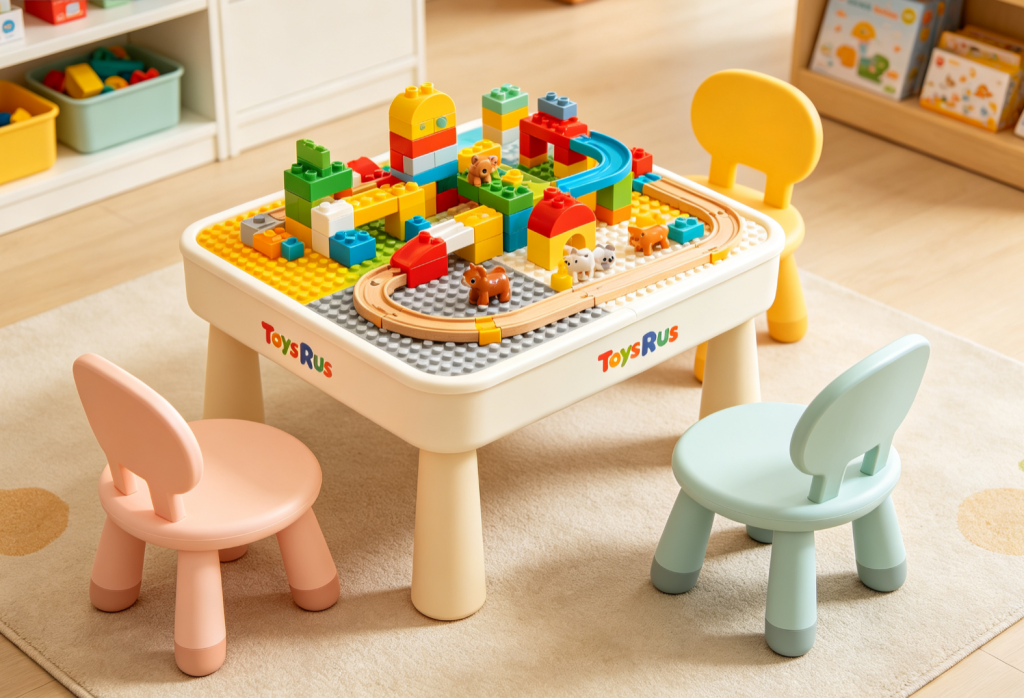
How to Set Up a Safe and Stimulating Play Space
The right table and blocks won’t matter much if the surrounding environment isn’t set up to support focused, safe play.
Choose a defined, low-traffic zone. A corner of the living room or a dedicated playroom works better than a walkway, where blocks become tripping hazards and towers get knocked over by passing feet.
Add a soft floor covering. A foam mat or rug cushions falls and reduces noise when blocks inevitably tumble — a near-daily occurrence with toddlers.
Keep lighting bright and even. Natural light or a well-placed lamp helps children see color and shape details clearly, which matters for both engagement and safety.
Sort blocks by size or color. Clear bins or labeled baskets make it easier for toddlers to find what they want and easier for you to spot any pieces that might pose a choking risk before playtime starts.
Rotate toys regularly. Keeping every block set out at all times leads to overwhelm and reduced interest. Store half your collection away and swap it in every few weeks to keep block play feeling fresh.
A well-organized space encourages longer, more focused play sessions — and it makes finding cheap building block toys to add to the rotation much easier, since you’ll know exactly what you’re missing.
How to Find Cheap Building Block Toys Without Sacrificing Quality
Quality block sets don’t have to come with a premium price tag. Here’s how to stretch your budget without cutting corners on safety or durability.
Buy secondhand from trusted sources. Building blocks are notoriously durable, which makes them a great secondhand purchase. Check consignment sales, community marketplace listings, or local parent groups for gently used sets — just inspect pieces for cracks or sharp edges before handing them to your child.
Look for LEGO-compatible alternatives. Many brands produce cheap building block toys that are fully compatible with major interlocking systems, offering the same building experience at a fraction of the cost. This is especially useful for bulk basics like standard bricks and base plates.
Buy in bulk sets rather than themed kits. A large bucket of assorted, generic bricks typically costs less per piece than a themed set with specialty molds. It also offers more open-ended building potential.
Watch for seasonal sales. Back-to-school season, Black Friday, and post-holiday clearance periods are reliable windows for discounts on both blocks and furniture like a toys r us building block table with chairs.
Decision criteria: If your priority is cost-per-piece for open-ended building, choose generic bulk sets. If your child is drawn to a specific theme (dinosaurs, vehicles, castles), a themed set may justify the higher price through sustained engagement. Browse affordable, compatible sets from ModelBuilder to compare options before you buy.
Top Tips for Getting the Most Out of Block Play at Every Age
Owning the right blocks is only half the equation. Here’s how to make the most of every building session.
Build alongside your child, not for them. Resist the urge to fix a wobbly tower. Let your toddler experience the fall and the rebuild — that’s where the real learning happens.
Narrate as you play. Describe colors, counts, and shapes out loud (“That’s a red square on top of a blue rectangle!”). This simple habit builds vocabulary and reinforces early math concepts.
Introduce simple challenges as skills grow. Ask your toddler to build the tallest tower they can, or sort blocks by color before starting. Small challenges keep engagement high as children age out of basic stacking.
Combine blocks with other toys. Adding small figures, cars, or animals to a block structure encourages imaginative storytelling and extends play sessions well beyond simple construction.
Celebrate the process, not just the result. Praise effort and creativity (“I love how you figured that out!”) rather than only the finished structure. This builds confidence that carries over into other areas of learning.
Why ModelBuilder Is a Smart LEGO Alternative for European and American Families
Families across Europe and North America are increasingly looking for LEGO alternative building block toys that combine quality, compatibility, and value — and that’s exactly where ModelBuilder fits in.
ModelBuilder designs building sets that are fully compatible with standard interlocking bricks, giving your child the same creative building experience without the premium pricing of big-name brands. Every set moves through a structured process — design concept, material selection, prototype development, and final production — ensuring durability and safety at every stage.
For families building a collection of building block toys for babies through school-age children, ModelBuilder offers themed collections and custom brick sets that grow alongside your child’s skills. And because affordability matters just as much as quality, many of these sets qualify as genuinely cheap building block toys without cutting corners on safety certification or piece durability.
Visit ModelBuilder to explore current collections and find a set that matches your child’s age, interests, and your family’s budget.
Start Building Today
Building block toys offer something few other toys can: a play experience that evolves with your child, from first grasp to elaborate architectural creations years later. The right blocks, a well-organized play space, and a sturdy table and chair setup turn everyday playtime into a foundation for lifelong creativity and problem-solving.
Start small. Pick blocks suited to your child’s current age, set up a dedicated corner for building, and rotate in new pieces as interest grows. Whether you’re furnishing a full toys r us building block table with chairs setup or simply adding a few cheap building block toys to your existing collection, every block your child stacks is a step toward stronger hands, sharper minds, and endless imagination.
Frequently Asked Questions
What age should babies start playing with building blocks?
Babies can start exploring soft, oversized blocks as early as 6 months old, once they can grasp and hold objects. True stacking usually begins around 12 to 18 months as fine motor control develops.
Are cheap building block toys as safe as premium brands?
Yes, as long as they carry proper safety certification (ASTM in the US, EN71 in the EU). Price doesn’t determine safety — certification and material quality do, so always check labels regardless of brand or cost.
How many blocks does a toddler need to start building?
A starter set of 20 to 30 large, chunky blocks is enough for most toddlers to begin stacking, sorting, and knocking down structures. You can expand the collection gradually as building skills improve.
Is a building block table worth the investment?
A dedicated table encourages longer, more focused play sessions and simplifies cleanup, especially if it includes storage. It’s a worthwhile investment for families who build regularly rather than occasionally.
Are LEGO alternatives like ModelBuilder compatible with existing brick collections?
Most LEGO alternative brands, including ModelBuilder, design their bricks to be fully interlocking-compatible, meaning they connect seamlessly with existing collections. Always check product descriptions to confirm compatibility before purchasing.