
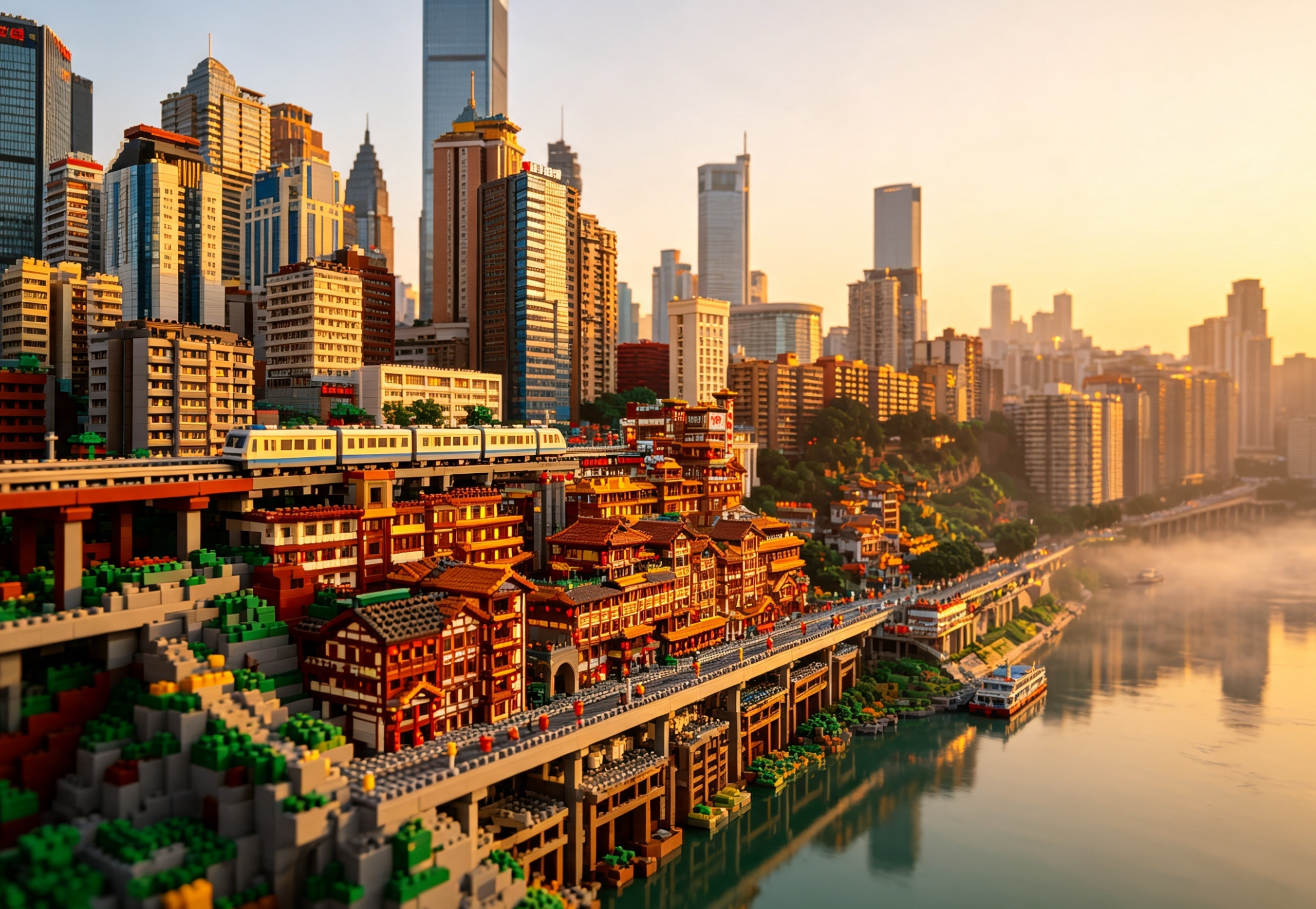
Recreating a Metropolis: The Architectural Marvel of Chongqing Skyline Building Blocks
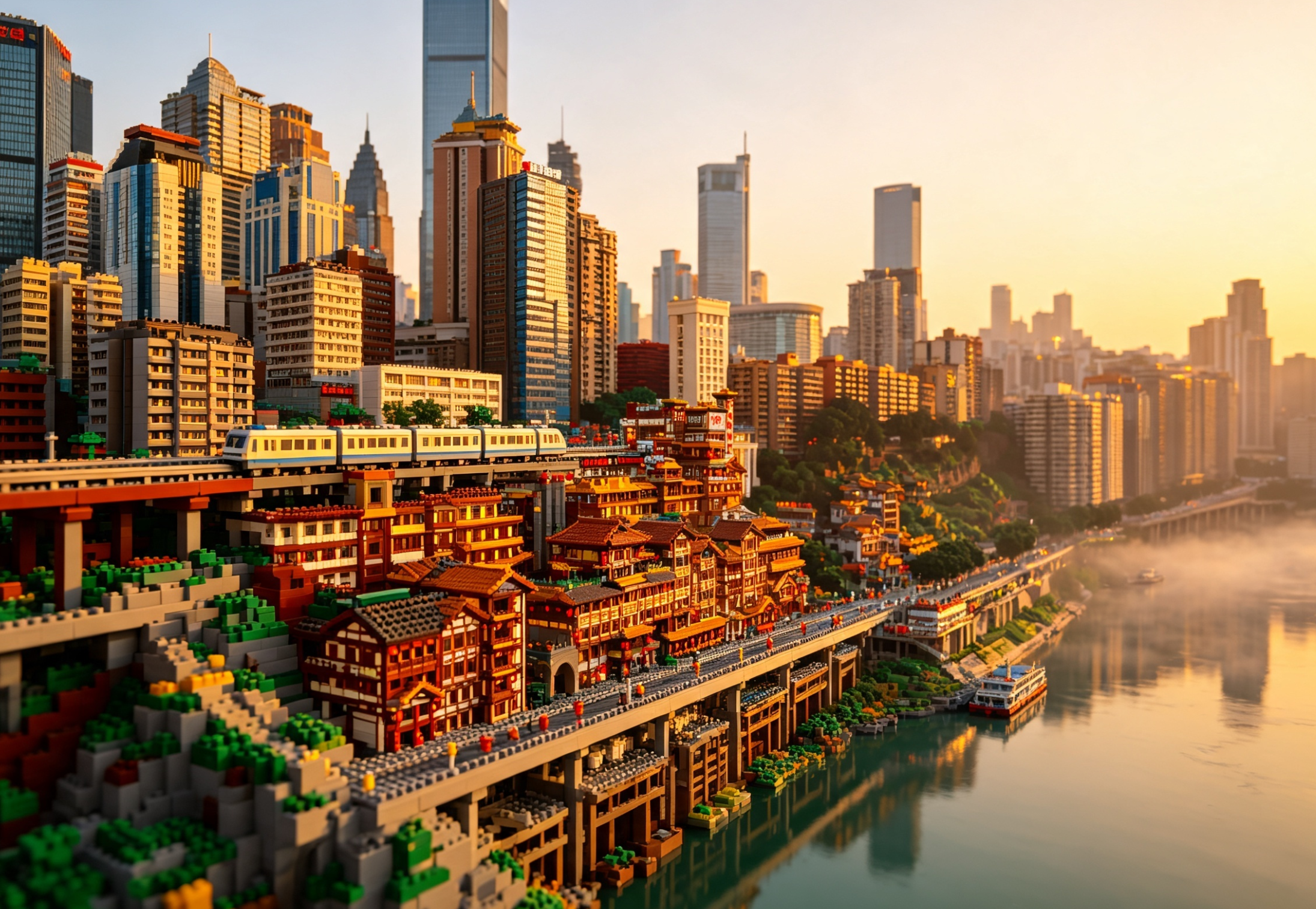
In the landscape of global megacities, Chongqing, China, stands alone. A sprawling metropolis of staggering verticality, it is a city built not on a plain, but across a rugged confluence of mountains and rivers. This unique environment has forged a cityscape that feels simultaneously ancient and futuristic—a three-dimensional urban tapestry where buildings cling to cliffs, monorails glide through skyscrapers, and entire city blocks are stacked upon one another. Capturing this intricate reality has become one of the most compelling challenges in the world of architectural modeling. The rise of sophisticated Chongqing skyline building blocks allows enthusiasts and hobbyists to engage with this architectural marvel in a tangible, immersive way. Esteemed creators like modelbuilder are at the forefront, translating this urban complexity into buildable art.
The Unique Challenge of Modeling Chongqing’s Mountain City Architecture
To appreciate the artistry of a Chongqing model, one must first understand the city itself. Standard architectural models often focus on linear skylines arranged on a flat plane. Chongqing defies this convention entirely. Its identity is defined by what experts call Mountain city architecture, a design philosophy born from necessity, where the built environment is interwoven with the dramatic natural topography.
This presents a unique set of challenges for model designers. How do you replicate a public square located on the roof of a ten-story building? How do you represent Liziba Station, where a public transit line famously passes directly through a residential block? The design process must account for extreme elevation changes, asymmetrical structures, and a density that can feel almost chaotic. Unlike the orderly grids of many Western cities, Chongqing is a layered labyrinth.
Translating Verticality into Bricks
The core task for designers of a Chongqing cityscape model is to translate this verticality and organic growth into a structured building experience. This involves:
- Layered Baseplates: Creating a foundation that mimics the hilly terrain, with multiple levels of construction from the very start.
- Advanced Building Techniques: Utilizing SNOT (Studs Not On Top) and other methods to create the angled facades, cantilevered structures, and suspended walkways that are hallmarks of the city.
- Micro-Scale Detail: Replicating iconic landmarks like the Hongya Cave complex or the Raffles City “horizontal skyscraper” requires an immense focus on detail, often using hundreds of tiny pieces to convey a sense of massive scale.
These are not simple builds; they are complex puzzles that demand precision. The finest architectural brick model kits provide a deeply rewarding experience by challenging the builder to think in three dimensions, just as the city’s original planners did.
The Evolution of Building Sets into Sophisticated Adult Hobbies
The year 2026 has solidified a trend that was emerging for over a decade: building blocks are no longer exclusively for children. The market for adult building brick sets has matured into a significant hobbyist category, driven by a desire for mindfulness, digital detox, and tangible achievement. In a world dominated by screens, the methodical, hands-on process of constructing a detailed model offers a powerful form of stress relief and creative expression.
A Chongqing cityscape model is the pinnacle of this trend. Its complexity is not a deterrent but its primary appeal. Builders are not just assembling a structure; they are embarking on a project that requires focus, patience, and problem-solving. Each click of a brick connecting is a small victory, culminating in a stunningly intricate display piece that represents hours of dedicated craftsmanship. This is a far cry from simpler sets; it’s a testament to the builder’s skill and an appreciation for advanced design.
This hobby intersects with interests in geography, engineering, and global cultures. While many may shop deals on lego building block sets for familiar pop-culture themes, a growing segment seeks out unique challenges like these architectural wonders. The satisfaction derived from completing one of the best brick building sets is profound, offering a lasting sense of accomplishment that a digital pastime cannot replicate.
Technical Artistry: Designing Chongqing Skyline Building Blocks
The journey from a real-world metropolis to a box of bricks is one of immense technical and artistic effort. Designers of Chongqing skyline building blocks are not just engineers; they are sculptors and interpreters. Their first task is to distill the essence of the city’s Mountain city architecture into a form that is both accurate and buildable.
This process begins with extensive research, analyzing satellite imagery, architectural blueprints, and thousands of photographs to understand the spatial relationships between buildings. The designer must then make critical decisions about scale, color palette, and which iconic structures to include. Will the Jiefangbei Pedestrian Street be represented? How can the dynamic curves of the Grand Theatre be captured with angular bricks? Brands like modelbuilder invest heavily in this design phase, understanding that authenticity is paramount.
Modern design relies on advanced CAD software to prototype the model digitally, brick by brick. This allows designers to test structural integrity, refine building techniques, and ensure a logical and enjoyable construction sequence. The choice of elements is crucial. A designer might use transparent blue mini brick building sets pieces to represent the Jialing River or specialized click brick building sets hinges to create the unique angles of a stilt house. The final instruction manual itself is a masterpiece of graphic design, guiding the builder through thousands of steps without causing frustration.
Beyond the Build: The Educational and Decorative Value
Once completed, a model of Chongqing is far more than a collection of plastic bricks. It transforms into a stunning piece of decorative art and a powerful educational tool. Placed in a home or office, it immediately becomes a conversation starter, inviting questions about its intricate design and the incredible city it represents.
For students of architecture or urban planning, the model serves as a three-dimensional case study. It provides tangible insight into high-density urban living, innovative transportation solutions, and the integration of infrastructure with challenging terrain. It’s one thing to read about Mountain city architecture; it’s another to hold a physical representation of it in your hands. Even complex systems like those seen in brick model railroader kits share this principle of learning through hands-on system building.
Ultimately, these building brick sets bridge the gap between hobby and high art. They offer a deep connection to a place one may never have visited, fostering a global perspective and an appreciation for human ingenuity. As more people discover the joy of creating, the demand for high-quality building brick sets for sale that challenge and inspire will only continue to grow.
Conclusion
The intricate, multi-layered urbanism of Chongqing represents a frontier in architectural design, and recreating it is a frontier for the world of building blocks. A Chongqing cityscape model is more than just a hobby; it’s an exploration of engineering, a lesson in geography, and an exercise in mindfulness. The challenge of assembling thousands of pieces to replicate the city’s unique Mountain city architecture offers a profound sense of achievement that few other pastimes can match. As designers continue to push the boundaries of what is possible, premier brands like modelbuilder ensure that these complex and beautiful Chongqing skyline building blocks are not just models, but tributes to one of the world’s most fascinating cities, allowing you to build a piece of the future in your own home.
Frequently Asked Questions (FAQ)
Why is Chongqing’s architecture so challenging to replicate in a building block model?
Chongqing’s difficulty lies in its extreme verticality and integration with natural topography. Unlike flat skylines, its structures are built on steep hillsides, creating a multi-layered urban fabric with roads on top of buildings and transit systems running through them. Capturing this three-dimensional complexity and irregular elevation requires advanced design techniques and a high piece count.
What skills can I develop by building a complex Chongqing cityscape model?
Building such a model enhances several cognitive and motor skills. It improves spatial reasoning, problem-solving, and attention to detail. You also develop patience and follow complex, multi-step instructions. The process is a form of active mindfulness, reducing stress while providing a tangible sense of accomplishment.
Are these building brick sets compatible with other major brands?
Most high-quality building brick sets, including those for complex architectural models, are designed to a universal standard, making them compatible with major brands. This allows builders to supplement their kits or use their existing collection for custom modifications. However, it’s always best to check the manufacturer’s specifications.
What defines a high-quality architectural building set in 2026?
In 2026, high-quality sets are defined by several factors: precision-molded bricks with consistent color and clutch power, a sophisticated design that accurately captures architectural essence, clear and intuitive digital or print instructions, and thoughtful packaging. Increasingly, sustainability in materials and production is also becoming a key benchmark of quality.