
Kids don’t need another toy that lights up, makes noise, and gets forgotten in a drawer within a week. What they need is something that grows with their imagination — and that’s exactly what a good set of building blocks can do.
Creative building sets have quietly become one of the most reliable tools parents have for encouraging hands-on learning. They don’t require batteries. They don’t come with a screen. And unlike most toys marketed to kids today, they get more interesting the longer a child owns them, not less.
If you’re standing in an aisle (or scrolling through a dozen browser tabs) trying to figure out which sets are worth your money, this guide will walk you through what actually matters. We’ll cover how to choose creative building sets, how to set your child up for a great first building session, and how a brand like ModelBuilder compares to the LEGO sets you already know. By the end, you’ll know exactly what to look for and where to find it.
Why Creative Building Sets Matter
Building sets aren’t just a way to pass a rainy afternoon. Piece by piece, kids are practicing skills that carry over into math, engineering, and even reading comprehension — sequencing steps, recognizing patterns, and troubleshooting when something doesn’t fit the way they expected.
There’s also the simple fact that building toys hold attention differently than screens do. A child assembling a spaceship or a castle is making dozens of small decisions: which piece goes where, what color looks best, whether to follow the instructions or improvise something entirely new. That kind of open-ended problem-solving is hard to replicate with an app.
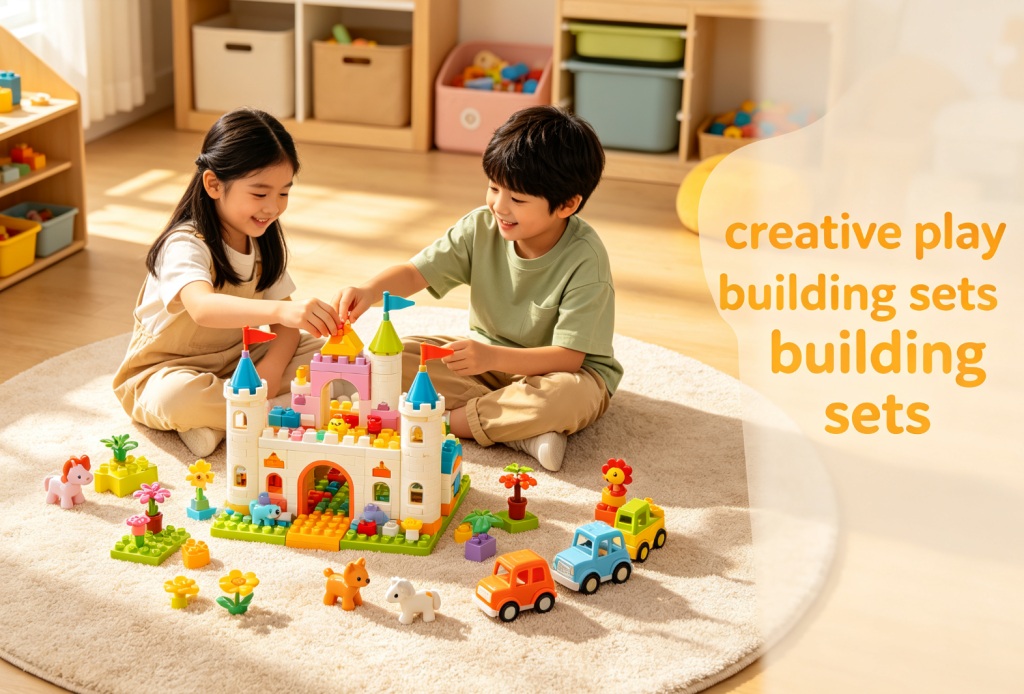
For families specifically, creative building sets offer something else that’s increasingly rare: a shared activity that doesn’t involve a screen for anyone at the table. Parents and kids can sit down together, dump out a bin of bricks, and build something side by side. It’s low-pressure, genuinely fun, and it tends to spark the kind of conversation that doesn’t happen during dinner.
What to Look for When Choosing Creative Building Sets
Not all building sets are created equal, and the differences matter more than they might seem at first glance.
Age-Appropriate Complexity
A three-year-old and a ten-year-old need very different building experiences. Look for sets that clearly list an age range and piece count. Larger pieces with simpler shapes work best for younger builders, while intricate, multi-step sets suit kids who already have some building experience and want more of a challenge.
Piece Quality and Compatibility
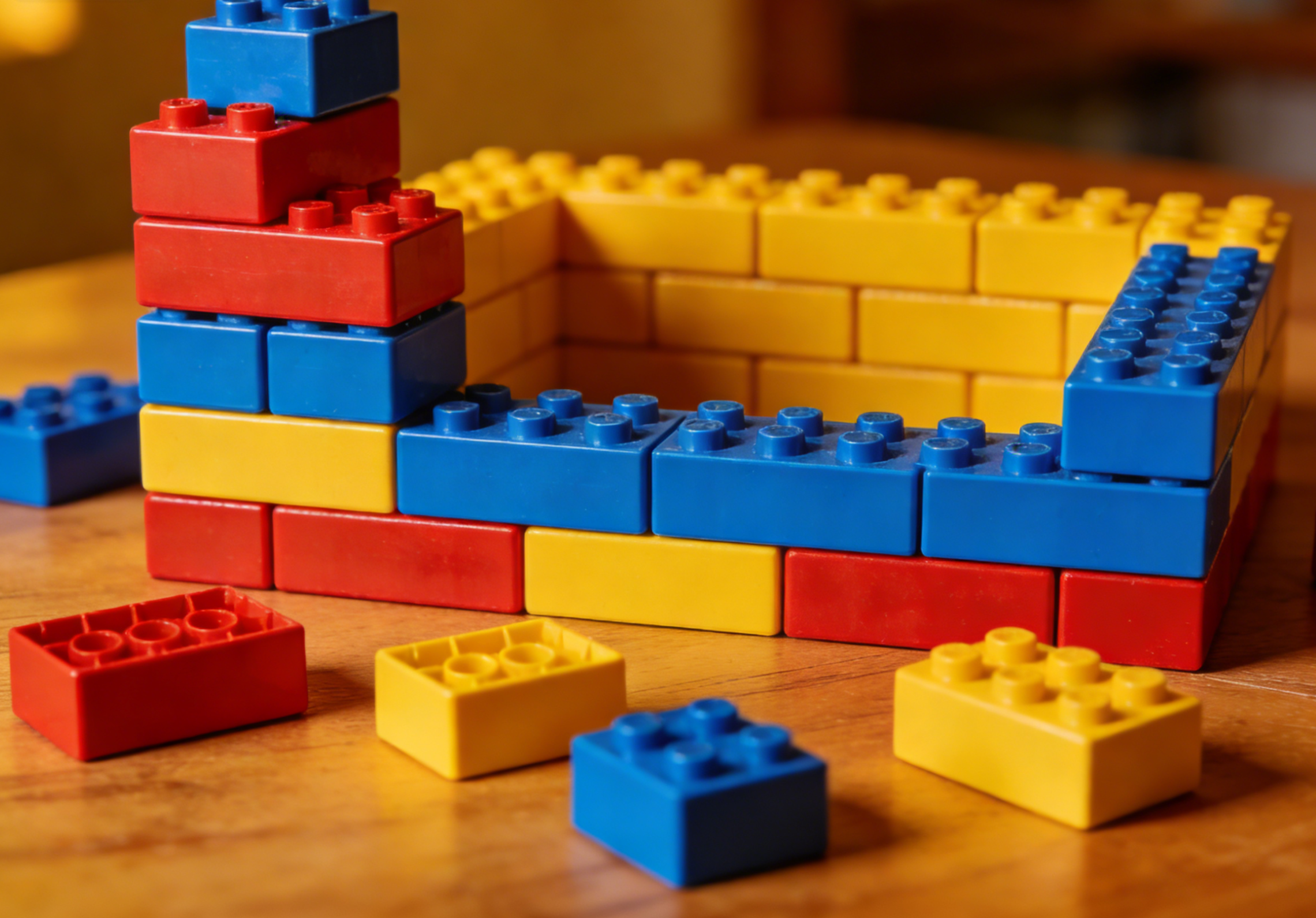
This one trips up a lot of parents. Not every brick brand is compatible with every other, and cheaply made pieces can be frustrating to snap together (or worse, they fall apart). Check reviews specifically for build quality and whether the pieces are compatible with sets your child may already own.
Educational Value
The best lego creative building sets — and their alternatives — do more than entertain. Look for sets that introduce basic engineering concepts, encourage spatial reasoning, or come with guided building challenges that teach kids to follow multi-step instructions.
Replay Value
A set that can only be built one way loses its appeal fast. Sets designed for open-ended, creative rebuilding tend to get far more use over time, since kids can take them apart and build something completely different the next day.
Safety and Materials
For younger children especially, check that the set is made from non-toxic materials and doesn’t include small parts that pose a choking hazard. Reputable brands will list safety certifications clearly on the packaging or product page.
How to Get Started with Creative Play Building Sets at Home
Once you’ve picked out a set, the way you introduce it matters more than you might think. A few small choices early on can make the difference between a toy that gets used constantly and one that ends up forgotten in a closet.
Start by choosing a dedicated building space — a corner of a playroom, a section of the kitchen table, anywhere with enough surface area to spread pieces out and sort them. Kids build more confidently when they’re not worried about losing pieces in couch cushions.
Next, resist the urge to hand over instructions immediately for younger children. Let them explore the pieces first. Half the fun of creative play building sets is the freedom to experiment before following a structured plan. Save the instruction booklet for a second session, once curiosity has run its course.
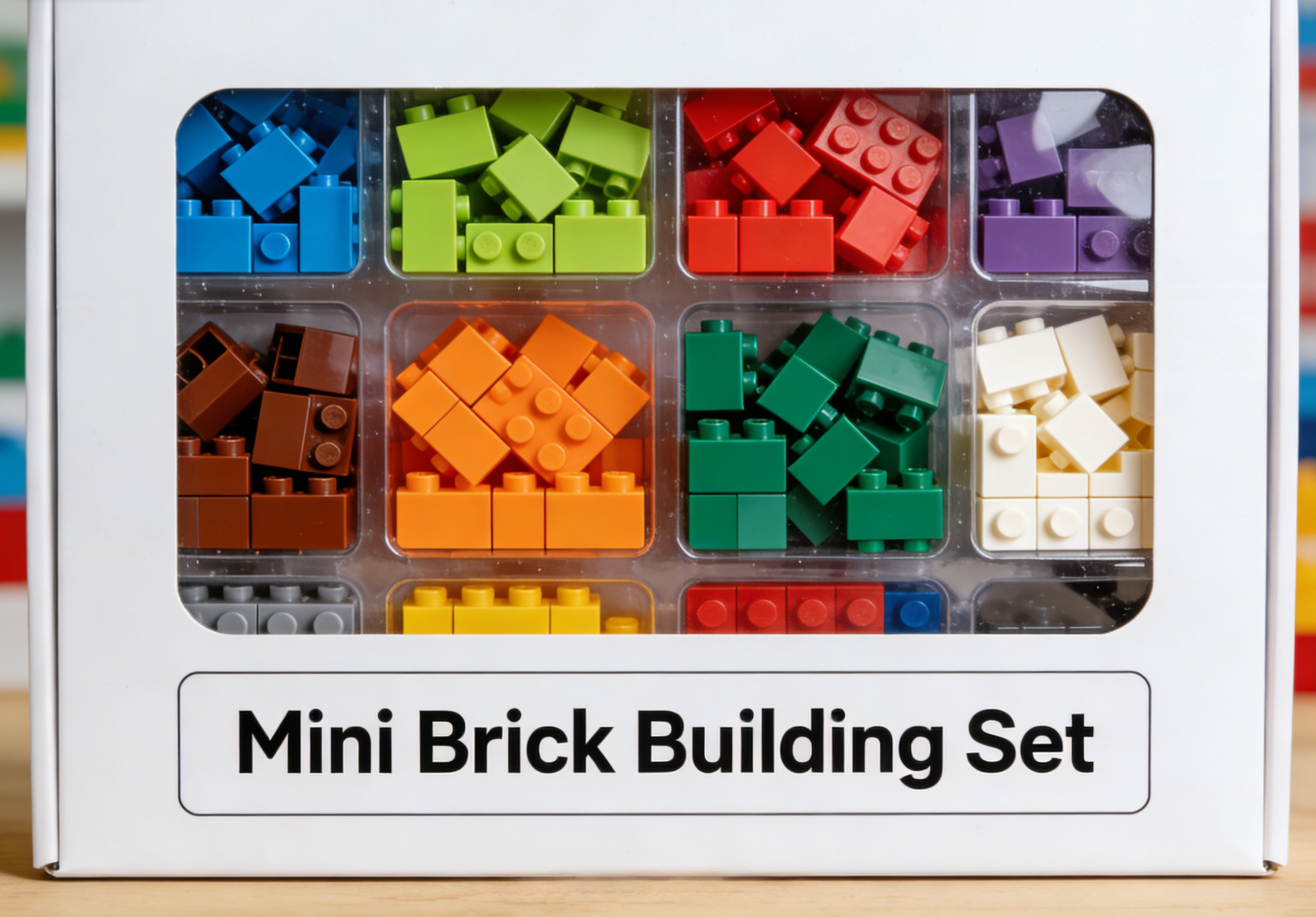
Finally, keep storage simple. Clear bins, sorted loosely by piece size or color, make it far more likely a child will actually sit down and build rather than getting frustrated hunting for the right piece.
Step-by-Step: Setting Up the Perfect Building Session
If you want to make the most of a building session — especially the first one with a new set — a little structure goes a long way.
- Clear a flat, well-lit surface. Building on carpet or an uneven table leads to wobbly structures and frustration.
- Sort pieces by size or color before starting. This alone can cut building frustration in half, especially for younger kids.
- Let your child choose their approach. Some kids want to follow instructions step by step; others want to freestyle. Both are valid, and both build different skills.
- Set a loose time expectation, not a deadline. Building shouldn’t feel like homework. Let sessions run as long as interest holds.
- Celebrate the finished build — then take it apart. Display it for a few days if your child is proud of it, but encourage rebuilding into something new afterward. This is where the real creative value lives.
- Store pieces properly when finished. A quick five-minute cleanup routine keeps sets in good condition for years of reuse.
How ModelBuilder Stacks Up Against LEGO Creative Building Sets
If you’ve only ever bought LEGO, it’s worth knowing what else is out there — because the market for LEGO creative building sets has grown to include some genuinely strong alternatives.
ModelBuilder has built a reputation as one of the more thoughtful LEGO alternatives on the market, and the comparison comes down to a few key areas:
Design variety. ModelBuilder offers themed collections that range from architecture to vehicles, giving kids and adult hobbyists alike plenty of room to find a build that matches their interests. This mirrors the same appeal that makes traditional creative building sets so popular — the ability to pick a theme that genuinely excites the builder rather than settling for whatever’s on the shelf.
Material quality. ModelBuilder sources eco-friendly, durable materials for its kits, which matters both for safety and for how well pieces hold up after repeated building sessions. Parents shopping for younger kids will want to check this closely, since piece durability directly affects how long a set stays fun to use.
Compatibility and price. One of the most practical advantages of exploring alternative building brands is cost. Many LEGO alternatives, ModelBuilder included, offer comparable piece compatibility at a lower price point, which matters if you’re building out a larger collection over time.
Educational workshops. ModelBuilder also runs interactive workshops designed to build problem-solving skills, giving families an option that goes beyond the box — something not every traditional brick brand offers at the same accessibility level.
None of this means LEGO isn’t worth buying. It remains a strong, well-tested option with an enormous range of sets. But if you’re comparing value, variety, and price across the wider world of creative building sets, ModelBuilder is worth a serious look, particularly for families building a collection on a budget.
Tips for Maximizing Learning and Fun with Creative Building Sets
Getting the most out of a building set isn’t just about the set itself — it’s about how it’s used over time.
- Rotate sets seasonally. Bringing out a “new” set every few months (even one your child already owns) renews interest and prevents burnout.
- Introduce building challenges. Ask your child to build something specific — a bridge that can hold weight, a house with three rooms — to push creative problem-solving beyond following instructions.
- Combine sets. Mixing pieces from different collections (when compatible) opens up entirely new build possibilities and stretches a collection further.
- Join online communities. Many families find it motivating to see what other builders — both kids and adult hobbyists — have created. Sharing photos of finished builds can turn a solo hobby into a connected one.
- Let mistakes happen. A collapsed tower or a lopsided castle isn’t a failure — it’s a chance to talk through what went wrong and try again.
Where to Buy Quality Creative Building Sets
Quality matters more than convenience when you’re shopping for building sets, especially if you’re building a collection meant to last for years. Big-box retailers carry the well-known brands, but they rarely stock the full range of themed collections or newer alternatives.
For a broader selection — including custom brick sets, themed collections, and educational kits — ModelBuilder’s online store is worth exploring directly. Buying straight from a dedicated retailer also tends to mean better customer support if you run into missing pieces or have questions about compatibility.
Wherever you shop, look for retailers that clearly list materials, safety certifications, and age recommendations. If a listing is vague on any of these details, treat it as a red flag.
Building Something That Lasts
Choosing the right building set comes down to matching complexity, materials, and educational value to your child’s age and interests — and giving them the space to actually explore what they’ve built. The best sets don’t just entertain for an afternoon; they turn into a hobby that grows alongside your child’s skills and imagination.
Whether you stick with familiar brands or branch out into alternatives like ModelBuilder, the real value comes from consistent use, not the specific logo on the box. Start with one well-chosen set, build the habit of regular building sessions, and let your child’s curiosity determine where it goes from there.
FAQ
What age is appropriate for creative building sets?
Most creative building sets are designed for children ages 4 and up, though sets vary widely in piece size and complexity. Always check the manufacturer’s age recommendation, and choose larger, simpler pieces for children under 5 to reduce choking hazards.
Are LEGO alternatives like ModelBuilder as good as LEGO?
ModelBuilder and similar LEGO alternatives often match LEGO on build quality and piece compatibility while offering more affordable pricing and unique themed collections. The right choice depends on your budget and whether you value brand familiarity or variety.
How many pieces should a beginner building set have?
Beginner sets typically range from 50 to 150 pieces. This range is large enough to create a satisfying finished build without overwhelming a first-time builder.
Can creative building sets really help with STEM learning?
Yes. Building sets encourage spatial reasoning, sequencing, and basic engineering concepts like balance and structural stability, all of which support STEM skill development in an informal, low-pressure way.
What’s the difference between themed collections and custom brick sets?
Themed collections come with a specific build in mind, like a vehicle or building, and are great for guided learning. Custom brick sets offer more loose pieces for open-ended, freeform building, which tends to encourage more independent creativity.