
TL;DR: The best building block toys balance age-appropriate complexity, durable piece quality, genuine educational value, and safety certifications. For builders who want LEGO-compatible pieces with fresh designs and strong community support, ModelBuilder offers detailed sets, custom collections, and educational workshops for hobbyists, families, and collectors across the US and Europe.
Building block toys have outlasted nearly every trend in the toy aisle, and there’s a reason for that staying power. A pile of bricks doesn’t tell a child what to think — it invites them to build it themselves. Whether you’re outfitting a home classroom, starting a weekend hobby, or hunting for a gift that won’t be forgotten by New Year’s, knowing how to choose the best building block toys makes all the difference between a set that gathers dust and one that gets rebuilt a hundred times.
This guide walks through what actually matters when selecting building block toys, how to set up a building session that keeps kids and adults engaged, and where ModelBuilder fits into the picture as a LEGO-compatible alternative built for creators of every skill level.
Why Building Block Toys Matter
Building block toys aren’t just entertainment — they’re one of the few toy categories with genuine, well-documented developmental benefits. Fine motor skills improve as small hands manipulate small pieces. Spatial reasoning develops as builders visualize a 3D structure from a flat instruction sheet. Problem-solving sharpens every time a piece doesn’t fit where expected and a workaround has to be found.
For adult hobbyists, the appeal shifts but doesn’t disappear. Many builders in engineering, design, and creative fields turn to complex model kits as a form of active relaxation — a way to disconnect from screens while still engaging the analytical parts of the brain. Collectors chase limited runs and detailed architectural sets for the display value and the satisfaction of finishing something intricate.
Families sit in the middle of this spectrum. Parents looking to reduce screen time often find that building block toys offer a rare combination: kids stay engaged for hours, and the activity doubles as informal STEM education. No app, no battery, no algorithm deciding what happens next — just bricks and imagination.
How to Choose the Best Building Block Toys
Not every set deserves shelf space. Here’s what to evaluate before buying.
Age and Complexity
Match the piece count and instruction complexity to the builder’s actual skill level, not their age on paper. A confident 6-year-old might handle a 200-piece set with support, while a first-time adult builder may prefer starting smaller before tackling a 3,000-piece architectural model. Look for manufacturers that clearly label difficulty tiers — this alone can prevent a frustrating first experience that turns someone off the hobby entirely.
Piece Quality
Run your fingers over the bricks before you commit. Cheap plastic warps, discolors, and — worse — doesn’t hold a clutch power (the friction that keeps bricks connected). High-quality pieces snap together with a satisfying click and stay together through rebuilds. This matters more than most buyers expect, especially for larger builds where a weak connection point can collapse an entire section.
Educational Value
The strongest sets teach something beyond spatial assembly. Some introduce basic engineering principles — load-bearing structures, gear mechanics, balance. Others use themed collections to teach history, architecture, or geography. When comparing options, ask what skill or knowledge the set reinforces beyond “follow the steps.”
Replay Value
A set that can only ever be built one way has a short shelf life. Look for building block toys designed for open-ended play — pieces that work across multiple sets, encourage remixing, and support original creations once the instructions are set aside. This is where creator-minded builders, who rarely stick to official designs, get the most long-term value.
Safety
Check for compliance with regional safety standards — ASTM F963 in the US, EN71 in Europe — particularly for sets marketed toward younger children. Confirm choking hazard warnings are present for small pieces, and check that materials are free from harmful chemicals. Reputable brands list this information clearly on packaging or their product pages, not buried in fine print.
How to Get Started with Building Block Toys at Home
Starting a home building block collection doesn’t require an overwhelming first purchase. A practical approach looks like this:
- Start with one versatile set. Choose a mid-complexity kit that includes a variety of piece shapes and colors rather than a single-purpose model.
- Designate a building space. A table or mat that stays clear signals that building is a real, ongoing activity — not a one-off afternoon project.
- Add organizational bins. Sorting by color, size, or piece type reduces frustration and speeds up build time, especially for larger collections.
- Introduce instructions gradually. Let younger builders attempt free-building before handing them a step-by-step guide. This builds confidence before precision.
- Expand with themed additions. Once the first set is mastered, branch into a theme that matches genuine interest — vehicles, architecture, space — rather than buying at random.
Builders looking for a next step can explore ModelBuilder’s current collections to find a themed set that matches where their skills are heading.
Step-by-Step: Setting Up the Perfect Building Session
A great building session is less about the bricks and more about the environment around them.
Step 1: Clear the space. Remove distractions and give the builder (or builders) full access to a flat surface with good lighting.
Step 2: Sort before starting. Spend five minutes grouping pieces by color or type. This single step cuts build frustration dramatically, especially for younger children.
Step 3: Set a loose time frame. Complex builds benefit from planned breaks. Trying to finish a 1,000-piece set in one sitting often leads to fatigue-driven mistakes.
Step 4: Follow instructions loosely. For family sessions, let kids interpret steps in their own way before correcting. The goal is engagement, not perfection.
Step 5: Display the finished build. Completion matters more when the result is visible. A shelf, windowsill, or dedicated display case turns a finished model into a source of ongoing pride — and often, the motivation to start the next one.
ModelBuilder vs. Other Building Block Toys
The building block toy market has expanded well beyond the original industry leader, and that’s good news for buyers. ModelBuilder positions itself specifically as a high-quality alternative for builders who want LEGO-compatible pieces without being limited to a single brand’s design catalog.
Where ModelBuilder stands out:
- Custom Brick Sets — tailored kits built around individual preferences rather than one-size-fits-all designs, appealing directly to the creator segment that prefers original builds over official sets.
- Themed Collections — diverse categories spanning architecture, vehicles, and more, giving collectors and hobbyists room to specialize.
- Educational Workshops — interactive sessions designed to build problem-solving skills, aimed squarely at families prioritizing STEM engagement over screen time.
Compared to generic third-party brick brands — which often compete purely on price and cut corners on clutch power and material quality — ModelBuilder emphasizes a structured process: design concept, material selection, prototype development, and final production. That level of process rigor is worth prioritizing if durability and piece compatibility matter more to you than finding the cheapest possible box of bricks.
Choose ModelBuilder if you value design flexibility and community-oriented building. Choose a bulk generic brand only if raw piece volume at the lowest price is the primary goal — with the understanding that piece quality and clutch power may be inconsistent.
For builders comparing options at the higher end of the market, ModelBuilder’s guide to the best LEGO alternatives for adults offers a deeper breakdown of premium sets and collector-grade kits.
Tips for Maximizing Fun and Learning
- Rotate sets seasonally. Rebuilding the same model repeatedly loses appeal fast. Swapping sets every few months keeps interest fresh.
- Join a builder community. Online forums and social groups focused on model building are full of tips, remix ideas, and encouragement — particularly valuable for creators designing original builds.
- Mix free-building with guided kits. Alternating between instruction-based builds and open-ended creation develops both discipline and imagination.
- Turn it into a challenge. Timed builds, blind builds (following instructions without seeing the box art), or themed design challenges add variety for more advanced builders.
- Document progress. Photos of builds — especially original creations — give creators a portfolio to share and reflect on as skills improve.
Where to Buy the Best Building Block Toys
Buying direct from a manufacturer’s site typically offers the widest selection of current collections, along with the most accurate product details and safety information. It also tends to be the most reliable path to authentic, quality-tested pieces — something that matters when clutch power and material safety are non-negotiable.
For builders in the US and Europe specifically searching for LEGO-compatible options with strong design variety, ModelBuilder’s shop is a solid starting point, offering everything from beginner-friendly sets to advanced architectural collections.
Building Something That Lasts
Choosing the best building block toys isn’t about finding the biggest box or the flashiest set on the shelf. It comes down to matching complexity to skill level, prioritizing piece quality that survives years of rebuilding, and picking a brand that supports both structured kits and open-ended creativity.
Whether the goal is a quiet weekend hobby, a family STEM activity, or a growing collection of display-worthy models, the right set turns a pile of plastic into something genuinely engaging. Start with one well-chosen kit, build the habit around it, and let the collection grow from there.
Frequently Asked Questions
What age is appropriate for starting with building block toys?
Most children can begin with larger, simpler pieces around age 3, moving into standard-sized bricks and more complex sets by age 6 or 7. The right starting age depends more on fine motor development and patience than a strict number.
Are LEGO-compatible brands like ModelBuilder safe to mix with original LEGO pieces?
Reputable LEGO-compatible brands manufacture pieces to match standard brick dimensions, allowing them to connect with original LEGO pieces. Always check a brand’s product specifications and safety certifications before mixing sets, especially for younger builders.
How much should I expect to spend on a good building block set?
Prices vary widely based on piece count and complexity, ranging from under $20 for small sets to several hundred dollars for large architectural or collector’s models. Focus on cost per piece and material quality rather than price alone.
Can building block toys really help with education, or is that just marketing?
Building block toys have documented benefits for fine motor skills, spatial reasoning, and problem-solving. Sets that introduce engineering concepts — like load-bearing structures or basic mechanics — extend this value beyond simple assembly.
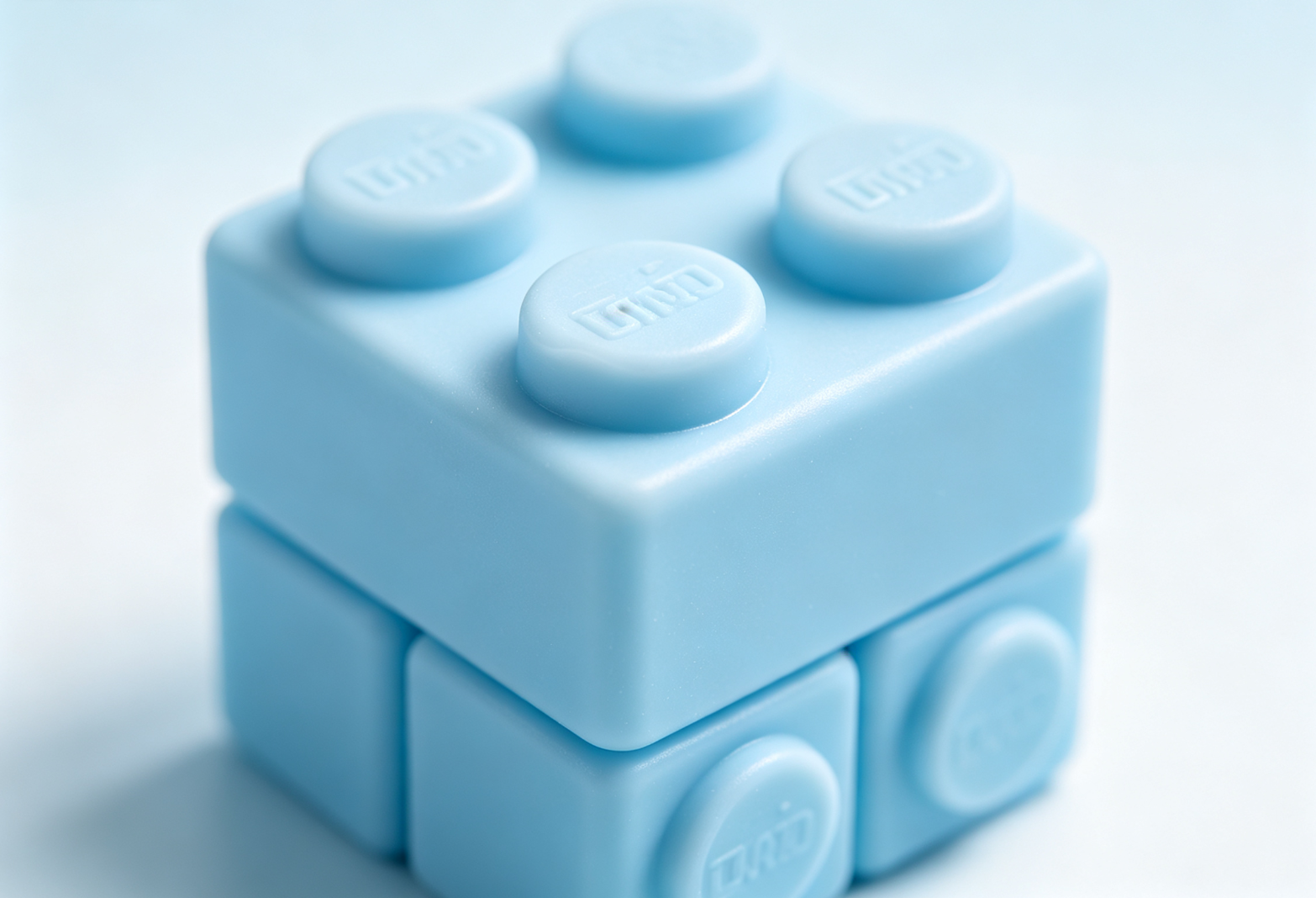
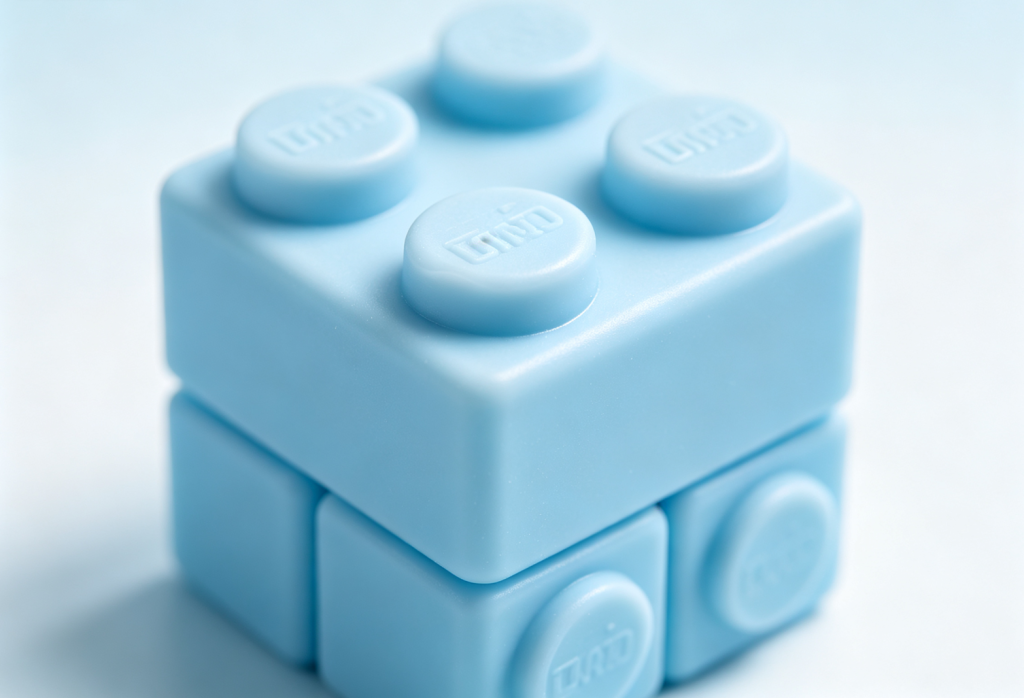
What’s the difference between imprinted building block stress toys and standard building sets?
Imprinted building block stress toys are typically smaller, simplified building pieces designed for quick, repetitive assembly — often used as a relaxation or fidget tool rather than a display model. Standard building sets prioritize detail and complexity over quick, repeatable builds.