
Quick answer: Block building toys span three major categories — classic construction sets, magnetic puzzle learning building block toys, and Minecraft building block toys. Choosing the right type depends on the child’s age, learning goals, and play environment. This guide covers how to evaluate quality, match sets to skill levels, and get the most from every build session.
Block building toys have been a staple of childhood development for decades, but the category looks very different today than it did even five years ago. Magnetic construction systems have moved into classrooms from Vancouver to Copenhagen. Minecraft-themed building sets have bridged the gap between screen time and hands-on play. And a growing wave of independent brands are giving families more choices than ever — including credible LEGO alternatives that deliver comparable quality at different price points.
This guide is built for US and European families and educators navigating those choices. Whether you’re sourcing sets for a kindergarten STEM corner, a preteen who’s deep into Minecraft, or a family game night that actually pulls everyone away from their phones — there’s a format here that fits. By the end, you’ll know exactly what to look for, how to set up a space that keeps builders engaged, and why ModelBuilder deserves a place on your shortlist.
Understanding the Three Key Types of Block Building Toys
Not all building sets work the same way, and the differences matter more than most buyers realize before their first purchase.
Classic Block Building Toys: Foundations First
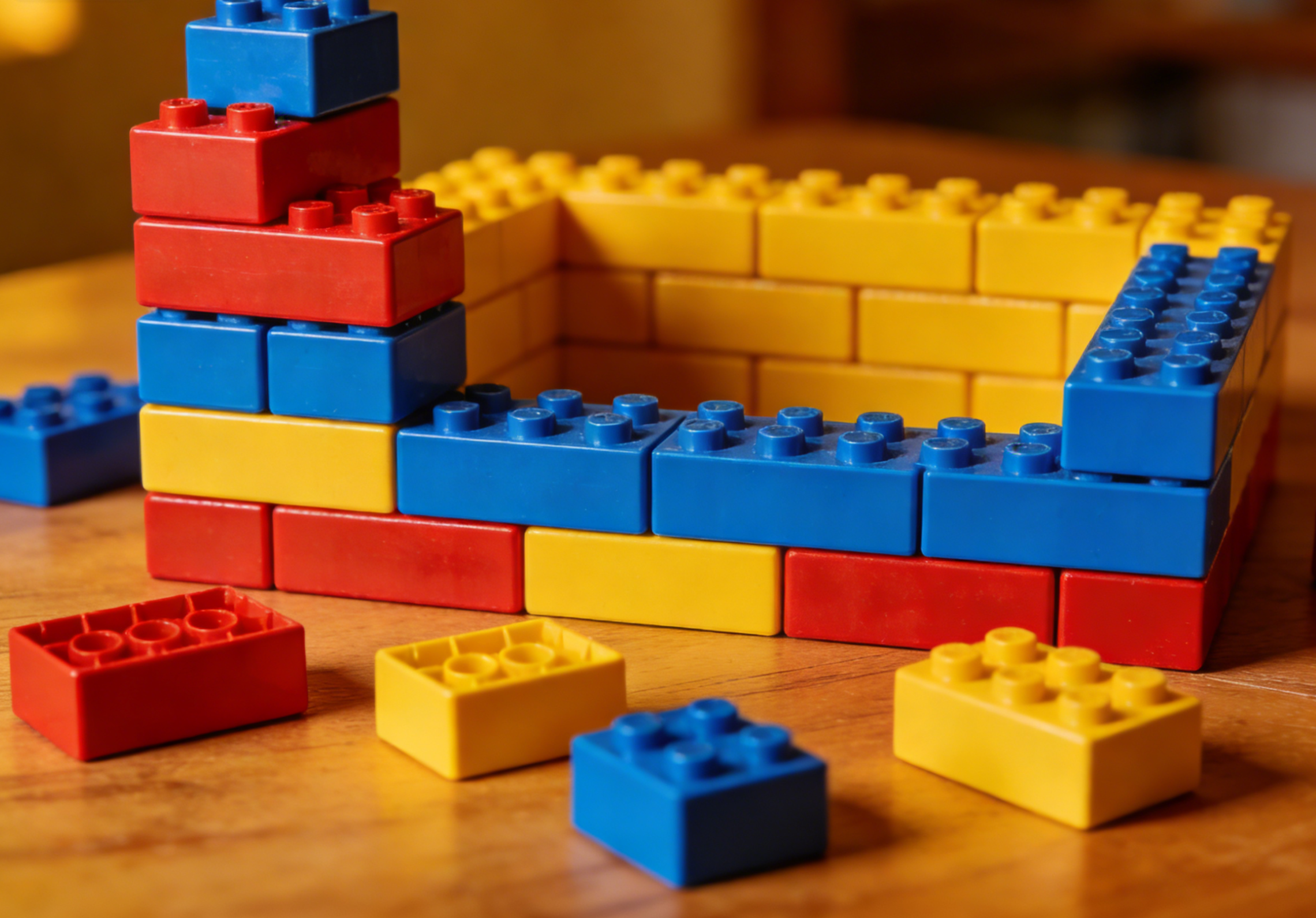
Block building toys in the traditional sense — interlocking plastic bricks, stacking wooden blocks, snap-together construction pieces — remain the most versatile category. They develop spatial reasoning, fine motor skills, and sequential thinking. For younger children (ages 3–6), large-format sets reduce frustration and build early confidence. For older builders (ages 8+), the challenge shifts toward architecture, storytelling, and structural problem-solving.
Classic sets work especially well as open-ended play tools. Unlike puzzle-based formats, there’s no defined end state — which means a single set can generate hundreds of different builds over months or years.
Magnetic Puzzle Learning Building Block Toys: STEM in 3D
Magnetic puzzle learning building block toys operate on a fundamentally different principle. Panels, tiles, and geometric shapes connect via embedded magnets, which means children can explore three-dimensional construction without the fine motor demands of traditional bricks. The magnetic feedback — that satisfying snap when two pieces align — also gives learners an immediate, tactile signal that their structure is sound.
These sets are particularly effective in educational settings. Teachers across the US and Europe use magnetic building systems to teach geometry, symmetry, and basic engineering principles in a format that’s self-correcting by design. When a shape doesn’t hold, children naturally investigate why — which is exactly the kind of inquiry-based learning that STEM curricula are built around.
For mixed-age classrooms or households with children of different skill levels, magnetic sets offer a rare combination: simple enough for a five-year-old to use independently, complex enough to challenge a ten-year-old working on a larger structure.
Minecraft Building Block Toys: From Screen to Table
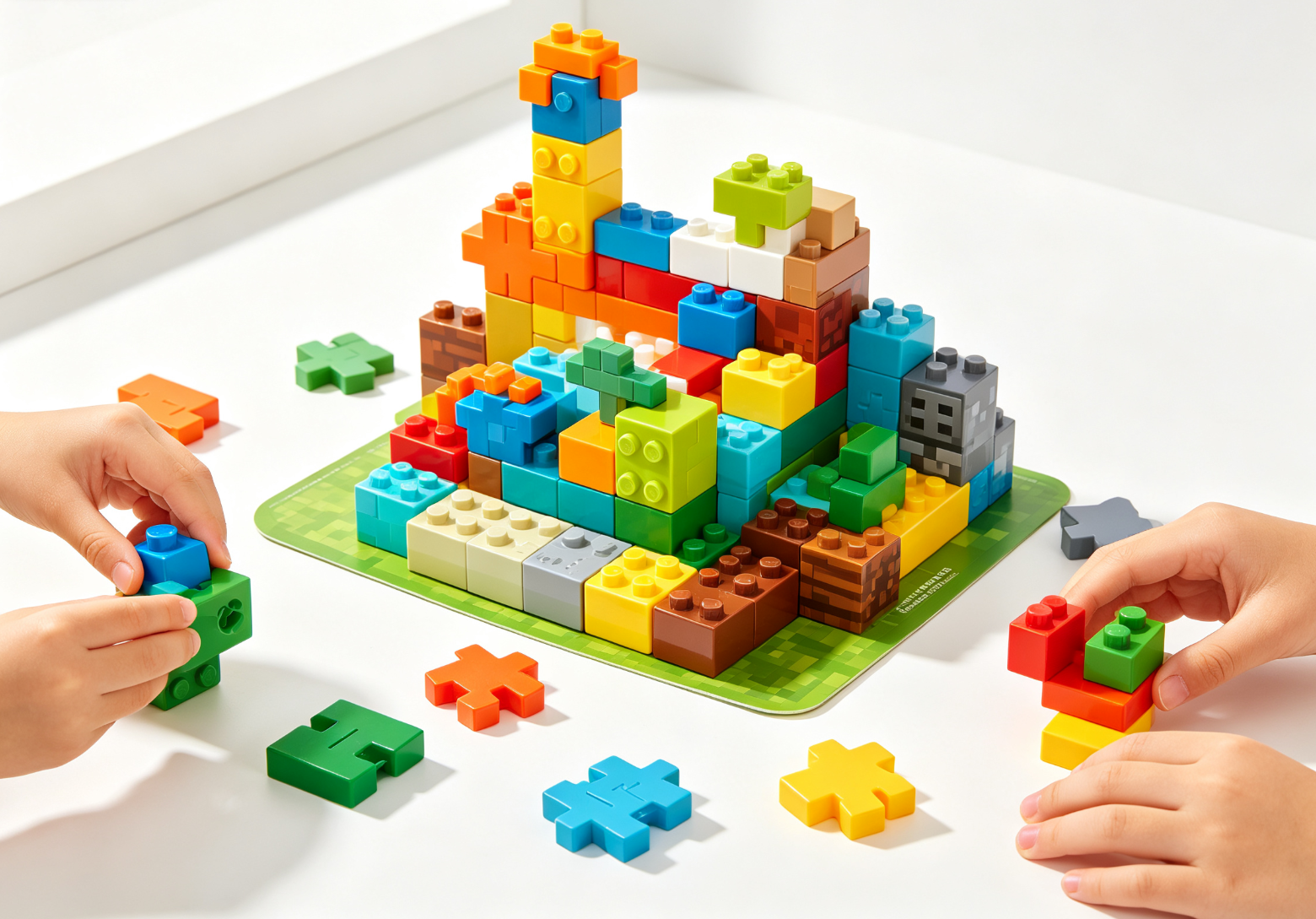
Minecraft building block toys solve a problem that parents and educators have wrestled with for years: how do you redirect a child’s screen-time passion into something tangible? Minecraft-themed building sets do exactly that. They translate the game’s iconic voxel aesthetic — blocky characters, pixelated biomes, recognizable mobs — into physical construction kits that work like traditional bricks.
The result is a category that motivates reluctant builders. Children who might resist a generic construction set will spend hours recreating a Nether fortress or a village scene they recognize from the game. That motivation is the entry point. The spatial thinking, planning, and problem-solving come along for the ride.
How to Evaluate Quality and Safety Standards in the US and Europe
Safety standards differ significantly across markets, and understanding what certifications to look for protects both children and buyers.
In the United States, look for compliance with ASTM F963, the standard consumer safety specification for toy safety developed by the American Society for Testing and Materials. Age grading on packaging is also regulated — if a set is labeled for ages 3+, it must meet specific requirements around small parts and choking hazards.
In Europe, the CE marking indicates conformity with EU toy safety directive EN 71. European standards often go further on chemical content, particularly around the restriction of hazardous substances (REACH regulations) in plastics and coatings.
For magnetic sets specifically, ask whether the magnets are encased in the building pieces or exposed. Loose or detachable high-powered magnets in children’s toys have been the subject of recalls in both markets. Reputable brands embed magnets securely within the tiles and test them to withstand repeated impact.
Quality indicators that hold across both markets:
- Consistent clutch power: Bricks that connect too loosely frustrate builders; pieces that connect too tightly are difficult for small hands
- Durable coloring: Pigment baked into the material, not painted on, resists fading and chipping
- Precision tolerances: High-quality molds produce pieces that fit together cleanly and separate without tools
- Eco-conscious materials: ABS plastic is industry-standard, but brands using recycled or sustainably sourced materials are increasingly available
How to Choose the Right Set by Age and Skill Level
Age guidance on packaging is a starting point, not a prescription. A seven-year-old who’s been building since age four may find sets labeled 7–10 frustrating for opposite reasons than a nine-year-old who’s just getting started.
| Age Range | Recommended Format | Key Features to Look For |
|---|---|---|
| 3–5 years | Large-format classic bricks or soft magnetic tiles | Chunky pieces, rounded edges, bright contrasting colors |
| 5–8 years | Magnetic puzzle sets or themed classic sets | Multi-shape variety, simple instruction guides, 50–150 pieces |
| 8–12 years | Minecraft sets or intermediate classic sets | Recognizable themes, 150–500 pieces, modular builds |
| 12+ / Adults | Advanced classic sets or large magnetic builds | 500+ pieces, detailed instruction booklets, display-worthy results |
For classroom use, prioritize versatility over theme. A set of 200 magnetic tiles serves more instructional purposes than a themed set of the same size, because children can return to it across different subjects and challenges.
For home use, follow the child’s current obsession. A kid who loves Minecraft will build longer, more elaborately, and with more focus using a Minecraft building block toy than they would with an equivalent generic set. Interest is the multiplier that no feature list can replicate.
How to Set Up an Engaging Building Environment at Home or in the Classroom
The physical environment shapes how children build — and how long they stay engaged.
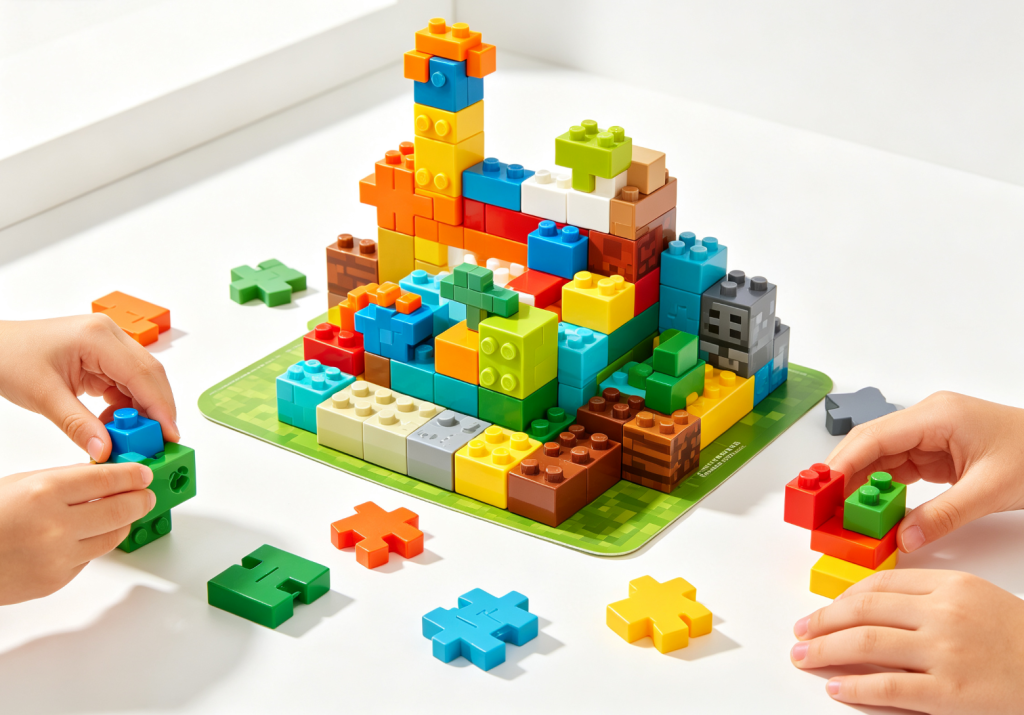
Surface matters. A dedicated flat surface (a low table, a baseboard mat, or even a sheet of white foam board) gives children a defined build zone that they can leave and return to without dismantling their work. This is especially important for longer projects that span multiple sessions.
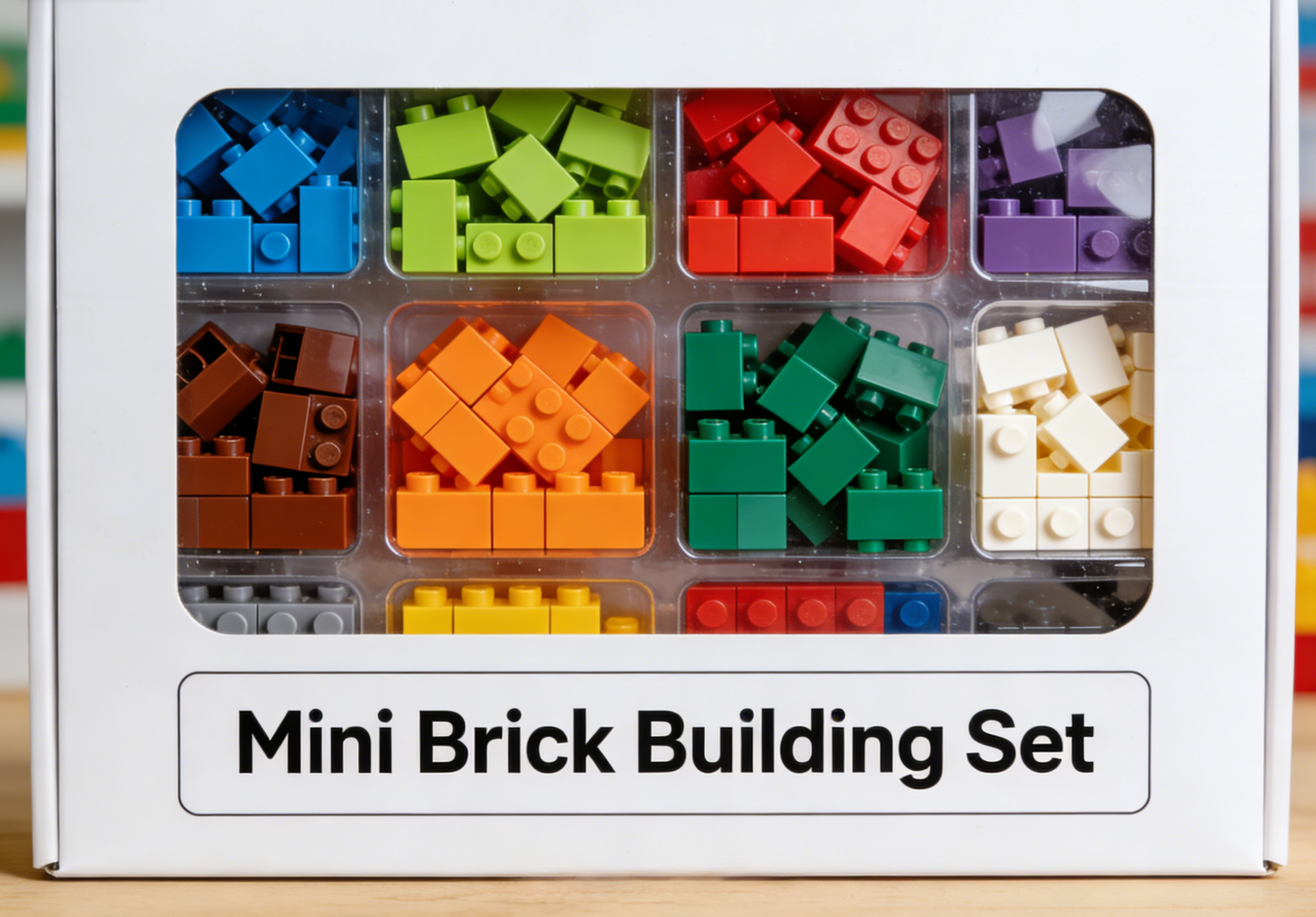
Storage drives variety. When all pieces are poured into a single bin, children tend to default to familiar shapes and avoid digging for specific parts. Sorting by color, shape, or piece type — even in simple labeled trays — significantly increases the range of builds children attempt.
Leave reference material visible. Printed photos of real-world architecture, screenshots from Minecraft builds, or finished model images give builders a target to work toward. This is particularly effective with older children who benefit from a challenge to reverse-engineer, rather than an open prompt.
For educators, rotating what’s available matters as much as what you stock. Introducing a new magnetic shape or a new set of themed pieces every few weeks resets children’s curiosity about a familiar category. The novelty doesn’t require a new purchase — it requires rotating what’s on the shelf.
How to Maximize Creativity and Learning Through Block Play
Building something is only half the value. The conversation around the build is where much of the developmental work happens.
Ask questions, not for corrections. “How did you decide to put that piece there?” yields more insight — and more thinking — than “Are you sure that’s stable?” The first question invites explanation; the second suggests a wrong answer.
Introduce constraints deliberately. “Build the tallest structure you can with only ten pieces” teaches children more about structural efficiency than an unconstrained build session. Constraints force creative problem-solving in a way that open-ended freedom sometimes doesn’t.
Connect builds to curriculum. For educators, the link between magnetic puzzle learning building block toys and geometry is obvious. Less obvious: using building sets to reconstruct historical structures (castles, bridges, monuments), model ecosystems, or visualize math concepts like fractions and area. The physical manipulation reinforces abstract understanding in a way that worksheets rarely achieve.
Document and celebrate. Photographs of completed builds, displayed in a classroom or shared in a family group chat, signal that the work is valued. Children build with more care and ambition when they know their creations will be seen.
Why ModelBuilder Is a Smart LEGO Alternative for Families and Educators
LEGO’s dominance in the building toy market is well-established, but dominance doesn’t mean it’s always the right fit. Price per piece, theme availability, and compatibility with a child’s specific interests all factor into a purchase decision — and that’s where alternatives earn their place.
ModelBuilder was built around a straightforward premise: builders deserve high-quality, detailed, creative sets that don’t require a LEGO-sized budget. The brand offers custom brick sets tailored to individual needs, themed collections that go beyond the mainstream, and educational workshops designed to develop problem-solving skills alongside building technique.
What separates ModelBuilder from generic alternatives isn’t just price. The design process moves from concept to prototype before production, which means each set is tested for both functional integrity and creative potential before it reaches a builder’s hands. Materials are selected for durability and safety, with eco-conscious sourcing built into the process rather than added as an afterthought.
For educators in the US and Europe, ModelBuilder’s workshop format is particularly relevant. Rather than purchasing sets and hoping children engage, the workshop model pairs the physical product with structured creative challenges — a combination that produces measurable learning outcomes and keeps classroom building sessions purposeful.
Families with children who’ve aged out of their first LEGO sets — or who want to expand their building library without doubling their spend — will find that ModelBuilder’s collections cover the themes and complexity levels that matter most to intermediate and advanced builders.
The customer feedback reflects this. Builders consistently highlight the creative freedom the sets enable and the quality of the construction experience. For parents weighing their options, that combination of build quality, educational value, and price point is exactly what makes a LEGO alternative worth taking seriously.
Explore the full range of sets and themed collections at ModelBuilder and find the right build for your family or classroom.
Build Smarter: Where to Go From Here
Block building toys reward investment — in the right set, the right environment, and the right kind of attention from the adults around young builders. The three categories covered here (classic construction, magnetic systems, and Minecraft-themed sets) each serve different needs, and the best collections for any family or classroom are usually a mix of all three.
Start with what motivates the builder in front of you. Match the format to the context — magnetic tiles for the classroom, themed sets for the child who needs a narrative to stay engaged, open-ended classic sets for the builder who wants total creative control. Then set up the space, ask the right questions, and get out of the way.
The builds that follow might surprise you.
Frequently Asked Questions
What is the difference between magnetic puzzle learning building block toys and classic building blocks?
Classic building blocks connect through mechanical interlocking — typically a stud-and-tube system. Magnetic puzzle learning building block toys connect via embedded magnets, which means pieces snap together and pull apart with less physical precision. This makes magnetic sets accessible to younger children and faster to build with, while classic brick systems offer more structural stability for complex, large-scale models.
Are Minecraft building block toys compatible with standard LEGO bricks?
Most Minecraft building block toys from major manufacturers use a standard stud size that is compatible with LEGO bricks. However, compatibility varies by brand and product line — always check the piece specifications before purchasing if cross-compatibility matters for your builder’s existing collection.
What safety certifications should I look for when buying block building toys in the US versus Europe?
In the US, look for ASTM F963 compliance. In Europe, the CE marking and conformity with EN 71 (EU Toy Safety Directive) are the key indicators. For magnetic sets in particular, verify that magnets are securely embedded and that the product has passed impact testing for magnetic retention.
At what age are magnetic building sets appropriate for children?
Most magnetic tile sets are designed for ages 3 and up, provided the pieces meet small-parts safety standards. Large-format magnetic tiles (with pieces larger than 5cm across) are generally safe from age three. Smaller magnetic construction systems with detailed geometric pieces are typically suited to ages five and above.
Is ModelBuilder a good LEGO alternative for classroom use?
Yes. ModelBuilder offers custom brick sets, themed collections, and educational workshops specifically designed to develop problem-solving and creative skills. The sets are built to educational standards, and the workshop model provides structured building challenges that align with STEM learning goals. For educators in the US and Europe looking for a quality, cost-effective LEGO alternative, ModelBuilder is worth evaluating.