
TL;DR: DIY building block toys offer the same creative satisfaction as LEGO at a friendlier price point, with options ranging from plastic bricks to sustainable wood building block toys. While Funko is known for pop culture figures rather than brick systems, brands like ModelBuilder deliver compatible, high-quality alternatives built for builders of every skill level. This guide walks you through what to look for, how to get started, and how to make the most of your next build.
Every builder remembers that first click. The satisfying snap of two bricks locking together, the moment a pile of loose pieces starts to look like something real. That feeling doesn’t belong exclusively to one brand. It belongs to anyone with the patience to sort pieces, follow a plan, and bring an idea to life brick by brick.
If you’ve spent any time browsing building sets lately, you’ve probably noticed the price tags climbing right alongside your ambitions. A single large-scale LEGO set can easily run past $300, and that’s before you factor in the smaller add-ons, replacement pieces, or the next set your kids are already asking about. This is exactly why so many builders — parents, collectors, engineers, and weekend hobbyists alike — are turning to DIY building block toys as a smarter, more flexible way to keep building.
This guide breaks down everything you need to know: what these alternatives actually are, how to choose the right one, whether Funko has entered the brick game, why wood options are gaining traction, and how a brand like ModelBuilder fits into the picture. By the end, you’ll have a clear plan for your next build — and a few new ideas for where to start.
What Are DIY Building Block Toys?
DIY building block toys are interlocking construction sets that let builders design, assemble, and customize their own creations, rather than following one fixed outcome. Unlike single-use puzzles or pre-built models, these toys are designed for open-ended play. You bring the vision. The blocks bring the flexibility.
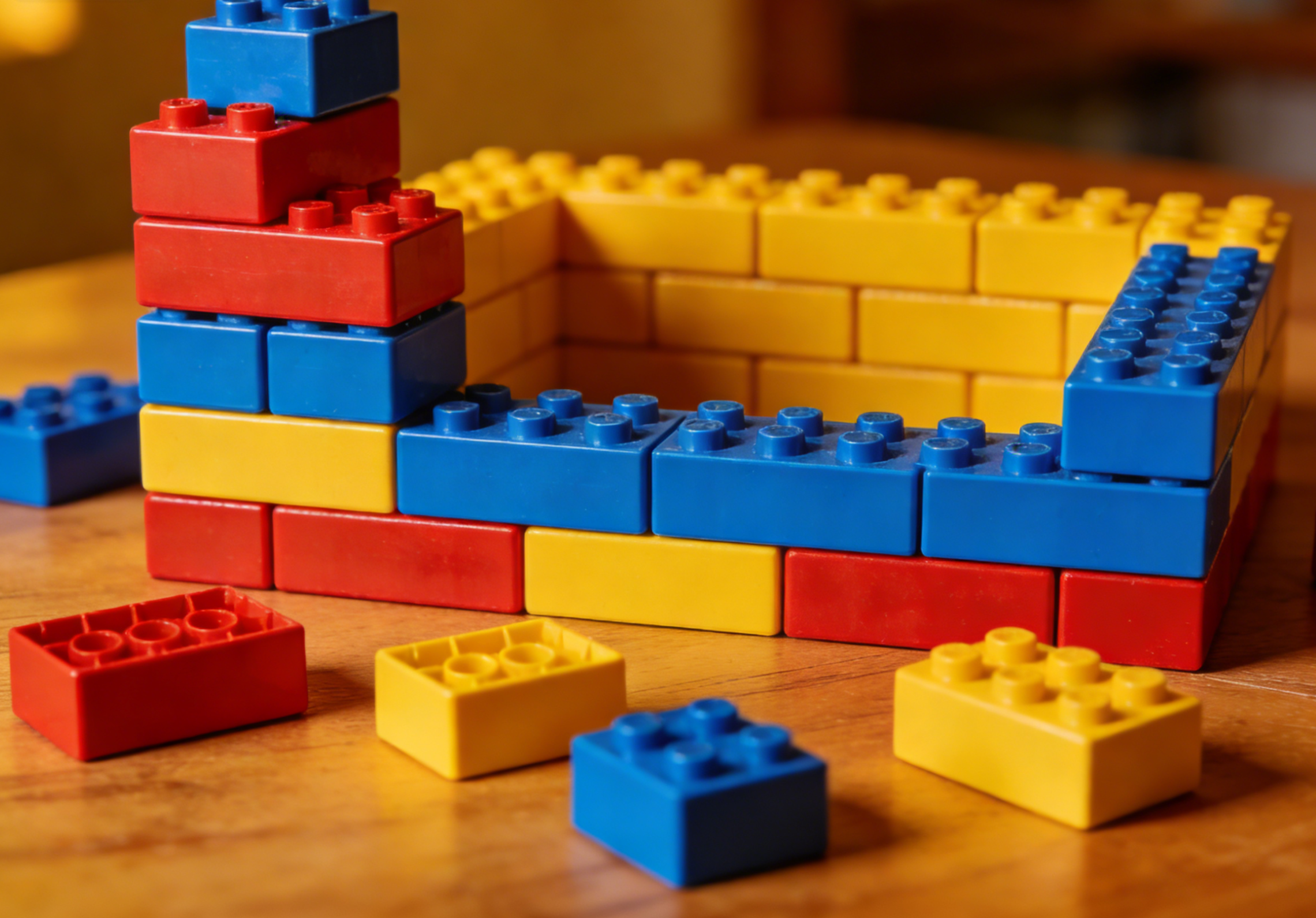
Most brick-based systems use a standardized stud-and-tube connection, which is why so many alternative brands are compatible with sets you may already own. This compatibility matters. It means your existing collection doesn’t have to sit unused just because you’ve branched out to a new brand.
These sets generally fall into a few categories:
- Classic plastic bricks — the most common format, valued for durability and near-universal compatibility.
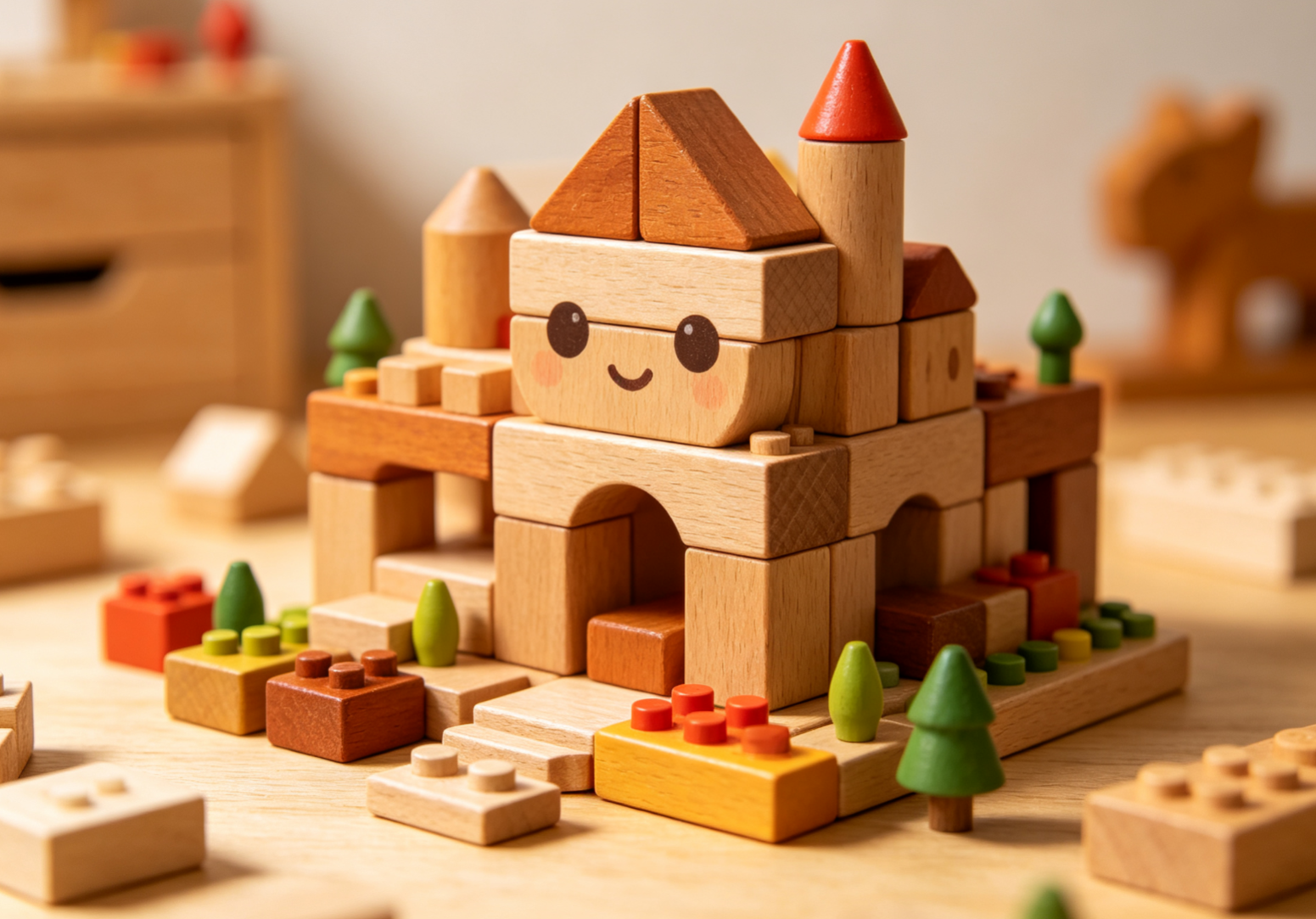
- Wood building block toys — a sustainable, tactile alternative that appeals to builders who want a more natural material in hand.
- Themed collections — sets built around specific worlds, vehicles, or architecture, ideal for collectors and display enthusiasts.
- Custom or modular kits — designed for creators who want to build original designs rather than follow a fixed instruction booklet.
Whether you’re an engineer who relaxes with a complex build after work, a parent introducing your child to STEM concepts, or a collector chasing that perfect display piece, there’s a category of DIY building block toys built with you in mind.
How to Choose the Right DIY Building Block Toys for Your Needs
Not every building set is created equal, and the “best” option really depends on who’s doing the building. Here’s how to narrow down your choice.
Consider the builder’s skill level
Beginners benefit from sets with clear, illustrated instructions and larger, simpler pieces. Advanced builders — especially those who enjoy architectural models or mechanical builds — will want sets with a higher piece count and more intricate design possibilities.
Think about compatibility
If you already own bricks from another brand, look for alternatives that use a standard stud size. This lets you mix and match, stretching your existing collection further instead of starting from scratch every time.
Factor in material preferences
Plastic bricks are lightweight, colorful, and easy to snap together. But if you’re drawn to a more organic building experience — or you’re shopping for a household that prefers natural materials — wood building block toys are worth exploring for their durability and tactile appeal.
Match the set to the purpose
Ask yourself what the set is really for. A display piece for a shelf calls for something detailed and visually striking. A toy meant for daily play with young children should prioritize safety and simple assembly. A collector’s set should offer scarcity or unique design elements that make it stand out.
Check community and support
A strong builder community can make all the difference when you hit a tricky step or want inspiration for your next project. Look for brands that offer visual guides, active online communities, or customer support to help you along the way.
Does Funko Make Building Block Toys Like LEGO?
This is one of the most searched questions among builders exploring alternatives, and the short answer is: not really. Does Funko make building block toys like LEGO? Funko is best known for its Pop! vinyl figures — the stylized, big-headed collectibles based on movies, games, and pop culture icons. Building bricks are not part of Funko’s core product lineup.
So if you’re specifically hunting for a brick-based building system, Funko products won’t scratch that itch. That said, understanding does Funko make building block toys like LEGO matters because it clarifies where to focus your search. Builders looking for genuine interlocking brick experiences should turn to dedicated construction toy brands instead — ones that design their entire product line around modular, buildable pieces rather than static collectible figures.
This is exactly where brands like ModelBuilder come in, offering purpose-built alternatives designed from the ground up for creative construction, not display-only collectibles.
A Guide to Wood Building Block Toys: Benefits and Best Uses
While plastic bricks dominate the market, wood building block toys have carved out a loyal following — and for good reason.
Why builders are choosing wood
Wood blocks bring a warmth and tactile quality that plastic simply can’t replicate. They’re often praised for their durability; a well-made wood block can survive years of stacking, dropping, and rebuilding without cracking or fading. For environmentally conscious families, wood also tends to align better with sustainability goals, especially when sourced responsibly.
Best uses for wood building sets
- Early childhood development: Larger wood blocks are excellent for toddlers building fine motor skills and spatial reasoning.
- Open-ended imaginative play: Without the constraints of interlocking studs, wood blocks encourage freeform stacking and creative structures.
- Home decor and display: Natural wood tones fit beautifully into minimalist or Scandinavian-inspired interiors, making finished builds display-worthy on their own.
- Multi-generational play: Wood sets often bridge the gap between toddler play and adult craftsmanship, making them a great choice for family building sessions.
If you’re building a home library of construction toys, pairing plastic brick sets with a few wood building block toys gives you the best of both worlds: precision engineering for detailed builds, and organic, sensory-rich play for open-ended creativity.
How ModelBuilder Stands Out as a LEGO Alternative
Among the growing field of brick alternatives, ModelBuilder has built a reputation around three things: creative design, premium quality, and genuine community support.
Creative, original designs
ModelBuilder doesn’t simply replicate what’s already on the market. Its team develops original themed collections and custom brick sets designed to spark imagination rather than just recreate existing franchises.
A quality-first production process
ModelBuilder’s process starts with a detailed design concept, followed by careful material selection using eco-friendly, durable components. Every set moves through prototype development before final production, ensuring the finished product meets rigorous quality and safety standards before it reaches your hands.
Built for a real community
ModelBuilder places genuine emphasis on community — from educational workshops that build creativity and problem-solving skills, to a customer base that actively shares feedback and experiences. As one customer, John Smith, shared: “ModelBuilder’s alternatives to LEGO have opened a whole new world for my kids. They love the unique designs and creative freedom.” Another customer, Emily Jones, praised the brand’s commitment to safety: “As a parent, I appreciate the quality and safety of ModelBuilder’s products. They not only spark creativity in my child but also provide hours of fun!”
For builders comparing options across custom brick sets, themed collections, and educational kits, ModelBuilder’s full range is worth a closer look, especially if compatibility, quality, and creative freedom top your priority list.
Step-by-Step: How to Get Started with DIY Building Block Toys
Ready to start your next build? Here’s a simple roadmap.
Step 1: Define your goal. Are you building for relaxation, education, display, or family bonding? Your answer shapes everything else.
Step 2: Set a budget. Building sets range widely in price. Decide upfront what you’re comfortable spending, and remember that alternative brands often deliver comparable quality at a fraction of premium-brand pricing.
Step 3: Choose your material. Decide between classic plastic bricks, wood building block toys, or a mix of both depending on your intended use.
Step 4: Pick a skill-appropriate set. Beginners should start with smaller piece counts and clear instructions. Experienced builders can jump into complex, multi-stage builds.
Step 5: Create a dedicated building space. A clean, well-lit surface with room to sort pieces makes the entire process smoother and more enjoyable.
Step 6: Join a community. Whether it’s an online forum or a local builders’ group, connecting with other enthusiasts adds a layer of motivation and inspiration to your hobby.
Step 7: Start small, then scale up. Complete a manageable project first. That early win builds confidence for tackling larger, more ambitious builds down the line.
Tips for Getting the Most Out of Your Building Block Experience
Once you’ve got your first set in hand, a few habits can elevate the entire experience:
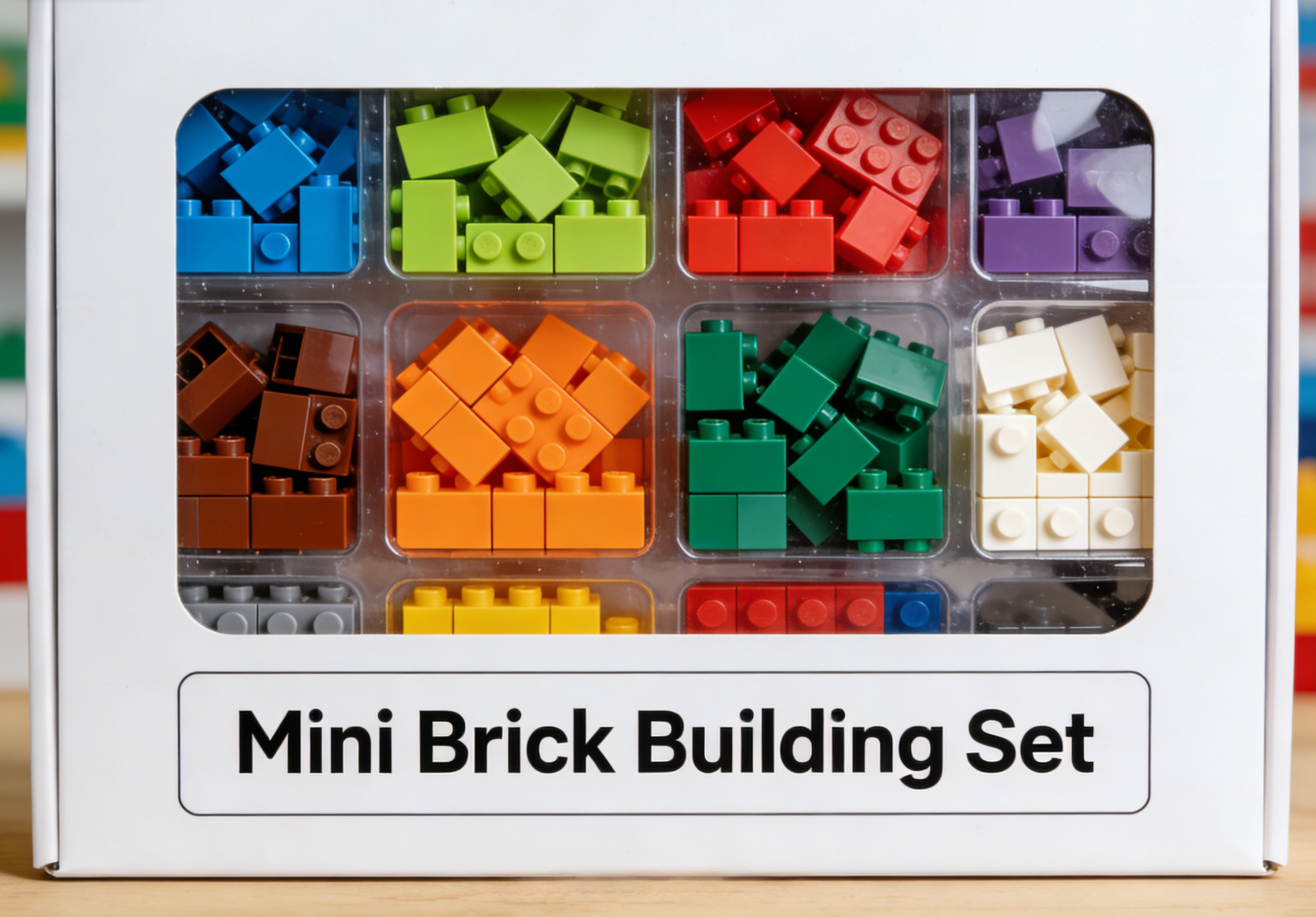
- Sort before you start. Organizing pieces by color, size, or type before assembly saves time and reduces frustration mid-build.
- Document your builds. Photos of finished projects — and even works in progress — are great for tracking your progress and sharing with online communities.
- Mix brands strategically. Compatible DIY building block toys let you combine pieces from different sets to create entirely original designs.
- Rotate your projects. Alternating between quick builds and long-term projects keeps the hobby fresh and prevents burnout.
- Involve the whole family. Building together turns a solo hobby into a shared experience, especially valuable for STEM-focused learning at home.
- Explore themed collections. If you enjoy collecting, look for themed and limited sets that offer both display value and a fun building challenge.
Final Thoughts: Building Without Limits
The building toy world has expanded far beyond a single dominant brand, and that’s genuinely good news for builders. Whether you’re drawn to the tactile charm of wood building block toys, curious about where Funko fits into the picture, or simply looking for DIY building block toys that stretch your budget further, there’s an alternative built for your exact building style.
The best next step? Start small. Pick one project, gather your pieces, and build. Every great collection — and every confident builder — starts with a single completed set.
Frequently Asked Questions
Are DIY building block toys compatible with LEGO?
Many alternative brands, including several wood and plastic options, are designed with standard stud dimensions, making them compatible with existing LEGO collections. Always check the product description to confirm compatibility before mixing brands.
Does Funko make building block toys like LEGO?
No. Funko is primarily known for its Pop! vinyl figures and collectibles, not interlocking brick systems. Builders looking for brick-based construction toys should look to dedicated brick brands instead.
Are wood building block toys safe for young children?
Most wood building block toys are designed with rounded edges and non-toxic finishes, making them safe for young children under proper supervision. Always check age recommendations and material certifications before purchasing.
Why are DIY building block toys more affordable than LEGO?
Alternative brands often operate with lower overhead and licensing costs since they aren’t tied to major entertainment franchises, allowing them to offer comparable quality at a lower price point.
What makes ModelBuilder different from other LEGO alternatives?
ModelBuilder focuses on original creative designs, eco-friendly materials, and a structured quality process from concept to final production, backed by an engaged builder community and hands-on educational workshops.