
Quick answer: Building block toys strengthen fine motor skills, spatial reasoning, and problem-solving in children and adults alike. The best approach combines open-ended free play with structured challenges, themed sets, and community sharing. ModelBuilder’s brick systems work as compatible LEGO alternatives, giving builders of all ages a flexible, affordable way to turn imagination into physical models.
Every parent knows the sound of a bucket of bricks hitting the floor. What follows next says a lot about how kids learn. Some sort by color. Others start stacking without a plan. A few will spend twenty minutes building a wall just to knock it down and start over. That instinct to experiment, fail, and rebuild is exactly why building block toys remain one of the most studied tools in early childhood education, and why they’ve held their place in adult hobby communities for decades.
This guide breaks down how building blocks support learning at different ages, how to structure play so it stays engaging rather than repetitive, and how brands like ModelBuilder are expanding what’s possible for builders who want more variety, better pricing, or unique designs outside traditional brick systems.
Why do building blocks matter for child development?
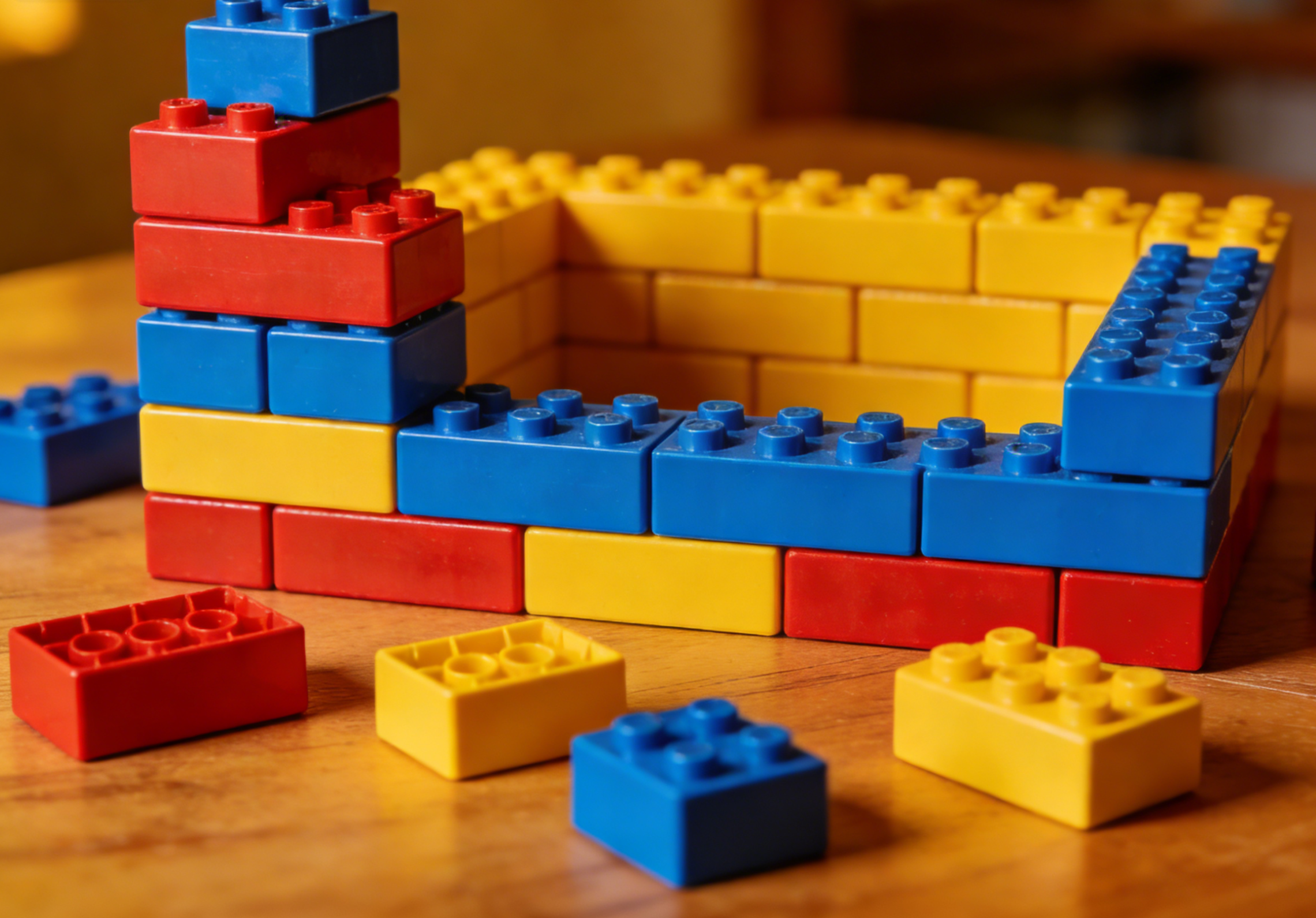
Building blocks give children a physical outlet for concepts that are otherwise abstract. Balance, symmetry, gravity, and cause-and-effect all become tangible the moment a tower falls over. Occupational therapists frequently recommend block play to strengthen the small hand muscles used in writing, and educators point to it as an early introduction to engineering logic: if this piece goes here, that structure holds; if it doesn’t, the builder adjusts.
For families looking to reduce screen time without sacrificing engagement, block play checks a lot of boxes. It’s tactile, social, and endlessly repeatable. No two builds look the same, even with identical pieces.
What skills do kids actually develop through block play?
Four skill areas show up consistently in research and classroom observation:
- Spatial reasoning — understanding how shapes relate to one another in three dimensions
- Fine motor control — the pinch, twist, and press motions required to connect small pieces
- Sequential planning — thinking several steps ahead before a structure becomes unstable
- Collaborative problem-solving — negotiating design decisions when building with siblings or classmates
None of these develop from a single session. They build gradually, which is why consistency matters more than any individual set.
How should you introduce building blocks by age group?
Not every child benefits from the same set of pieces. Matching complexity to developmental stage keeps frustration low and curiosity high.
Ages 3–5: Larger, simpler pieces work best. The goal here isn’t precision, it’s confidence. Let toddlers stack, sort, and knock things down freely.
Ages 6–9: This is where instruction-based sets start paying off. Kids in this range can follow multi-step guides and start understanding how smaller components combine into larger systems.
Ages 10 and up: Complexity becomes the reward. Detailed architectural models, mechanical builds, and themed collections give older kids and teens something to genuinely master rather than just complete.
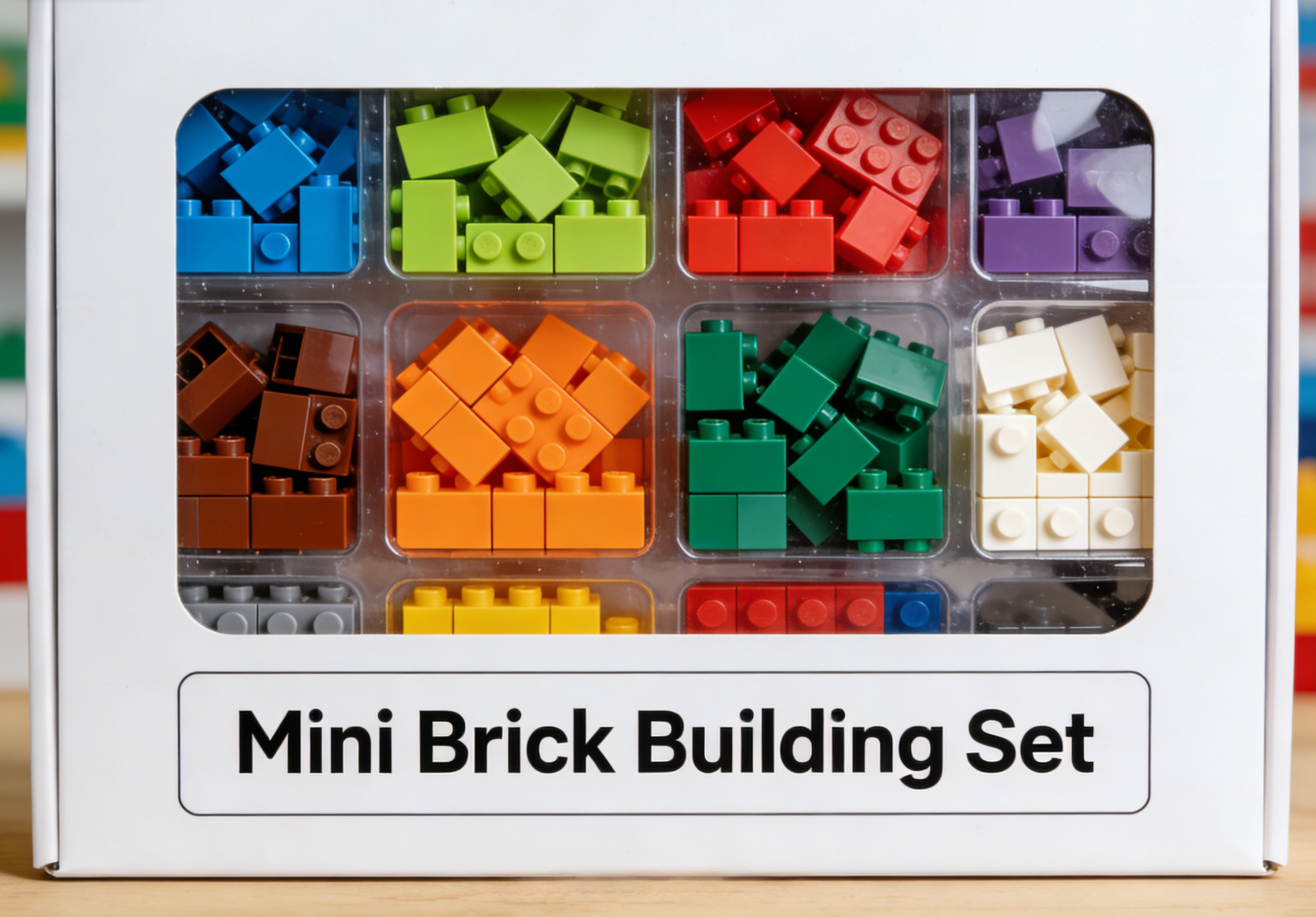
Families exploring options beyond the traditional brick market often browse ModelBuilder’s themed collections to find sets that match a child’s specific interests, whether that’s vehicles, structures, or fantasy-inspired designs.
Are building blocks still valuable for adult builders?
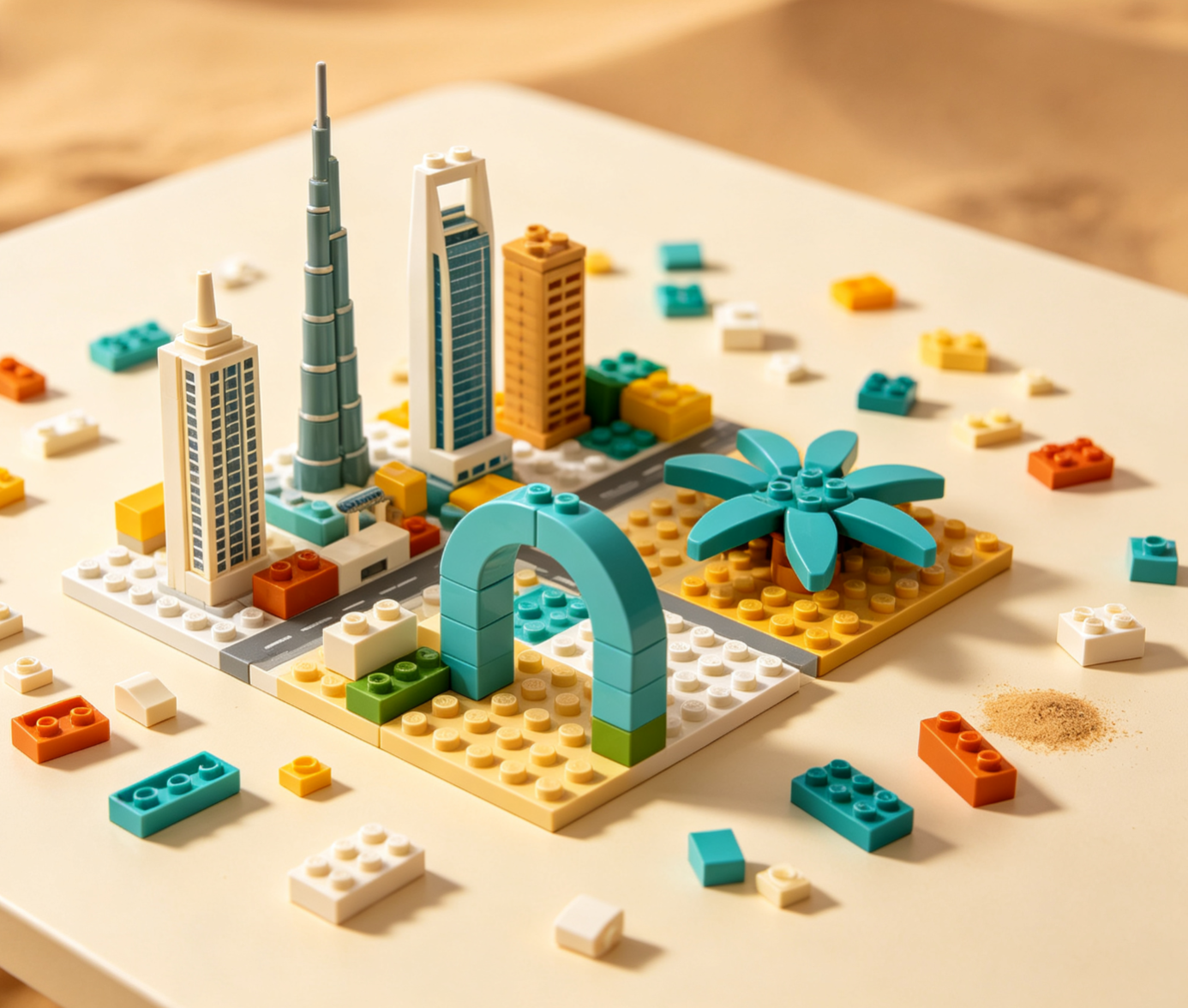
Yes, and increasingly so. Adult building has grown into its own hobby category over the past decade, driven largely by builders in engineering, design, and IT who treat block construction as a form of deliberate relaxation. Complex modular builds offer the same appeal as puzzles or model kits, but with a tactile, three-dimensional payoff.
Adult builders also tend to gravitate toward community sharing. Online forums and social groups are full of custom designs that never came from an official instruction booklet. This is where STEM toys stop being just an educational category and start functioning as a creative medium in their own right.
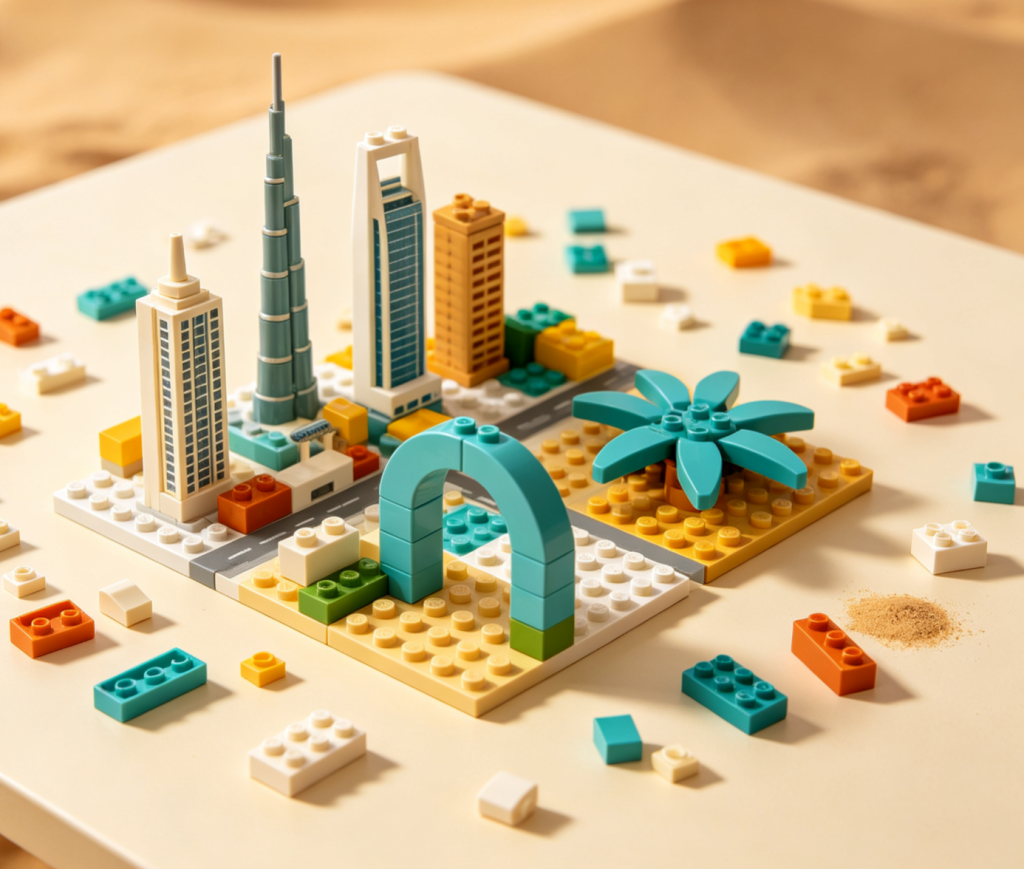
Why are LEGO alternatives gaining popularity among adult collectors?
Cost and variety are the two biggest drivers. Traditional brick sets, particularly large architectural or collector-tier builds, can carry premium price tags. LEGO alternatives from brands like ModelBuilder offer compatible piece systems at a lower cost, which matters for collectors building multiple large-scale models or maintaining an extensive personal collection.
Design variety plays a role too. Builders looking for something outside the mainstream catalog often find that alternative brands move faster on niche themes or offer custom set options that aren’t widely available elsewhere. ModelBuilder’s custom brick sets are one example of this shift toward personalization rather than one-size-fits-all collections.
Choose a LEGO alternative if piece cost, custom design options, or specific themed collections matter more to you than sticking with a single established brand. Stick with mainstream sets if brand-specific compatibility with an existing collection is the priority.
What’s the best way to structure a family building session?
Structure doesn’t mean rigidity. It means giving a session enough shape that it stays engaging past the first ten minutes.
- Start with a loose theme. “Build something that moves” works better than “build anything.”
- Set a time box. Thirty to forty-five minutes keeps younger builders focused without burning out.
- Introduce a small constraint. Limiting piece color or count pushes creative problem-solving.
- Leave room for a “reveal.” Kids stay more engaged when there’s a moment to show off the finished build.
- Photograph the result. It gives the session a sense of completion and gives kids a reason to want to build again.
Educational workshops built around this kind of structured-but-flexible format have become a growing part of how brands like ModelBuilder support classrooms and family groups. Their educational workshops are designed specifically around this balance between guided challenge and open creativity.
How do you keep building block play from getting repetitive?
Repetition is the biggest threat to long-term engagement, especially with kids who cycle through hobbies quickly. A few strategies help extend interest:
- Rotate themed sets every few months rather than sticking with one collection indefinitely
- Mix free-build sessions with instruction-guided builds so kids experience both structure and open creativity
- Introduce a community element, even something as simple as sharing photos with extended family or joining an online builder group
- Add small challenges, like rebuilding a model using fewer pieces than the instructions call for
Collectors face a version of this too. Sticking exclusively to one product line eventually feels stale, which is part of why themed and limited releases hold so much appeal across the hobby.
Build something worth showing off
Building blocks reward patience in a way few other toys do. There’s no shortcut to a finished model, just steady, hands-on progress piece by piece. That process teaches planning, patience, and problem-solving without ever feeling like a lesson.
Whether you’re setting up a first building session for a toddler or expanding a personal collection with new architectural sets, the right pieces make the difference between a toy that gets used once and one that gets returned to for years. Explore ModelBuilder’s full range of sets and workshops to find the next build worth your time.
Frequently Asked Questions
What age is appropriate to start with building block toys?
Most children can begin with larger, simplified building blocks around age 3. Instruction-based sets with smaller pieces are generally better suited for children ages 6 and up, once fine motor control and patience have developed further.
Are LEGO alternatives compatible with existing brick collections?
Many LEGO alternatives, including ModelBuilder’s product lines, are designed to be compatible with standard brick dimensions, allowing builders to combine sets from different brands within the same model.
Do building blocks actually improve STEM skills, or is that overstated?
Building blocks support core STEM-adjacent skills like spatial reasoning, sequential planning, and basic engineering logic. They’re not a substitute for formal instruction, but they build an intuitive foundation that supports later STEM learning.
How much should I expect to spend on a quality building block set?
Pricing varies widely based on piece count and set complexity. LEGO alternatives typically offer lower per-piece costs than premium mainstream brands, making them a practical option for larger or more frequent builds.
Is adult building block play a legitimate hobby, or mainly for kids?
Adult building has become a well-established hobby, particularly among builders in engineering, design, and creative fields. Complex modular sets and collector-tier builds are specifically designed with adult builders in mind.