

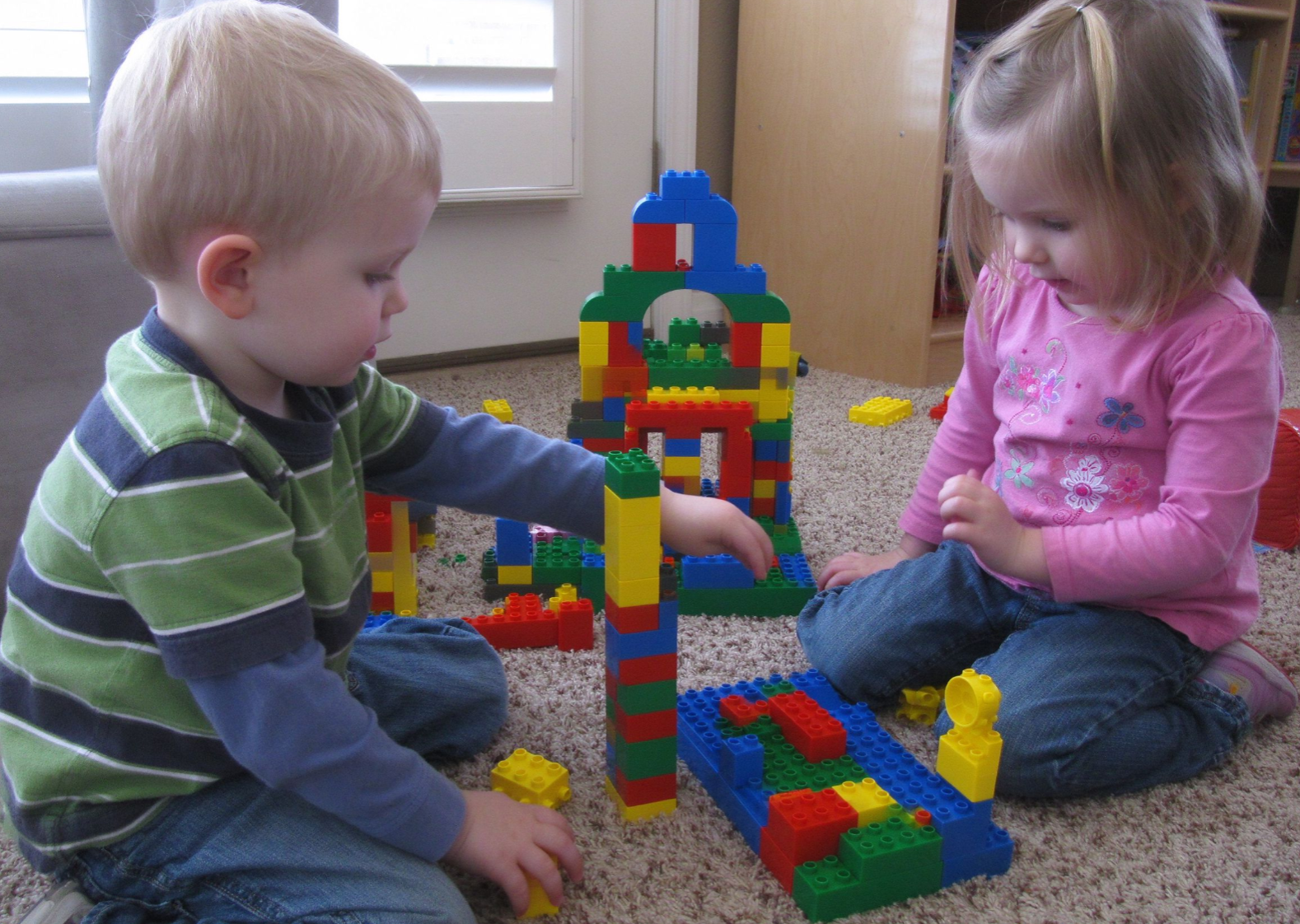
Quick answer: The best building blocks for preschoolers are large, chunky pieces made from non-toxic, BPA-free materials, sized to prevent choking hazards for children under 3. Look for sets with simple compatibility, open-ended pieces, and age-appropriate complexity. Set up a dedicated play space, introduce blocks gradually, and rotate pieces regularly to keep your child engaged and learning.
Watching a three-year-old stack blocks for the tenth time in a row might look like simple repetition to an outside observer. But something much bigger is happening. Every tower built and knocked down is a tiny experiment in cause and effect, balance, and persistence. Building blocks remain one of the few toys that have survived generations of trend cycles, and preschool educators consistently point to block play as one of the most effective tools for early childhood development.
For parents, though, the toy aisle can feel overwhelming. Which sets are age-appropriate? What materials are actually safe? And how do you keep a four-year-old interested in the same bucket of blocks week after week? This guide walks through exactly how to choose, set up, and use preschool building blocks so your child gets the most out of every play session.
How Do You Choose the Right Building Blocks for Preschoolers?
Not all blocks are built the same, and the choice matters more during the preschool years than almost any other stage. Children between ages 3 and 5 are still developing the fine motor control, judgment, and body awareness that make certain products safer or more useful than others.
What Size and Safety Features Should Preschool Blocks Have?
Choose blocks large enough that they can’t be swallowed, with no small, detachable pieces for children under 3. For ages 3 to 5, slightly smaller interlocking pieces are fine, but always check the manufacturer’s age grading printed on the box. Rounded edges, non-toxic coatings, and a flame-retardant certification are standard markers of a safety-conscious product. If a set includes small accessory pieces, keep them separate until you’re confident your child understands not to put toys in their mouth.
Why Does Material Quality Matter in Building Blocks?
Material quality affects both safety and durability. Wood and ABS plastic are the two most common materials in quality block sets, and both can last through years of daily play when manufactured properly. Look for BPA-free, phthalate-free labeling, and avoid blocks with strong chemical odors straight out of the box, which can signal lower-grade plastic. Well-made blocks also snap together with consistent resistance. Pieces that are too loose fall apart mid-build and frustrate young builders; pieces that are too tight can be difficult for small hands to separate.
How Important Is Compatibility and Variety in a Block Set?
Compatibility determines how far a collection can grow. A set that only works with its own proprietary pieces limits creativity once your child outgrows the starter kit. Building blocks for preschoolers that are compatible with other major block systems give you the flexibility to mix sets, combine themes, and expand a collection gradually instead of repurchasing an entirely new system every year. Variety in shape, color, and size also matters. A box filled with identical square blocks offers far fewer creative possibilities than a set with arches, wheels, slopes, and figures.
How Do You Set Up a Play Environment With Building Blocks for Preschoolers?
The environment around the blocks matters almost as much as the blocks themselves. A cramped, cluttered space makes building frustrating before a child even picks up a single piece.
Start with a flat, open surface — a rug, a low table, or a dedicated play mat works well. Keep the area free of foot traffic so towers aren’t accidentally knocked over mid-build. Store blocks in clear, low bins your child can access independently; this builds a sense of ownership and encourages self-directed play rather than requiring an adult to retrieve toys from a high shelf.
Lighting matters too. A well-lit space helps children see color and shape details clearly, which supports the visual discrimination skills they’re developing at this age. Some families designate an entire corner of a playroom as a permanent “building zone,” which signals to a child that unfinished creations can be left standing without getting cleaned up right away. ModelBuilder’s sets are designed with simple, modular organization in mind, making it easier to create a space where kids can find what they need without adult help.
How Do You Introduce Building Blocks to a Preschooler Step by Step?
Handing a child a full bucket of blocks and walking away rarely produces the deep, focused play parents hope for. A short, structured introduction makes a real difference.
- Start small. Begin with 10 to 15 pieces rather than the full set. A smaller selection is less overwhelming and easier for a child to visually process.
- Demonstrate first. Build something simple — a tower, a bridge, a wall — while your child watches, narrating what you’re doing as you go.
- Invite participation. Ask your child to add the next piece or try copying what you built. Avoid correcting their version; the goal is exploration, not precision.
- Let them lead. Step back once your child is engaged. Resist the urge to fix a wobbling tower or suggest a “better” design.
- Expand gradually. Add more pieces and new shapes over several sessions as your child’s confidence grows.
- Celebrate the process, not just the product. Acknowledge effort and problem-solving, even when a build falls apart.
This gradual approach respects a preschooler’s attention span, which typically ranges from 5 to 15 minutes depending on age and interest level.
How Do Building Blocks Help Develop Key Skills in Preschoolers?
Block play isn’t just entertainment. It’s one of the few toy categories that simultaneously supports physical, cognitive, and social development.
How Do Building Blocks Support Fine Motor Skills?
Picking up, rotating, and connecting blocks strengthens the small muscles in the hands and fingers that children will later use for writing, buttoning clothes, and using utensils. The pincer grip required to align small pieces also improves hand-eye coordination with repeated practice.
How Do Building Blocks Support Cognitive Development?
Every build is a small exercise in spatial reasoning. Children learn to predict how pieces will fit together, test out balance and stability, and problem-solve when a design doesn’t work the first time. This kind of trial-and-error thinking lays early groundwork for the logical reasoning skills used later in math and engineering. According to early childhood researchers, open-ended construction play is strongly associated with stronger spatial and problem-solving abilities in later school years.
How Do Building Blocks Support Social and Emotional Learning?
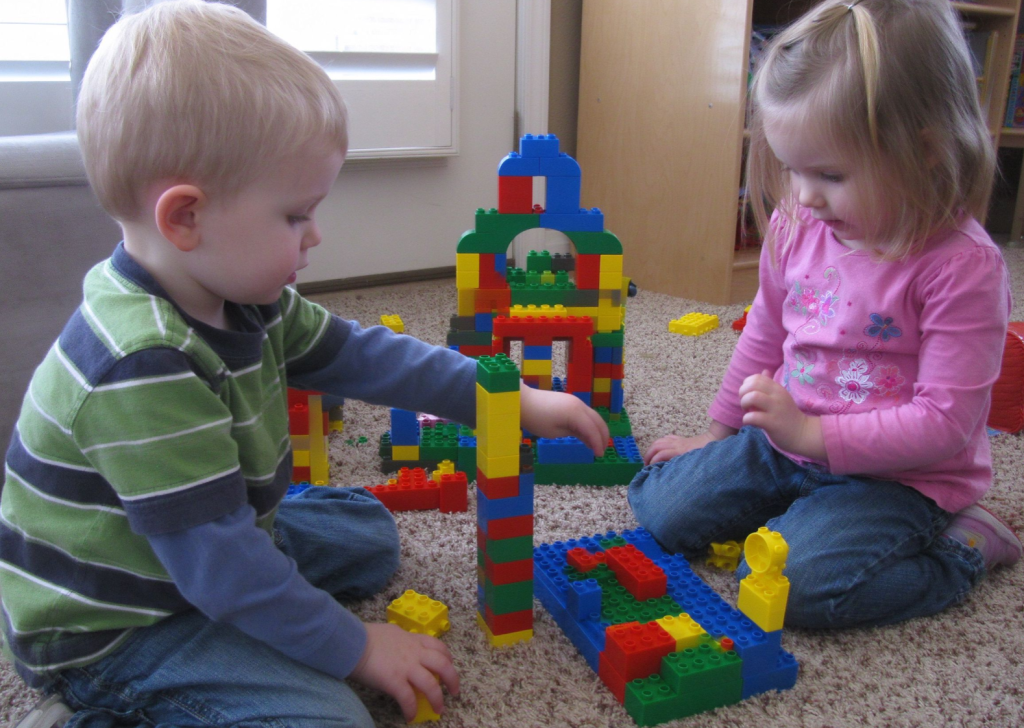
When block play happens with siblings or classmates, children practice sharing pieces, negotiating ideas, and collaborating toward a shared goal. Even solo play builds emotional resilience: a tower that collapses teaches a child how to handle frustration and try again rather than give up.
How Do You Keep Building Block Play Fresh and Engaging?
Even the best set of blocks can start to feel stale after a few weeks of daily play. Here’s how experienced parents keep interest alive:
- Rotate pieces. Store half the collection out of sight and swap it in every few weeks. The “new” pieces feel exciting again, even though they’ve been in the house all along.
- Add a challenge. Suggest building the tallest tower, a bridge that a toy car can drive under, or a structure using only one color.
- Combine with other toys. Mixing blocks with toy animals, cars, or figures opens up imaginative storytelling play.
- Follow current interests. If your child is into dinosaurs this month, suggest building a dinosaur enclosure. Tying block play to their current obsession keeps engagement high.
- Build together occasionally. Parent involvement doesn’t need to happen every session, but periodic collaborative building reinforces the activity’s value and creates a shared experience.
ModelBuilder: A Smart Alternative for Preschoolers
Parents looking for building blocks for preschoolers that balance safety, compatibility, and creative range have a lot of options on the market today. ModelBuilder offers an alternative to traditional building brick brands, built with the same attention to durability and design quality that older kids and adult hobbyists expect, scaled down to suit younger builders.
ModelBuilder sets are compatible across collections, so a starter set purchased for a three-year-old can grow alongside your child as their skills develop, without requiring an entirely new ecosystem of pieces. The company’s themed collections also give parents an easy way to match block play to a child’s current interests, whether that’s vehicles, animals, or imaginative building scenes. For families exploring their first block set or looking to expand an existing collection, ModelBuilder’s full range is worth a look.
Building a Foundation, One Block at a Time
Choosing the right building blocks for preschoolers comes down to three things: safety, quality, and room to grow. Pair the right set with a thoughtful play environment and a patient, gradual introduction, and you’ll likely see more than just entertained kids — you’ll see developing fine motor skills, early problem-solving ability, and genuine creative confidence.
Block play doesn’t need to be complicated or expensive to be effective. Start small, follow your child’s interests, and let the blocks do the rest.
Frequently Asked Questions
At what age should a child start playing with building blocks?
Most children can safely begin with large, soft blocks around 12 months old. Smaller interlocking blocks designed for preschoolers are generally appropriate starting around age 3, once a child has outgrown the choking-hazard risk associated with smaller pieces.
How many building blocks does a preschooler need to start?
A starter set of 50 to 100 pieces is typically enough for a preschooler. Introducing too many pieces at once can overwhelm a young child; it’s better to start small and expand the collection gradually.
Are wooden or plastic building blocks better for preschoolers?
Both materials can be excellent choices. Wooden blocks tend to be heavier and more durable over decades of use, while plastic interlocking blocks offer more building versatility through connection points. The right choice depends on whether you prioritize open-ended stacking play or structured, connectable building.
How long should a preschooler play with building blocks per session?
Most preschoolers can focus on block play for 5 to 15 minutes at a time, though engaged children may play longer, especially with adult participation or a specific building challenge.
Can building blocks help with speech and language development?
Yes. Narrating builds together, naming shapes and colors, and describing spatial relationships like “on top of” or “next to” all support vocabulary growth during block play.


