

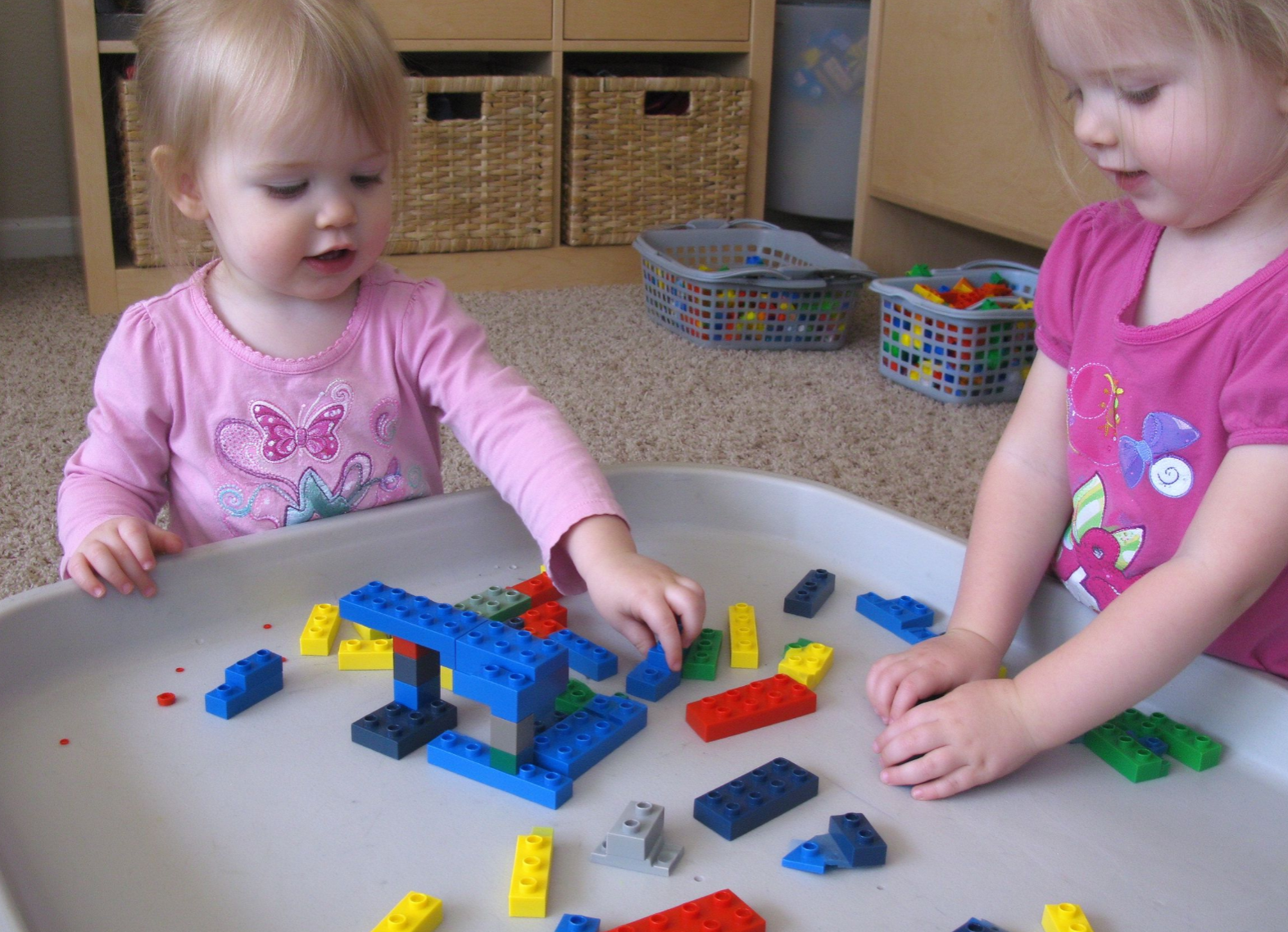
Quick answer: The best building toys for preschoolers combine large, chunky pieces, non-toxic materials, and simple designs that let children ages 3-5 build independently. Look for sets with fewer than 50 pieces, rounded edges, and compatibility with other building systems, so the toy grows alongside your child’s skills instead of being outgrown in a season.
Choosing the right preschool building toys can feel surprisingly complicated. Walk into any toy aisle and you’ll find dozens of brands promising to boost creativity, build fine motor skills, or prepare your child for a future in engineering. Some of these claims hold up. Others are marketing noise wrapped around a box of plastic bricks.
This guide cuts through that noise. We’ll cover what actually matters when selecting building toys for preschoolers — safety, material quality, and compatibility — along with practical advice on setting up a play space, introducing the toys for the first time, and keeping your child engaged over the long term. We’ll also look at the developmental science behind why building play works so well for young children, and where ModelBuilder fits into this picture as a LEGO-compatible alternative designed with families in mind.
Whether you’re buying a first set for a three-year-old or expanding a collection for a five-year-old who’s already hooked, this guide gives you a framework for making smarter decisions — and fewer regretted purchases.
How to Choose the Right Preschool Building Toys
Not every brick set on the shelf is built for a preschooler’s hands or attention span. Three factors matter most: safety, materials, and compatibility.
Safety comes first, always
Children between three and five still explore the world with their mouths more often than parents would like. Any preschool building toys you bring into the house should meet recognized safety standards — in the US, that means compliance with ASTM F963; in Europe, look for the EN71 certification. These standards test for choking hazards, chemical safety, and structural durability.
Beyond certification, check piece size directly. A simple rule: if a piece can fit inside a toilet paper roll, it’s a potential choking risk for children under four. Reputable brands design preschool-specific lines with oversized, rounded pieces that are physically too large to swallow, even if a toddler sibling gets curious.
Material quality affects more than durability
Cheap plastic bricks crack, warp, or develop sharp edges after repeated drops. Beyond the annoyance factor, low-quality plastics sometimes contain phthalates or excess lead in paint coatings — both linked to health concerns in young children. Look for ABS plastic, which is the industry standard for durability and safety in building toys, and confirm the manufacturer publishes third-party lab testing results.
Texture matters too. Smooth, matte finishes are easier for small hands to grip than the glossy, slippery surfaces found in some budget sets.
Compatibility protects your investment
Here’s something many parents learn the hard way: buying a closed, proprietary building system means every future set has to come from the same brand. Building toys for preschoolers that are compatible with major building-brick standards let your child mix pieces from multiple sets and brands, which multiplies creative possibilities without multiplying your budget.
This is also where a toy’s long-term value shows up. A compatible system purchased when your child is three can still be relevant when they’re eight, simply by adding more advanced sets to the same collection. ModelBuilder’s compatible building sets are designed with this exact principle — pieces that connect across age ranges and product lines, so nothing in the bin becomes obsolete.
How to Set Up a Play Environment With Building Toys for Preschoolers
The toy matters, but so does the space around it. A thoughtfully set up play environment reduces frustration, encourages longer play sessions, and makes cleanup manageable for both parent and child.
Choose a dedicated, low-traffic surface. A rug, a low table, or a felt play mat works well. Preschoolers need a stable, flat surface at a height they can reach without standing — building on carpet alone often causes structures to wobble and collapse, which is frustrating for a child still developing patience.
Sort pieces by color or type before the first session. Divided bins or trays help preschoolers locate the piece they need without dumping an entire set on the floor. This small step also introduces early sorting and categorization skills, a precursor to more advanced math thinking.
Keep instruction booklets visible but optional. For children under four, skip the instructions entirely during early sessions. Let them explore freely first. Structured building with instruction sheets works better once a child reaches four or five and has developed the patience to follow sequential steps.
Build in good lighting. Natural daylight or bright, even lighting helps young children distinguish between similar colors — a detail that matters more than most parents expect, since many preschoolers are still refining color discrimination.
Have a storage solution ready before you need it. Stepping on a stray brick barefoot is a universal parenting experience. A labeled bin or under-bed storage container, introduced from day one, makes cleanup a built-in part of the play routine rather than an afterthought.
How to Introduce Building Toys to a Preschooler Step by Step
First impressions shape whether a child embraces building play or abandons it after one frustrating session. A structured but low-pressure introduction makes a measurable difference.
Step 1: Start with free exploration. Open the box, spread the pieces out, and let your child touch, stack, and connect them without any goal. This builds tactile familiarity with how the pieces click together before you introduce any expectations.
Step 2: Demonstrate a simple connection. Show your child how two pieces snap together, then hand them a piece and let them try. Avoid correcting their grip or technique early on — the goal is confidence, not precision.
Step 3: Build something small together. A simple tower, a short wall, or a basic shape works well. Narrate what you’re doing in simple language: “I’m putting the red piece on top of the blue piece.” This connects action to vocabulary, which supports language development alongside motor skills.
Step 4: Let them lead. Once your child understands the basic mechanics, step back and let them direct the play. Resist the urge to fix a wobbly or “incorrect” structure. A preschooler’s version of a house or a car often looks nothing like the real thing, and that’s the point.
Step 5: Introduce instructions gradually, around age four or five. When your child shows interest in building a specific picture from a box, introduce simple picture-based instructions with large, clear steps. This bridges free play into structured building, a skill that supports later reading comprehension and sequential thinking.
A consistent, low-pressure introduction like this typically leads to longer independent play sessions within a few weeks, as children build both the physical skill and the confidence to experiment on their own.
How Building Toys Support Key Developmental Skills in Preschoolers
Parents often buy their first set of preschool building toys for entertainment value, then discover the developmental benefits almost by accident. These benefits are well documented and span three major areas.
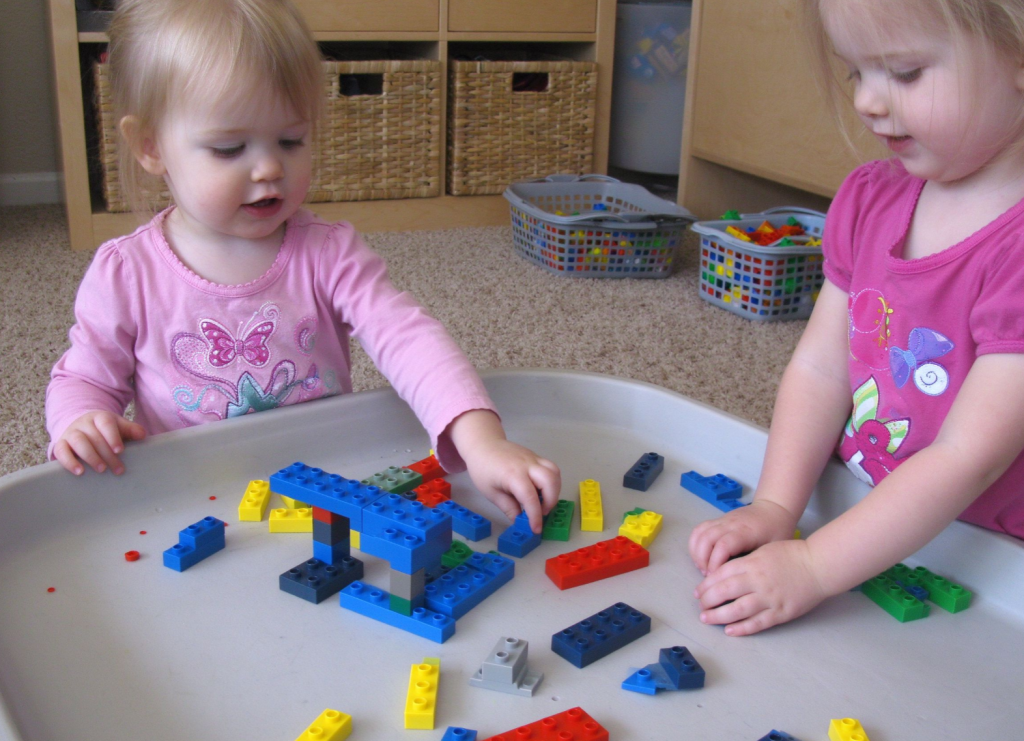
Fine motor development
Picking up small pieces, aligning them precisely, and pressing them together with the right amount of force all strengthen the small muscles in a child’s hands and fingers. This is the same muscle group used for holding a pencil, buttoning a shirt, and eventually, handwriting. Occupational therapists frequently recommend building toys as a low-pressure way to build these skills outside of a clinical setting.
Cognitive and problem-solving growth
Building naturally involves planning, spatial reasoning, and trial-and-error correction. A preschooler trying to make a tower stand upright is unconsciously practicing cause-and-effect reasoning, balance, and basic geometry. Over time, this translates into stronger pattern recognition and the kind of sequential thinking that underlies both math and early reading.
Social and emotional development
When children build alongside a parent or sibling, they practice turn-taking, sharing limited resources (there are only so many of the good pieces), and communicating ideas about what they’re trying to create. Completing a build also delivers a genuine sense of accomplishment, which supports self-esteem and persistence — the willingness to keep trying after a structure collapses, rather than giving up.
These combined benefits are why building toys for preschoolers remain a consistent recommendation from pediatric development experts, even in an era dominated by screens and digital entertainment.
How to Keep Preschool Building Toy Play Fresh and Engaging
Even the best set loses its appeal if a child builds the same three things repeatedly. A few strategies keep engagement high over months, not just the first week.
Rotate pieces instead of buying constantly. Store half a large collection away and swap it in after a few weeks. The “new” set of pieces feels novel again, even though nothing was actually purchased.
Introduce themed challenges. “Build something that can hold a small toy car” or “build the tallest tower that doesn’t fall down” gives open-ended play a light structure without removing creative freedom.
Mix building toys with other play materials. Combining bricks with small figures, fabric scraps, or natural materials like sticks and stones often sparks entirely new building ideas that a set alone wouldn’t produce.
Build together, but not every time. Independent building time matters as much as collaborative sessions. A child who only ever builds alongside an adult can struggle to initiate play on their own.
Expand gradually with compatible sets. Adding a themed expansion pack every few months — rather than one large purchase all at once — keeps the collection feeling fresh while spreading out the cost. This is another area where piece compatibility pays off, since expansions can draw from multiple product lines rather than being locked to a single themed set.
Why ModelBuilder Is a Smart LEGO Alternative for Preschoolers
ModelBuilder was built around a simple idea: families deserve high-quality, LEGO-compatible building sets without the premium price tag that often comes with the category’s most recognized name.
Every ModelBuilder set is designed with the same compatibility standard that defines the broader building-brick category, meaning pieces connect seamlessly with sets your child may already own. For families with preschoolers, this matters because it removes the pressure to commit to a single, closed ecosystem before a child’s interests are even clear.
ModelBuilder’s approach follows a deliberate process: each set starts as a design concept, moves through material selection using durable, safety-tested plastics, and is tested as a prototype before reaching production. That process is what allows ModelBuilder to offer building toys for preschoolers that hold up to repeated drops, mouthing, and the general wear of early childhood play — without compromising on the safety standards parents expect.
Beyond individual sets, ModelBuilder’s themed collections give parents a way to build a growing library of compatible pieces over time, rather than purchasing isolated, single-use toys. For families who want to introduce their child to building play without immediately committing to a specific brand ecosystem, ModelBuilder offers an accessible, budget-conscious entry point that scales as a child’s skills and interests develop. You can explore ModelBuilder’s full range to find a starting set that matches your child’s age and current building experience.
Building a Foundation That Lasts Beyond the Preschool Years
The right preschool building toys do more than fill an afternoon. They build fine motor control, problem-solving skills, and the kind of patience that serves children well long after they’ve outgrown the toy box. The key is choosing sets with proven safety standards, quality materials, and compatibility that lets a collection grow alongside your child, rather than treating each purchase as a one-time, disposable entertainment item.
Start small, prioritize safety certifications, and let your child’s curiosity set the pace. A thoughtfully chosen first set of building toys for preschoolers can become the foundation of a hobby that lasts well into the school years — and in many households, well into adulthood.
Frequently Asked Questions
What age should a child start playing with building toys?
Most children can safely begin with oversized, preschool-specific building sets around age two or three, once they’ve moved past the stage of putting most objects directly in their mouths. Standard-sized bricks are generally recommended starting around age four, once fine motor control and supervision reduce choking risk.
Are building toys safe for a three-year-old?
Yes, as long as the set is specifically designed for the appropriate age range. Look for certification against ASTM F963 (US) or EN71 (Europe), and confirm piece sizes are too large to pose a choking hazard. Always supervise play, especially in households with younger siblings who may access the pieces.
Do cheaper building toy brands work just as well as premium ones?
Quality varies significantly between brands, regardless of price point. The most important factors are safety certification, material durability, and piece compatibility — not the brand name itself. Budget-friendly, compatible alternatives can offer the same play value as premium brands when they meet the same safety and quality standards.
How many pieces should a first building set have?
For children under four, sets with 20 to 50 large pieces are ideal. This range is large enough to build simple structures but small enough to avoid overwhelming a young child or creating excessive cleanup frustration.
Can building toys really improve a child’s cognitive development?
Research in child development supports a strong link between construction play and improvements in spatial reasoning, problem-solving, and fine motor skills. While building toys alone aren’t a substitute for a well-rounded development approach, they’re a well-supported, low-cost way to reinforce these skills through everyday play.


