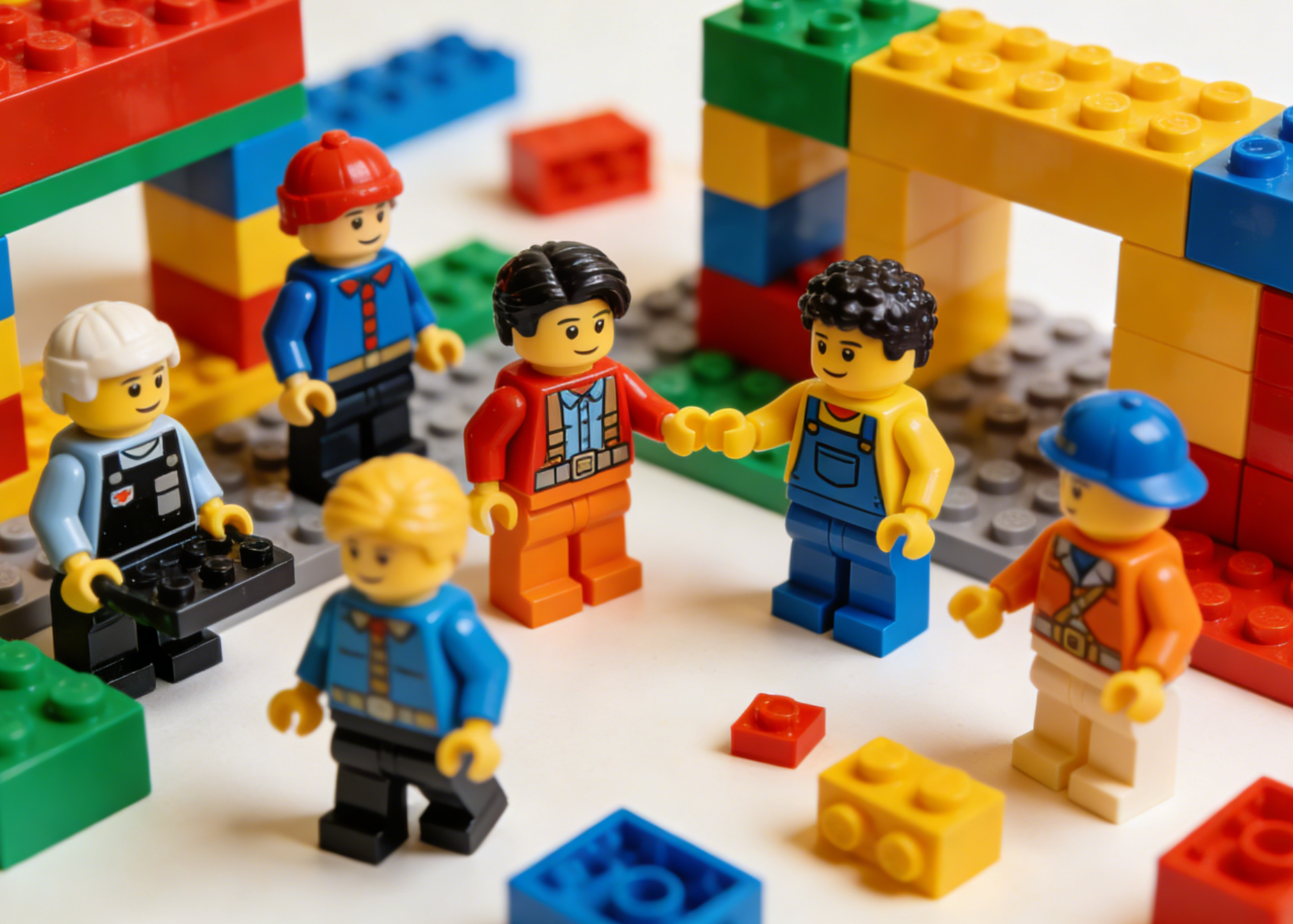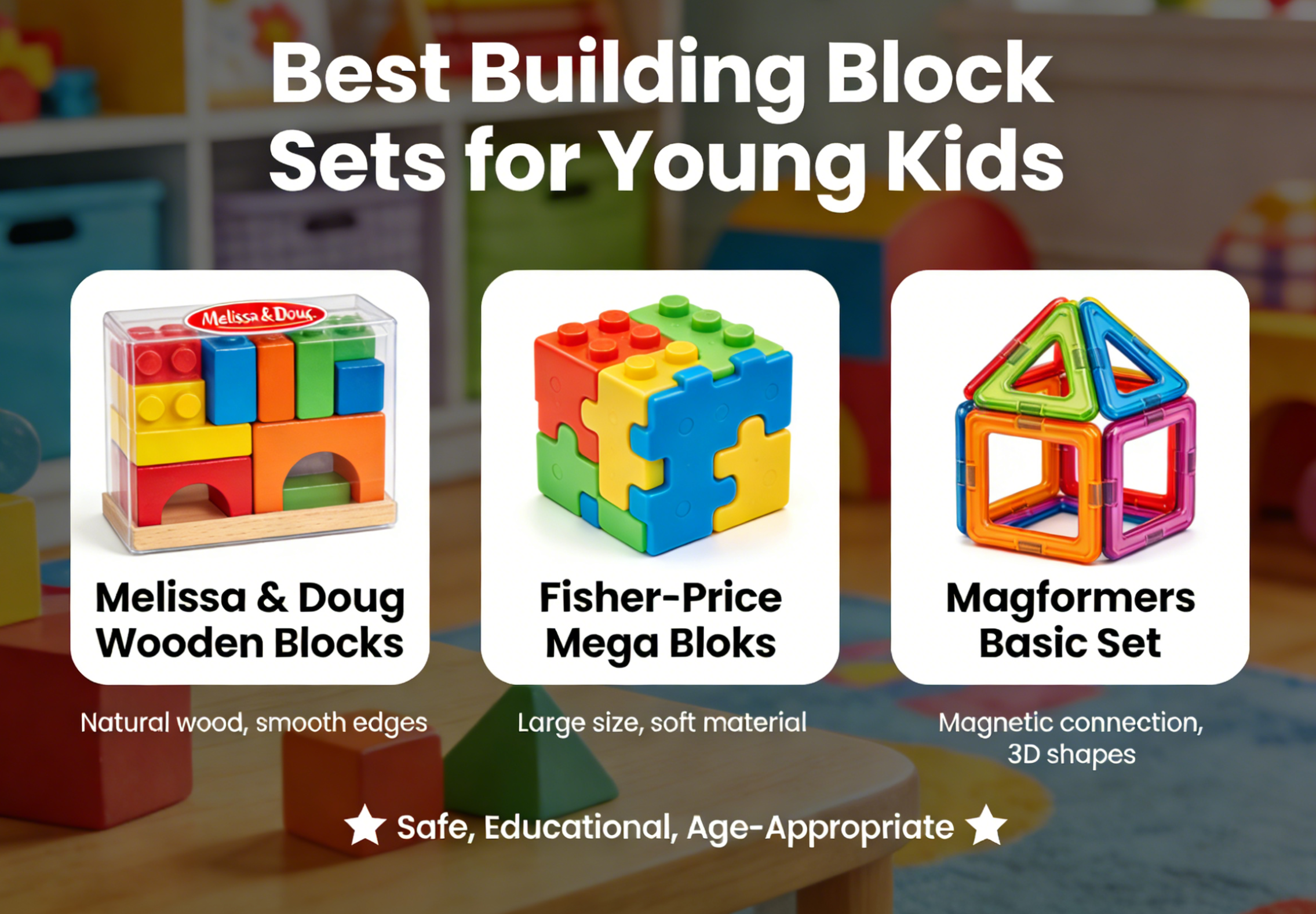

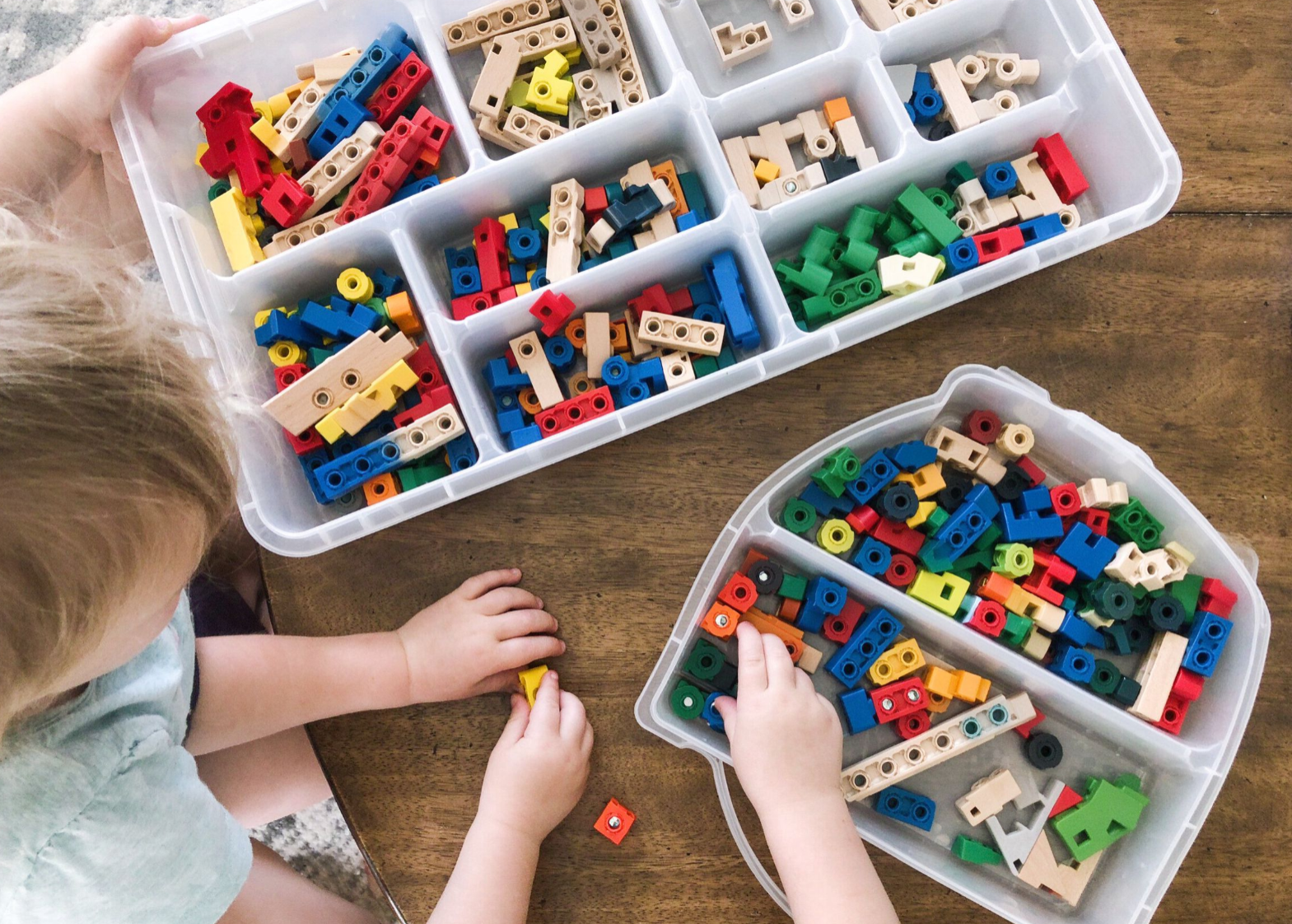
TL;DR: Fine motor skill building toys strengthen a child’s hand muscles, hand-eye coordination, and problem-solving ability through repeated building, sorting, and connecting actions. Start with age-appropriate sets, encourage open-ended play, and gradually increase complexity. ModelBuilder’s brick sets are engineered specifically for this kind of hands-on skill development.
Small hands do big work when they’re building. Every time a child picks up a brick, rotates it, and clicks it into place, they’re training muscles and neural pathways that support handwriting, buttoning a coat, and tying shoelaces. Parents and educators across Europe and North America increasingly turn to building toys for fine motor skills because the results are visible: steadier hands, longer attention spans, and genuine pride in a finished build.
This guide breaks down exactly how to use construction toys to support a child’s physical and cognitive development, step by step. You’ll learn what fine motor skills actually are, how to select the right sets for your child’s age and ability, and how to structure play sessions that build real skill over time — not just entertainment for an afternoon.
What Are Fine Motor Skills and Why Do They Matter?
Fine motor skills are the small, precise movements made by the hands, fingers, and wrists. They cover everything from gripping a crayon to zipping a backpack to typing on a keyboard. Unlike gross motor skills, which involve large muscle groups like legs and arms, fine motor skills depend on coordination between the eyes, brain, and small hand muscles working together.
Children develop these skills gradually, and the process doesn’t happen automatically. It requires repeated, varied practice — which is exactly what construction play provides. Picking up a small brick, aligning it correctly, and pressing it into place demands grip strength, finger isolation, and visual tracking all at once.
Occupational therapists frequently recommend building toys as a developmental tool because the activity naturally combines several skills:
- Pincer grip strength — picking up and holding small pieces
- Hand-eye coordination — aligning pieces precisely before connecting them
- Bilateral coordination — using both hands together, one to stabilize and one to build
- Spatial reasoning — understanding how pieces fit together in three dimensions
When children struggle with these skills, it can show up later as messy handwriting, difficulty with cutlery, or frustration with buttons and zippers. Starting early with fine motor skill building toys gives children a low-pressure, enjoyable way to build the physical foundation for these everyday tasks.
How to Choose the Right Building Toys for Fine Motor Skills
Not every construction set delivers the same developmental value. Picking the right toy matters as much as the play itself. Here’s what to look for.
What age group is each type of building set designed for?
Piece size should decrease as a child’s grip strength and precision increase. Toddlers between ages 2 and 4 need larger, chunkier pieces that are easy to grasp but still require two-handed manipulation. Children ages 5 to 8 are ready for smaller standard bricks that demand more precise finger control. Kids ages 9 and up can handle intricate, multi-step builds with tiny connector pieces and detailed instructions.
ModelBuilder organizes its sets by these exact developmental stages, so parents don’t have to guess. Browse the full range at ModelBuilder’s collection to match a set to your child’s current skill level rather than just their age on paper.
Does the set encourage repetition and variety?
Skill-building happens through repeated practice, not a single session. Look for sets with enough pieces and enough build options that a child returns to them repeatedly — rebuilding, modifying, and inventing new structures from the same parts.
Is the material durable enough for daily use?
Fine motor development requires consistent practice, which means the toy needs to survive weeks or months of handling, dropping, and disassembling. High-durability, non-toxic materials matter both for safety and for the toy’s lifespan under heavy use.
Does it offer a clear difficulty progression?
The best building toys for fine motor skills come with a built-in growth path — starter sets that lead naturally into more advanced ones. This keeps the challenge level matched to the child’s improving ability instead of plateauing.
Step-by-Step: How to Use Building Toys to Develop Fine Motor Skills
Owning the right set is only half the equation. How you introduce and structure play determines whether a child actually builds skill or just builds a tower once and loses interest.
Step 1: Start with Age-Appropriate Sets
Begin with a set matched to your child’s current ability, not their aspirational one. A set that’s too advanced leads to frustration and abandoned pieces; a set that’s too simple gets outgrown in a week. Observe how your child handles the pieces in the first few sessions — are they gripping comfortably, aligning pieces without help, completing small sub-assemblies on their own? Use that as your signal for when to move up a level.
Step 2: Encourage Open-Ended Play
Instructions and guides are useful, but free building is where fine motor skills really develop. Give your child time to build without a prescribed outcome. Open-ended play forces the brain to problem-solve on the fly: how do I make this piece stand up, how do I connect these two sections, what happens if I try it this way instead. Each attempt reinforces grip control and spatial judgment far more than passively following a diagram.
Step 3: Gradually Increase Complexity
Once a child is confidently completing builds at their current level, introduce sets with smaller pieces, more intricate connections, or multi-stage instructions. This progression should feel like a natural next step, not a jump. A good rule of thumb: if your child completes three to five builds at one level without visible struggle, it’s time to size up.
Step 4: Make It a Routine
Consistency beats intensity. Fifteen to twenty minutes of building, three or four times a week, builds more durable skill than one long session on a Sunday afternoon. Set a regular time — after school, before dinner, during a weekend morning — so building becomes a habit rather than an occasional activity competing with screen time.
Step 5: Combine Play with Learning Goals
Layer in additional objectives once the physical skill is developing well. Ask your child to sort pieces by color or size before building (reinforcing categorization), count pieces as they’re used (basic math), or describe their build out loud (vocabulary and sequencing). This turns a single play session into a multi-skill learning activity without adding extra screen time or separate worksheets.
Tips for Parents and Educators
A few practical habits make construction play more effective for fine motor development, whether you’re a parent at home or an educator running a classroom activity.
Resist the urge to build for them. It’s tempting to step in when a child struggles to connect a stubborn piece, but that struggle is where the skill-building happens. Offer a verbal hint instead of taking over.
Rotate sets regularly. Keeping two or three sets in rotation, rather than one large permanent set, keeps engagement high and exposes children to a wider variety of piece shapes and sizes.
Pair building with storytelling. Ask children to narrate what they’re building. This reinforces language development alongside the physical skill and keeps longer building sessions engaging.
Watch for signs of fatigue, not just boredom. Fine motor work is genuinely tiring for developing hands. Short, frequent sessions outperform long ones that end in frustration.
Involve siblings or classmates. Building side-by-side with a peer introduces turn-taking, piece-sharing, and collaborative problem-solving — valuable social skills that pair naturally with the physical ones.
Educators running classroom STEM activities can structure group builds around a shared theme, then have each student present their build to the class. This adds a presentation and communication component on top of the core fine motor practice.
Why ModelBuilder Is a Smart LEGO Alternative
ModelBuilder designs its sets specifically around developmental progression, not just play variety. Every set is built from durable, tested materials designed to withstand daily handling across hundreds of build-and-rebuild cycles. Piece sizing follows the same age-based logic outlined above, moving from larger toddler-friendly pieces to intricate, detail-rich components for older builders and hobbyists.
ModelBuilder sets are fully compatible with standard interlocking brick systems, so families already invested in a brick collection can expand it without starting over. Detailed, illustrated build guides accompany every set, supporting both guided instruction and open-ended free building.
Beyond the bricks themselves, ModelBuilder maintains an active builder community where parents, educators, and hobbyist creators share original designs, build photos, and custom instructions. This community layer gives children — and the adults building alongside them — ongoing inspiration long after the original instruction booklet is finished.
Explore the complete range of fine motor skill building toys and STEM-focused sets at ModelBuilder to find the right starting point for your child’s age and skill level.
Start Building Skills One Brick at a Time
Fine motor development isn’t a single milestone — it’s an ongoing process built through repeated, hands-on practice. Construction toys offer one of the most natural and enjoyable ways to deliver that practice, combining grip strength, coordination, and problem-solving into a single activity kids actually want to do.
Start with a set matched to your child’s current ability, build consistency into your week, and let complexity grow as their skills do. Visit ModelBuilder to browse age-matched sets and give your child’s hands the daily workout they need to grow stronger, steadier, and more capable.
FAQ
At what age should children start using building toys for fine motor skills?
Most children can begin with large-piece building toys around age 2, once they can grasp and release objects intentionally. Standard smaller bricks are typically appropriate starting around age 5, depending on the individual child’s grip strength and dexterity.
How often should a child practice with building toys to see developmental benefits?
Short, regular sessions of 15 to 20 minutes, three to four times per week, build fine motor skills more effectively than occasional long sessions. Consistency matters more than duration.
Are building toys a substitute for occupational therapy if my child has developmental delays?
No. Building toys are a strong supplementary tool for general fine motor development, but they are not a replacement for professional occupational therapy if a child has diagnosed delays or conditions. Consult a pediatrician or occupational therapist for a tailored plan.
What’s the difference between open-ended play and instruction-based building for skill development?
Instruction-based building teaches a child to follow sequential steps and match a visual reference, which builds attention and precision. Open-ended play develops independent problem-solving and creativity. Both are valuable, and alternating between them produces the most well-rounded skill development.
Can building toys help children who struggle with handwriting?
Yes. Many of the same muscles and coordination patterns used to grip a pencil are engaged when picking up and connecting small bricks. Regular building practice can strengthen the hand muscles and dexterity that support more controlled, comfortable handwriting.