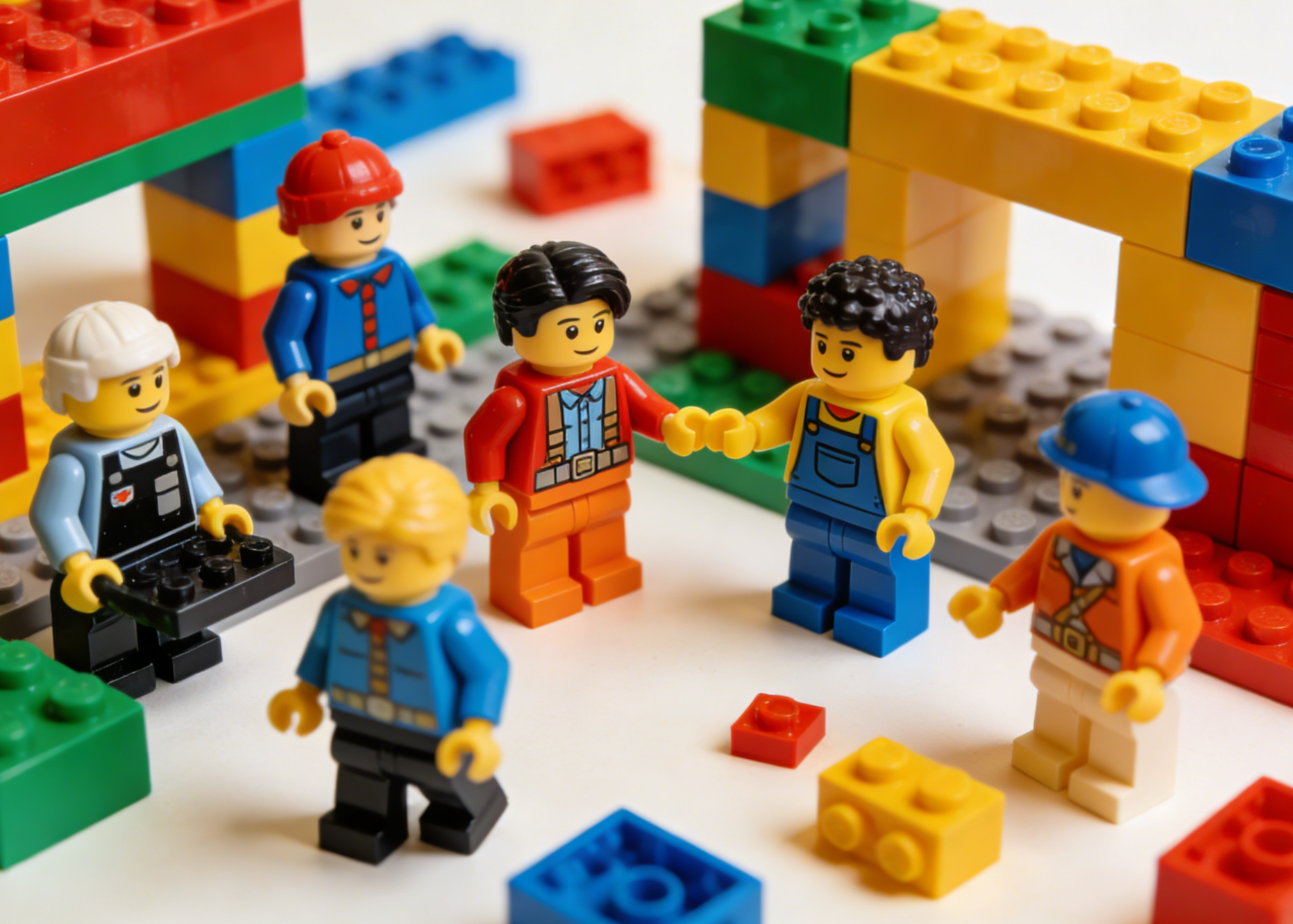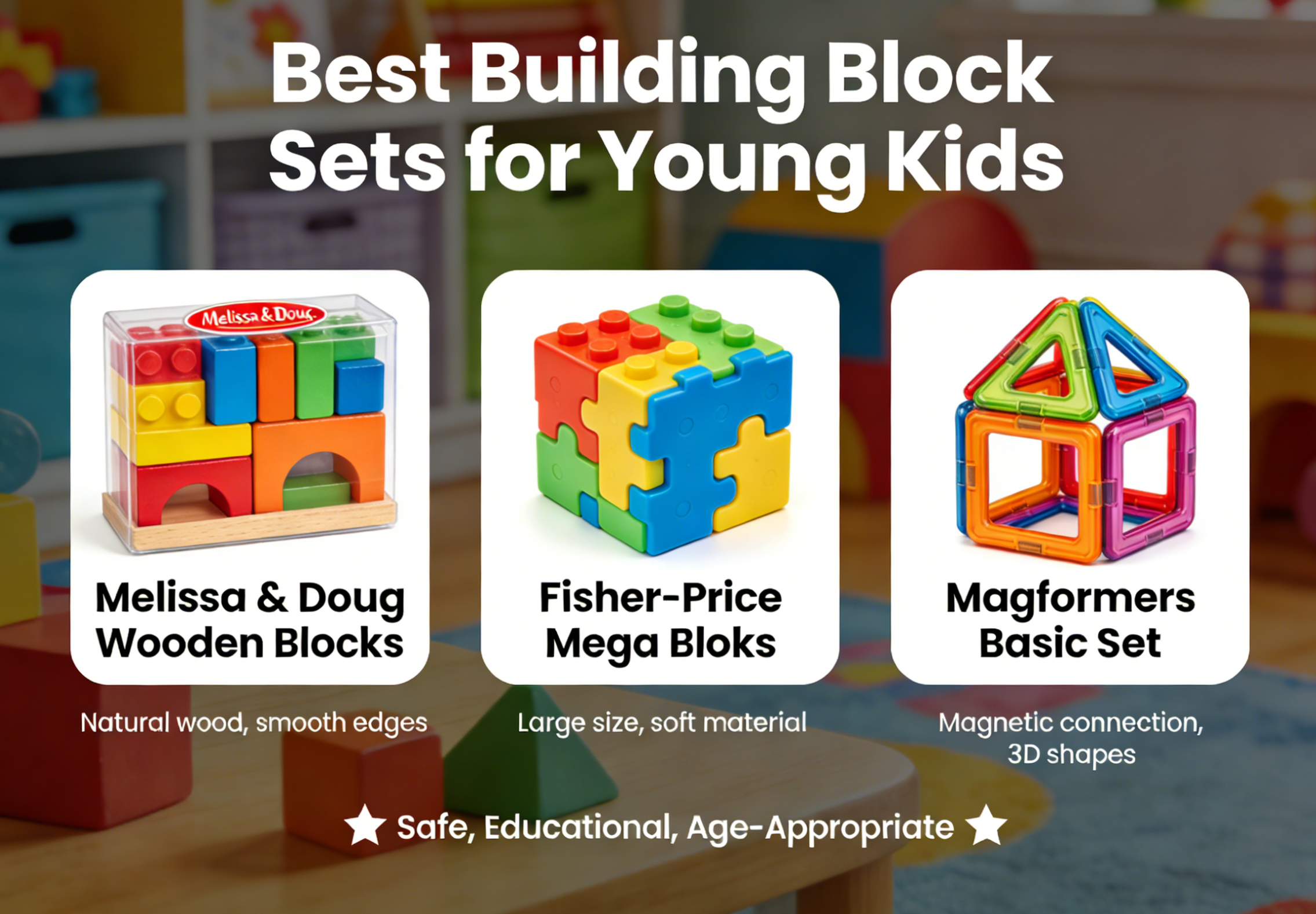

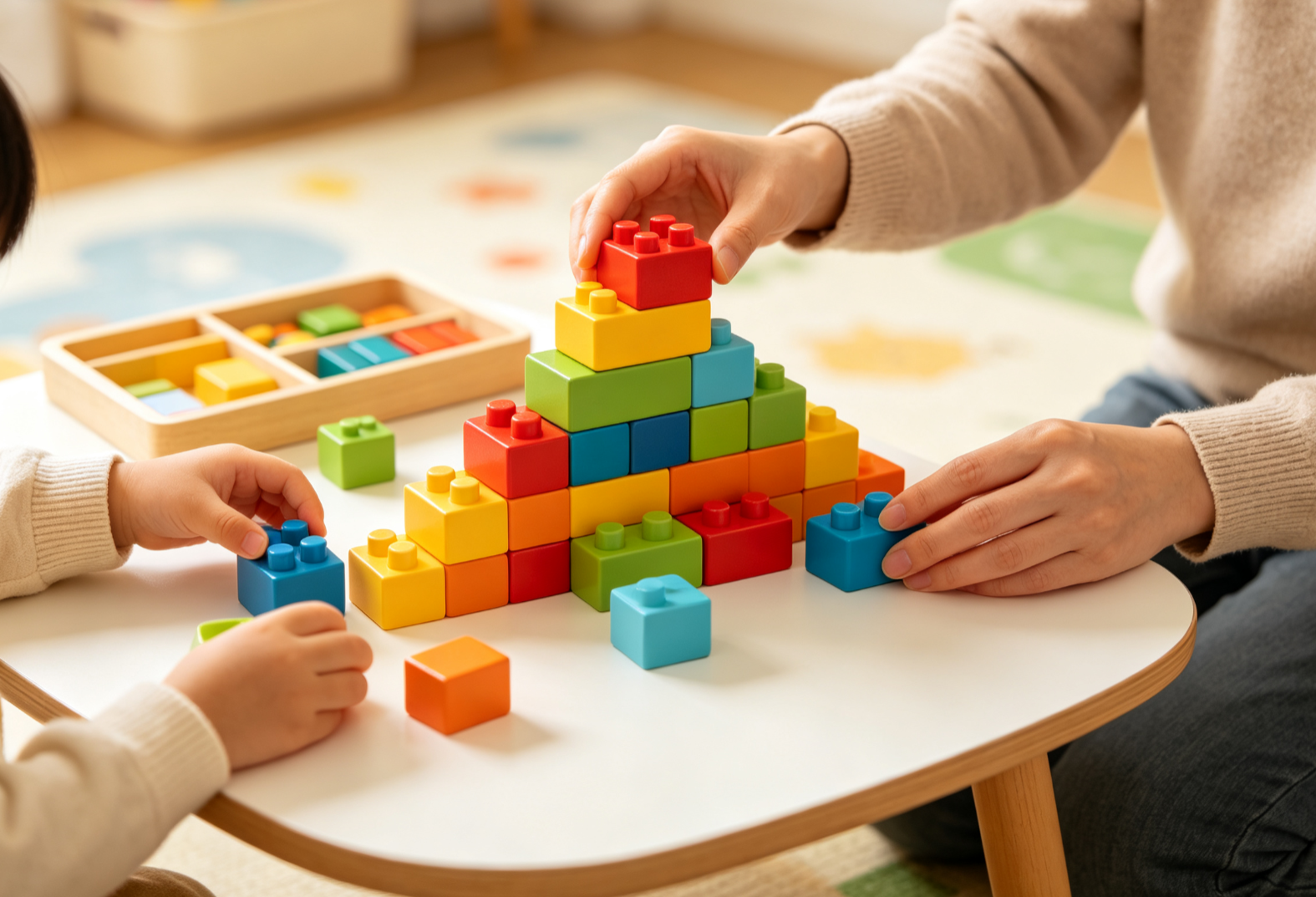
Quick answer: The best creative building toy sets for toddlers and kids match the child’s age, skill level, and interests while using durable, non-toxic materials. Look for age-appropriate piece sizing, compatibility with existing sets, and open-ended design options. ModelBuilder offers building block toys for kids that combine safety, expandability, and creative freedom for builders of all ages.
Building block toys have been a childhood staple for generations, and for good reason. They’re simple on the surface — stack, connect, repeat — but the developmental value underneath is substantial. Parents shopping for building block toys for kids today have more options than ever, from classic brick systems to specialty sets designed for toddlers just learning to grip and stack.
That abundance of choice is a blessing and a challenge. Not every set works for every age, and not every “creative” toy actually leaves room for creativity. This guide walks through what to look for, how to use building sets effectively once you bring them home, and what makes a set genuinely worth the investment — including a look at ModelBuilder’s approach to building blocks as a practical alternative to traditional brick brands.
Why Building Block Toys Matter for Child Development
Before getting into buying advice, it helps to understand what’s actually happening when a child snaps two bricks together.
Building blocks engage fine motor skills as children grasp, twist, and align pieces. For toddlers, this is often their first real practice with hand-eye coordination outside of eating or drawing. As kids get older, the skill set expands: spatial reasoning, planning, and problem-solving all come into play when a child decides how to build a tower that won’t topple or a bridge that actually spans a gap.
There’s also a cognitive layer that’s easy to overlook. Building sets are one of the few toy categories that scale in complexity right alongside a child’s development — a 2-year-old stacking oversized blocks and a 10-year-old assembling a multi-hundred-piece structure are exercising the same core instinct, just at different levels of sophistication.
Educators frequently point to construction play as a low-cost entry point into STEM thinking. Children experiment with balance, symmetry, and cause-and-effect long before they’d ever encounter those concepts in a classroom. For families prioritizing hands-on learning over screen time, building block toys for kids offer a rare combination: they’re engaging enough to hold attention and substantial enough to justify the time spent.
How to Choose the Best Creative Building Toy Sets for Toddlers
Not every building set is designed with toddlers in mind, and using the wrong one can lead to frustration for both parent and child. Here’s what actually matters when narrowing down options.
Is the Set Safely Sized for a Toddler’s Age?
Age-appropriate sizing is the single most important safety factor when selecting best creative building toy sets for toddlers. Toddlers under three are still prone to putting small objects in their mouths, so pieces should be oversized and free of small, detachable components that could pose a choking hazard.
Most reputable brands label their sets clearly by age range (e.g., 18 months+, 3+, 6+). Always check this labeling rather than assuming a set is safe based on appearance alone. If buying secondhand or from a brand without clear labeling, inspect pieces for sharp edges, breakability, and any parts small enough to fit through a standard toilet paper roll — a common household test for choking hazards.
How Much Piece Count and Complexity Is Appropriate?
Piece count should scale with a child’s attention span and manual dexterity. A toddler just starting out does better with 10–30 large, simple pieces than a 200-piece set meant for a school-age child. Overwhelming a young builder with too many pieces or overly intricate instructions can turn what should be a fun activity into a frustrating one.
As children grow, gradually introducing sets with more pieces and finer detail keeps the challenge level matched to their growing skill. This is where many parents get value from expandable brick systems, since they can increase complexity without buying an entirely new toy category each year.
Will the Set Work With What You Already Own?
Compatibility matters more than most parents realize when first shopping for building blocks. Sets that connect with a family’s existing collection extend playtime and multiply creative possibilities, since kids can combine older and newer pieces into entirely new structures.
Before purchasing a new set, check whether it’s compatible with standard brick dimensions used by major building block brands. Many alternative brands, including ModelBuilder, design their bricks to interlock with widely used building systems, which means a new set adds to an existing collection rather than sitting in its own silo. You can browse compatible building sets on ModelBuilder’s site to see how this works in practice.
Are the Materials Durable and Safe?
Material quality determines both safety and longevity. Look for BPA-free, non-toxic plastics that meet recognized safety standards for children’s toys (such as ASTM F963 in the US or EN71 in the EU). High-quality bricks should also hold their shape and color after repeated use — a sign of durable manufacturing rather than cost-cutting.
Cheap, brittle plastic pieces crack under normal play and can create sharp edges, which is a real risk for toddlers who are still building without much control over pressure or force. Investing in well-made bricks upfront usually means fewer replacements and safer play over time.
What Are the Best Building Block Toys for Kids? Key Features to Look For
Parents often ask, “what are the best building block toys for kids?” — and the honest answer is that it depends on the child’s age, interests, and how the family plans to use the set. That said, a few features consistently separate strong sets from mediocre ones, regardless of the child’s age.
- Open-ended design. The best sets don’t lock a child into building one specific model. Look for sets that encourage free construction alongside guided instructions.
- Thematic variety. Kids stay engaged longer when a set connects to something they already love, whether that’s space, animals, vehicles, or architecture.
- Instruction clarity. Well-designed manuals use clear visuals rather than dense text, which matters for both younger children and kids still building reading confidence.
- Storage and organization. Sets that come with sorting trays or storage solutions cut down on lost pieces and make cleanup part of the routine rather than a chore.
- Scalability. A set that can be added to over time offers more long-term value than a one-and-done kit.
How to Get the Most Out of Building Block Toys for Kids
Buying the right set is only half the equation. How a family uses building blocks day to day has a big impact on how much value — creative, educational, and otherwise — comes out of them.
Should You Set Up a Dedicated Building Space?
A dedicated play space, even a small one, signals to kids that building is a valued activity rather than something to be packed away after five minutes. A low table, a designated rug, or a shelf for in-progress builds all work. The goal is consistency: when kids know where their blocks live and where they’re allowed to build, they’re more likely to return to the activity independently.
Why Open-Ended Play Beats Following Instructions Every Time
Instruction manuals are a great starting point, especially for younger or less experienced builders. But the real creative payoff comes when kids move beyond the manual and start inventing their own structures. Parents can encourage this by occasionally suggesting a challenge without a “correct” answer — build the tallest tower, design an animal that doesn’t exist, or create a vehicle that could fly. Open-ended prompts push kids to apply what they’ve learned from instructed builds toward original thinking.
Does Building Together as a Family Actually Help?
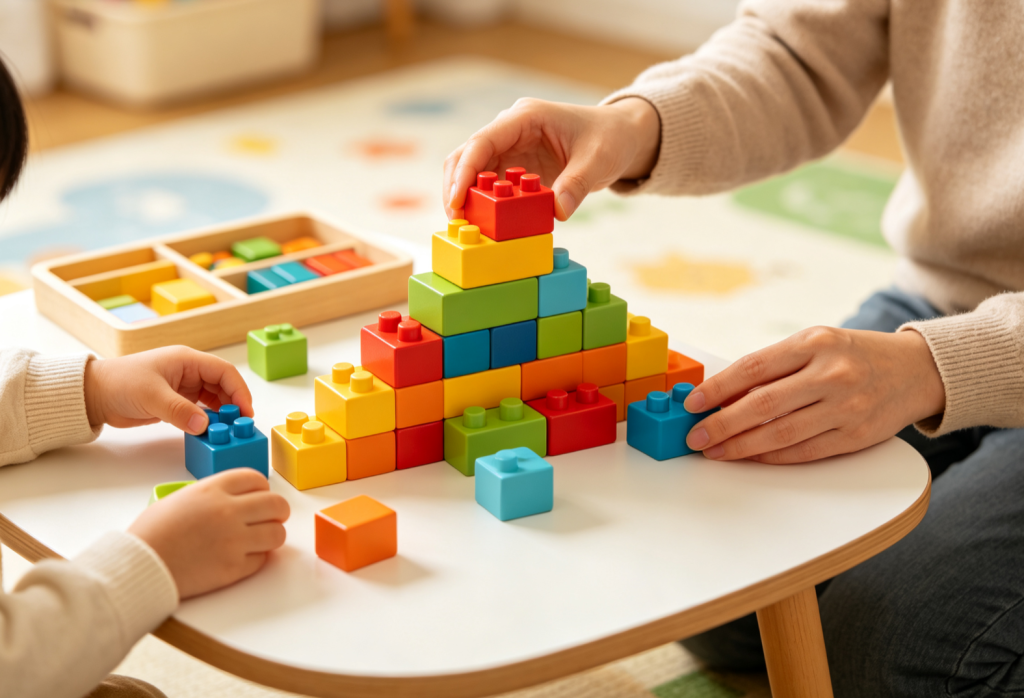
Yes — and not just for bonding purposes. When parents build alongside their kids, they model problem-solving out loud (“this side keeps falling, maybe it needs a wider base”), which helps children internalize planning strategies faster than they would building alone. Family building sessions also tend to naturally extend a child’s attention span, since the shared activity holds interest longer than solo play often does.
Can Mixing Sets Improve Creativity?
Combining pieces from multiple sets — even different themes or brands, as long as they’re compatible — pushes kids past the “kit mentality” of building only what’s pictured on the box. A space-themed set mixed with a castle set might result in a spaceship-castle hybrid that never existed in any instruction manual. This kind of cross-pollination is often where the most original builds come from, and it’s a strong argument for prioritizing compatibility when purchasing new sets.
ModelBuilder: A Smart LEGO Alternative Worth Considering
For families looking to build a collection without paying premium brand pricing, ModelBuilder offers a practical alternative. The brand designs building block toys for kids using durable, tested materials, with sets built to interlock with standard brick dimensions — meaning new ModelBuilder sets can integrate with pieces a family may already own.
ModelBuilder’s catalog spans themed collections designed to hold a child’s interest across different ages and skill levels, along with custom brick sets for families wanting more tailored building experiences. The brand also runs educational workshops aimed at reinforcing the problem-solving and creativity benefits that come naturally through construction play.
Parents comparing options often ask how ModelBuilder holds up against bigger-name brands on quality and safety. The company’s process — design concept, material selection, prototype development, and final production — is built around catching issues before a set ever reaches a child’s hands, which is worth checking directly on ModelBuilder’s product pages when comparing specific sets.
Tips for Buying Building Toys in the US and European Markets
Shopping across US and European markets comes with a few practical differences worth knowing before checkout.
Safety certifications differ by region. US-sold toys should meet ASTM F963 standards, while EU-sold toys need EN71 certification and a CE mark. Always confirm a set carries the relevant certification for the market it’s being purchased in.
Sizing conventions can vary. Age recommendations on packaging sometimes shift slightly between US and EU versions of the same set due to differing regulatory guidelines, so it’s worth double-checking age labeling rather than assuming consistency across regions.
Shipping and import costs matter for cross-border purchases. Buying from a brand based outside your home region can introduce extra shipping time or customs fees. Checking whether a retailer, such as ModelBuilder’s shop, ships directly within your region can help avoid unexpected costs or delays.
Seasonal timing affects pricing and availability. Both US and European markets tend to see building toy demand spike around the winter holidays, which can mean either strong seasonal sales or limited stock on popular sets. Shopping a few weeks ahead of major holidays generally offers the best combination of selection and price.
Building a Habit, Not Just a Collection
The best creative building toy sets for toddlers and kids aren’t necessarily the ones with the most pieces or the flashiest theme — they’re the ones that match a child’s current stage while leaving room to grow. Prioritizing safety, compatibility, and open-ended design turns a simple toy purchase into a long-term creative outlet.
Whether starting with a toddler’s first set of oversized bricks or expanding an older child’s collection with more complex builds, the goal stays the same: give kids a tool that grows with their imagination rather than one they outgrow in a month. Brands like ModelBuilder make that easier by focusing on compatibility, durability, and design variety — the same factors worth checking for in any building block toy, regardless of brand.
Frequently Asked Questions
What age should a child start playing with building block toys?
Most children can start with oversized, toddler-safe blocks around 12–18 months. Standard-sized building bricks are generally appropriate starting around age 3, once the risk of choking on small pieces has decreased and fine motor skills have developed further.
Are LEGO alternatives like ModelBuilder safe for kids?
Reputable LEGO alternatives, including ModelBuilder, use non-toxic materials and follow relevant safety testing standards for their target markets. Always check for regional certification labels, such as ASTM F963 in the US or EN71 in the EU, before purchasing.
Can different building block brands be used together?
Many building block brands, including ModelBuilder, are designed to be compatible with standard brick dimensions, allowing pieces from different sets or brands to connect. It’s worth confirming compatibility on the product listing before combining brands.
How many building blocks does a toddler need to start?
A starter set of 10–30 large pieces is typically enough for a toddler. Piece count can increase gradually as the child’s dexterity and attention span develop.
What makes a building toy set “creative” rather than just instructional?
A creative building set allows for open-ended construction beyond the instructions included, using non-restrictive piece shapes and thematic variety that inspires original combinations rather than a single predetermined build.