
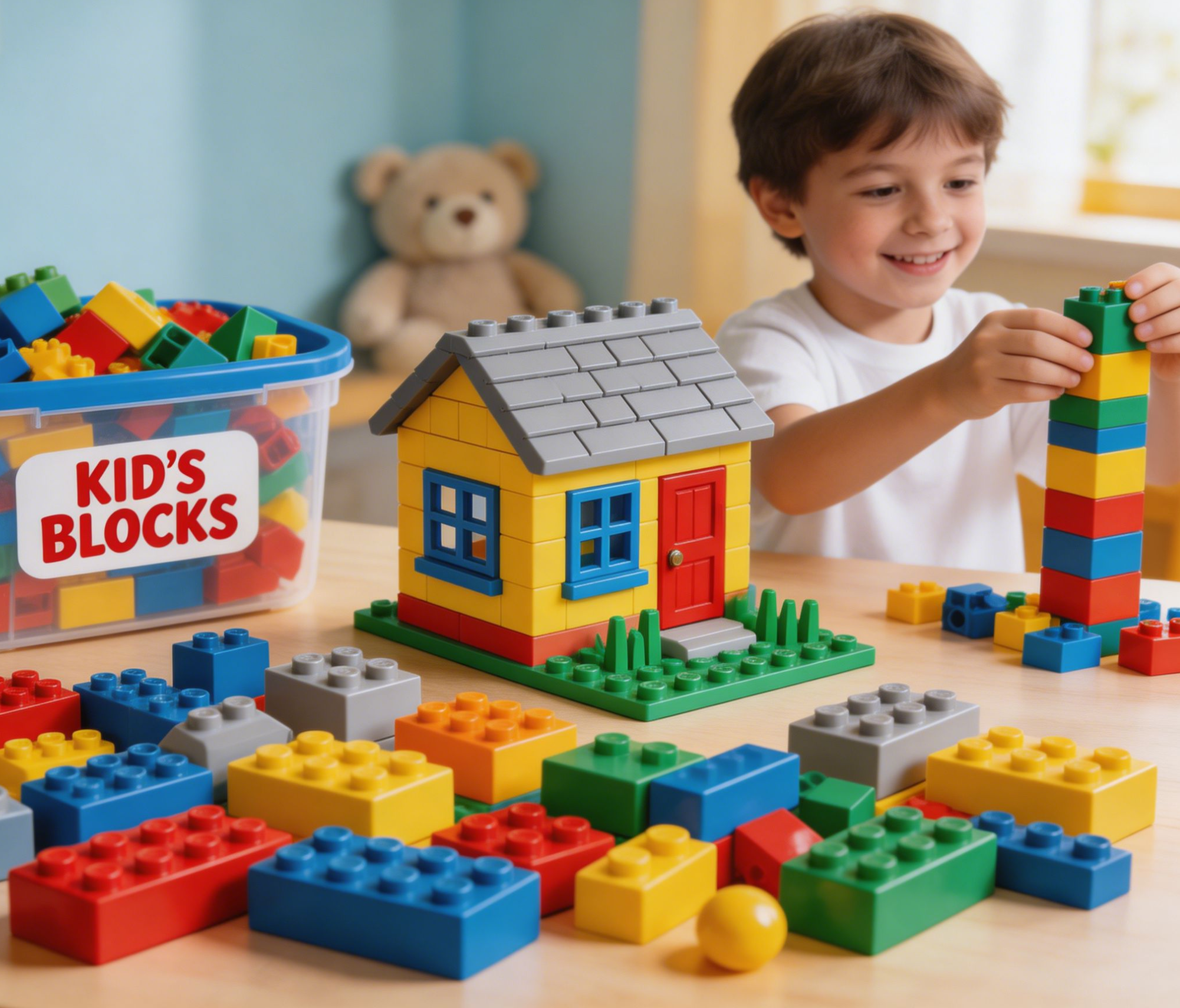
Unlocking Creativity: The Enduring Appeal of Building Block Sets for Kids
In an increasingly digital world, the enduring appeal of tangible toys remains strong, especially when it comes to fostering cognitive development and boundless creativity in children. Among these, building block sets for kids stand out as a timeless and highly effective tool for learning and play. From the simplest stacking blocks for toddlers to intricate construction kits for older children, these versatile toys offer a wealth of benefits that extend far beyond mere entertainment. For parents and educators across the US and Europe, understanding the profoundly positive impact of these sets is crucial in making informed choices for their children’s growth and development. At modelbuilderus, we believe in providing high-quality educational toys that inspire the next generation of builders and thinkers.
The Foundational Benefits of Building Blocks
The act of connecting, stacking, and disassembling blocks is far more than just a pastime; it’s a foundational activity that contributes significantly to a child’s holistic development. These benefits are well-documented and recognized by developmental psychologists and educators alike.
Enhancing Fine Motor Skills and Hand-Eye Coordination
One of the most immediate and observable benefits of playing with building block sets for kids is the development of fine motor skills. As children grasp blocks, manipulate them into specific positions, and connect them, they are refining the small muscle movements in their hands and fingers. This intricate work also sharpens their hand-eye coordination, an essential skill for tasks ranging from writing to sports. The precision required to align and snap pieces together helps children gain greater control over their movements, preparing them for more complex activities later in life.
Cultivating Problem-Solving and Spatial Reasoning
Every construction project, no matter how simple, presents a series of mini-challenges. Children learn about balance, stability, and cause-and-effect as they experiment with different configurations. A tower might collapse if not built correctly, prompting them to adapt their strategy. This iterative process of trial and error is fundamental to developing problem-solving skills. Furthermore, manipulating blocks in three dimensions helps children develop spatial reasoning – the ability to understand and interpret visual space. This skill is critical for subjects like geometry, design, and even navigation, making building block sets for kids invaluable for early STEM learning.
Sparking Creativity and Imaginative Play
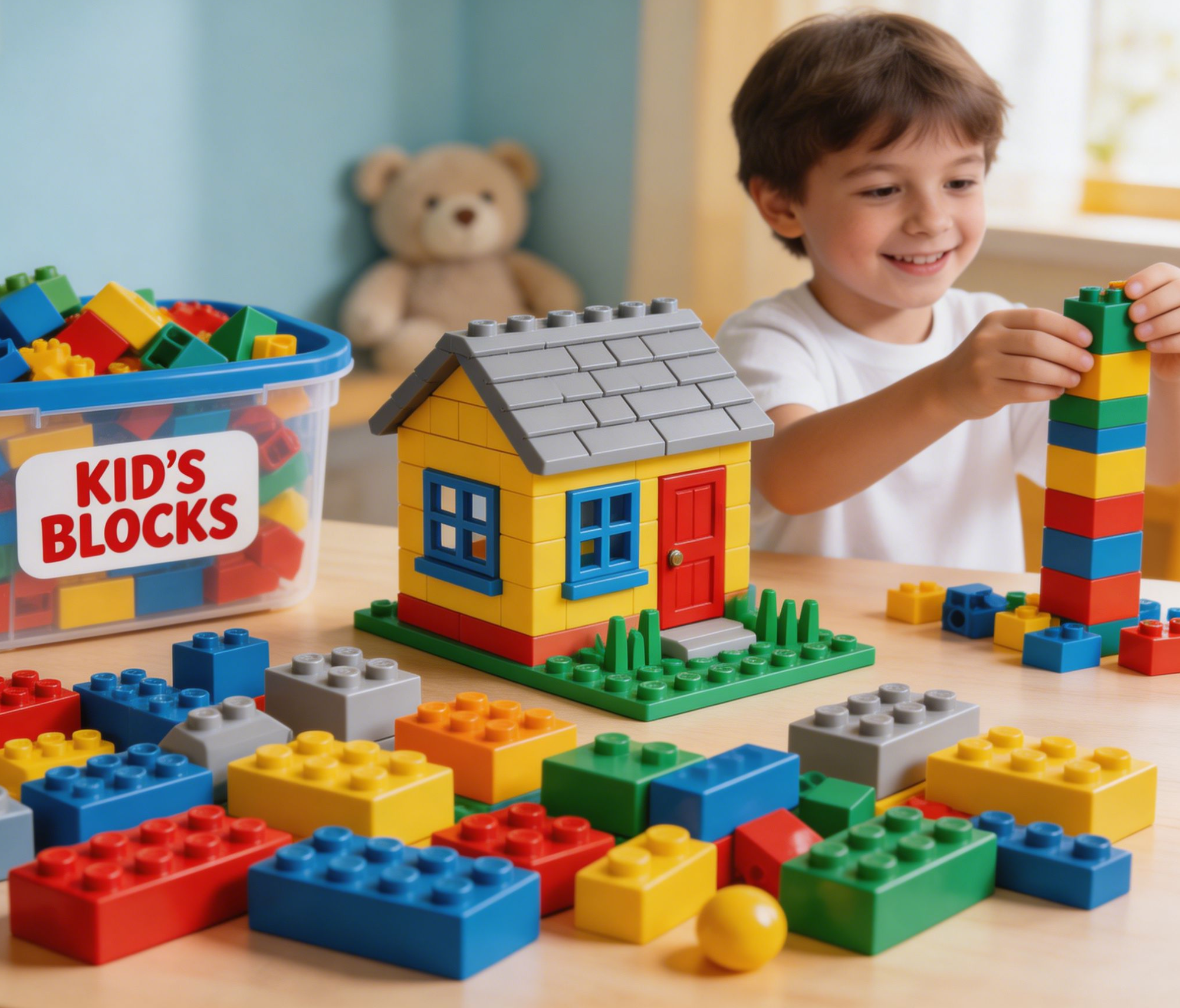
Perhaps the most celebrated aspect of building blocks is their ability to ignite creativity. Unlike many toys with a single predetermined function, blocks are open-ended. A child can transform a pile of bricks into a castle, a spaceship, an animal, or an abstract sculpture. This freedom encourages imaginative play, where children create their own narratives, characters, and worlds. Such play fosters storytelling abilities, promotes role-playing, and helps children express their ideas and emotions in a tangible way. It’s a powerful avenue for self-expression and innovation.
Choosing the Right Building Block Sets for Kids by Age Group
The market offers a vast array of building block sets, each designed with specific age groups and developmental stages in mind. Selecting the appropriate set ensures maximum engagement and safety.
Toddlers (1-3 years): Large, Safe, and Simple
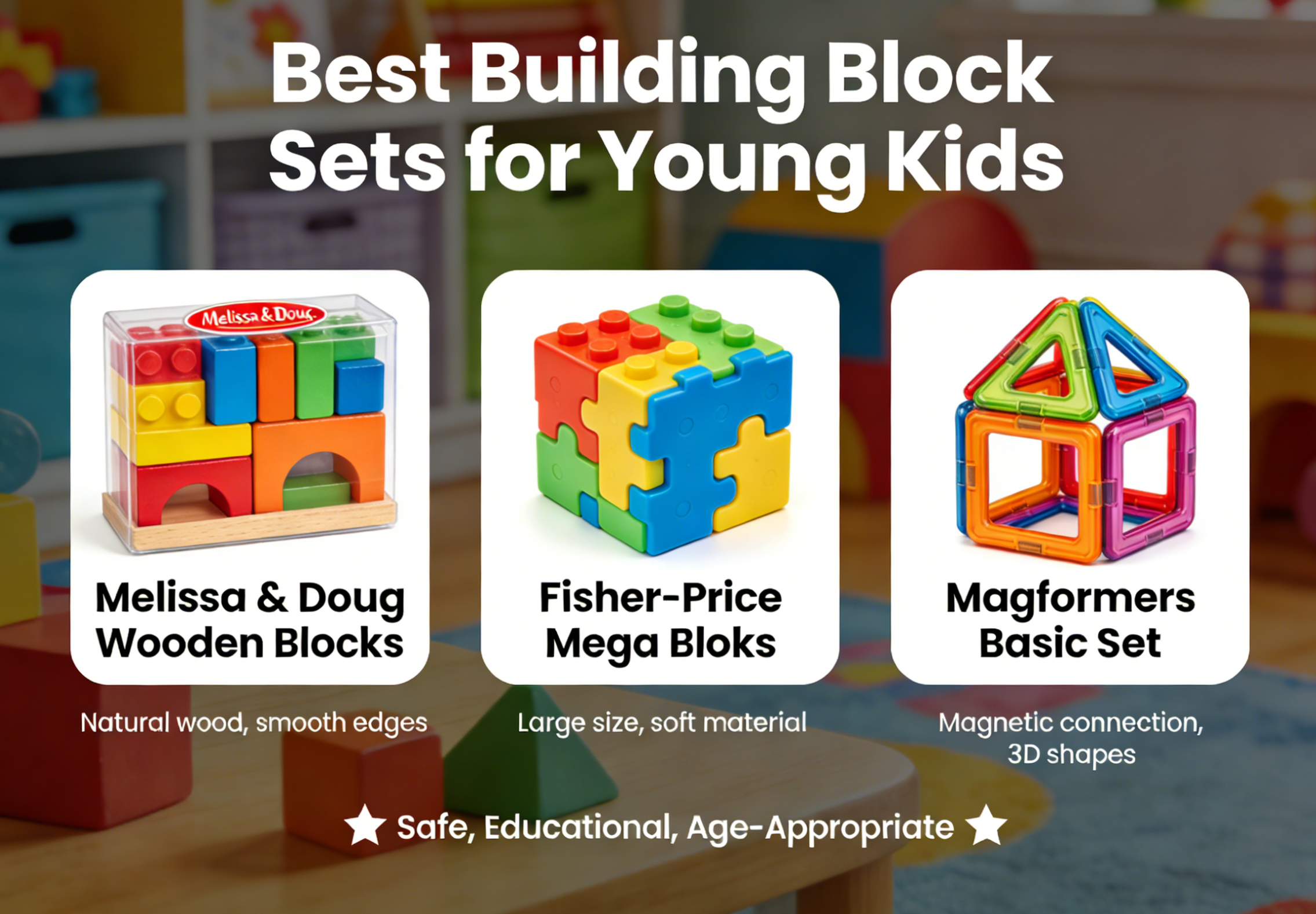
For the youngest builders, safety and simplicity are paramount. Look for large, chunky blocks that are easy for small hands to grasp and pose no choking hazard. Soft, pliable materials like rubber or eco-friendly plastics are often preferred. Examples include-modelbuilderus oversized soft blocks or classic Duplo bricks. These sets focus on basic stacking, color recognition, and gross motor skill development. The goal is to introduce the concept of building and encourage exploration without frustration.
Preschoolers (3-5 years): Expanding Creativity with Themed Sets
As children grow, their motor skills become more refined, and their imaginations begin to flourish. This is an excellent age to introduce larger building block sets for kids with a wider variety of shapes, colors, and even some themed elements. Basic LEGO sets or magnetic tiles are fantastic choices here. They allow for more complex structures, encourage storytelling, and can introduce early architectural concepts. The emphasis remains on free play but with an increasing capacity for following simple instructions or replicating designs.
School-Aged Children (6+ years): Intricacy, Engineering, and Collaboration
For school-aged children, the possibilities become virtually limitless. They can engage with smaller, more intricate interlocking bricks, elaborate themed kits (e.g., vehicles, castles, cityscapes), and even advanced engineering-focused sets. These sets often come with detailed instructions, challenging children to follow steps, think critically, and troubleshoot. This age group also benefits greatly from collaboration, working with friends or family on larger projects. Brands like LEGO Technic, Creator Expert, or specialized architectural sets from building block sets for kids are ideal for fostering advanced problem-solving, patience, and perseverance.
Building Blocks as Educational STEM Toys
The term STEM (Science, Technology, Engineering, Mathematics) has become a buzzword in education, and for good reason. Early exposure to STEM concepts can significantly impact a child’s future academic and career paths. Building block sets for kids are inherently STEM toys, offering a hands-on, playful introduction to these critical disciplines.
Science and Physics in Play
When children build with blocks, they are, in effect, conducting miniature science experiments. They learn about gravity as towers fall, stability as they balance structures, and friction as blocks interlock. They observe properties of materials (e.g., solid, rigid) and experiment with weight distribution, all without ever stepping into a formal lab.
Engineering and Design Principles
Building blocks are a child’s first foray into engineering. They learn to design, plan, construct, and modify. They understand the importance of a strong foundation, the concept of load-bearing, and how different shapes interact to create stable structures. This intuitive understanding of design and construction principles lays a crucial groundwork for future learning in engineering and architecture.
Mathematical Concepts
From counting the number of studs on a brick to understanding symmetry, patterns, and geometric shapes, blocks are a powerful mathematical tool. Children naturally engage with concepts of measurement as they compare block sizes, fractions as they divide a workspace, and spatial relationships as they fit pieces together. These tactile experiences make abstract mathematical concepts feel real and accessible.
Integrating Building Blocks into a Child’s Play Routine
To maximize the benefits of building block sets for kids, parents and caregivers can take several steps to integrate them effectively into a child’s play environment.
Create an Inviting Play Space
Designate a specific area for building blocks where children can spread out their pieces and leave ongoing projects without disturbance. A large, flat surface like a play mat or a dedicated table can encourage longer periods of engagement. Good lighting and accessible storage are also key.
Encourage Open-Ended Play
While instruction manuals have their place, particularly for older children with complex sets, always encourage free-form building. Ask open-ended questions like, “What are you making?” or “What does this do?” rather than providing strict directions. This fosters independent thinking and imaginative expression.
Play Together & Model Creativity
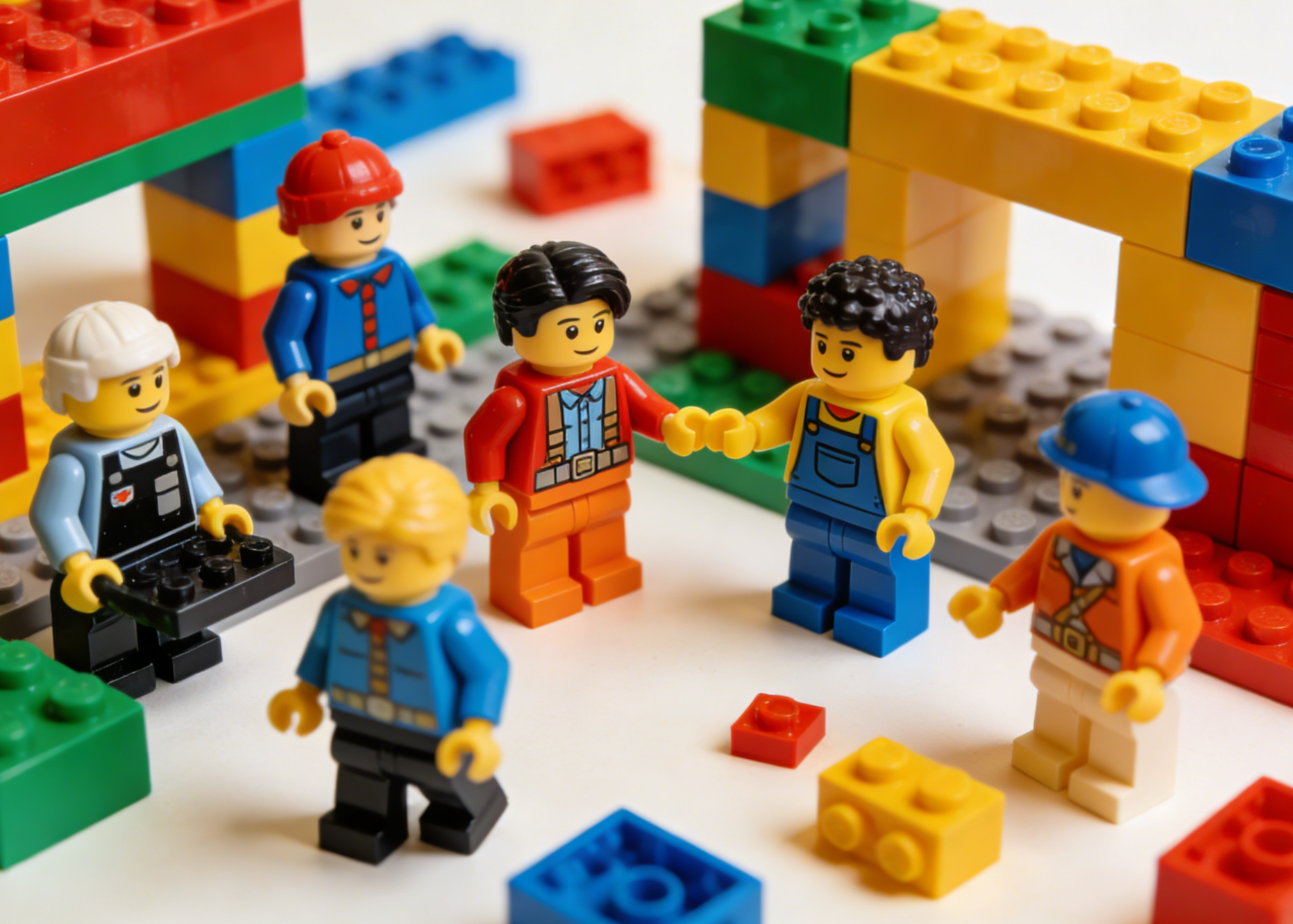
Join your child in building! Your participation can spark new ideas, demonstrate problem-solving in action, and strengthen your bond. Work together on a single project or create separate structures next to each other. Your enthusiasm can be contagious and motivate your child to explore further. modelbuilderus provides sets that often appeal to adults as well, making family building time a joy.
Combine Blocks with Other Toys
Integrate building blocks with other toys to expand the scope of imaginative play. A block-built castle can become home to action figures, a block vehicle can transport dolls, or animals can roam a block-constructed zoo. This interdisciplinary play encourages children to think creatively about how different elements can interact.
The Global Appeal of Building Blocks: US and European Markets
The popularity of building block sets for kids transcends geographical boundaries, resonating deeply with families in both the US and European markets. While cultural nuances exist, the universal benefits of these toys ensure their widespread acceptance.
Safety Standards and Quality
Both regions prioritize toy safety, but with slightly different regulatory frameworks. In the US, the Consumer Product Safety Commission (CPSC) sets guidelines, while in Europe, the CE marking indicates compliance with EU safety directives. Reputable brands like those found at modelbuilderus adhere to the strictest standards in both markets, ensuring that the materials are non-toxic, components are free from sharp edges, and age-appropriate design prevents choking hazards.
Educational Pedagogy
In Europe, there’s a strong emphasis on play-based learning and methodologies like Montessori and Reggio Emilia, which naturally align with the open-ended nature of building blocks. Similarly, in the US, educational systems increasingly recognize the value of hands-on learning and STEM education, making blocks a staple in classrooms and homes. The demand for toys that promote critical thinking and creativity is consistently high across these regions.
Sustainability and Eco-Consciousness
A growing trend in both the US and Europe is the demand for sustainable and eco-friendly products. Manufacturers of building block sets are responding by using recycled plastics, bio-based materials, or sustainable wood. Companies that focus on durability and timeless design also contribute to sustainability by creating toys that last for generations, reducing waste. This aligns with a broader consumer preference for ethical and environmentally responsible purchasing choices.
Conclusion
Building block sets for kids are much more than just toys; they are powerful developmental tools that nurture a wide array of skills essential for a child’s growth. From refining fine motor skills and spatial reasoning to igniting creativity and problem-solving abilities, blocks offer a rich and engaging play experience. Whether a child is stacking oversized blocks as a toddler or constructing elaborate models as a school-aged enthusiast, the benefits are profound and lasting. For parents and educators in the US and European markets seeking to provide children with stimulating and educational play opportunities, investing in quality building block sets is an excellent choice. By choosing carefully and encouraging imaginative, open-ended play, we empower the next generation to become innovative thinkers and confident builders. Explore the vast selection of high-quality sets available at modelbuilderus to find the perfect tools to spark your child’s genius.
Frequently Asked Questions (FAQ)
What are the primary benefits of building block sets for kids?
Building block sets enhance fine motor skills, hand-eye coordination, problem-solving abilities, spatial reasoning, creativity, and imaginative play. They also introduce basic engineering principles and foster patience.
How do I choose the right building block set for my child’s age?
For toddlers, choose large, easy-to-grip blocks to prevent choking hazards. For preschoolers, look for sets with simpler construction and colorful pieces. Older children can handle smaller, more intricate blocks and themed sets that encourage complex building and storytelling. Always check age recommendations on the packaging.
Are building block sets considered STEM toys?
Yes, many building block sets are excellent STEM toys. They naturally incorporate principles of science (gravity, balance), technology (design concepts), engineering (structure, stability), and mathematics (geometry, counting, patterns) through hands-on play, making them invaluable for early learning.
What makes modelbuilderus a good option for purchasing building block sets?
modelbuilderus offers a wide range of high-quality building block sets, catering to various age groups and interests. They focus on durable, safe materials and often provide innovative designs that support both educational and creative play, making them a trusted source for families in the US and Europe.
How can building blocks encourage imaginative play?
Building blocks provide the raw materials for children to create anything they can imagine, from castles and spaceships to entire cities and fantasy creatures. This open-ended play encourages storytelling, role-playing, and the development of narrative skills, as children give life and purpose to their constructions.