
Quick answer: Building with large building block toys starts with a solid base plate and a clear plan for scale, while creating building block toys for miniature art relies on small, uniform pieces arranged like pixels to form detailed images. Both techniques reward patience, the right piece selection, and a workspace that keeps your bricks sorted by color and size. ModelBuilder’s alternative sets give you the flexibility to explore both styles without breaking your budget.
Building with blocks isn’t just a childhood pastime anymore. Adults across the US and Europe are rediscovering brick-based building as a way to unwind, flex their creativity, and produce something they can proudly display on a shelf. Whether you’re stacking oversized bricks into a towering castle or arranging tiny tiles into a pixel-perfect portrait, the process taps into the same satisfaction: watching a pile of loose pieces become something whole.
This guide walks you through two distinct but complementary building styles: large-scale construction using large building block toys, and detailed, image-based work using building block toys for miniature art. You’ll learn how to plan your build, choose the right pieces, and avoid the common mistakes that trip up first-time builders. By the end, you’ll have a clear roadmap for your next project, no matter which style calls to you.
Why are large building block toys so popular with adult builders?
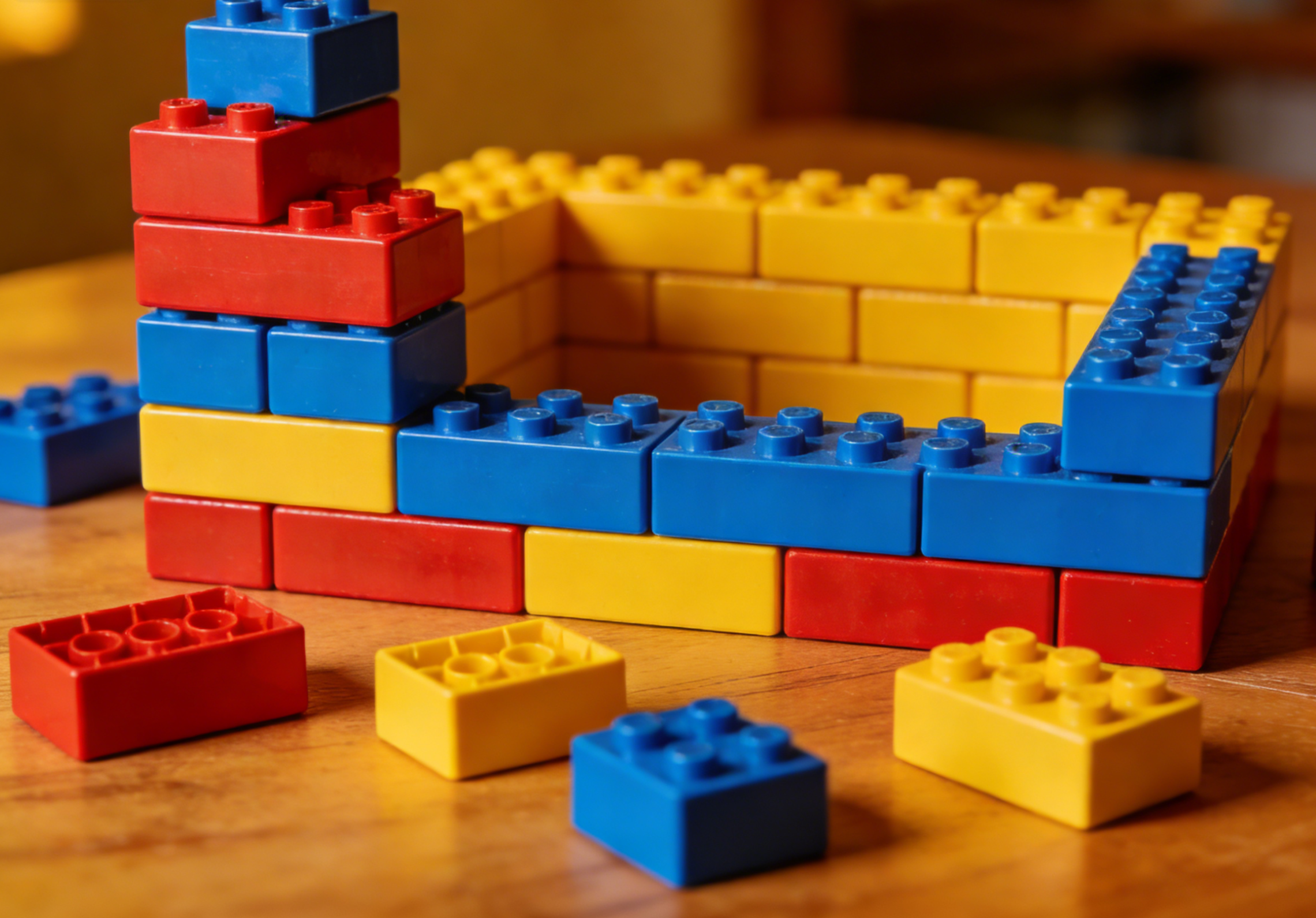
Large-format bricks have surged in popularity because they let builders create impressive structures without needing thousands of tiny pieces. A single large brick can cover the same footprint as a dozen standard ones, which means big castles, vehicles, and architectural models come together faster.
For adults balancing work and hobby time, that speed matters. You get the satisfaction of visible progress within a single sitting, rather than spending weeks on one wall section. Large blocks also tend to be sturdier once assembled, making them a smart choice for display pieces that will sit on a desk or shelf for years.
If you’re new to large-scale building, explore ModelBuilder’s themed collections to see how different sets are organized by size and complexity. Starting with a mid-sized set helps you learn scale and structural logic before committing to a massive build.
How do you plan a large-scale brick build?
Planning separates a project that gets finished from one that stalls halfway through. Follow these steps before you snap your first brick into place:
- Choose your subject and scale. Decide whether you’re building a replica, an original design, or a display piece. Sketch a rough outline, even a simple one, to establish proportions.
- Sort your pieces by size and color. Large builds move faster when you’re not hunting through a mixed pile every few minutes. Use trays or small bins to separate bricks by type.
- Build from the base up, and check stability as you go. Foundation layers carry the most weight. Reinforce these areas with interlocking patterns rather than single-brick columns.
- Leave load-bearing sections until last. Roofs, arches, and overhangs are more likely to shift, so add them once the rest of the structure is stable.
- Take breaks to review the whole piece. Standing back every hour or so helps you catch alignment issues early, before they’re buried under more layers.
Following this order will save you the frustration of dismantling half a build to fix a wobbly base.
What makes building block toys for miniature art different from standard building?
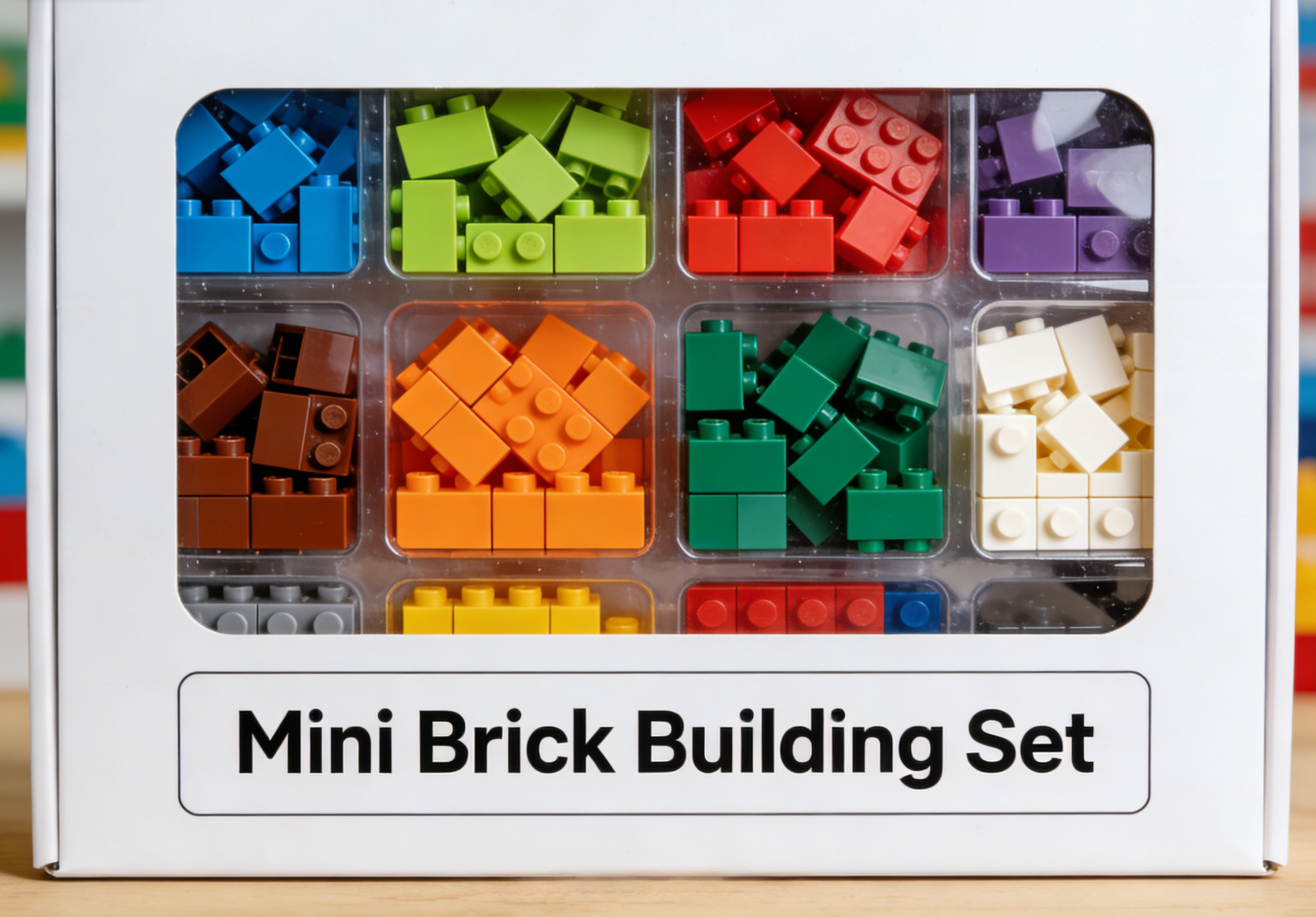
Miniature art building relies on a completely different mindset. Instead of stacking pieces outward and upward to form a 3D structure, you’re arranging small, flat pieces on a grid to recreate an image, similar to how a mosaic artist works with tile. Each brick functions like a pixel, and the final picture only comes into focus once enough pieces are placed.
This style demands more patience per square inch but requires far less structural planning. There’s no need to worry about weight distribution or load-bearing walls. The real skill lies in color matching and spacing, since a single misplaced piece can throw off an entire section of the design.
Builders drawn to portraits, logos, or landscape scenes tend to favor this method because it produces gallery-worthy results without demanding architectural expertise. ModelBuilder’s guide on the best LEGO alternatives for adults covers several sets suited to this kind of detailed, image-based work.
How do you create a piece of miniature art from building blocks?
Here’s a straightforward process for your first miniature art project:
- Pick a reference image with clear color blocks. Photos with high contrast and simple shapes translate more easily into brick form than images with subtle gradients.
- Convert your image into a grid. Many builders use free pixel-art software to map out exactly which color goes in which square. This step prevents guesswork once you start placing pieces.
- Sort your bricks by color first, then by size. Since color accuracy matters more than structural strength here, having every shade within easy reach speeds up the process significantly.
- Work in sections. Complete one quadrant of your grid before moving to the next. This keeps your reference and your progress aligned, so errors are easy to spot and correct.
- Mount your finished piece on a rigid backing plate. A flat, sturdy base prevents warping and makes the piece easy to hang or display.
Miniature art projects also make excellent gifts, since a custom portrait or logo built from bricks feels personal in a way that a mass-produced item simply can’t match.
What tools and pieces do you need to get started?
You don’t need a warehouse of specialty parts to start either style of building. A basic toolkit includes:
- Base plates in a few standard sizes, for both large builds and miniature art grids.
- Sorting trays or small containers, ideally with compartments for different colors.
- A brick separator tool, which saves your fingers when pulling apart tightly fitted pieces.
- A reference image or sketch, printed or displayed on a tablet, so you’re not relying on memory.
- A dust cover or display case, if you plan to keep your finished piece out long-term.
Because large builds and miniature art call for different piece shapes, it’s worth stocking a small variety of both large-format bricks and standard-sized flat tiles. ModelBuilder’s full range of building sets includes options built specifically for each style, so you can pick pieces suited to your current project rather than improvising with mismatched parts.
What common mistakes should first-time builders avoid?
Even experienced hobbyists run into a few recurring issues. Watch for these:
- Skipping the planning stage. Builders who dive in without a sketch or grid often end up with lopsided structures or images that don’t match their reference.
- Ignoring color availability. Before starting a miniature art piece, check that you have enough bricks in each required shade. Running out mid-project stalls momentum and can leave visible gaps.
- Overloading thin connection points. Large builds are only as strong as their weakest joint. Reinforce narrow sections with extra interlocking pieces rather than relying on a single connection.
- Rushing the final display setup. A build that took hours to finish deserves a stable, dust-free spot to live in. Skipping this step often leads to pieces shifting or collecting damage over time.
Avoiding these pitfalls won’t just save you time. It’ll make the difference between a project you’re proud to display and one that ends up back in the bin of loose pieces.
Bring your next build to life
Building with blocks rewards patience and a bit of upfront planning, whether you’re constructing a towering castle or piecing together a portrait one tile at a time. Start small if you’re new to the hobby, sort your pieces before you begin, and don’t be afraid to sketch your plan before the first brick goes down.
Your next build is waiting; grab a set that matches the style you want to explore, and start creating.
Frequently Asked Questions
Do I need special skills to start building with large block sets?
No. Large building block toys are designed for builders of all experience levels. Starting with a mid-sized set and following the base-up planning steps above will help you build confidence before tackling more ambitious projects.
How long does a typical miniature art project take to complete?
This depends on the size of your grid and the detail in your reference image, but most beginner-friendly portraits take a few hours spread across several sessions. Working in sections, as outlined above, makes the process feel far more manageable.
Can children and adults enjoy the same building sets?
Many sets are flexible enough for family use, with parents and children working together on different sections of the same build. This makes brick-building a strong option for shared, screen-free activity time.
What’s the difference between building for display and building for play?
Display builds prioritize detail and structural permanence, often using adhesive or tighter-fitting pieces. Play-focused builds are designed for repeated assembly and disassembly, so they use standard connections that hold firm but come apart easily.
Are large block sets compatible with standard-sized bricks?
Compatibility varies by manufacturer, so check product specifications before mixing sets. Many alternative brands, including ModelBuilder’s range, design pieces to interlock with standard connection points, giving you flexibility to combine collections.