
Quick answer: The best construction kits for kids match a child’s age, attention span, and interests. Younger children need large, simple pieces. Older kids thrive with detailed, multi-step builds. ModelBuilder offers sets across these stages, giving families an affordable way to build STEM skills and spend time together.
We get a lot of questions from parents who just want to know where to start. Building sets can feel overwhelming when you’re standing in front of a shelf of boxes, each one promising to be “the one” your child will love. We’ve been there too.
This guide walks you through everything you need to know about picking the right kids construction kits, setting up a building space at home, and keeping your child interested long after the first afternoon of play. We’ll also share a few tips on how to tell a well-made kit from one that falls apart after a week.
You don’t need to be an engineer or a toy expert to get this right. You just need a little guidance, and that’s what we’re here for.
Why Construction Kits Matter for Child Development
Building toys aren’t new. But the way we understand their impact on kids has grown a lot over the past decade.
When a child stacks, connects, and rebuilds pieces, they’re working on more than just a toy project. They’re developing fine motor skills, spatial reasoning, and patience. A 2015 study published in the journal Early Childhood Education Journal found that block play supports early math skills, including measurement and geometry concepts, in preschool-aged children.
Construction play also teaches problem-solving in a hands-on way. A tower that falls over isn’t a failure. It’s a lesson in balance and weight distribution, learned through trial and error rather than a lecture.
There’s a social side too. Siblings building together learn to share, negotiate, and collaborate on a shared goal. Parents who sit down and build alongside their kids get a rare kind of connection that’s hard to find with screen-based activities.
We believe construction kits for kids should do more than keep hands busy. They should spark curiosity. That’s the standard we hold ourselves to.
How to Choose the Right Kids Construction Kits by Age Group
Not every building set works for every child. Picking the right one comes down to matching the kit to your child’s current stage of development.
Toddlers (Ages 2–4)
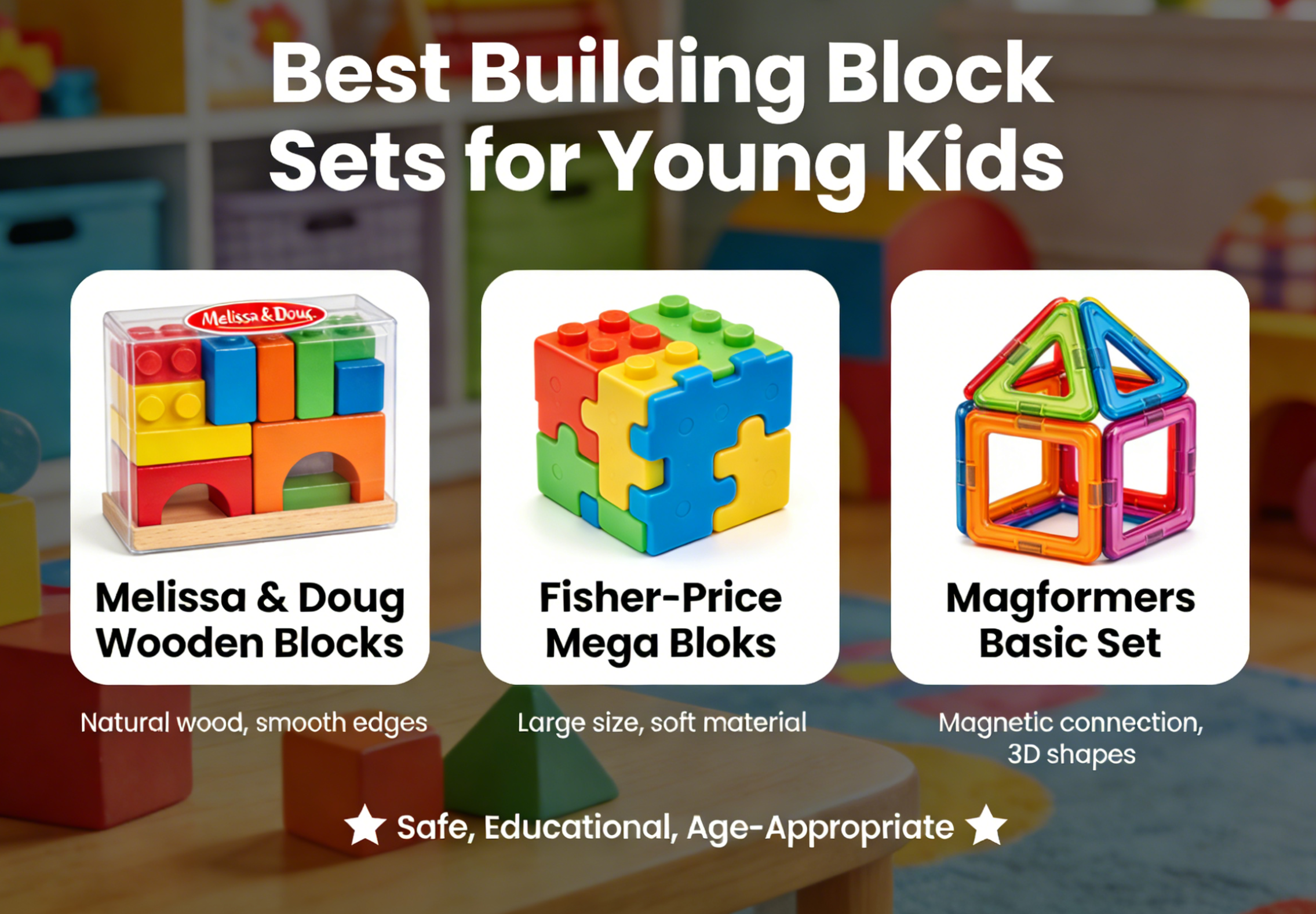
At this age, pieces should be large, chunky, and easy to grip. Choking hazards are a real concern, so always check the manufacturer’s age recommendation on the box. Simple snap-together blocks work best here. The goal isn’t a finished masterpiece. It’s exploration.
Look for sets with fewer than 50 pieces and bright, varied colors. Open-ended kits, rather than ones built around a single finished model, tend to hold a toddler’s interest longer because there’s no “wrong way” to build.
Early Elementary (Ages 5–7)
Kids in this range can follow simple picture instructions and manage smaller pieces with more precision. This is a good time to introduce themed sets, like vehicles or small buildings, that have a clear beginning and end.
We recommend kits in the 100 to 250 piece range for this age group. It’s enough to feel like a real project without becoming frustrating.
Tweens (Ages 8–11)
By now, many kids can handle multi-step builds with hundreds of pieces. This is where construction kits for kids start to resemble real engineering challenges, with moving parts, gears, or architectural detail.
Look for sets that introduce new mechanisms each time, like hinges, pulleys, or simple motors. This keeps the learning curve moving and prevents boredom.
Teens and Advanced Builders (Ages 12+)
Older kids and teens are often ready for large-scale builds, detailed replicas, or display models. At this stage, the build itself becomes part of the reward, not just the finished product. Many families find that ModelBuilder’s larger sets work well here, since they focus on detail and complexity rather than oversimplified designs.
How to Set Up the Perfect Building Session at Home
A good building session doesn’t need much. But a few small choices make a big difference.
Pick a flat, quiet surface. A kitchen table or a large tray works well. Carpeted floors are comfortable but make it easy to lose small pieces.
Sort pieces by color or type first. This sounds like extra work, but it actually speeds up the build and reduces frustration, especially for younger kids who get discouraged searching through a pile.
Set a loose time limit. Thirty to forty-five minutes is usually enough for younger children. Older kids may want to keep going for an hour or more, and that’s fine too. Follow their lead.
Keep instructions visible. Whether it’s a printed manual or a digital guide, having it propped up and easy to see helps kids build independently, which builds confidence over time.
Store pieces properly when done. A dedicated bin or drawer keeps sets intact for future builds. Nothing ends a building session faster than missing pieces from last time.
Step-by-Step: Getting Started with Your First Construction Kit
If this is your family’s first time picking up a building set, here’s a simple way to start.
- Choose a kit matched to your child’s age and skill level. Don’t aim too high on piece count for the first try. Starting smaller builds confidence.
- Open the box together and sort the pieces. This step alone teaches organization and gives kids a preview of what’s ahead.
- Read through the instructions as a team. For younger kids, walk through the first few steps together before letting them take the lead.
- Let your child build at their own pace. Resist the urge to correct every small mistake. Struggling a little is part of the learning process.
- Celebrate the finished build. Display it somewhere visible for a few days. This small recognition goes a long way in keeping kids motivated for the next project.
- Talk about what they’d build next. Ask what part they enjoyed most. This helps you choose the next kit and keeps the momentum going.
Tips for Keeping Kids Engaged and Challenged
Interest in building toys can fade if a child feels bored or overwhelmed. A few strategies help keep the spark alive.
Rotate kit difficulty. After a few easy builds, introduce something slightly harder. Kids tend to rise to a reasonable challenge, especially when they’ve just had a win.
Mix structured and free building. Alternate between following instructions and encouraging your child to design something original from a mixed bag of pieces. Creative freedom is just as valuable as following a plan.
Involve them in choosing the next set. Giving kids a say in what they build next increases buy-in and excitement before the box even arrives.
Build alongside them sometimes. Parents often underestimate how much kids enjoy shared building time. It doesn’t need to be every session, but a few shared builds a month go a long way.
Connect builds to interests. A child who loves space will stay more engaged with a rocket or space station kit than a generic building. Matching the theme to their current obsession makes a noticeable difference.
How ModelBuilder Compares to Other Brands
Parents often ask us how ModelBuilder stacks up against the big names in building toys.
Here’s our honest answer: we focus on quality materials, safe designs, and pieces that are compatible with most other major brick brands. That means your child’s existing collection isn’t wasted when you bring home a new ModelBuilder set.
We also design our kits around real engineering concepts, from basic mechanisms to more advanced architectural builds. Our themed collections are built with the same attention to detail you’d expect from premium brands, often at a lower price point.
We won’t claim to have the biggest catalog in the world. What we can say is that every set we release goes through careful design and testing before it reaches your home. We’re still growing, and there’s room for us to add even more variety. But we’re committed to building a brand parents can trust, one set at a time.
Where to Buy Quality Construction Kits
Not all building sets are made the same way. A few things to check before buying:
- Material safety. Look for non-toxic, BPA-free plastics, especially for kits intended for younger children.
- Piece compatibility. Many alternative brands design pieces to work with standard interlocking bricks, which protects your investment over time.
- Clear instructions. Confusing or poorly translated manuals are a common complaint with lower-quality kits. Check reviews before buying.
- Warranty or replacement policy. Missing pieces happen. A brand that offers replacement parts shows they stand behind their product.
You can browse ModelBuilder’s full range of kids construction kits directly through our online store, where every set lists its recommended age range and piece count up front.
Start Building Something Together
Choosing the right building set doesn’t have to be complicated. Match the kit to your child’s age, give them space to build at their own pace, and don’t be afraid to get your own hands into the pieces now and then.
We hope this guide gave you a clearer picture of where to start. And if you’re ready to pick out your family’s next project, we’d love to have you explore what we’ve built.
FAQ
What age should kids start using construction kits?
Most children can start with large, simple building blocks around age two. More detailed kits with smaller pieces are generally better suited for kids aged five and up, once fine motor skills and attention span have developed further.
How much should I expect to spend on a good construction kit?
Prices vary widely based on piece count and complexity. Smaller starter sets often cost under $20, while larger, detailed kits can run $50 or more. Focus on material quality and piece compatibility rather than price alone.
Are LEGO alternative brands as safe as the original?
Reputable alternative brands, including ModelBuilder, use non-toxic materials and follow standard toy safety testing. Always check for safety certifications and age recommendations printed on the packaging before purchasing.
How do I keep my child interested in building over time?
Rotate between structured kits and free building, involve your child in choosing new sets, and occasionally build alongside them. Matching kits to their current interests also helps maintain long-term engagement.
Can construction kits really help with STEM skills?
Yes. Building toys support spatial reasoning, basic engineering concepts, and problem-solving skills. Research on block play has shown measurable benefits for early math and geometry understanding in young children.