
TL;DR: Choosing the best DIY building toys for kids means matching piece complexity to age, prioritizing compatibility with existing sets, and checking for durability certifications. ModelBuilder sets deliver all three, with age-graded kits, universal brick compatibility, and tested materials — making them a practical LEGO alternative for families and hobbyists alike.
Building with bricks isn’t just a weekend pastime. For millions of families across the US and Europe, it’s become a shared ritual — one that trades screen time for hands-on problem-solving. Parents want their kids building skills, not just stacking plastic. Adult hobbyists want complex models that challenge them after a long day at work. And collectors want pieces that hold their shape and their value for years.
That’s where DIY construction toys for kids earn their keep. They’re flexible enough for a five-year-old’s first tower and detailed enough for a 40-year-old engineer’s weekend megastructure. The challenge isn’t finding building toys — shelves are full of them. The challenge is finding the right ones for your builder’s age, skill level, and goals.
This guide walks through what actually matters when selecting building sets, how to get the most out of a new kit, and where ModelBuilder fits among the growing field of LEGO alternatives. By the end, you’ll know exactly what to look for before you add anything to your cart.
Why DIY Building Toys Matter for Kids’ Development
Building toys do more than fill an afternoon. They develop fine motor skills, spatial reasoning, and sequential thinking — all while keeping kids engaged without a screen in sight.
What skills do DIY construction toys actually build?
Each time a child sorts pieces, follows a multi-step instruction sheet, or problem-solves a wobbly structure, they’re practicing skills that transfer directly to STEM subjects. Specifically:
- Fine motor control: Pressing, twisting, and aligning small pieces strengthens hand muscles used in handwriting and tool use.
- Spatial reasoning: Understanding how 2D instructions translate into 3D structures builds the same mental models used in geometry and engineering.
- Sequential thinking: Following a build order — step one before step two — reinforces logic and planning.
- Patience and persistence: Complex builds don’t finish in five minutes. Kids learn to stick with a task through setbacks, like a piece that doesn’t fit or a wall that collapses.
Why are parents choosing building toys over screens?
Reducing screen time is a consistent motivator for parents selecting toys for children aged 5–14. Building sets offer an alternative that still feels rewarding — there’s a finished product to display, play with, or gift. Unlike passive screen entertainment, DIY building toys for kids require active decision-making from start to finish, which is part of why they remain a staple in households focused on hands-on learning.
For families, the activity doubles as connection time. A parent and child working through a 500-piece set together builds patience on both sides — and gives everyone a reason to put the phone down.
How to Choose the Right DIY Construction Toys for Kids
Not every set is built the same, and not every child is ready for the same level of complexity. Here’s what to evaluate before buying.
What age range is this building set designed for?
Manufacturers typically label sets by recommended age, and for good reason. A toddler needs oversized, choke-hazard-free pieces. A ten-year-old wants intricate detail and a real challenge. Buying a set too advanced for a child’s age leads to frustration; buying one too simple leads to boredom. Check the box, check the piece count, and when in doubt, size down rather than up for a first build.
Is the set compatible with other building brick brands?
Compatibility matters more than most buyers realize. A family that already owns hundreds of bricks from one brand doesn’t want to start a separate, incompatible collection. Look for sets explicitly built to interlock with major brick standards — it protects your existing investment and makes mixing sets for custom creations possible. ModelBuilder sets are designed for cross-compatibility with standard building bricks, so new sets expand an existing collection instead of sitting apart from it.
How durable are the materials used?
Pieces that crack, discolor, or lose their clutch power after a few months of play aren’t worth the shelf space. Look for ABS plastic construction, which resists warping and holds color better than cheaper alternatives. Durability also affects resale and hand-me-down value for collectors and families planning to pass sets down to younger siblings.
Does the set offer real building complexity, not just a picture on a box?
For older kids, teens, and adult hobbyists, the appeal of DIY building toys for kids extends well past childhood. A set that only takes fifteen minutes to complete won’t hold an experienced builder’s attention. Look at piece count, the presence of mechanical or moving elements, and whether the finished model offers genuine detail rather than a blocky approximation.
You can browse ModelBuilder’s full range of construction sets by age group and complexity level to find a match for your builder’s skill level.
Step-by-Step Guide: Getting Started with ModelBuilder Sets
Unboxing a new set shouldn’t feel overwhelming. Here’s a straightforward process for getting a ModelBuilder kit from box to display shelf.
Step 1: Sort pieces before you start building
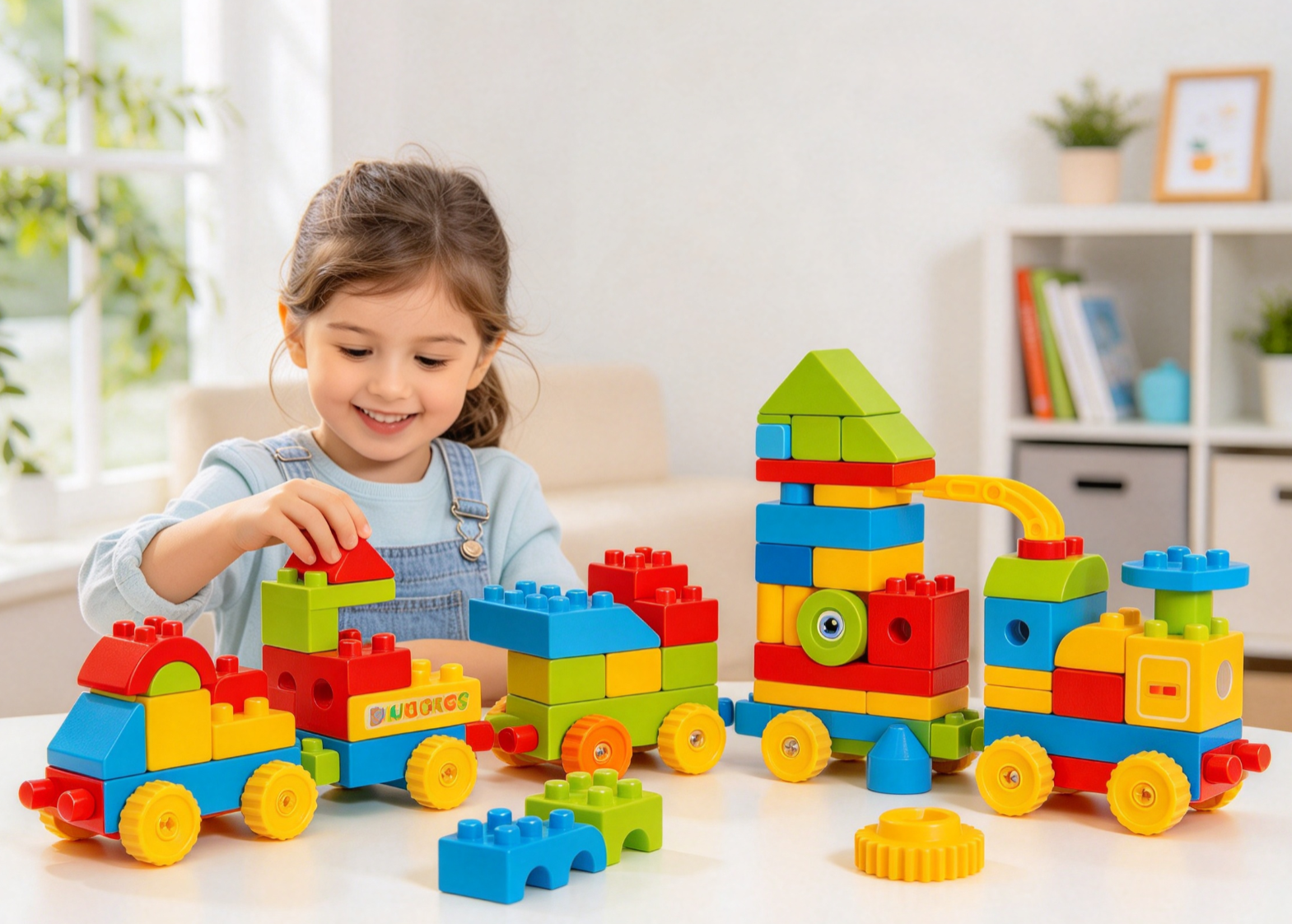
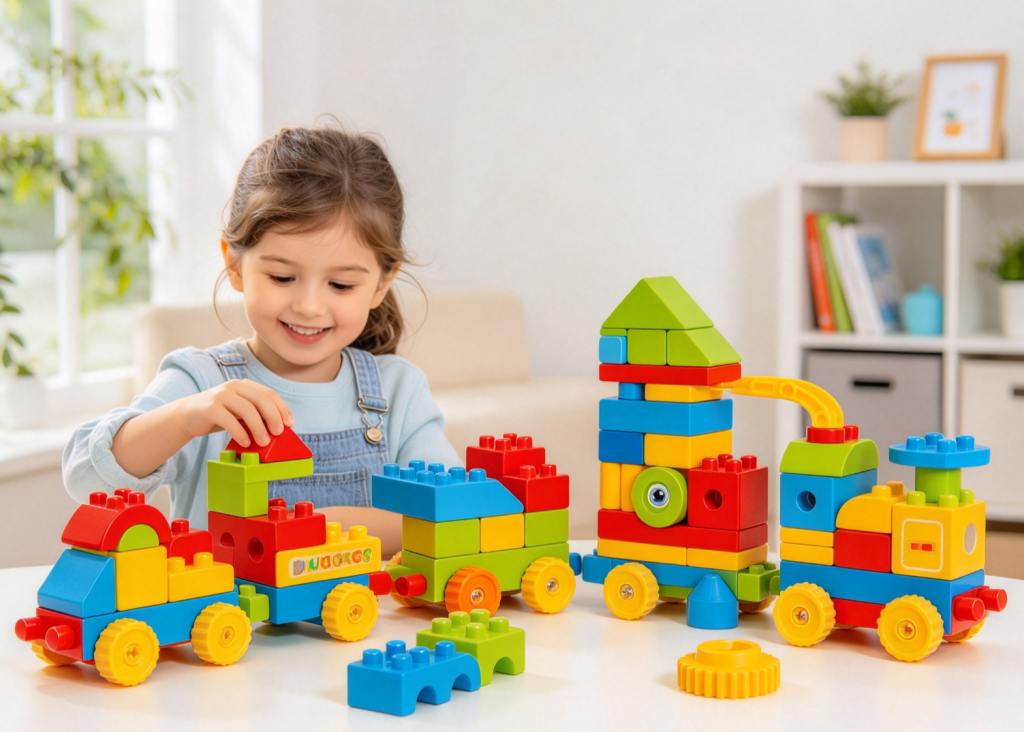
Dump the pieces onto a flat surface and sort by color, size, or bag number if the set includes pre-divided bags. This single step prevents the most common beginner frustration: digging through a pile looking for one specific piece.
Step 2: Read through the instructions once before building
A quick skim of the instruction booklet gives builders a sense of the project’s scope and highlights which sections look most complex. For younger builders, this is a good moment for a parent to flag any steps that might need extra help.
Step 3: Build in stages, not in one sitting
Complex ModelBuilder sets are designed to be built over multiple sessions. Breaking the build into stages — a wing one day, the fuselage the next — keeps younger builders from losing focus and gives adult hobbyists a reason to look forward to their next session.
Step 4: Check your work against the instructions regularly
Small errors compound quickly in brick building. Checking alignment every few steps, rather than only at the end, saves builders from having to disassemble large sections to fix a mistake buried deep in the structure.
Step 5: Display or integrate the finished model
Once complete, decide whether the model becomes a standalone display piece or gets integrated into a larger collection. Many ModelBuilder sets are designed to connect with other kits, letting builders create expanded dioramas or city layouts over time.
Ready to start your first build? Explore ModelBuilder’s starter sets designed specifically for first-time builders and gift-giving.
Tips for Making the Most of DIY Building Play
Buying the right set is only half the equation. Getting real value — educational, creative, or collectible — depends on how the set gets used.
How can parents turn building time into learning time?
Ask open-ended questions during the build: “Why do you think this piece goes here?” or “What would happen if we built it a different way?” These small prompts turn passive assembly into active problem-solving, reinforcing the STEM benefits that make building toys worth the investment in the first place.
How do hobbyists get more out of complex builds?
Adult builders and creators often go beyond the instruction manual, modifying official sets or combining multiple kits into original designs. Online brick-building communities are a major resource here — sharing modifications, troubleshooting tricky connections, and showing off finished projects. Joining one of these communities turns a solo hobby into a shared one, and often sparks ideas for the next build.
How should collectors store and display finished models?
For collectors, display conditions affect long-term value. Keep finished models out of direct sunlight, which can fade ABS plastic over time, and consider enclosed display cases for larger or more intricate builds. Dusting with a soft brush rather than cloth prevents pieces from shifting or detaching.
What’s the best way to keep kids engaged with building toys long-term?
Rotate sets rather than leaving everything out at once. Keeping two or three kits accessible and storing the rest keeps the activity feeling fresh, rather than letting an overwhelming pile of bricks become background clutter.
How Does ModelBuilder Compare to Other LEGO Alternatives?
The LEGO alternative market has grown considerably, giving families and hobbyists more choice — and more decisions to make. Here’s how ModelBuilder stacks up against the broader field.
Choose ModelBuilder if compatibility with existing brick collections matters most. ModelBuilder sets are engineered to interlock with standard building bricks, so new purchases expand rather than fragment a family’s existing collection.
Choose ModelBuilder if you want age-graded complexity without sacrificing detail. Sets span from simple beginner builds to intricate, multi-stage projects designed for teens and adult hobbyists, so one brand can serve an entire household as kids grow.
Choose ModelBuilder if durability and material quality are a priority. ModelBuilder uses ABS plastic construction designed to resist warping and color fade, which matters for families planning to hand sets down or collectors building a long-term display.
Choose a different brand if you’re specifically looking for licensed sets tied to a particular franchise. Some competitors focus heavily on licensed themes. ModelBuilder’s strength lies in original designs and cross-set compatibility rather than franchise tie-ins.
For families and hobbyists weighing DIY building toys for kids against other construction toy brands, the deciding factors usually come down to compatibility, durability, and whether the complexity level matches the builder’s skill — all areas where ModelBuilder has built its catalog around meeting those needs directly.
Where to Buy ModelBuilder Sets
ModelBuilder sets are available directly through the brand’s official online store, which carries the full current catalog organized by age group, piece count, and model category. Buying direct ensures access to the newest releases, accurate stock availability, and any current promotions or bundle offers.
Shop the full ModelBuilder catalog to browse sets by age range, theme, and complexity level, or to find gift bundles for upcoming birthdays and holidays.
Before buying from a third-party retailer, confirm the set is a current, authentic ModelBuilder release — older or discontinued sets may be harder to pair with replacement pieces or newer kits designed for cross-compatibility.
Build Something Worth the Shelf Space
Choosing the right building toy isn’t about finding the biggest box or the most pieces. It’s about matching a set to a builder’s age, interests, and goals — whether that’s a parent looking for hands-on STEM practice, a hobbyist chasing a weekend challenge, or a collector adding to a display shelf.
ModelBuilder’s lineup is built around that matching process: age-graded complexity, cross-brand compatibility, and materials designed to last well past the first build. Start with a set that fits where your builder is today, and let the collection grow from there.
Add your first ModelBuilder set to your collection and give your builder a project worth finishing.
Frequently Asked Questions
What age is appropriate for starting with DIY building toys?
Most children can begin with larger, simplified building sets around age 4–5. More detailed, small-piece sets are generally better suited for children 8 and older, while complex, multi-stage kits work well for teens and adult hobbyists.
Are ModelBuilder sets compatible with other building brick brands?
Yes. ModelBuilder sets are designed for cross-compatibility with standard building bricks, allowing builders to combine ModelBuilder pieces with existing collections from other major brands.
How much do DIY construction toy sets typically cost?
Pricing varies widely based on piece count and complexity, ranging from budget-friendly starter sets to premium, large-scale kits aimed at collectors and advanced hobbyists. Checking piece count alongside price helps determine overall value.
What should I do if a ModelBuilder set is missing a piece?
Contact ModelBuilder’s customer support team directly through the official site with your order details. Most building toy brands, including ModelBuilder, offer replacement parts for missing or damaged pieces from a verified purchase.
Are DIY building toys only for kids, or do adults use them too?
Adults make up a significant share of the building toy market. Complex, large-scale sets are specifically designed for hobbyists, collectors, and creators who want detailed builds beyond typical children’s play sets.