
The Ultimate Guide to Cleaning and Maintaining Your Building Block Sets
Building block sets, whether they are intricately designed collector’s models or well-loved children’s toys, represent an investment in creativity, fun, and often, significant monetary value. Over time, however, these beloved pieces can accumulate dust, grime, and even germs, diminishing their appeal and potentially shortening their lifespan. Ensuring their longevity and pristine condition requires a systematic approach to care. This comprehensive guide will walk you through everything you need to know about how to clean and maintain building block sets?, offering practical advice for both casual users and enthusiastic collectors in the US and European markets. By following these expert tips, you can protect your investment, maintain hygienic play environments, and ensure your building blocks remain vibrant and functional for years to come.
Why Regular Cleaning and Maintenance are Crucial
Beyond aesthetics, there are several compelling reasons to regularly clean and maintain your building block sets.
Hygiene and Health
Building blocks, especially those frequently handled by children, can become breeding grounds for bacteria and viruses. Regular cleaning helps eliminate these pathogens, contributing to a healthier play environment. For collectors, even dust can trigger allergies or respiratory issues over time if not properly managed.
Preservation of Quality and Longevity
Dust, dirt, and oils from hands can degrade the plastic over time, leading to discoloration, brittleness, and a loss of the satisfying “clutch power” that defines high-quality building blocks. Proper cleaning and storage preserve the integrity of the plastic, ensuring that pieces fit together perfectly and colors remain vibrant. This is particularly important for rare or vintage sets, where condition directly impacts value.
Enhanced Play Experience
Clean blocks are simply more enjoyable to play with. They feel better in hand, connect more smoothly, and allow for a more immersive building experience. For display models, a clean, dust-free appearance highlights the craftsmanship and detail, making them more visually appealing.
Preparation: Before You Begin Cleaning
Before diving into the cleaning process, a little preparation goes a long way in protecting your sets and making the job easier.
-
Sort by Material and Type
If you’re cleaning a large collection of mixed blocks, it’s wise to sort them. Separate any electronic components, stickers, fabric pieces, or blocks with delicate printing, as these will require a different cleaning method or should be removed entirely before washing. Some sets, especially from brands like modelbuilderus, might include unique elements that need special attention.
-
Gather Your Supplies
Having all your tools ready will streamline the process. You’ll typically need:
- Gentle dish soap (biodegradable and mild)
- Soft brushes (old toothbrushes work well for crevices)
- Microfiber cloths or soft towels
- Two large basins or sinks (one for washing, one for rinsing)
- A colander or mesh laundry bag
- Air-drying racks or clean towels
- Optional: white vinegar for stubborn grime, compressed air for intricate models.
-
Check Manufacturer Guidelines
Always consult the specific cleaning instructions provided by the manufacturer of your building blocks. While general advice applies, some brands might have specific recommendations or warnings for their particular type of plastic or special components. This is especially true for older or vintage sets.
The Step-by-Step Guide: How to Clean Building Blocks
Here’s a general method for how to clean and maintain building block sets? effectively:
Step 1: Dry Dusting
For lightly dusty sets that aren’t heavily soiled, a thorough dry dusting might be all that’s needed. Use a soft-bristled brush or a can of compressed air to dislodge dust from crevices. For larger surfaces, a microfiber cloth works wonders. Do this outdoors if possible to avoid recirculating dust in your home.
Step 2: Pre-Soaking (Optional, for heavy grime)
If your blocks are particularly dirty or sticky, a short pre-soak can loosen grime. Fill a basin with lukewarm water (never hot, as it can warp plastic) and add a small amount of mild dish soap. Submerge the blocks for 10-15 minutes. Avoid soaking blocks with stickers or prints for too long, as this can cause them to peel or fade.
Step 3: Hand Washing
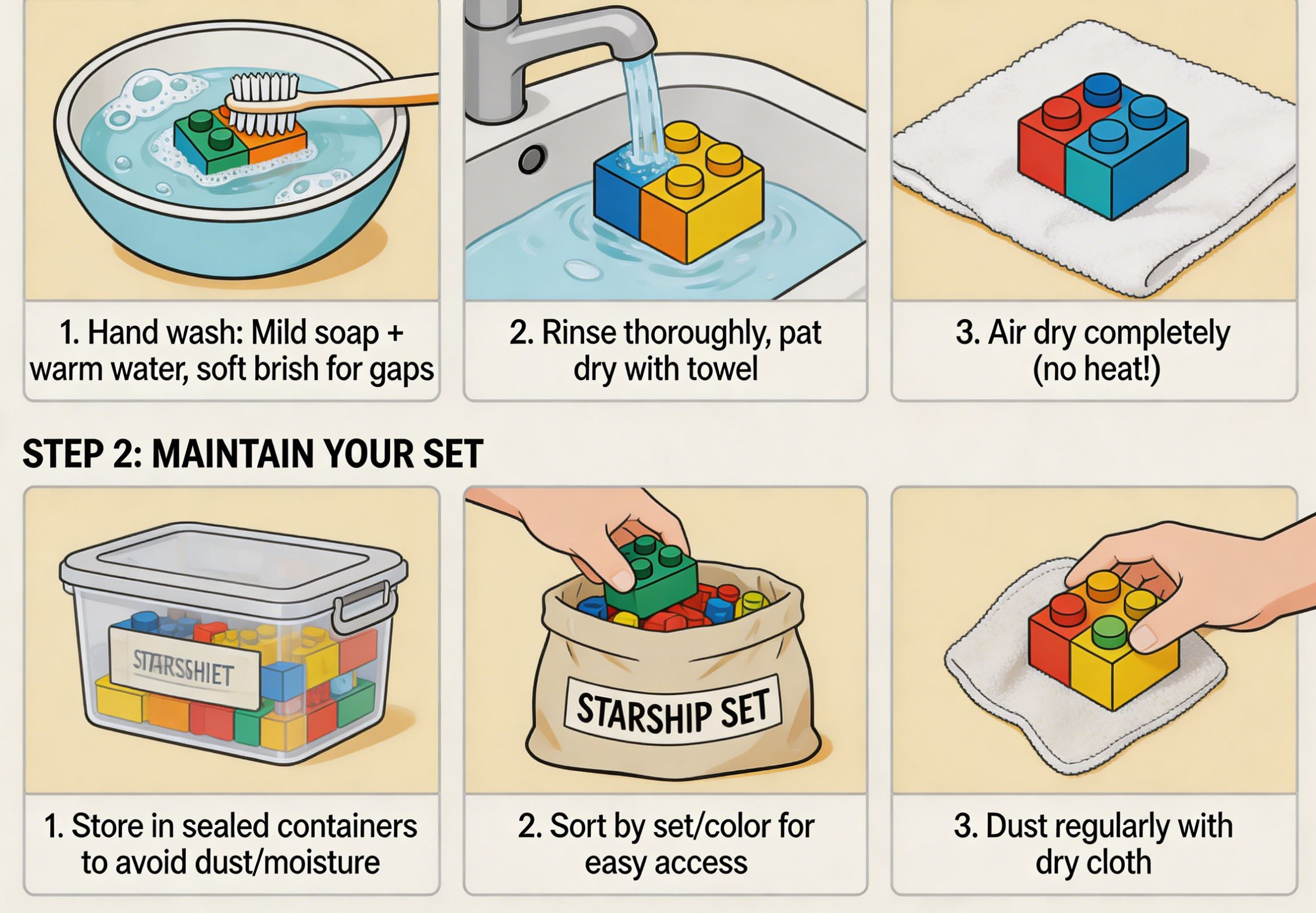
This is the safest and most recommended method for most building blocks. Fill one basin with fresh lukewarm water and a few drops of mild dish soap. Use the second basin for rinsing. Immerse a small batch of blocks into the soapy water. Using your hands or a soft brush, gently scrub each block, paying attention to studs, tubes, and any textured surfaces where dirt can accumulate. For hard-to-reach spots, an old toothbrush is invaluable.
Important Note: Avoid abrasive scrubbers or harsh cleaning chemicals, which can scratch the plastic or cause discoloration.
Step 4: Rinsing Thoroughly
After washing, transfer the blocks to the second basin filled with clean, lukewarm water. Rinse them thoroughly to remove all soap residue. Soap left on blocks can leave a sticky film that attracts dust and can be unpleasant to touch. You may need to change the rinse water multiple times until it remains clear.
Step 5: Drying
Proper drying is critical to prevent water spots and mildew. Spread the washed blocks on clean, dry towels or open them on an air-drying rack. Ensure good air circulation. It’s best to let them air dry completely, which can take 24-48 hours depending on humidity. You can gently pat them with a clean towel to speed up the process, but avoid direct sunlight or high heat, which can warp or fade the plastic. For sets from companies like modelbuilderus, ensuring thorough drying maintains the precise fit.
Advanced Cleaning Techniques and Considerations
Dealing with Stubborn Stains and Discoloration
For persistent grime, a diluted solution of white vinegar (1:1 with water) can be effective. Apply it with a cloth, scrub gently, and rinse thoroughly. For yellowed blocks (a common issue with older white or light-colored plastic due to UV exposure), some collectors use a method called “Retr0bright” which involves hydrogen peroxide and UV light, but this is an advanced technique and carries risks of damaging the plastic if not done correctly. Proceed with extreme caution and research thoroughly before attempting.
Cleaning Electronic Components
Any blocks with integrated electronics (lights, motors, sound bricks) should never be submerged in water. Instead, wipe them down carefully with a damp cloth (barely moist), ensuring no water enters the electronic parts. Use compressed air to remove dust. Ensure they are completely dry before reassembling or using them.
Stickers and Printed Parts
Blocks with stickers or intricate printing require delicate care. Avoid soaking them, and if washing, clean them quickly and gently with a damp cloth, dabbing rather than scrubbing. Excessive moisture can cause stickers to peel or printing to fade.
Maintenance: Beyond Cleaning
Knowing how to clean and maintain building block sets? also involves smart storage and handling practices.
Proper Storage
-
Airtight Containers for Loose Blocks
For disassembled sets or loose blocks, airtight storage containers protect them from dust, moisture, and pests. Clear containers allow for easy identification of contents. Avoid storing blocks in direct sunlight, which can cause fading and brittling.
-
Display Cases for Constructed Models
If you display your constructed models, investing in a dust-proof display case is highly recommended. These cases not only protect from dust but also from accidental bumps, pet interference, and UV damage (if made with UV-protective acrylic). Regularly dust the outside of the case and gently wipe down the model inside with a soft brush if needed.
-
Sorting and Organization
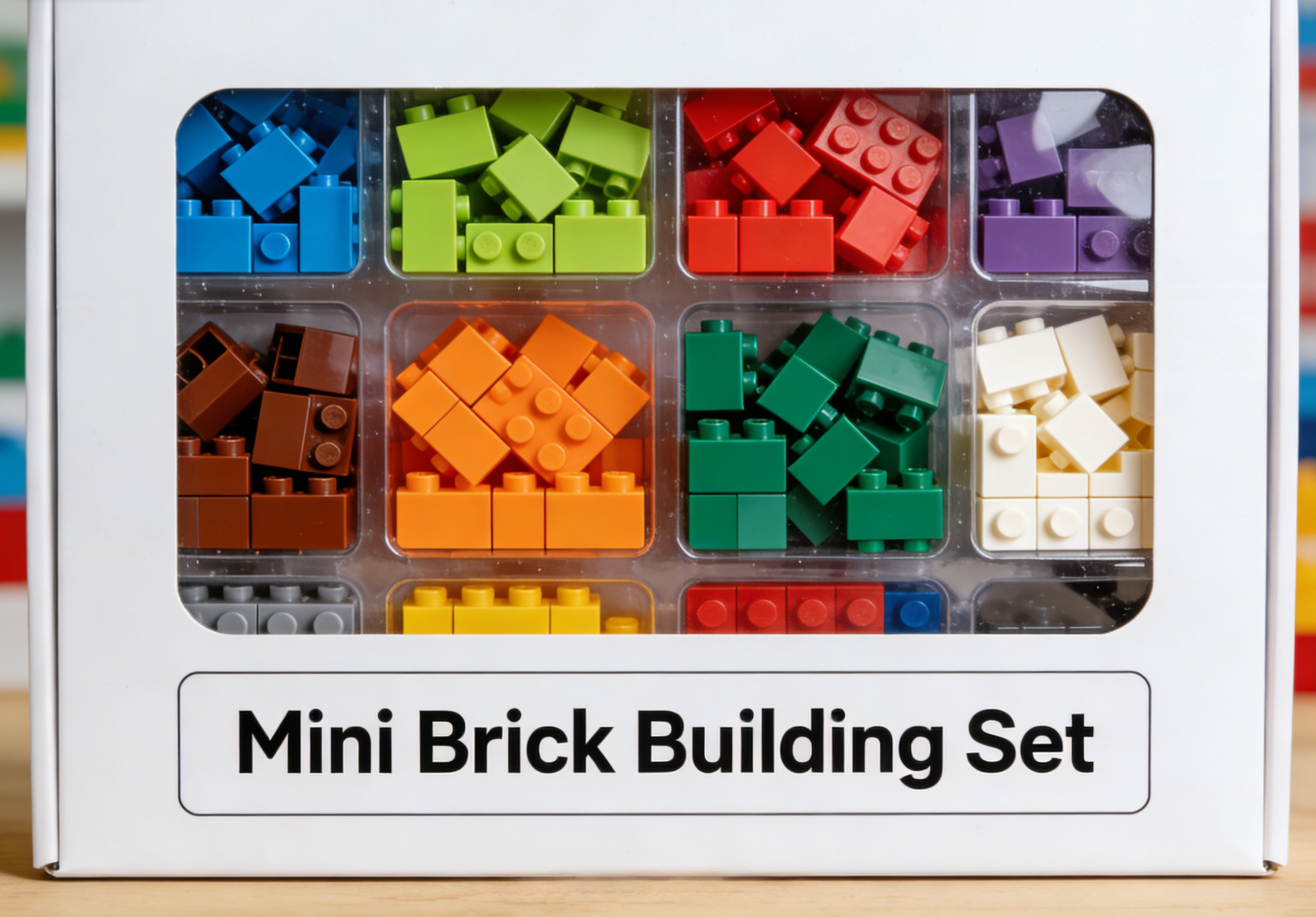
Maintaining an organized collection makes future cleaning and building much easier. Sort blocks by color, size, type, or set. This reduces the time spent searching for pieces and minimizes handling of other blocks, thus reducing the spread of dirt and oils. Consider using drawer systems or compartment boxes for optimal organization.
Handling Practices
-
Clean Hands
Always ensure hands are clean and free of grease, lotions, or food residue before handling building blocks, especially collector items. This significantly reduces the transfer of dirt and oils onto the plastic.
-
Avoid Extreme Temperatures
Extreme hot or cold temperatures can cause plastic to expand or contract, leading to warping or brittleness. Store blocks in a stable, room-temperature environment away from heat sources or direct cold drafts.
-
Protect from UV Light
Ultraviolet (UV) light, primarily from direct sunlight, is a major culprit for yellowing and fading plastic. Store blocks out of direct sunlight or use UV-protective display cases or window films.
Common Mistakes to Avoid
-
Using Harsh Chemicals
Bleach, ammonia-based cleaners, or abrasive detergents can damage plastic, causing discoloration, weakening, or dulling the finish. Stick to mild soap.
-
Machine Washing
While tempting for large quantities, dishwashers and washing machines often use high heat and strong detergents that can warp, melt, or scratch building blocks. The agitation can also damage delicate pieces.
-
Forced Drying
Using hair dryers on high heat, ovens, or direct sunlight to speed up drying can lead to irreversible damage like warping or fading. Air-drying is always the safest method.
-
Ignoring Small Parts
Don’t overlook small or intricate pieces. These often accumulate the most dust and grime in their tiny crevices. Use soft brushes and careful handling.
When to Consider Professional Cleaning or Restoration
For extremely valuable, rare, or vintage sets, especially those that are severely yellowed, damaged, or require specific component care, you might consider consulting a professional toy restorer. These specialists have expertise in handling delicate plastics and can often achieve results that are difficult or risky for an amateur. For most everyday cleaning and maintenance, however, the DIY methods outlined in this guide are perfectly sufficient.
Conclusion
Maintaining your building block sets doesn’t have to be a daunting task. By understanding how to clean and maintain building block sets? effectively and incorporating these practices into your routine, you can ensure your collection remains a source of joy and pride for many years. From preventing germ buildup to preserving the structural integrity and vibrant colors of your pieces, a little effort goes a long way. Whether you’re a parent keeping children’s toys hygienic or a collector safeguarding valuable models from brands like modelbuilderus, consistent care is key. Embrace these guidelines, and your building blocks will continue to inspire creativity and stand the test of time, ready for countless adventures and displays anew.
Frequently Asked Questions (FAQ)
How often should I clean my building block sets?
The frequency depends on usage and environment. For toys played with daily, a light wipe-down weekly and a deeper clean monthly is good. Collector sets might only need annual cleaning or when dust accumulates.
Can I put building blocks in a washing machine or dishwasher?
Most manufacturers advise against machine washing as high temperatures and harsh detergents can damage plastic, causing discoloration or warping. Handwashing with mild soap and lukewarm water is generally safer.
What should I do if a block gets stuck or is difficult to connect?
First, ensure there isn’t any debris inside the stud or tube. If it’s a common issue, the plastic might be worn or slightly warped. Avoid forcing it, as this can cause breakage. Sometimes, very gently heating the inner part of a tube with a hairdryer on a low setting (from a safe distance) can help, but this should be done with extreme caution.
How can I prevent dust from accumulating on displayed sets?
Display cases, enclosed shelving, or regular dusting with a soft brush or microfiber cloth are effective methods. For more ornate models, a can of compressed air can carefully dislodge dust from intricate areas.
Are there eco-friendly cleaning options for building blocks?
Absolutely! White vinegar (diluted 1:1 with water) and mild, biodegradable dish soap are excellent eco-friendly choices. Always rinse thoroughly to remove any residue.