
Discover the Best Building Block Sets for Beginner Builders: A Comprehensive Guide
Embarking on the journey of building blocks is an exciting adventure for young minds and even some adults! The simple act of connecting pieces together can unlock a world of creativity, problem-solving, and imaginative play. For beginners, choosing the right set is crucial to ensure a positive and engaging experience that fosters a lifelong love for construction.
Whether you’re a parent looking to introduce your child to the joys of building, or an adult seeking a relaxing and creative hobby, identifying the top-rated building block sets for beginners can be a daunting task with the myriad of options available. This comprehensive guide from modelbuilderus is designed to cut through the clutter, offering insights into what makes a great starter set and highlighting some of the best choices for the US and European markets.
Why Building Blocks Are Essential for Development
Before diving into specific product recommendations, it’s worth understanding the profound developmental benefits that building blocks offer. These seemingly simple toys are powerful tools for learning and growth, impacting various aspects of a child’s cognitive and physical development.
Enhancing Fine Motor Skills and Hand-Eye Coordination
The act of grasping, holding, and connecting individual blocks requires precision and dexterity. This repetitive action is excellent for developing fine motor skills, which are essential for tasks like writing, drawing, and self-care. As children learn to manipulate blocks to achieve a desired structure, their hand-eye coordination also improves significantly.
Fostering Creativity and Imagination
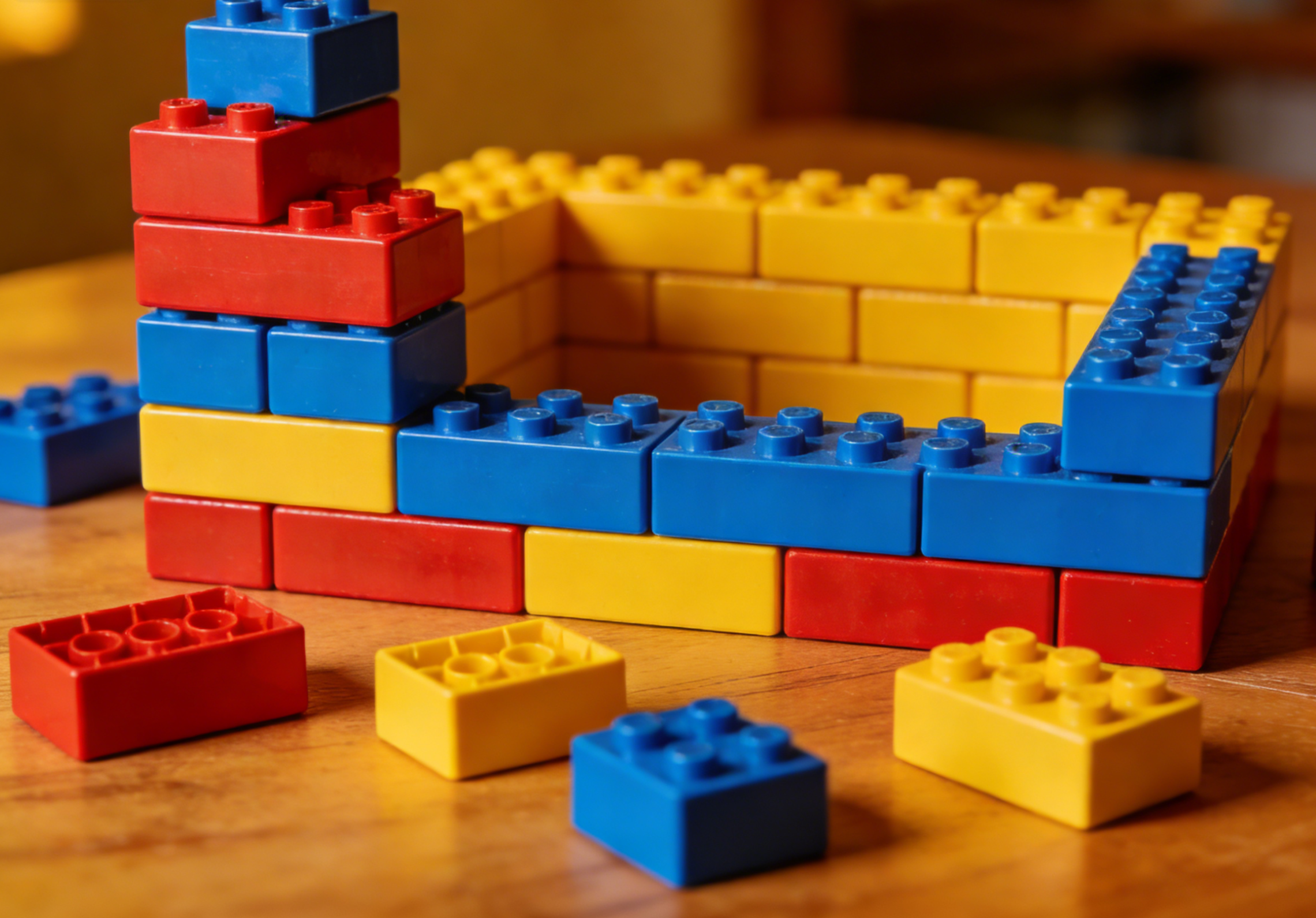
One of the most remarkable aspects of building blocks is their open-ended nature. Unlike toys with a single purpose, blocks allow children to create anything they can imagine. From towering castles and speedy race cars to fantastical creatures and abstract sculptures, the possibilities are limitless. This freedom to create nurtures imagination and encourages innovative thinking.
Developing Problem-Solving and Spatial Reasoning
Building a stable structure requires careful planning and problem-solving. Children learn about balance, symmetry, and how different shapes fit together. They experiment with trial and error, understanding why certain configurations work and others don’t. This process builds crucial spatial reasoning skills, helping them visualize objects in three dimensions and understand relationships between parts.
Introducing Basic Engineering Concepts
Without even realizing it, young builders are introduced to fundamental principles of engineering. They learn about structural integrity, weight distribution, and leverage. These early experiences lay a foundational understanding that can spark an interest in STEM fields later in life.
What to Look for in Top-Rated Building Block Sets for Beginners
When selecting a starter kit, several factors come into play to ensure it’s both engaging and appropriate for a beginner. The best sets combine safety, durability, and a potential for growth.
Age Appropriateness and Piece Size
For the youngest builders (18 months to 3 years), large, chunky blocks are ideal. They are easier to grasp, minimize choking hazards, and allow for simple stacking and basic construction. As children grow (4+ years), smaller, more intricate blocks become suitable, offering greater detail and complex building possibilities. Always check the manufacturer’s recommended age range.
Material Quality and Durability
Beginner blocks should be robust enough to withstand enthusiastic play. Look for high-quality, non-toxic plastics or sustainably sourced wood. Durable materials ensure the blocks last for years and can be passed down or reused.
Ease of Connection and Disconnection
For beginners, pieces that are easy to connect and disconnect without excessive force are paramount. Frustration can quickly dampen enthusiasm. The connection mechanism should be intuitive, allowing young hands to assemble and disassemble creations independently.
Variety of Shapes and Colors
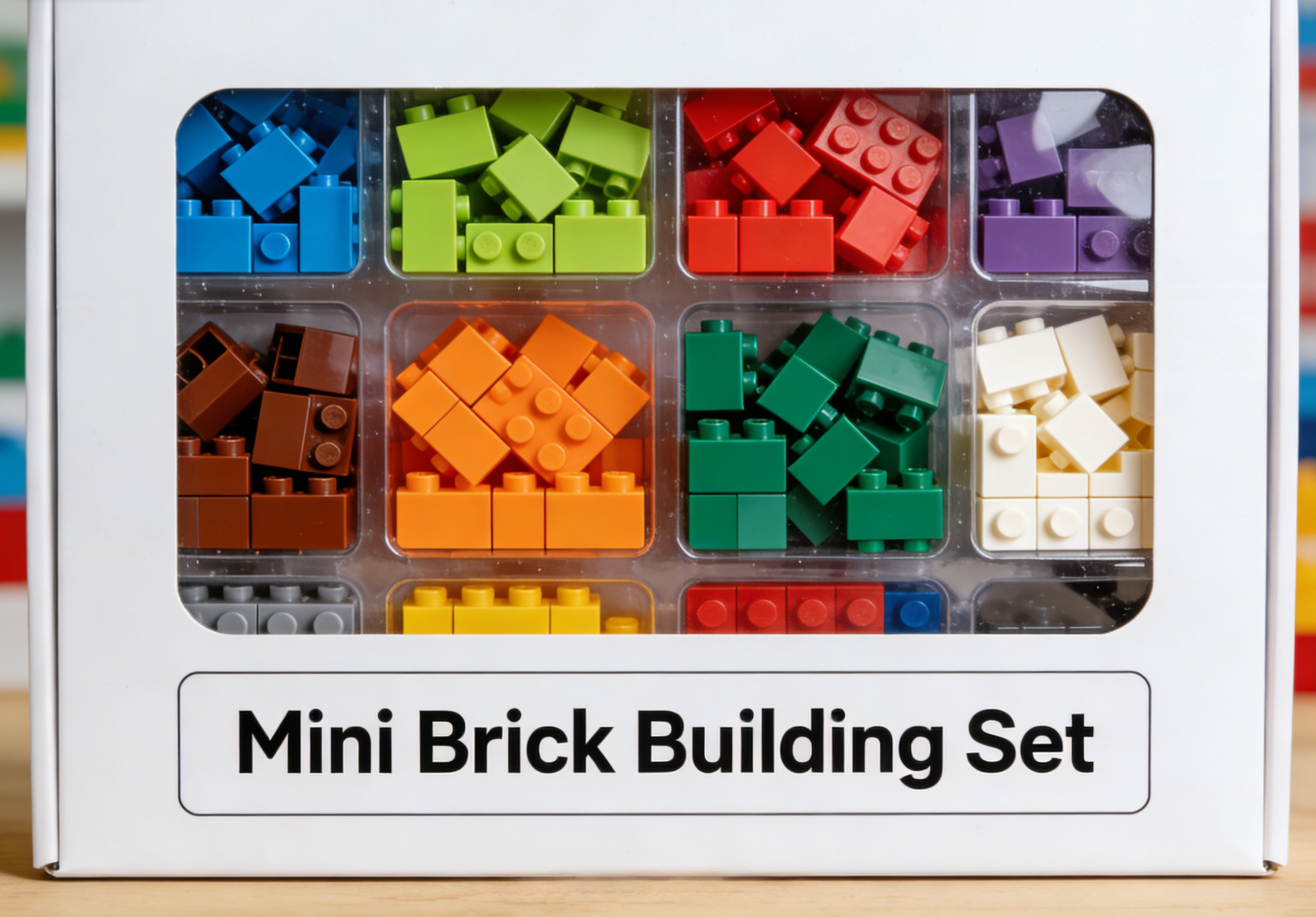
A diverse range of shapes (squares, rectangles, triangles, cylinders, etc.) expands building possibilities and encourages imaginative design. Vibrant, non-toxic colors are also important, as they stimulate visual development and make play more engaging.
Open-Ended Play vs. Guided Builds
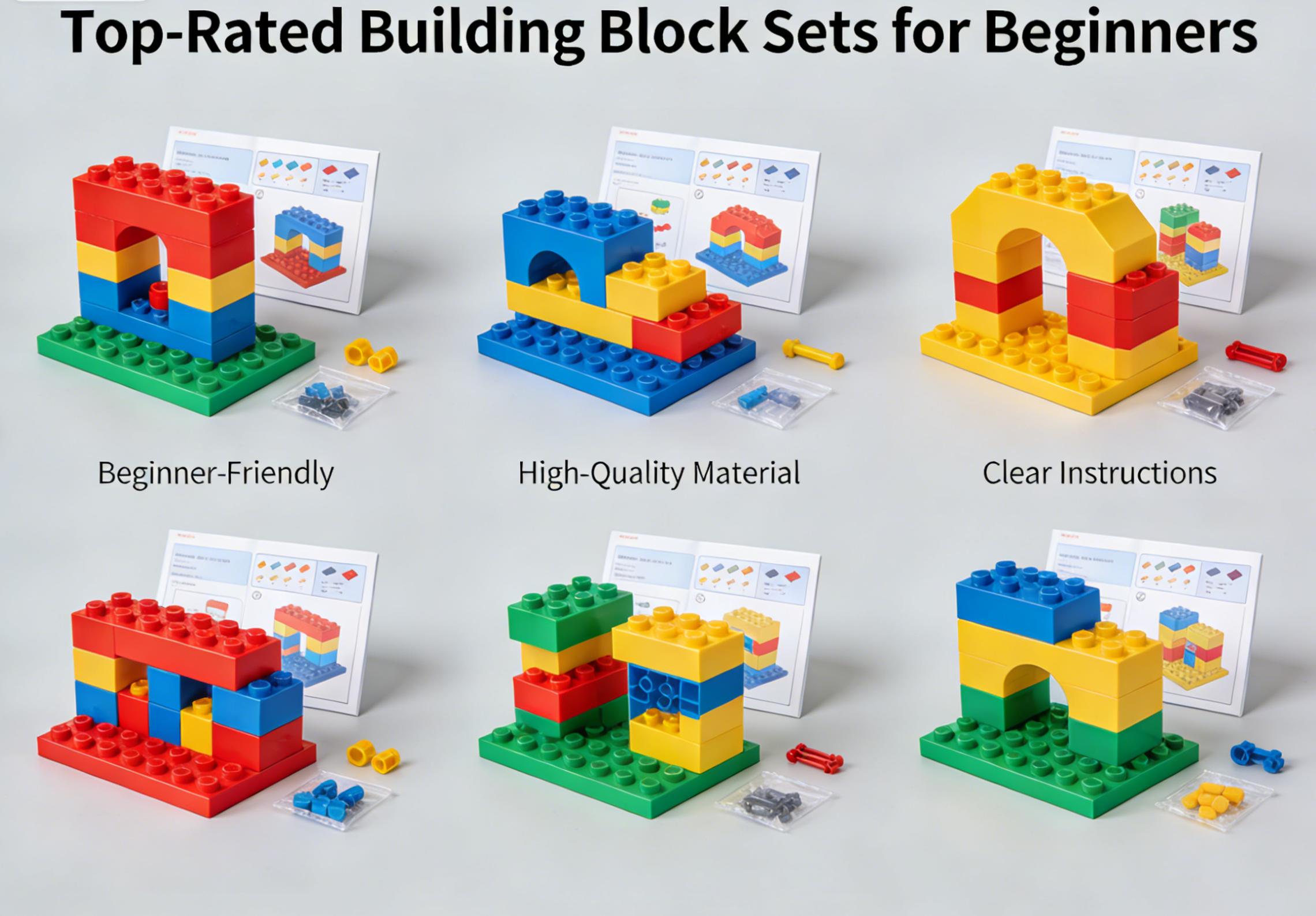
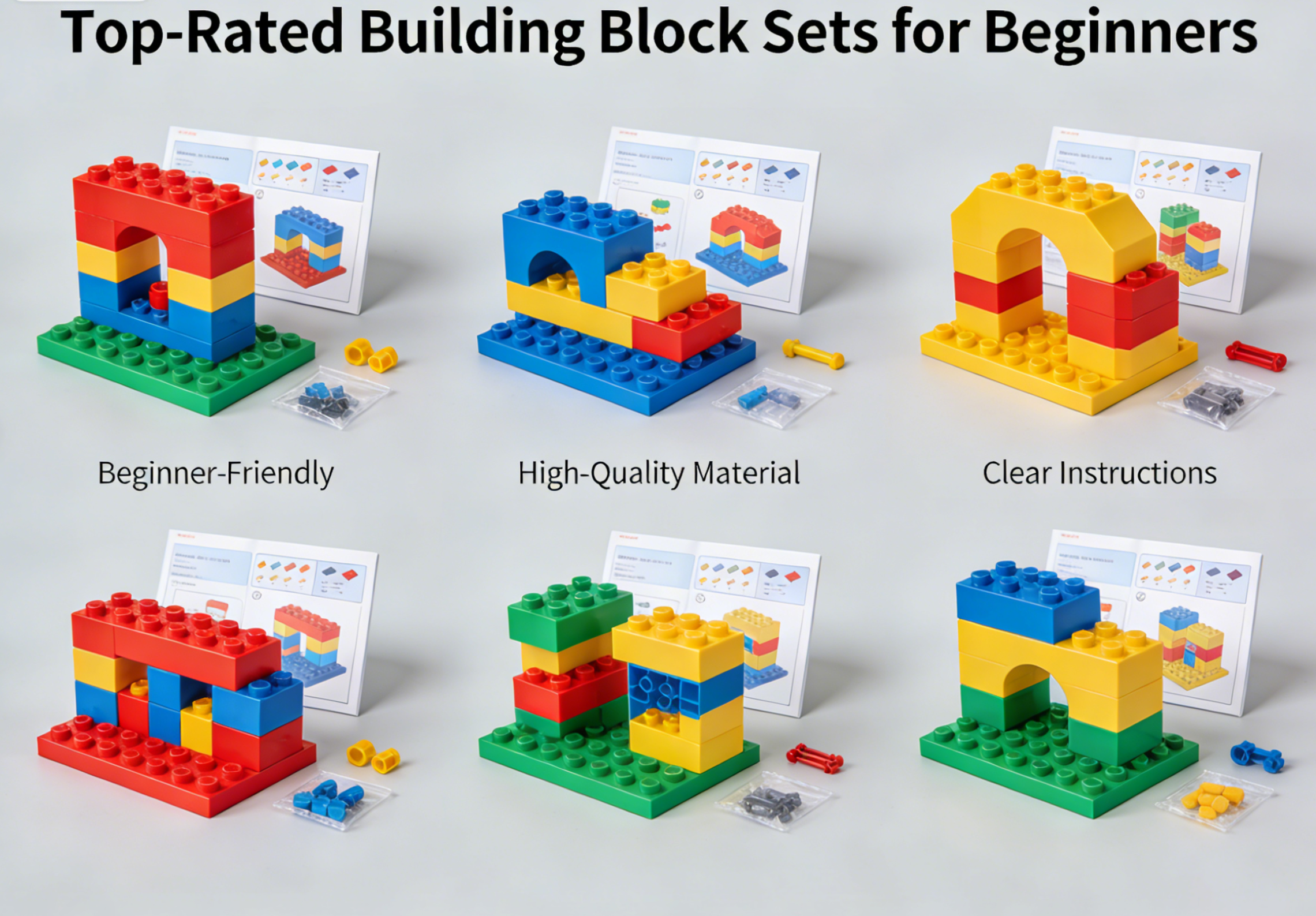
Many sets offer a balance. Open-ended sets come with a large assortment of basic blocks, encouraging freeform creation. Guided sets often include instructions for specific models (e.g., a car or a house). For beginners, a mix is often ideal – starting with guided builds can help build confidence, while ample generic blocks allow for creative experimentation.
Compatibility with Other Sets
Consider if the blocks are compatible with other popular brands or series. This allows for future expansion and ensures that new sets integrate seamlessly into an existing collection, giving builders more options as they advance.
Our Picks: Top-Rated Building Block Sets for Beginners
After careful consideration of the criteria above, here are some of the best choices available through modelbuilderus that are highly recommended for beginners in both the US and European markets.
1. LEGO DUPLO Classic Brick Box
- Why it’s great for beginners: LEGO DUPLO is the undisputed king for toddlers and preschoolers. Its large, chunky blocks are perfectly sized for small hands, preventing choking hazards and making them incredibly easy to connect and pull apart. The classic brick box offers a fantastic assortment of basic bricks in vibrant colors, encouraging open-ended construction.
- Key Features: Large, safe pieces; durable, high-quality plastic; compatible with all other DUPLO sets; excellent for developing fine motor skills and creative play.
- Ideal Age: 1.5 to 5 years.
- Where to find: Widely available, including on modelbuilderus, often in various set sizes.
2. Mega Bloks Big Building Bag
- Why it’s great for beginners: Similar to DUPLO in its larger size, Mega Bloks offers excellent value and a slightly different connection design that some find even easier for very young children. The “Big Building Bag” provides a large quantity of blocks, allowing for extensive constructions without running out of pieces quickly.
- Key Features: Oversized blocks ideal for toddlers; sturdy construction; comes in a reusable storage bag; fosters imaginative play and stacking skills.
- Ideal Age: 1 to 5 years.
- Consideration: While typically not compatible with LEGO or DUPLO, Mega Bloks has its own ecosystem of larger blocks.
3. LEGO Classic Creative Bricks
- Why it’s great for beginners (4+ years): Once a child has mastered DUPLO or similar large blocks, or for older beginners, LEGO Classic sets are the natural progression. The Creative Bricks box provides a wide array of standard LEGO bricks in many colors and shapes, along with some specialized pieces like eyes, wheels, and windows. It comes with simple inspiration ideas but primarily encourages free building.
- Key Features: Standard LEGO system bricks; huge variety of colors and pieces; includes specialty elements for more complex builds; excellent for developing creativity and understanding spatial relations.
- Ideal Age: 4 years and up.
- Where to find: A perennial best-seller, available globally, including many top-rated building block sets for beginners options at modelbuilderus.
4. Magna-Tiles or PicassoTiles (Magnetic Building Tiles)
- Why it’s great for beginners: While not traditional interlocking blocks, magnetic tiles are phenomenal for introducing young children to construction and geometric concepts. Their ease of connection (magnets simply snap together) makes them incredibly satisfying and less frustrating for beginners. Children can build 2D patterns on a flat surface or construct impressive 3D structures.
- Key Features: Strong, built-in magnets for easy connection; transparent, colorful plastic for light play; excellent for understanding geometry, magnetism, and creative design.
- Ideal Age: 3 years and up.
- Consideration: Different brands often have similar compatibility, making it easy to expand your collection.
5. Wooden Building Blocks (e.g., Melissa & Doug)
- Why it’s great for beginners: For a more traditional, tactile experience, a set of classic wooden building blocks is an excellent choice. These typically don’t interlock but rely on gravity and balance, which introduces a different set of engineering challenges. They are incredibly durable, often made from sustainable wood, and have a timeless appeal.
- Key Features: Natural, durable materials; open-ended play; develops balance, stability, and spatial awareness; safe and free from small parts.
- Ideal Age: 18 months to 6 years.
- Consideration: Lack interlocking mechanisms, so builds are less permanent but offer a different kind of creative challenge.
Maximizing the Play Experience for Beginner Builders
Simply providing a set of blocks is a great start, but there are ways to enhance the experience and encourage deeper engagement for new builders.
Start Simple, Then Expand
Don’t overwhelm a beginner with too many pieces or overly complex instructions. Begin with a smaller, more manageable set, allowing them to master the basics. Once they’re comfortable, you can gradually introduce more pieces or more challenging sets, perhaps from our range of top-rated building block sets for beginners.
Encourage Open-Ended Play
While following instructions can be satisfying, actively encourage free building. Ask questions like, “What else could this be?” or “What kind of world are you creating?” This fosters imagination and prevents children from feeling limited by predefined models.
Play Together
Join in the fun! Building alongside a child can provide inspiration, demonstrate new techniques, and create a bonding experience. It also shows them that blocks are not just “kid toys.”
Provide Inspiration, Not Dictation
Show pictures of different creations or suggest themes (e.g., “Let’s build a zoo today!”). This can spark ideas without dictating exactly what to build, maintaining their creative ownership.
Organize and Store Blocks Effectively
A well-organized play area makes it easier and more appealing to start new projects. Use bins, bags, or drawer systems to keep blocks sorted by color, size, or type. This also teaches valuable organizational skills.
Beyond the Basics: Growing with Building Blocks
Once a beginner has mastered the initial steps, the world of building blocks truly opens up. Many of the top-rated building block sets for beginners serve as excellent foundations for more advanced construction.
Integrating Themed Sets
After a child is comfortable with basic blocks, introducing themed sets (e.g., LEGO City, Creator, Friends, Star Wars, or similar from other brands) can add a new layer of storytelling and imaginative play. These sets often come with more specialized pieces, minifigures, and detailed instructions for specific models, providing a different kind of building challenge.
Exploring Advanced Techniques
Encourage experimentation with different building techniques, such as SNOT (Studs Not On Top), creating curves, or building minifigure-scale structures. Online communities and fan sites are excellent resources for discovering innovative building ideas.
Customization and MOCs (My Own Creations)
The ultimate expression of creativity in building blocks is designing and constructing MOCs. This involves taking a collection of blocks and creating something entirely new from one’s own imagination, often without instructions. Beginner sets provide the fundamental pieces to begin this journey.
Embracing Digital Building
For older children and adults, digital building software (like LEGO Digital Designer or Stud.io) allows for the creation of virtual models, planning complex builds, and even generating instructions or piece lists. It’s a fantastic way to extend the hobby into the digital realm.
Conclusion
Choosing the right building block set for a beginner is more than just picking a toy; it’s an investment in development, creativity, and endless hours of engaging play. By focusing on age-appropriate pieces, quality materials, and sets that encourage both structured learning and open-ended exploration, you can lay a strong foundation for any aspiring builder.
From the robust simplicity of LEGO DUPLO to the geometric wonders of Magna-Tiles, the options listed here represent some of the top-rated building block sets for beginners available today. Remember, the goal is to spark joy and foster a love for creation. Visit modelbuilderus to explore these and many other fantastic building block options, and watch as new builders construct their dreams, one block at a time.
Frequently Asked Questions (FAQ)
What age is best to start with building blocks?
Most children can start with large, easy-to-handle building blocks as early as 18 months to 2 years old, focusing on stacking and basic construction. Smaller, more intricate sets are generally suitable for ages 4-5 and up, depending on the child’s developmental stage and fine motor skills.
How do building blocks benefit a child’s development?
Building blocks offer numerous developmental benefits, including enhancing fine motor skills, hand-eye coordination, spatial reasoning, problem-solving abilities, creativity, and imaginative play. They also introduce basic concepts of engineering and physics in a fun and engaging way.
What should I look for in a good beginner building block set?
When choosing a beginner set, look for appropriate piece size for safety and ease of handling, durable and non-toxic materials, clear and engaging instructions (if applicable), and pieces that encourage open-ended play. Consider sets that are compatible with other brands if you plan to expand your collection.
Are branded building blocks always better than generic ones?
Not necessarily. While branded blocks like LEGO are renowned for quality and compatibility, many generic or alternative brands offer excellent quality and value, often with unique themes or specialized pieces. The best choice depends on your budget, desired features, and the specific play experience you’re looking for.
Can adults enjoy building block sets designed for beginners?
Absolutely! Many adults find relaxation and satisfaction in building block sets, even those marketed for beginners. They can be a great way to unwind, tap into creativity, or even customize and expand upon basic designs. The joy of construction knows no age limit.