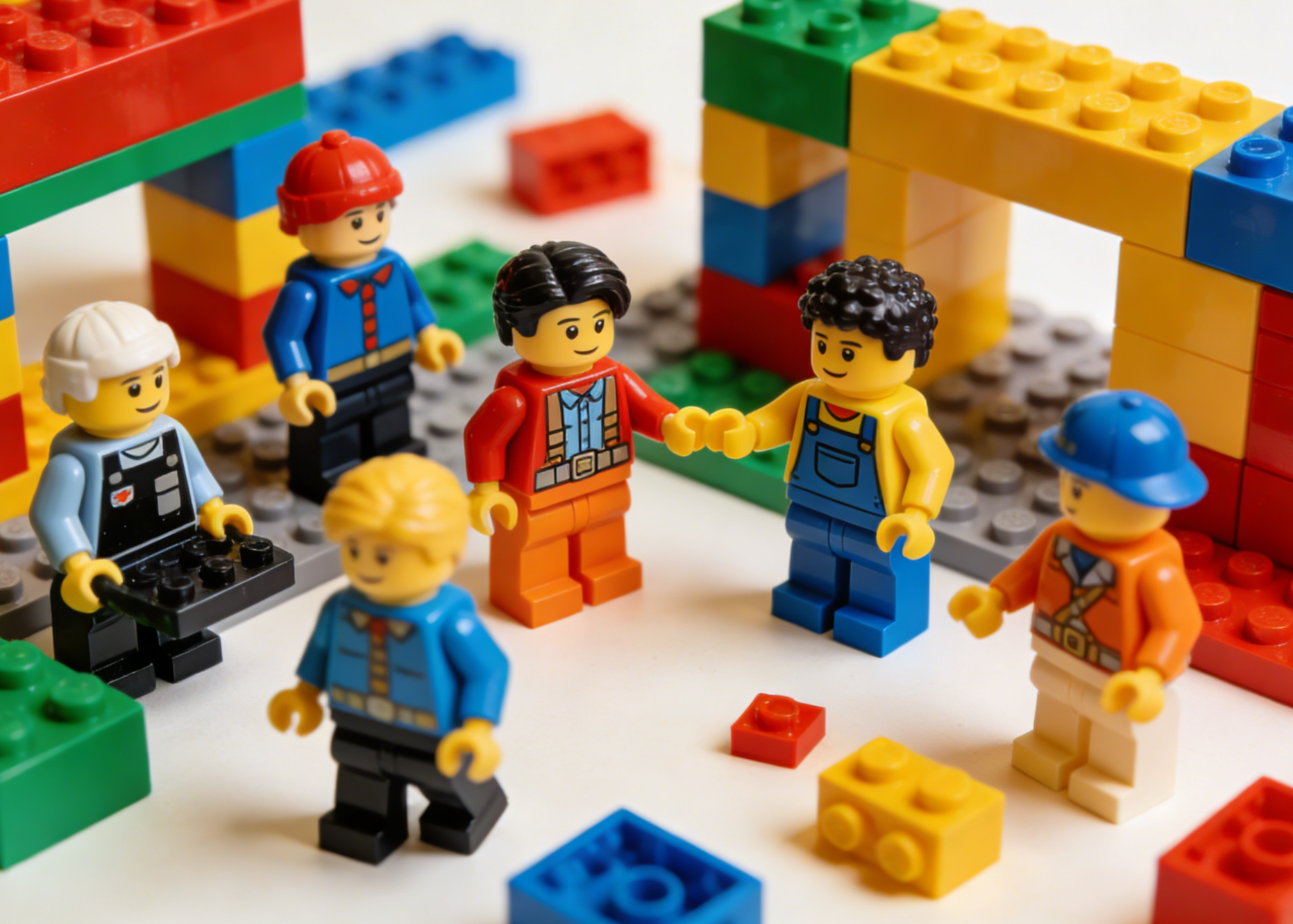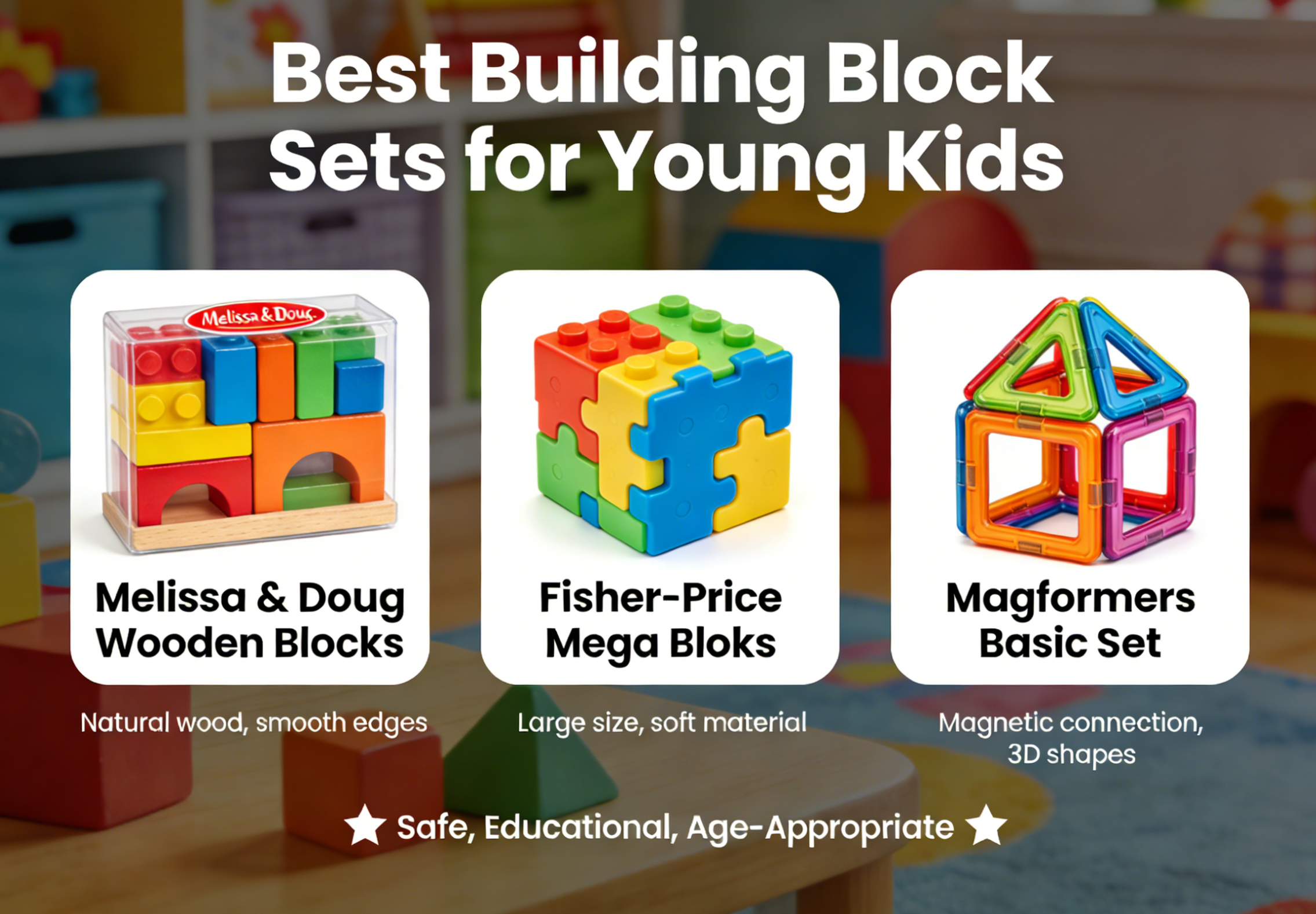

TL;DR: The best creative building sets for children combine open-ended parts, age-appropriate complexity, and safety-tested materials. Look for sets with reusable bricks, multiple build options, and clear instructions. ModelBuilder’s creative building sets for kids are designed with these standards in mind, offering durable materials and flexible builds for ages 5 and up.
Choosing a building set sounds simple until you’re standing in front of dozens of boxes, each one promising to be the “most creative” option on the shelf. Some sets lock kids into a single build. Others fall apart after a week. A few are genuinely worth the money, but figuring out which ones takes more than reading a box label.
This guide breaks down what actually makes a building set creative, how to match sets to your child’s age and skill level, and what to look for in materials, safety, and design. We’ll also walk through a step-by-step method for choosing well, and explain why ModelBuilder has become a name parents recognize when searching for top-selling building sets for creative kids.
What Makes a Building Set Truly Creative?
Not every building set encourages creativity, even if the packaging says otherwise. A set that only builds one predetermined model, with no reasonable way to build anything else, is a puzzle. It’s not a creative toy.
Real creative building sets share a few traits:
- Open-ended design. Pieces can be reused to build more than one thing.
- Multiple build options. Instructions for 2-3 models minimum, not just one.
- Compatible components. Bricks that connect with other sets in the same product line, so a child’s collection grows over time.
- Freeform potential. Enough basic bricks included that a child can build something the instructions never mention.
Creative building sets for kids should function less like a one-time puzzle and more like an ongoing supply of building material. A child who finishes the “official” build and then starts inventing their own should be the goal, not the exception.
How to Match a Set to Your Child’s Age and Skill Level
Age recommendations on the box are a starting point, not a rule. Skill level matters more than age alone.
Ages 4-6: Larger pieces, simpler connections, fewer total parts. Look for sets under 100 pieces with big, easy-to-grip bricks. Fine motor skills are still developing at this stage, so oversized pieces reduce frustration.
Ages 7-9: Kids in this range can handle smaller pieces, longer instructions, and sets with 100-300 parts. This is often when interest in themed sets (vehicles, buildings, creatures) starts to grow, alongside a desire to customize past what the instructions show.
Ages 10+: More advanced builders can manage detailed sets with 300+ pieces, multi-step assembly, and mechanical elements like gears or hinges. Kids at this level often prefer sets that leave room for their own modifications rather than a single fixed outcome.
If a child seems bored halfway through a build, the set was likely too simple. If they get stuck and give up, it was likely too advanced. Matching skill level correctly is one of the biggest factors in whether a set actually gets used after the first week.
Key Features to Look for in Top-Selling Building Sets for Creative Kids
When comparing options, a handful of features consistently separate the sets worth buying from the sets that end up in a donation bin.
Piece Variety and Compatibility
A set with more piece shapes and connector types gives kids more ways to build. Sets that only work within their own closed system limit long-term play value. Look for bricks that connect with other building sets your child already owns.
Instruction Quality
Clear, step-by-step instructions matter, especially for younger builders. Some of the top-selling building sets for creative kids include visual guides that don’t rely on text at all, which helps kids build independently before they can read fluently.
Durability
Bricks that snap firmly together and hold their shape after repeated use will survive years of play. Cheap plastic that cracks or loosens after a few builds isn’t worth the initial savings.
Storage and Organization
Sets that come with sorting trays or storage bags help kids keep pieces organized between builds, which matters more than it sounds. Lost pieces are the number one reason a set becomes unusable.
Theme Flexibility
Themed sets (space, castles, vehicles) can spark interest, but the best ones don’t lock a child into the theme. A castle set with reusable wall pieces and connectors can become a spaceship the next day if the parts are versatile enough.
How to Evaluate Brand Quality and Safety
Before adding anything to a cart, check these four things:
- Material safety certifications. Look for ABS plastic that meets safety standards for the child’s age range. This matters more with sets marketed to children under 6.
- Choking hazard warnings. Small parts warnings should be accurate to the actual piece sizes included, not a blanket disclaimer.
- Manufacturer transparency. Brands that clearly explain their design and production process tend to be more accountable for quality issues than brands that don’t.
- Return and replacement policies. A brand willing to replace missing or broken pieces is signaling confidence in its own manufacturing.
ModelBuilder, for example, documents its process from design concept through material selection, prototyping, and final production, which gives parents a clearer picture of what they’re buying before the box arrives.
Step-by-Step Guide to Choosing the Best Creative Building Sets for Children
Here’s a practical process for narrowing down options without getting overwhelmed:
Step 1: Set a piece-count range based on age and skill. Use the age brackets above as a starting point, then adjust based on your child’s actual attention span and dexterity.
Step 2: Check for multiple build options. A set with three or more suggested builds offers more replay value than one with a single fixed design.
Step 3: Confirm compatibility with existing bricks. If your child already owns building blocks, check whether the new set’s pieces connect with what they have.
Step 4: Read the material and safety details. Confirm the plastic type, choking hazard labeling, and age certification match your child’s age.
Step 5: Look for a brand with a visible quality process. Brands that explain how their sets are designed and tested tend to hold up better over time.
Step 6: Compare price against piece count and durability, not just the sticker price. A cheaper set with brittle pieces often costs more in the long run once it needs replacing.
Following this process consistently narrows down even the largest building set aisle into a short, manageable list of genuinely good options.
Why ModelBuilder Stands Out as a Creative Building Brand
ModelBuilder builds alternative brick sets designed around open-ended, reusable pieces rather than single-use puzzles. Sets are developed through a four-step process: design concept, material selection, prototype development, and final production, with each stage reviewed for functionality and safety before a set reaches the shelf.
The brand offers themed collections alongside custom brick sets, giving families the option to buy a specific theme or build a more personalized collection over time. ModelBuilder also runs educational workshops focused on creativity and problem-solving, which extends the value of a building set beyond the box itself.
Families searching for best creative building sets children often want a brand that treats compatibility and durability as standard, not an upsell. ModelBuilder’s building sets are designed with that expectation in mind, using eco-friendly materials selected specifically for durability and safety across age groups.
For parents comparing options across multiple brands, ModelBuilder’s full range of services outlines the themed collections, custom sets, and workshops available, making it easier to see how the pieces fit together before buying.
Tips for Getting the Most Out of Creative Building Sets
Buying the right set is half the equation. Getting long-term value out of it depends on how it’s used at home.
- Store pieces by type, not by set. Mixing compatible bricks from different sets into shared bins encourages kids to combine them into new builds instead of keeping sets isolated.
- Set aside unstructured build time. Not every session needs to follow the instructions. Give kids time to build without a template at least occasionally.
- Rotate sets instead of leaving everything out. Putting some sets away and rotating them back in every few weeks keeps interest fresh.
- Build alongside younger kids. Parents modeling the building process helps kids under 6 develop the patience and fine motor skills needed for more complex sets later.
- Photograph finished builds. Kids are often more motivated to build when their creations get recognized, even informally, with a photo on the fridge or shared with family.
These habits turn a single building set into a longer-term creative outlet rather than a toy that gets used once and forgotten.
Building Creativity One Brick at a Time
Finding the right building set comes down to matching piece variety, age-appropriate complexity, and material quality to your child’s actual interests and skill level. A set that checks all three boxes will get used far longer than one chosen on price or packaging alone.
Parents comparing top-selling building sets for creative kids should prioritize compatibility, durability, and multiple build options over flashy themes alone. Brands that document their design and safety process, like ModelBuilder, tend to deliver better long-term value for families investing in a child’s building collection.
Frequently Asked Questions
What age should a child be to start with building sets?
Most children can start with large-piece building sets around age 4. Sets with smaller, more detailed pieces are generally better suited to children ages 7 and up, based on typical fine motor skill development.
Are building blocks better than screen-based creative apps for kids?
Building blocks offer hands-on, tactile creativity and don’t come with screen time limits parents often try to manage. Both can support creative thinking, but physical building sets also help develop fine motor skills and spatial reasoning in ways screen apps can’t replicate.
Do LEGO-compatible bricks work with all building set brands?
Compatibility varies by brand. Some alternative brick manufacturers, including ModelBuilder, design their pieces to connect with standard brick dimensions, but it’s worth checking product details before assuming full compatibility.
How many pieces should a first building set have?
For children under 6, sets with 50-100 pieces are usually a good starting point. Older, more experienced builders can handle sets with 300 or more pieces without becoming overwhelmed.
What should I do if a building set is missing pieces?
Check the brand’s replacement policy before purchasing. Reputable brands typically replace missing or broken pieces at no cost, which is worth confirming for any set you’re considering.