
TL;DR: Choosing the right hands on building toys starts with matching the set to a child’s age, skill level, and interests. Use open-ended free play first, then introduce guided builds to add complexity. Mix solo and group building, rotate sets regularly, and pair construction time with reading, math, or storytelling goals. ModelBuilder’s hands on construction toys are designed for exactly this progression — durable, detailed, and built to grow with your child.
Building with your hands teaches more than most parents realize. A child stacking blocks is testing balance. A pre-teen following a 500-piece instruction booklet is practicing sequencing and patience. A teenager designing their own structure from loose parts is problem-solving in real time. None of this requires a screen.
That’s the appeal behind hands on building toys: they turn idle time into skill-building time, without a single battery or app involved. For parents across North America and Europe looking for a LEGO alternative that doesn’t compromise on quality, and for educators building STEM-friendly classrooms, the challenge isn’t finding building sets — it’s choosing the right ones and using them well.
This guide walks through exactly that. We’ll cover what makes a building toy genuinely developmental (versus just entertaining), how to pick sets that match your child’s age and interests, and a step-by-step approach to using them effectively at home or in the classroom. We’ll also look at why ModelBuilder has become a trusted LEGO alternative for families who want brick compatibility, durability, and design variety in one place.
What Are Hands On Building Toys and Why They Matter
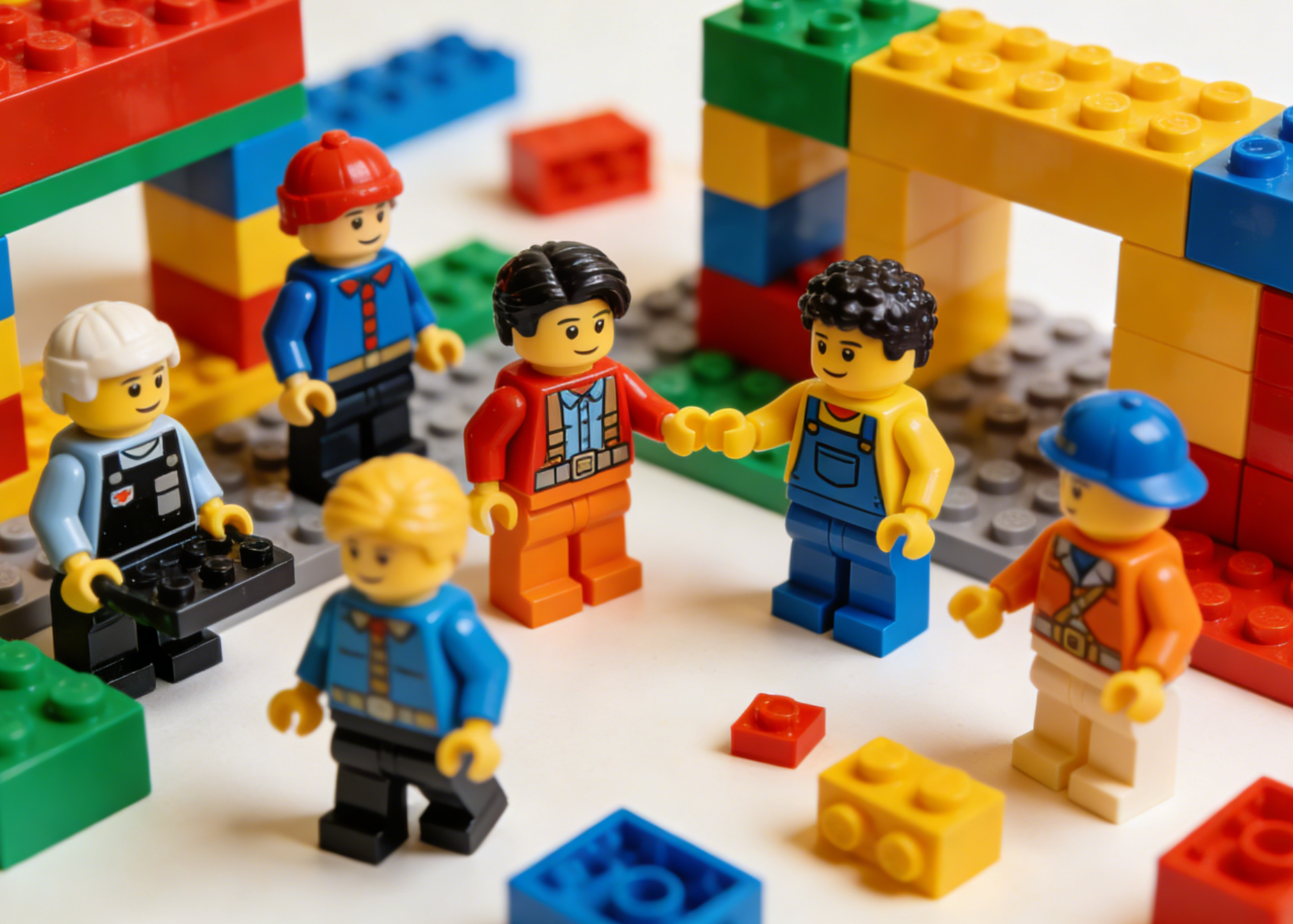
Hands on building toys are physical construction sets — bricks, panels, gears, rods, or modular pieces — that require a child to assemble, test, and often rebuild a structure using their own hands rather than a screen or remote control. This category includes everything from basic stacking blocks for toddlers to multi-thousand-piece architectural sets for teenagers and adults.
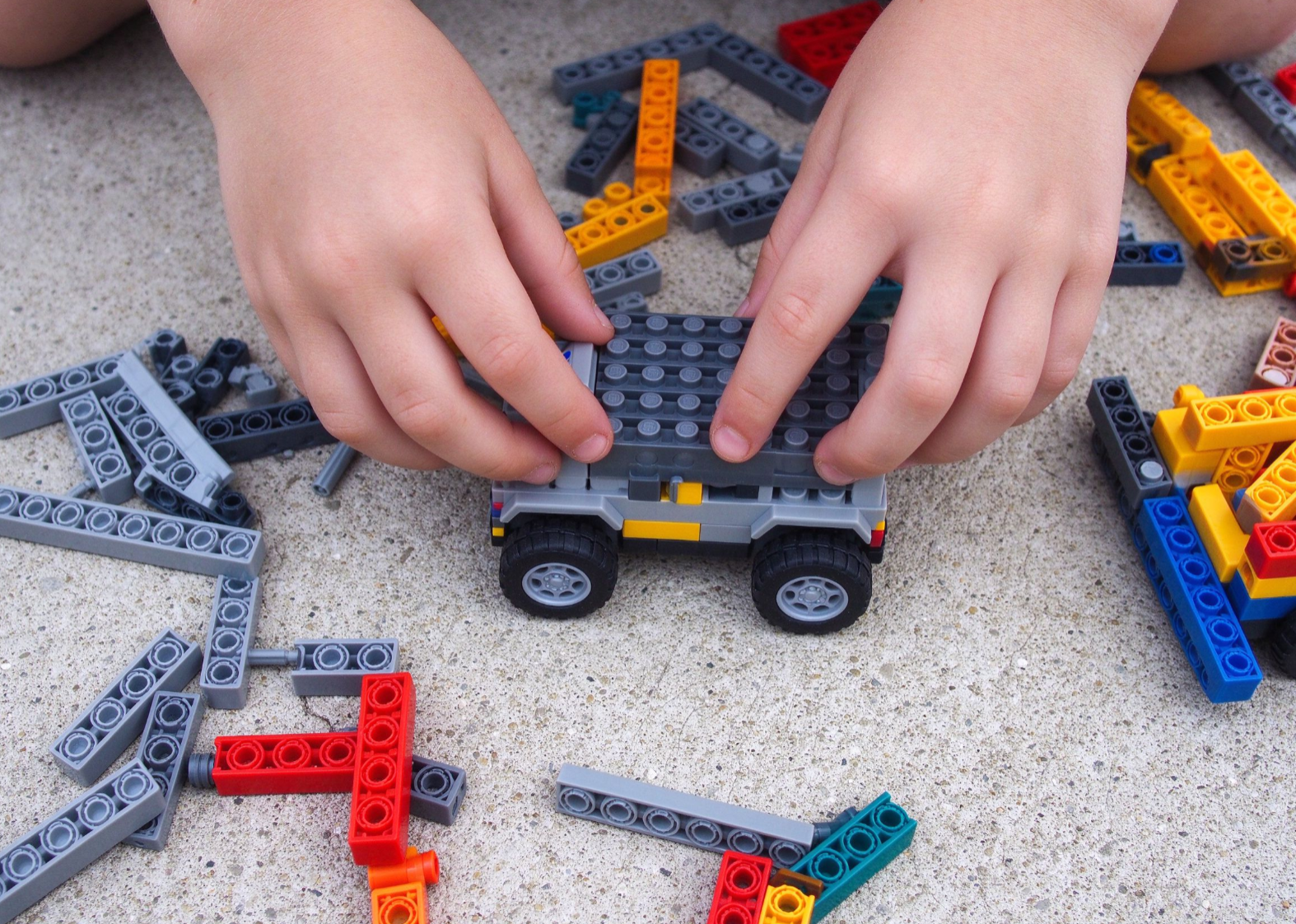
What separates these toys from passive entertainment is the feedback loop they create. A child places a piece, sees whether it holds, and adjusts. That loop repeats dozens or hundreds of times in a single building session, and each repetition reinforces spatial reasoning, fine motor control, and cause-and-effect thinking.
Research on constructive play consistently links block-based building to stronger spatial skills, which later support math and engineering comprehension. Early childhood specialists also point to building play as one of the more reliable ways to build sustained attention in young children, since the activity naturally rewards focus with visible progress.
For families, the appeal often starts with screen time. Swapping even 30 minutes of tablet use for a building session gives children a tactile outlet that still feels rewarding — pieces click together, structures rise, and the result is something they built. For educators, hands on construction toys offer a low-cost way to bring STEM concepts into the classroom without specialized lab equipment. A gear set or a bridge-building kit can teach load distribution and mechanical advantage just as effectively as a textbook diagram, and far more memorably.
How to Choose the Right Hands On Construction Toys
Not every building set suits every child, and picking the wrong one is the fastest way to end up with an untouched box in a closet. Use these four factors to narrow your choice.
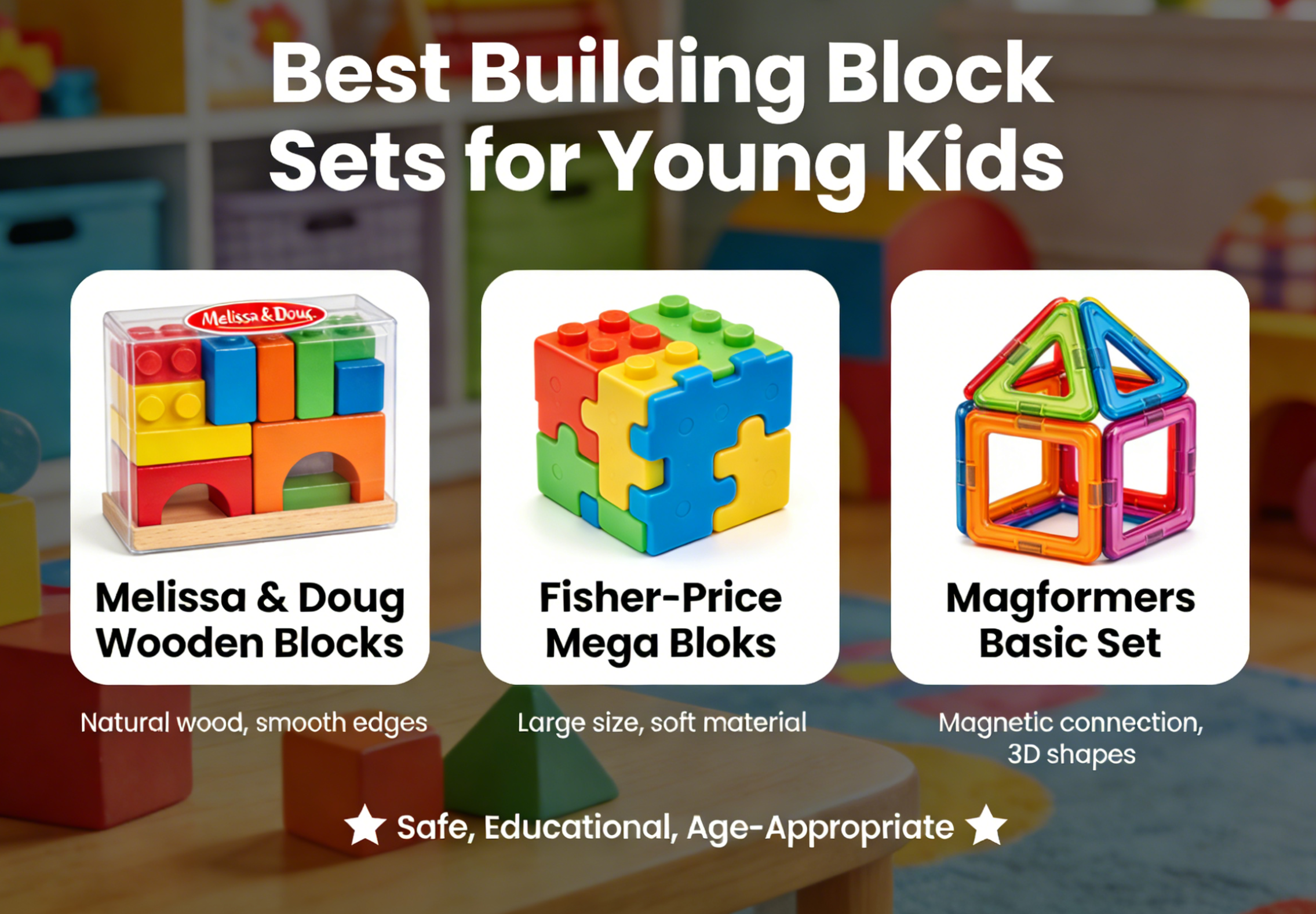
Age and piece size. Children under three need large, chunky pieces that are impossible to swallow and easy to grip. From ages 4 to 7, mid-sized interlocking bricks work well because they’re forgiving of imprecise motor control while still allowing for creative combinations. From age 8 up, smaller, more detailed pieces support the finer builds and instruction-following that older kids crave.
Skill progression, not just age labels. Age ranges printed on boxes are a starting point, not a rule. A seven-year-old with prior building experience may be ready for a set labeled “10+.” Watch how your child handles their current sets — if they’re finishing builds in minutes and immediately asking for a harder challenge, size up.
Open-ended versus guided sets. Guided sets come with instructions and a defined final model; they’re excellent for teaching sequencing and patience. Open-ended sets — loose bricks and parts without a single intended build — are better for creativity and problem-solving. A strong collection includes both, and ModelBuilder’s catalog is structured around that same split, offering guided architectural and vehicle sets alongside freeform brick packs so families aren’t stuck picking one style over the other.
Compatibility and durability. If your child already owns a collection of bricks, compatibility matters. Mixing brands without matching tolerances leads to loose, frustrating builds. Durability matters just as much — sets that chip, crack, or lose their clutch power after a few rebuilds don’t hold up to years of use. You can browse ModelBuilder’s full range of brick-compatible building sets to see how piece quality and interlocking strength are tested before release.
Step-by-Step: How to Use Hands On Building Toys Effectively
Buying the right set is only half the equation. How you introduce and structure building time determines whether it becomes a regular habit or a one-time novelty.
Step 1: Match the Set to the Child’s Age and Ability
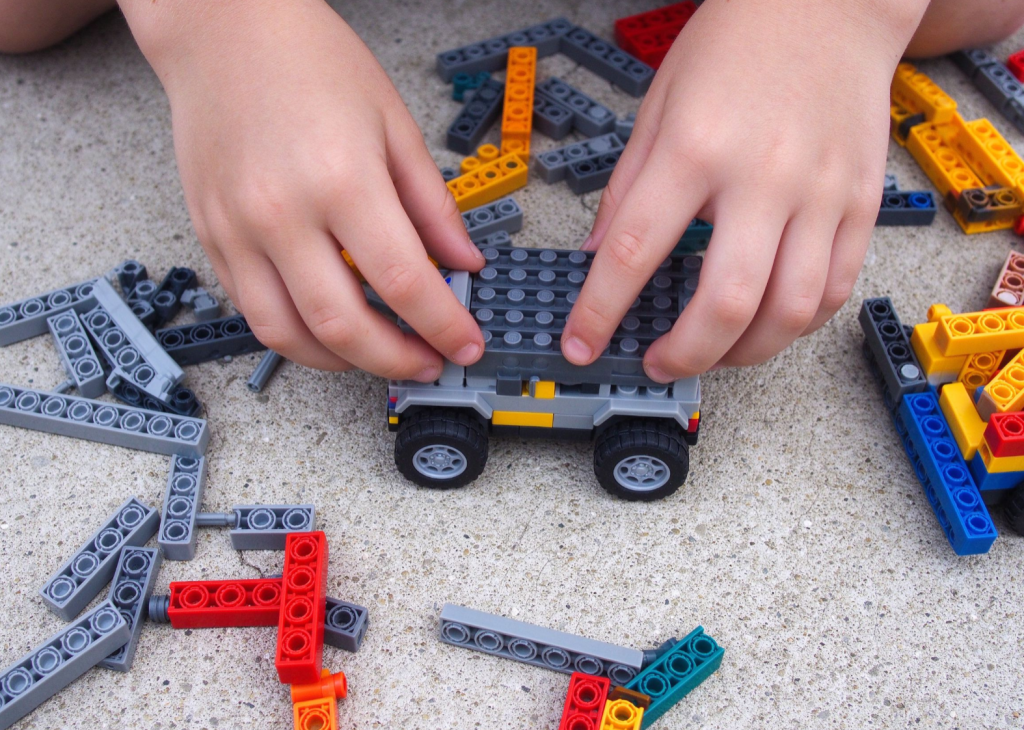
Start every new building toy with an honest assessment of where your child currently stands, not where you’d like them to be. If a set feels too advanced within the first ten minutes — pieces won’t hold, instructions are confusing, frustration builds quickly — step back to something simpler. Confidence built on early wins carries into harder builds later.
Step 2: Encourage Free, Unstructured Building
Before handing over an instruction booklet, give your child time with loose pieces and no defined goal. Unstructured building is where real problem-solving happens: children test what holds together, what falls apart, and what shapes are even possible. This stage also reveals a child’s natural interests — vehicles, animals, buildings — which helps you choose future sets more precisely.
Step 3: Introduce Guided Builds to Layer Complexity
Once a child is comfortable manipulating pieces, guided builds add a new skill: following sequential instructions to reach a specific outcome. This mirrors the kind of procedural thinking used in coding, cooking, and engineering. Sit with younger children through their first few guided builds, then gradually step back as their instruction-reading confidence grows.
Step 4: Build Consistency into Your Routine
A building set used once a month won’t deliver the same developmental benefit as one used weekly. Set a recurring time — after school, weekend mornings, or a rainy-day default — so building becomes a habit rather than an occasional activity. Short, consistent sessions of 20 to 30 minutes tend to outperform rare, marathon building days.
Step 5: Combine Building with Other Learning Goals
Stretch the educational value of hands on building toys by tying them to other subjects. Ask a child to build a structure that matches a number of windows you specify, or to recreate a building from a storybook you just read. Educators can assign building challenges tied to a science unit — bridges for a physics lesson, model habitats for a biology unit — turning a toy into a cross-curricular tool. For ready-made guided themes that support this kind of layered learning, ModelBuilder’s themed building kits are grouped by subject area, from architecture to vehicles to fantasy worlds.
Tips for Parents and Educators
A few practical habits make a measurable difference in how much children get out of building play.
Rotate sets instead of buying constantly. Children often lose interest in a set not because they’ve outgrown it, but because it’s become too familiar. Store a portion of the collection away and rotate it back in after a few weeks — it will feel new again.
Resist finishing builds for them. It’s tempting to step in when a child struggles with a tricky section, but working through the difficulty is where the learning happens. Offer a hint rather than a solution.
Use building time as a bridge, not a babysitter. Sit nearby, ask questions about what they’re constructing, and treat the activity as a shared experience occasionally, even if they’re building independently most of the time.
For classrooms, pair building with discussion. After a guided or open-ended build, ask students to explain their design choices out loud. This reinforces vocabulary and reasoning skills alongside the physical construction itself.
Keep a mixed-age set on hand for group settings. Families with children spanning several ages, or classrooms with mixed skill levels, benefit from sets that include both large, simple pieces and smaller, detailed ones in the same box.
Why ModelBuilder Is a Smart LEGO Alternative
Families comparing building toy brands usually weigh three things: price, piece compatibility, and build quality. ModelBuilder is built around all three.
Piece compatibility. ModelBuilder’s bricks interlock with standard building brick systems, so existing collections keep growing instead of starting over.
Design range. From beginner-friendly stacking sets to detailed architectural and vehicle builds, ModelBuilder covers the full skill progression described above — open-ended packs for free play, guided kits for sequencing practice, and advanced builds for experienced young builders.
Durability tested for repeat use. Sets are built to withstand repeated assembly and disassembly, which matters for families who rebuild the same set dozens of times rather than displaying it once.
Value without the premium markup. As a LEGO alternative, ModelBuilder offers comparable build quality at a lower price point, making it realistic to build a varied collection rather than a single expensive set.
Educators and parents looking to compare specific sets against their child’s current skill level can explore the complete lineup directly on the ModelBuilder store.
Start Building Today
Hands on construction toys work best when they’re chosen deliberately and used with a little structure. Match the set to the child, let them explore freely before following instructions, and build consistency into the routine so the benefits compound over weeks and months rather than a single afternoon.
Whether you’re a parent trying to cut down screen time or an educator looking for a hands-on STEM tool that doesn’t need a power outlet, the right building set pays off in attention span, problem-solving, and creativity gains that are hard to replicate any other way. Start with one well-matched set, build the habit, and expand the collection from there.
FAQ
What age should a child start with hands on building toys?
Most children can start with large, chunky building blocks around age 2 to 3. Interlocking brick sets with smaller pieces are generally appropriate from age 4 onward, once a child has outgrown choking-hazard concerns and developed enough fine motor control to grip and connect smaller parts.
Are hands on building toys actually better than digital learning apps?
They serve different purposes rather than competing directly. Building toys develop spatial reasoning, fine motor skills, and tactile problem-solving that digital apps can’t replicate, while apps may be stronger for certain literacy or math drills. Most child development specialists recommend a mix, with physical building toys prioritized for younger children.
How many building sets does a child actually need?
Quality and variety matter more than quantity. A well-rounded collection includes one or two open-ended brick packs, a couple of guided builds matched to current skill level, and perhaps one more advanced “stretch” set. Rotating a smaller collection often sustains interest better than owning dozens of sets at once.
Is ModelBuilder compatible with existing brick collections?
Yes. ModelBuilder’s bricks are designed to interlock with standard building brick systems, so families with existing collections can expand them without replacing anything.
How do educators use building toys in a classroom setting without much prep time?
Simple themed challenges work well — ask students to build a structure matching a set of criteria (height, number of openings, specific shapes) using whatever pieces are available. This requires no advance setup beyond having a shared bin of pieces and takes advantage of existing guided or open-ended kits already in the classroom.