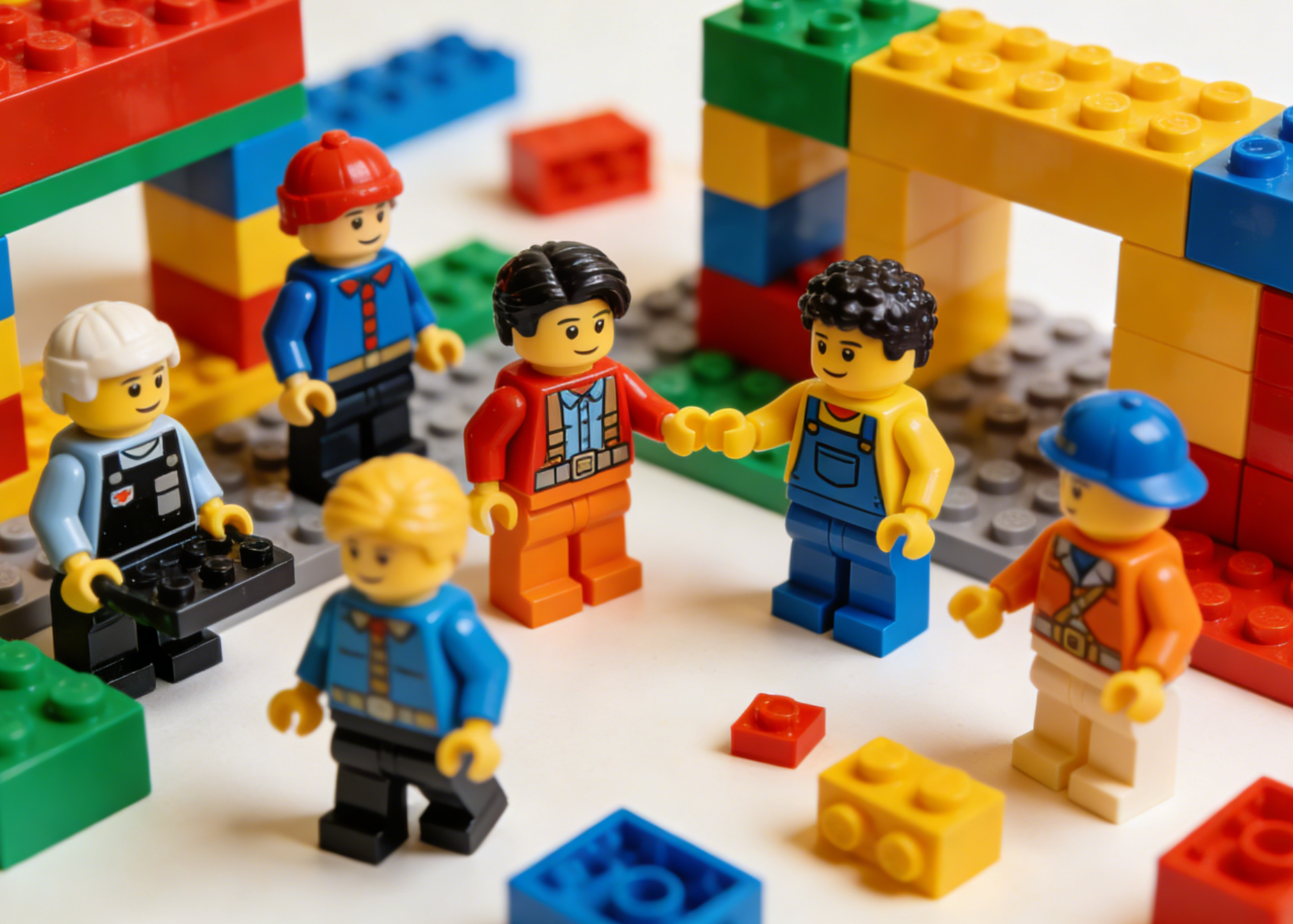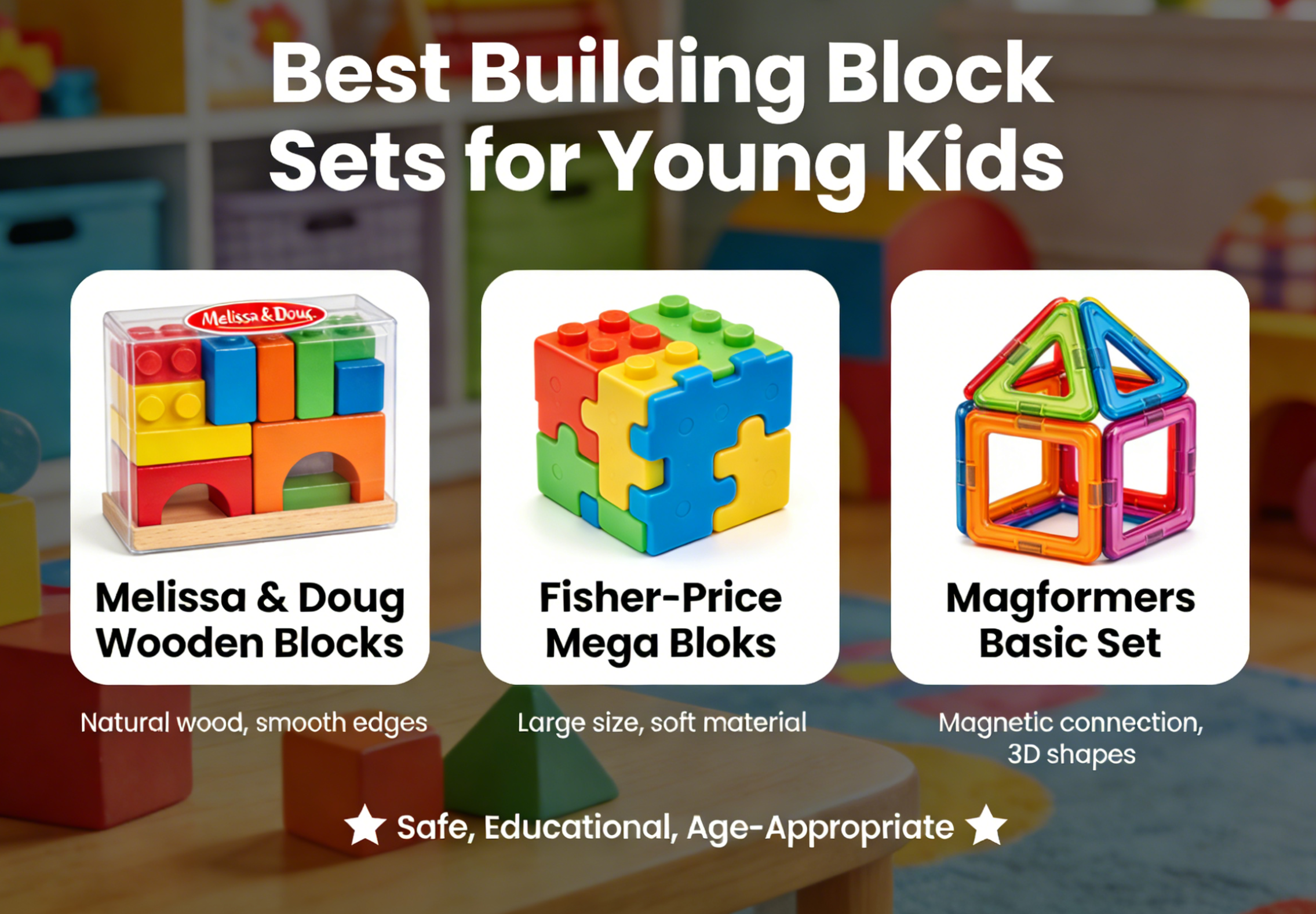

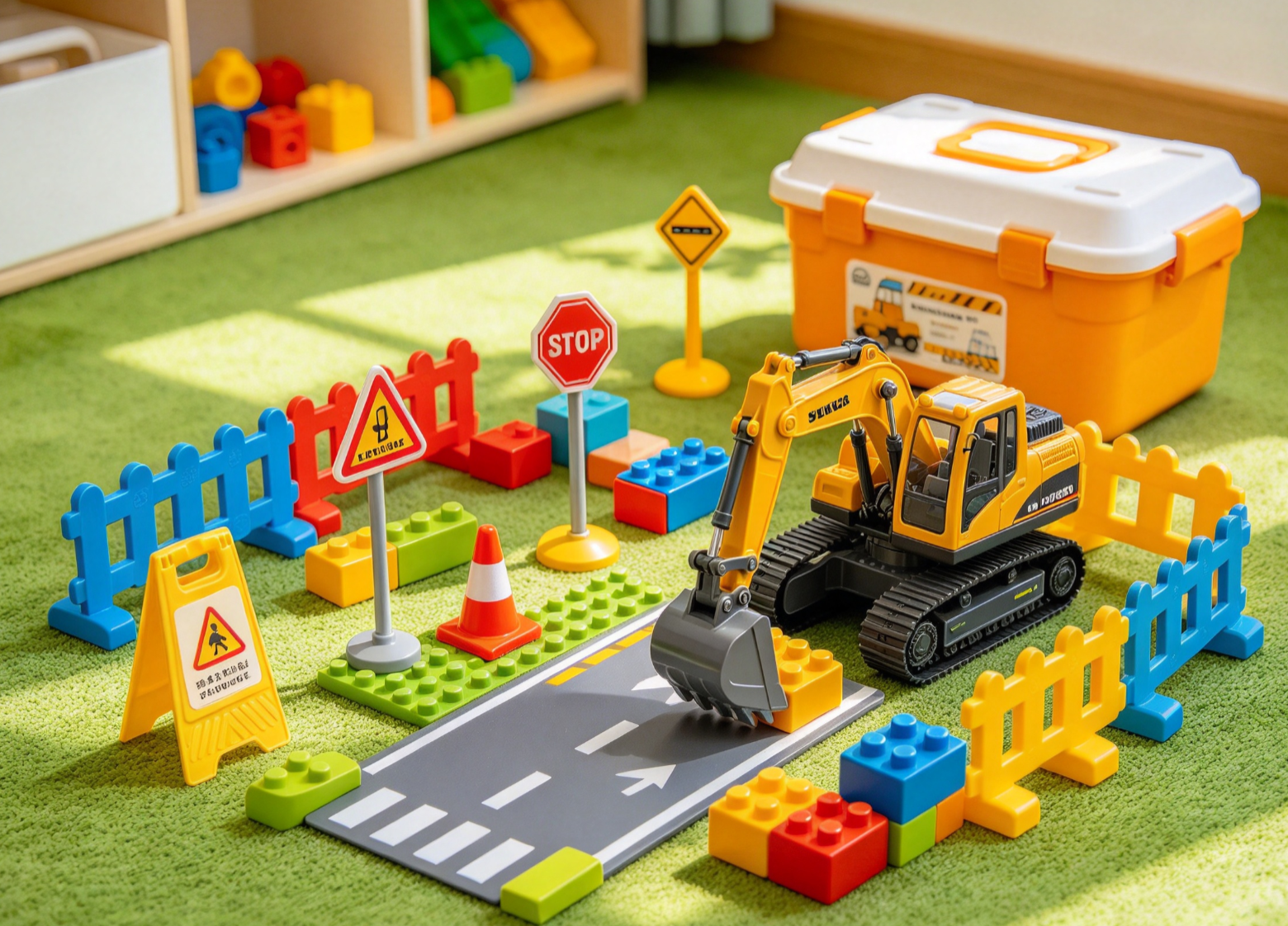
TL;DR: Choosing the right building kits for children starts with matching the kit to your child’s age and skill level, then setting up a calm space for building. Look for sturdy pieces, clear instructions, and sets that grow with your child. ModelBuilder offers brick-compatible sets built for safety and lasting fun.
We remember the first time a child hands you a finished model and says, “I built this.” That moment is worth chasing. Building kits for children are more than toys. They are tools for patience, problem-solving, and quiet pride.
But walk into any toy aisle, or scroll any online store, and you will find hundreds of options. Some are too simple. Some are far too advanced. Some fall apart after one playdate. Picking the right one isn’t always obvious.
This guide walks you through it step by step. We will cover why these kits matter, how to choose by age, how to set up a good building space at home, and how to keep your child engaged long after the first build is done. We will also look at where ModelBuilder fits into the picture, and how to shop smart.
You don’t need to be an expert. You just need a little guidance. Let’s get started.
Why Do Building Kits for Children Matter?
Building toys aren’t new. Parents have used blocks and bricks for generations. But the reasons behind their popularity haven’t changed much, either.
Children building kits help kids practice fine motor skills. Small hands learn to grip, twist, and snap pieces into place. This matters more than it sounds. Early motor skill development supports handwriting, typing, and everyday tasks later in life.
They also build problem-solving muscles. A child following instructions has to read, interpret, and adjust. If a piece doesn’t fit, they try again. That’s resilience in action, one brick at a time.
There’s a social side, too. Siblings build together. Friends compare designs. Parents join in and ask questions. According to the American Academy of Pediatrics, hands-on play supports both cognitive and social-emotional development in children (AAP, 2018). Building kits check both boxes at once.
And STEM learning is woven in without feeling like a lesson. Kids explore balance, symmetry, and structure. They test what holds up and what falls down. No worksheet required.
How to Choose the Right Children Building Kits by Age Group
Age matters more than almost anything else when picking a kit. A set that’s perfect for a ten-year-old may frustrate a four-year-old, or bore a teenager.
What building kits work best for toddlers (ages 2–4)?
Choose large, chunky pieces. Toddlers are still developing hand strength and coordination. Look for building kits for children with pieces too big to swallow, and simple shapes that snap together easily. Keep instructions minimal. At this age, open-ended play matters more than following steps.
What building kits work best for young children (ages 5–7)?
This is where instruction-based building starts to click. Kids can follow basic picture guides and build small models in one sitting. Look for sets with 50 to 150 pieces, bright colors, and familiar themes like vehicles or animals.
What building kits work best for school-age children (ages 8–12)?
Kids in this range are ready for more complexity. Children building kits with 150 to 500 pieces, multi-step instructions, and moving parts work well here. This is also a good age to introduce themed collections, like city sets or vehicle models, since kids start forming real interests around this time. ModelBuilder’s themed collections are designed with this age range in mind.
What building kits work best for tweens and teens (ages 13+)?
Older kids often want detail and challenge. Look for advanced sets with intricate designs, 500+ pieces, and realistic models. Some teens enjoy custom brick sets that let them design their own creations rather than follow a set path.
A good rule: pick a kit slightly above your child’s current skill level. A little challenge keeps them engaged. Too much challenge leads to frustration and a kit left in a drawer.
How to Set Up the Perfect Building Environment at Home
A good kit deserves a good space. You don’t need a dedicated playroom. You just need a few basics.
Pick a flat, stable surface. A table or hard floor works better than carpet, where small pieces get lost easily. A shallow tray or mat helps keep pieces contained and easy to find.
Lighting matters more than people think. Kids need to see small details clearly, especially when matching colors or shapes to instructions. Natural light or a bright desk lamp makes a real difference.
Storage is worth planning early. Clear bins, labeled by color or set, save frustration later. Losing one piece can derail an entire build, so a system for sorting pieces pays off quickly.
Keep the space low-pressure. Let your child explore at their own pace. Some kids follow instructions exactly. Others prefer to freestyle. Both are valid ways to build.
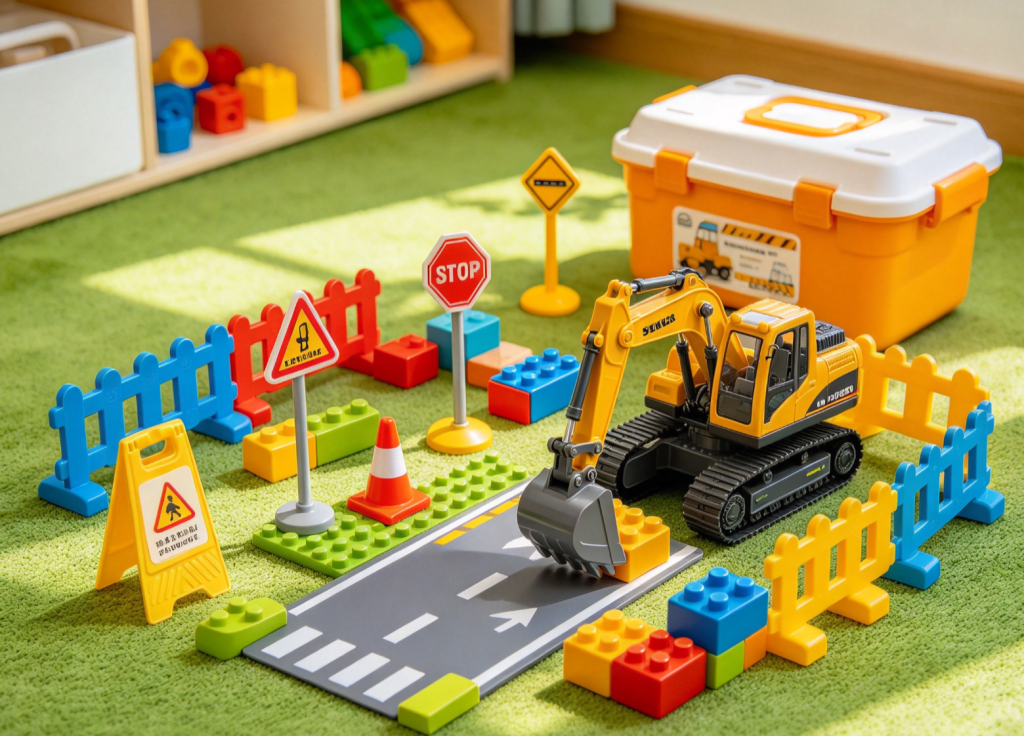
Step-by-Step: Getting Started with Your First Building Kit
If this is your child’s first set, here’s a simple way to start.
Step 1: Choose the right kit. Match the set to your child’s age and interests, as covered above. Start a little easier than you think you need to, especially for a first try.
Step 2: Unbox together. Sort pieces by color or type before building. This step alone teaches organization and gives your child a preview of what’s ahead.
Step 3: Read instructions as a team. For younger kids, walk through each step together. For older kids, let them read independently and only step in when asked.
Step 4: Build in short sessions. Thirty minutes is plenty for a first try. Long sessions can lead to fatigue and frustration, especially with younger builders.
Step 5: Celebrate the finish. Display the model somewhere visible. A shelf, a windowsill, even the kitchen counter. This small moment of pride often sparks the desire to build again.
Step 6: Talk about what they built. Ask questions. What was tricky? What part do they like best? This turns a solo activity into shared conversation.
Tips for Keeping Kids Engaged and Challenged Over Time
The first kit is easy. Keeping interest alive over months, or years, takes a bit more thought.
Rotate themes often. A child who loves vehicles today might want space sets next month. Variety keeps curiosity alive.
Introduce custom builds once your child has a few finished sets under their belt. Instead of following instructions, encourage them to combine pieces from different kits into something original. This step unlocks real creativity.
Set small challenges. Ask your child to build the tallest tower, the fastest-looking car, or a model using only one color. Challenges like this turn a familiar kit into something new again.
Join a building community. Many families share photos of finished builds online, swap tips, and show off custom creations. This kind of connection helps kids see building as a shared hobby, not a solitary task.
Keep pieces compatible across sets. When kits work together, kids can mix and match freely, which multiplies the possibilities without multiplying the cost. This is one reason compatibility with major brick brands matters so much when choosing new sets.
How Does ModelBuilder Compare to Other Brands?
Choose ModelBuilder if compatibility and price matter more than brand-name packaging. Many families love traditional brick brands but find the price hard to justify, especially for larger sets.
ModelBuilder was built with this exact gap in mind. Our sets are compatible with major brick brands, so kids can combine new ModelBuilder pieces with existing collections without any trouble. Building kits for children shouldn’t force families to start over every time, and we built our sets around that idea.
We also focus on safety and material quality. Every set goes through a design, material selection, and prototype testing process before it reaches a family’s home. You can read more about how we build our kits on our site.
We won’t pretend we’re perfect. Every brand has room to grow, and we’re always working to improve our designs based on what families tell us. But we believe quality and affordability shouldn’t be a tradeoff, and that’s the promise behind every ModelBuilder set.
Where to Buy Quality Building Kits for Children
Once you know what to look for, buying becomes much simpler.
Shop directly from the brand when possible. This usually means better pricing, access to full collections, and more accurate product details than third-party resellers. You can browse ModelBuilder’s full range of sets and collections directly on our site.
Check for clear material and safety information before buying. A trustworthy seller should list age recommendations, piece counts, and compatibility details upfront.
Read reviews from other parents. Real feedback tells you more than marketing copy ever could. Look for mentions of durability, how well pieces snap together, and how kids actually responded to the set.
Consider starter bundles if you’re new to a brand. These let you test build quality and your child’s interest before investing in larger, more detailed sets.
Final Thoughts: Building Something That Lasts
Picking the right kit isn’t about finding the fanciest box on the shelf. It’s about matching your child’s age, interest, and skill level to a set that challenges without overwhelming.
Start small. Build together. Let curiosity lead the way.
We hope you and your family find children building kits that spark real joy, not just at ModelBuilder, but wherever building happens. Thank you for taking the time to read this far. We wish your family many happy hours of building ahead~
Frequently Asked Questions
What age should a child start using building kits?
Most children can start around age two with large, simple pieces. Instruction-based building typically becomes easier around age five, once a child can follow basic visual steps.
Are LEGO-alternative building kits as good as the original?
Many alternative brands, including ModelBuilder, use compatible pieces and similar quality materials. The right alternative kit can offer the same creative value, often at a lower price.
How many pieces should a first building kit have?
For young beginners, 50 to 150 pieces work well. Older children or those with building experience can handle sets with 300 pieces or more.
How do I keep my child interested in building kits long-term?
Rotate themes, introduce custom builds, and set small challenges. Joining a community of other builders also helps keep motivation high.
Is it safe to mix different brick brands in one build?
Yes, as long as the pieces are designed for compatibility. ModelBuilder sets are built to work with major brick brands, so families can combine collections freely.