
Top Building Block Sets for Toddlers: The Ultimate Guide for Early Development
For parents and educators across the US and Europe, finding the right tools to foster early childhood development is a top priority. Building blocks have long been considered the “gold standard” of educational toys. They are simple, versatile, and incredibly effective at teaching foundational skills. In this comprehensive guide, we will explore the top building block sets for toddlers and explain why these tactile tools are essential for growing minds. At modelbuilder, we believe that the journey of creation starts with the very first brick a child picks up.
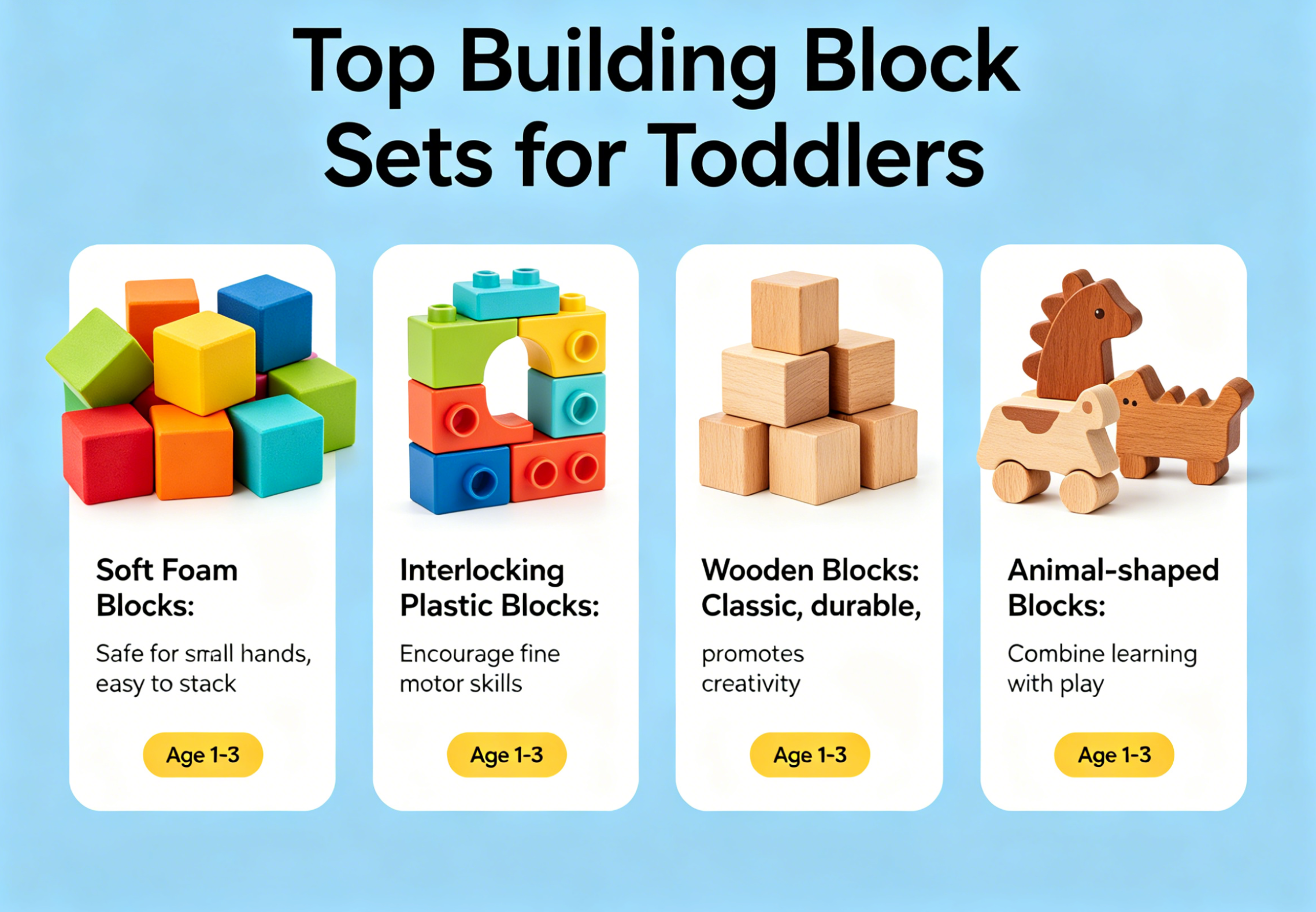
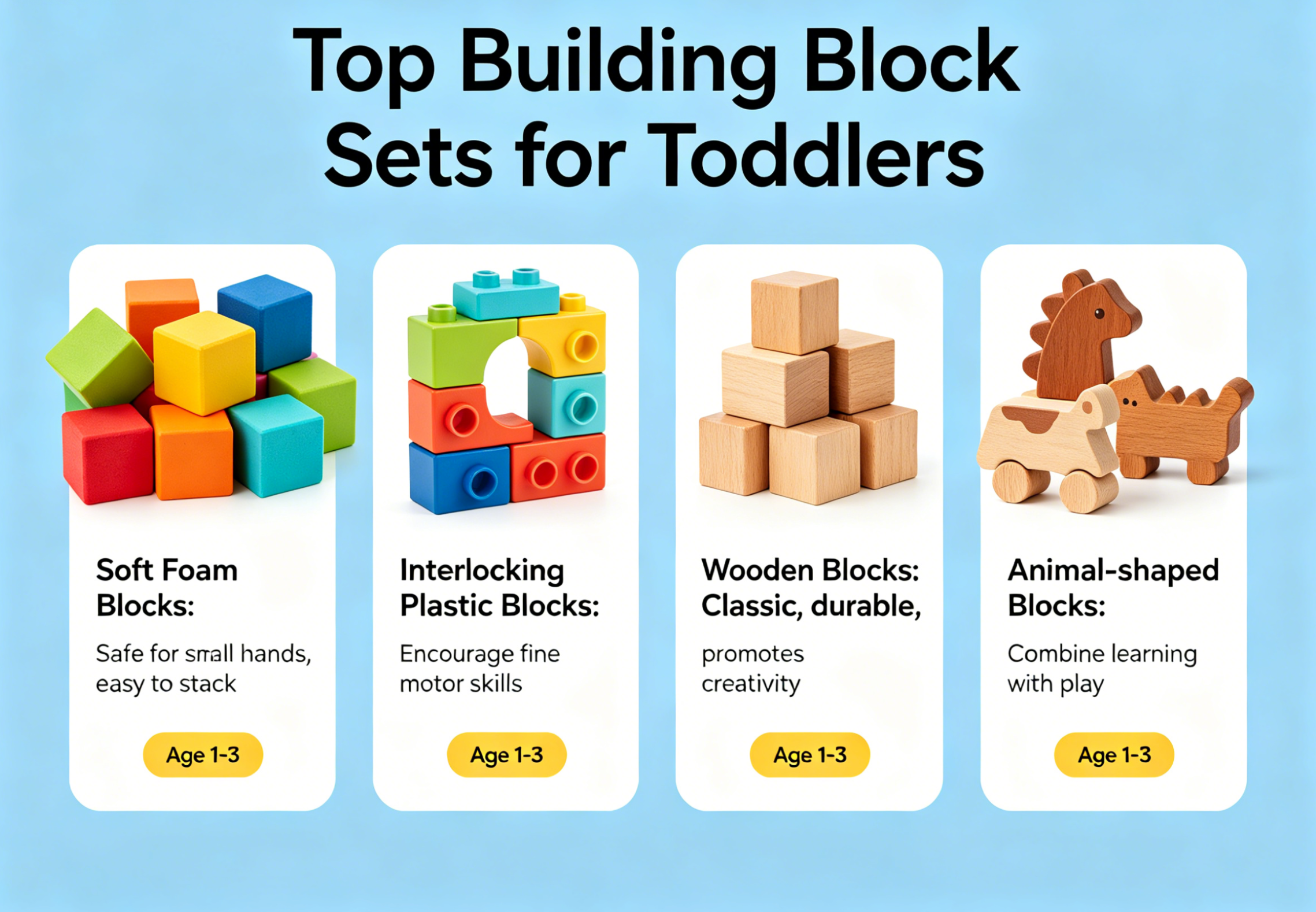
When selecting the top building block sets for toddlers, safety and ergonomics are paramount. Toddlers are in a stage of rapid discovery, where they use their hands—and often their mouths—to understand the world. Therefore, the blocks must be large enough to prevent choking hazards while being light enough for small hands to manipulate. From classic wooden cubes to modern interlocking systems, the variety available today can be overwhelming, but focusing on quality and age-appropriateness will lead you to the best choice.
The Developmental Benefits of Building Blocks
Building blocks are far more than just playthings; they are instruments of learning. When a toddler attempts to stack one block on top of another, they are engaging in complex cognitive processes. This activity strengthens fine motor skills and improves hand-eye coordination. It also introduces basic concepts of physics, such as gravity and balance, in a way that is intuitive and fun. For many children, these early experiences lead to a lifelong passion for construction, eventually progressing to more complex building block sets designed for older kids and enthusiasts.
Furthermore, block play encourages “open-ended play,” a critical component of creativity. Unlike toys with a single function, blocks allow a child to build a tower one minute and a bridge the next. This flexibility helps develop problem-solving skills and spatial awareness. As children grow, they may move from simple stacking to constructing elaborate structures like model brick house kits, but the foundation of those skills is laid during the toddler years with the top building block sets for toddlers.
Fine Motor Skill Enhancement
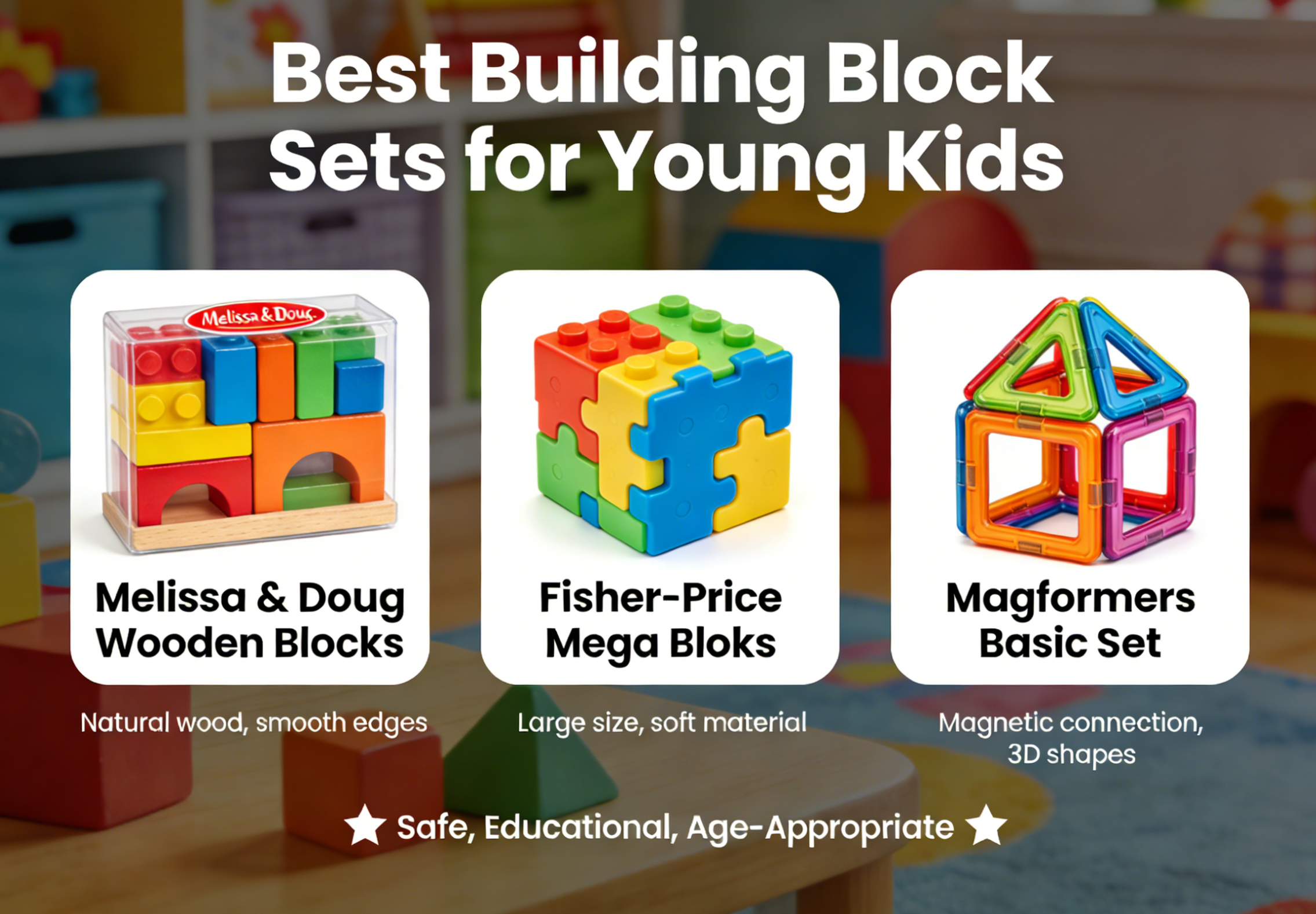
The act of grasping, lifting, and placing blocks requires precise movements of the fingers and hands. These “small muscle” movements are essential for later tasks such as writing, drawing, and using utensils. High-quality sets provide different textures and weights, which help stimulate sensory development. For parents looking for the best building block sets for young kids, prioritizing sets with varied shapes and easy-grip surfaces is highly recommended.
Choosing the Right Material: Wood, Plastic, or Magnets?
The market is flooded with different materials, each offering unique benefits. Wooden blocks are timeless, durable, and provide a natural sensory experience. They are often weighted perfectly for stacking. Plastic blocks, on the other hand, are typically lighter and often come in interlocking designs that allow for more stable structures. These are often the top-rated building block sets for beginners because they are easy to clean and virtually indestructible.
Recently, magnetic building block sets have surged in popularity. These sets use internal magnets to hold pieces together, allowing toddlers to create “gravity-defying” structures that wouldn’t be possible with traditional blocks. This adds an extra layer of excitement and keeps children engaged for longer periods. Regardless of the material, ensure the product meets stringent safety standards, such as the ASTM in the US or the CE mark in Europe.
Criteria for Evaluating the Top Building Block Sets for Toddlers
To help you navigate the options, modelbuilder has identified several key criteria for evaluating the top building block sets for toddlers. First is Safety: edges must be rounded, and materials must be non-toxic and BPA-free. Second is Size: pieces should be large enough that they cannot fit into a cardboard toilet paper roll (the standard test for choking hazards). Third is Ease of Use: the blocks should fit together or stack without requiring excessive force, which can frustrate a developing child.
Another important factor is Longevity. You want a set that can grow with your child. Some sets are designed to be compatible with other brands, allowing you to expand the collection as the child’s skills improve. While a toddler might start with large plastic bricks, they will eventually gain interest in more detailed themes, such as japanese building block sets known for their intricate designs, or even military building block sets for those interested in history and vehicles.
Interlocking vs. Stacking
Stacking blocks (like traditional wooden cubes) teach balance and patience. If the tower isn’t straight, it falls. Interlocking blocks (like those with studs or magnets) allow for more complex building and can be moved without falling apart instantly. Both styles are valuable, and many of the top building block sets for toddlers incorporate elements of both to provide a well-rounded play experience.
Transitioning from Toddler to Hobbyist
The skills learned in the toddler years pave the way for more advanced hobbies. It is common to see a child who loved building with oversized blocks grow into an adult who enjoys building brick sets for adults. The transition usually involves moving from large pieces to mini brick building sets, which require a much higher level of dexterity and concentration. Starting with the right toddler sets ensures that this developmental path is smooth and enjoyable.
For many enthusiasts, the joy of building never truly fades. What starts as a simple stack of three blocks in a nursery can evolve into a sophisticated display piece in a home office. This is why investing in quality brands and sets early on is so beneficial. Parents often find themselves joining in the fun, discovering that building is a great way to bond with their children while decompressing from their own busy lives. Some even find that the best adult building block sets offer a therapeutic outlet for creativity and stress relief.
Conclusion
Selecting from the top building block sets for toddlers is an investment in your child’s future. By providing them with tools that encourage creativity, problem-solving, and physical coordination, you are setting the stage for a lifetime of learning and discovery. Whether you choose classic wooden blocks, versatile plastic bricks, or innovative magnetic tiles, the key is to prioritize safety and engagement. modelbuilder is dedicated to supporting this journey from the very first brick to the most complex adult models. Remember, every master builder started with a single, simple block. Happy building!
Frequently Asked Questions (FAQ)
At what age can toddlers start playing with building blocks?
Most toddlers can begin experimenting with large, soft blocks as early as 6 to 12 months. By 18 to 24 months, they typically develop the motor skills required to stack and interlock standard toddler-sized bricks.
Are magnetic blocks safe for 2-year-olds?
Yes, as long as the magnets are securely encapsulated within high-quality plastic shells. Always choose reputable brands that comply with US and EU safety standards to ensure magnets cannot come loose.
How do building blocks help a child’s development?
Building blocks enhance fine motor skills, hand-eye coordination, spatial reasoning, and creative problem-solving. They also encourage patience and persistence as children learn to balance and connect pieces.
Should I buy wooden or plastic blocks for my toddler?
Both have advantages. Wooden blocks are great for teaching balance and natural tactile feedback, while plastic blocks are often easier to snap together and lighter for building large structures. A mix of both can provide a diverse sensory experience.