
Spark their imagination. Turn playtime into brain time. Early childhood is the perfect window to introduce structural play. High-quality bricks give parents the tools to teach fundamental skills while having fun. You want a safe, engaging, and educational experience for your child.
This guide teaches you how to maximize playtime. You will learn how to select the right kits. You will discover practical ways to teach STEM concepts. You will master playroom organization. Read on to build a better foundation for your child.
Select Safe and Engaging Sets
Start with safety. Young children explore the world with their hands and mouths. You must choose kits designed specifically for their developmental stage.
Prioritize Large Pieces
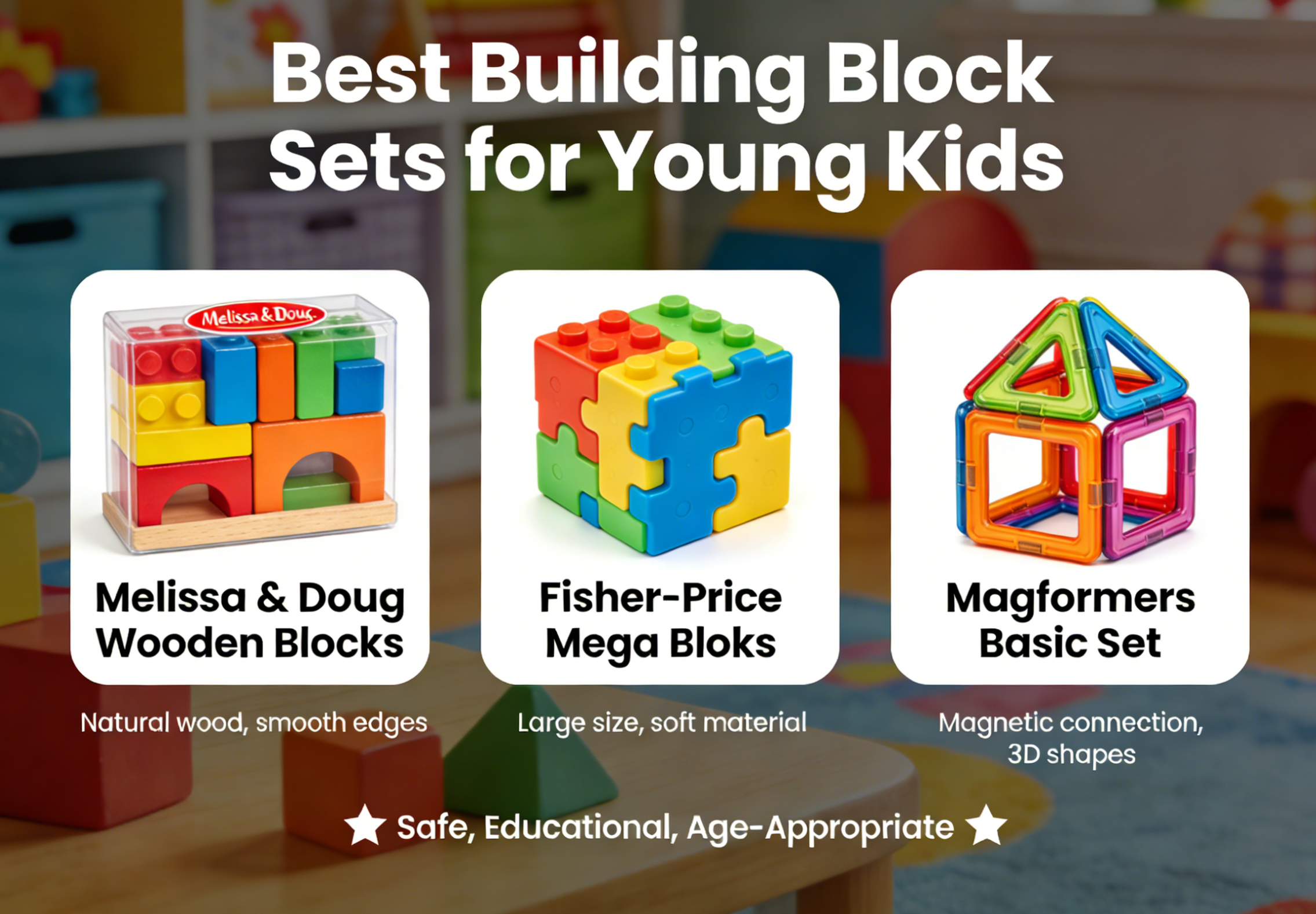
Size matters. building block sets for toddlers must feature oversized bricks. Small pieces pose severe choking hazards. Large bricks are easy for little hands to grab. They are easy to stack. They are impossible to swallow. Look for kits explicitly marked for ages 18 months to 3 years. These sets use chunky, interlocking designs.
Check Material Quality
Demand durability. Toddlers are rough on their toys. They throw them. They step on them. They bang them together. You need high-quality ABS plastic. It resists cracking. It maintains a tight clutch power over time. Cheap alternatives warp. They lose their grip. A loose brick frustrates a young builder. ModelBuilder delivers premium quality without the premium price tag.
Discover your ideal starter kit. Explore Early Builder Sets to find safe, durable options.
Boost Early STEM Learning
Build and learn. Block play is early engineering. It introduces mathematics. It develops spatial awareness. You can guide this learning process through active play.
Teach Color and Shape Recognition
Start with the basics. Sort bricks by color. Ask your child to find all the red pieces. Then, ask for the blue pieces. Move on to shapes. Point out square bricks. Point out rectangular bricks. This simple game builds vocabulary. It improves visual discrimination.
Develop Fine Motor Skills
Strengthen little hands. Pressing bricks together requires coordination. Pulling them apart builds muscle strength. These fine motor skills are crucial. They prepare children for writing. They help with tying shoes and using utensils. Encourage your child to connect pieces independently. Step in only when they ask for help.
Introduce Basic Counting
Count every brick. Make math tangible. Build a tower. Count each block as you add it. “One, two, three, four.” Take the tower apart. Count backward. Ask your child to hand you exactly two bricks. This transforms abstract numbers into physical objects.
Build Together as a Family
Share the experience. Independent play is great. Collaborative play is better. Build strong family bonds alongside your block towers.
Start with Simple Stacking
Keep it simple. Do not try to build a complex castle on day one. Start by stacking bricks as high as possible. Let your child knock the tower down. They love the crash. They learn cause and effect. Rebuild it together. Celebrate the small victories. Clap when they connect two stubborn pieces.
Create Story-Driven Play
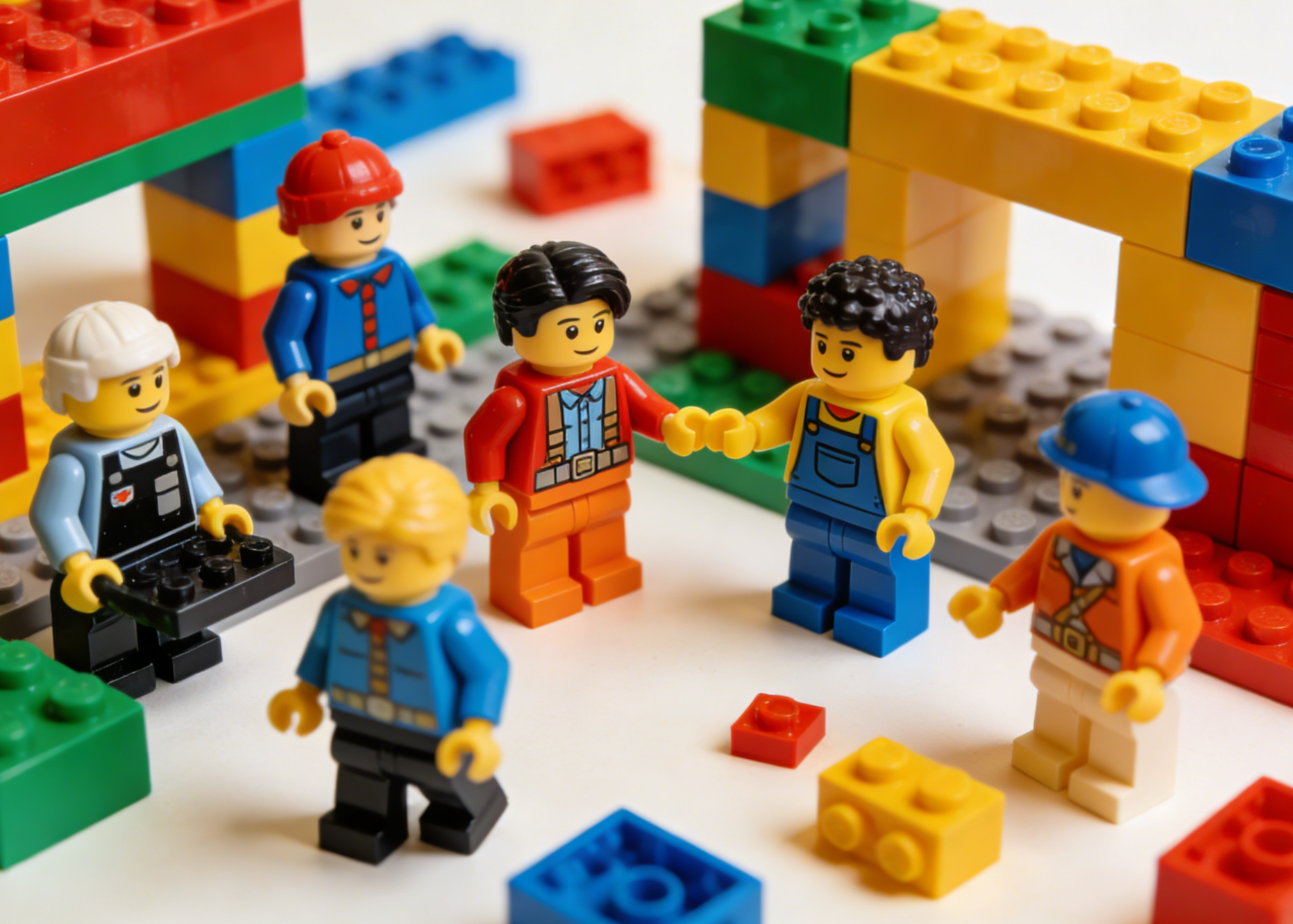
Tell a story. Use block sets to build small houses. Add toy animals or figures. Create a narrative. The cow needs a barn. Build the barn together. The car needs a garage. Construct the garage. Story-driven play extends attention spans. It bridges the gap between structural building and imaginative role-play.
Find the perfect theme for your next story. Shop Our Products to discover farm, city, and vehicle sets.
Organize Your Playroom
Tame the chaos. Stepping on a loose brick hurts. Losing a crucial piece stops playtime. You need a simple, effective organization system.
Sort by Size and Type
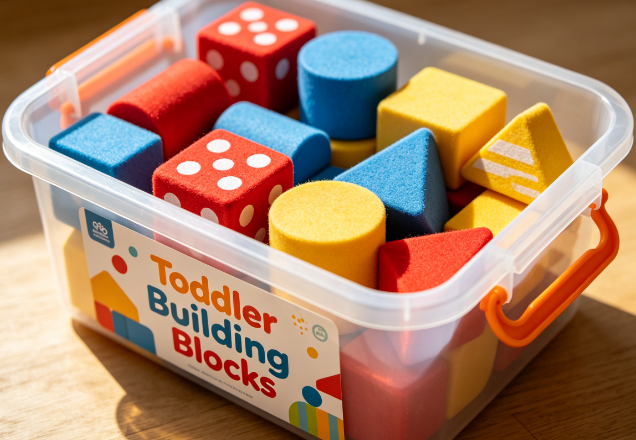
Create a system. Dump everything into one giant toy box? No. That makes finding pieces impossible. Use clear, shallow plastic bins. Sort the bricks by basic type. Put large building plates in one bin. Put standard bricks in another. Put specialized pieces, like wheels or printed blocks, in a third.
Label the bins. Use picture labels for children who cannot read yet. A picture of a square brick tells them exactly what goes inside. This makes cleanup easy. It teaches sorting and categorizing skills.
Clean and Maintain Bricks
Keep them fresh. Toddler toys get sticky. They attract dust and germs. Clean your bricks regularly. Do not use harsh chemical sprays. Do not put them in the dishwasher. The high heat warps the plastic.
Instead, fill a sink with warm water. Add a few drops of mild dish soap. Submerge the bricks. Use a soft brush to remove dirt. Rinse them thoroughly in a colander. Lay them flat on a towel to air dry. Clean your sets once a month to ensure safe, hygienic play.
Upgrade to Advanced Play
Grow with them. As your child’s skills improve, their toys must keep up. Transitioning to more complex sets keeps them engaged.
Introduce Movement
Add wheels. Static structures are fun. Moving structures are thrilling. Introduce sets with axles and wheels. Show your child how to build a basic car. Build a ramp out of cardboard. Test the cars. See which one rolls the furthest. This introduces basic physics. It teaches friction and gravity.
Mix and Match Collections
Expand their universe. The best building block sets for toddlers are fully compatible. Mix your early builder blocks with newer sets. Combine a train set with a castle set. Let their imagination run wild. Strict instructions are not required. Free building fosters pure creativity.
Ready to expand your collection? View All our latest arrivals and start your next project.
Conclusion
You have the strategy. Now you need the blocks. Choosing safe, large pieces protects your child. Active, guided play boosts their early STEM skills. Proper organization keeps your home clean. Regular maintenance ensures the toys last for years.
Building blocks offer screen-free entertainment. They challenge developing minds. They reward patience and curiosity. Start building together today. Clear a space on the floor. Open a new box. Build the foundation for lifelong learning.
FAQ
Are these large block sets compatible with major name brands?
Yes. Our early builder sets feature a universal interlocking design. They connect seamlessly with other major brands of large-format toddler bricks.
How do I know if my child is ready for smaller bricks?
Watch their play habits. If they easily snap large bricks together, follow complex instructions, and no longer put toys in their mouth, they are likely ready. This transition usually happens around age 4 or 5.
What is the best way to clean secondhand block sets?
Wash them immediately. Submerge the bricks in a solution of warm water and a small amount of bleach or mild disinfectant. Scrub with a soft brush, rinse thoroughly with clean water, and air dry completely before playtime.
Can these block sets help with speech development?
Absolutely. Building together encourages conversation. You introduce new vocabulary words like “stack,” “connect,” “tall,” and “bridge.” Asking open-ended questions about their creations stimulates language skills.