
Quick answer: To choose the right large building sets for kids, look at piece safety ratings, age-appropriate sizing, material quality, and compatibility with sets your child already owns. Once you have the right set, set up a dedicated build space, guide your child through their first project step by step, and store pieces by type so future builds go faster.
Building with blocks is one of the simplest joys a child can have. We’ve watched kids light up over a pile of bricks more than almost any other toy. If you’re a parent looking into big building sets for kids, you’ve probably noticed there are a lot of choices out there, and not all of them are made the same way.
This guide walks you through how to pick a set your child will actually enjoy, how to set up a space where building feels easy and fun, and how to guide your child through that first big project together. We’ll also cover why building sets matter for your child’s development, and how to keep your collection organized once the bricks start piling up.
We hope this helps you find a set that fits your family, whether you’re buying your child’s first big project or adding to a growing collection.
How to Choose the Right Large Building Sets for Kids
Picking the right set isn’t about finding the biggest box on the shelf. It’s about matching the set to your child’s age, skill level, and interests. Here’s what we think matters most.
Safety Considerations
Safety comes first. Before anything else, check the age label on the box. Sets made for younger children use larger pieces that are harder to swallow. Sets for older kids often include smaller, more detailed parts.
Look for non-toxic materials. Good building brands test for lead and other harmful substances. If a set doesn’t mention safety testing, that’s worth asking about before you buy.
Check the edges and corners of the pieces too. Quality bricks are molded smoothly, without rough seams that can scratch small hands. This matters more with large building sets for kids, since bigger sets mean more pieces in a child’s hands over time.
Age-Appropriate Sizing
A set that’s too advanced can frustrate a child before they even start. A set that’s too simple can bore them within a week. The sweet spot is a set that challenges your child just enough to feel proud when they finish it.
Most big building sets for kids list a recommended age range on the packaging. Use it as a starting point, not a strict rule. A seven-year-old who’s been building for years might be ready for a set labeled for ages 10 and up. A ten-year-old trying their first big build might do better starting smaller.
Material Quality
Not all bricks are built the same. Cheaper plastic can warp, crack, or lose its color after repeated use. Higher-quality ABS plastic holds its shape, connects more securely, and lasts through years of building, taking apart, and rebuilding.
Quality matters even more with large building sets for kids, since these sets often get reused across siblings or passed down over time. A set built with durable materials is a set that survives more than one child’s imagination.
Compatibility with Other Sets
If your child already has a brick collection, compatibility matters. Many alternative building brands design their bricks to connect with standard brick sizes, which means new sets can combine with what your child already owns.
This is one area where it helps to do a little research before buying. Browse our collection to see sets designed with cross-compatibility in mind, so your child’s imagination isn’t limited by brand lines.
How to Set Up the Perfect Building Environment at Home
A good building space makes a real difference. Kids build better when they have room to spread out pieces, see their work in progress, and come back to it without starting over.
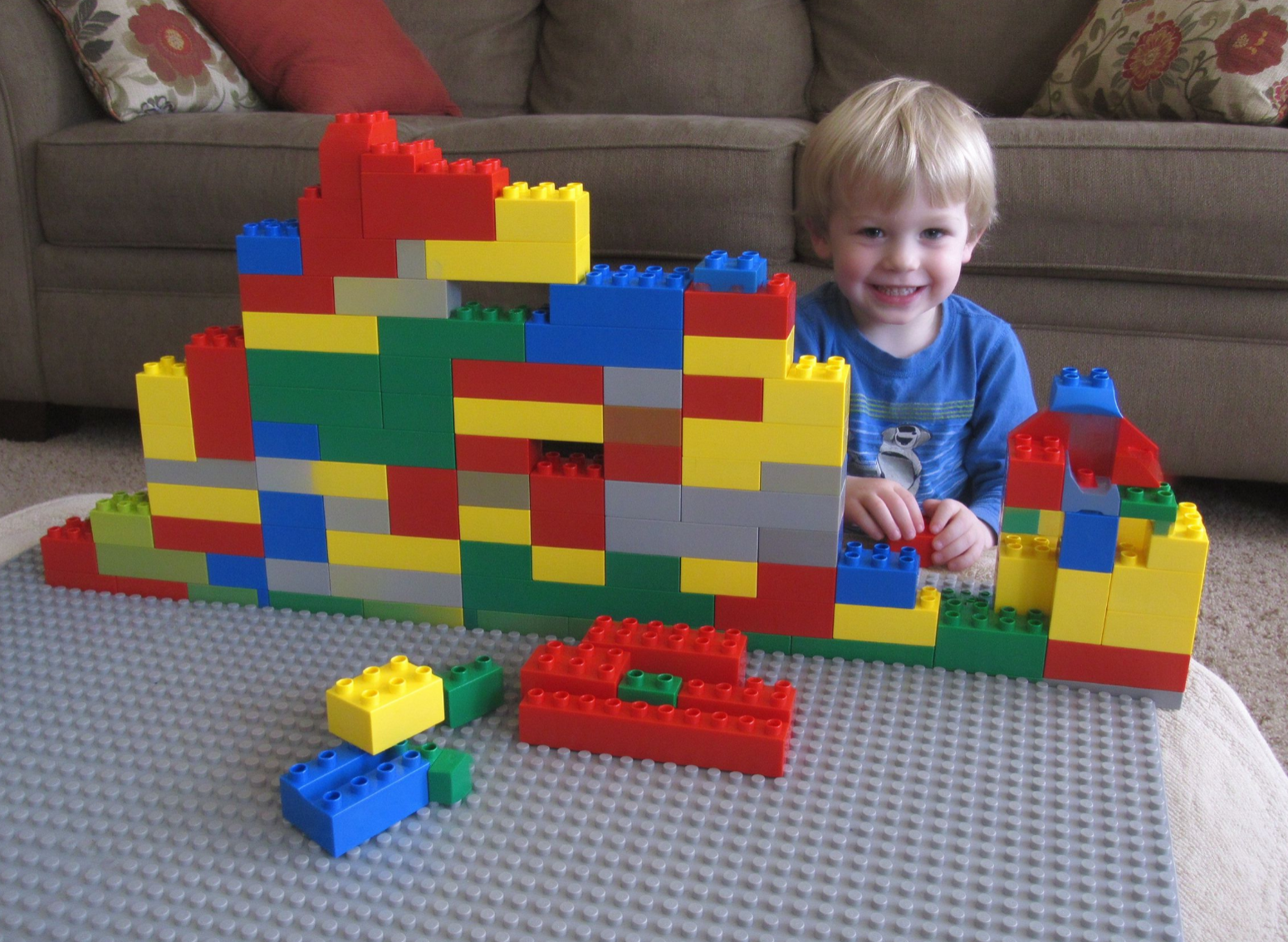
Start with a flat, stable surface. A table or a large baseplate works well. Avoid building directly on carpet, where small pieces get lost and larger structures can wobble.
Good lighting matters too. Kids need to see piece colors and connection points clearly, especially with detailed large building sets for kids that include hundreds of small parts.
Keep the instruction manual nearby and easy to read. If your child is young, consider printing extra copies of key pages, since manuals get worn down fast when flipped through repeatedly.
Finally, give the project a permanent spot if you can. Nothing discourages a young builder faster than having to take apart an unfinished project to clear the table for dinner.
Step-by-Step: How to Guide Your Child Through Their First Big Build
Starting a big project can feel overwhelming for a child who’s never built anything larger than a small set. Here’s a simple approach that works for most families.
Step 1: Sort the pieces together. Before building, spend a few minutes sorting pieces by color or type. This isn’t just organization. It helps your child get familiar with the pieces they’ll be using.
Step 2: Read through the manual as a team. Go through the first few steps of the instructions together. Ask your child what they notice about the pictures. This builds the habit of reading instructions carefully, a skill that carries well beyond building.
Step 3: Let your child lead, but stay close. Resist the urge to build it for them. Offer guidance when they get stuck, but let them make the connections themselves. Mistakes are part of learning to build.
Step 4: Take breaks for big sets. Big building sets for kids can take hours or even days to complete. Breaking the project into sessions keeps your child engaged instead of exhausted.
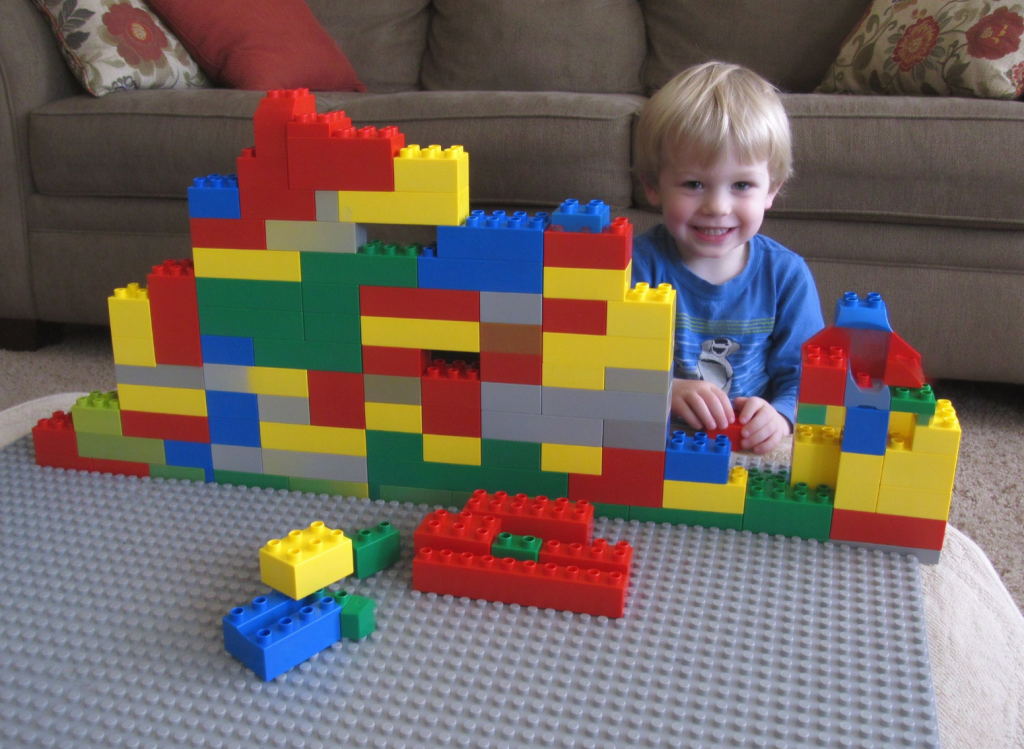
Step 5: Celebrate the finish. When the build is done, take a photo. Display it somewhere visible. That sense of accomplishment is often what turns a one-time project into a lifelong hobby.
How to Use Big Building Sets for Kids to Support Learning & Development
Building sets aren’t just toys. They’re tools that support real skills your child will use throughout school and life.
STEM Skills
Building with bricks introduces children to basic engineering concepts long before they encounter them in a classroom. Balance, structure, symmetry, and problem-solving all show up naturally during a build.
When a tower falls over, a child learns about stability through trial and error, not a textbook. This hands-on approach to STEM is one reason large building sets for kids have become popular additions to homeschool and after-school learning programs.
Creativity and Imagination
Following instructions is only part of the experience. Many children enjoy building the official design once, then taking it apart to create something entirely their own. This kind of open-ended play strengthens imagination and original thinking.
If your child enjoys designing their own builds, you might look into themed sets that offer flexible parts for custom creations. Explore themed building collections designed to encourage this kind of creative freedom.
Fine and Gross Motor Skills
Snapping small pieces together builds fine motor control and hand-eye coordination. For younger children, this kind of repeated, focused hand movement supports skills they’ll use for handwriting, typing, and other precise tasks.
Larger builds also involve gross motor movement, since kids often need to stand, reach, and move around bigger structures as they grow in size. Large building sets for kids that scale up in size naturally scale up these physical benefits too.
How to Store and Maintain Large Building Sets
A finished build only stays finished if the pieces stay organized. Here’s how we recommend keeping a growing collection manageable.
Use clear storage bins and sort by piece type or color. This makes future builds faster, since your child won’t have to dig through a giant pile to find the one piece they need.
Label bins if your child has multiple sets. This helps keep themed collections separate and makes it easier to find missing pieces if a set gets partially disassembled.
Store finished builds somewhere safe from foot traffic or curious younger siblings. A shelf or display case works well, especially for sets your child is proud of and wants to keep intact.
Check pieces periodically for wear. Quality bricks hold up well over time, but it’s worth inspecting connectors every so often, especially on sets that get rebuilt often.
If you’re building a growing collection and want guidance on what to add next, get in touch with our team. We’re happy to help you find a set that fits where your child’s interests are headed.
Bringing It All Together
Choosing and using large building sets for kids doesn’t have to be complicated. Start with safety and age-appropriate sizing. Build in a space that makes building easy. Guide your first project together, then step back and let your child take the lead. The learning happens naturally from there.
We’ve seen how much joy a good set can bring to a family, and we hope your child finds that same joy. Building together is one of the simplest ways to spend time as a family, and the skills your child picks up along the way will stick with them far beyond the final brick.
I hope you find a set that fits your family’s next building adventure, and wish you happy building~
FAQ
What age is right for large building sets for kids?
Most large sets are designed for children ages 8 and up, though some simpler large-format sets work for younger kids around age 6. Always check the age label on the packaging, and consider your child’s building experience, not just their age.
How long does it take to finish a big building set?
It depends on piece count and complexity. Smaller large sets might take a few hours, while detailed sets with thousands of pieces can take several days of building sessions. Breaking the project into shorter sessions helps keep kids engaged without burning out.
Are large building sets safe for younger siblings in the house?
Large sets often include small, detailed pieces that aren’t safe for toddlers. If you have younger children at home, store finished builds out of reach and keep loose pieces in closed containers between building sessions.
Can large building sets work with sets my child already owns?
Many alternative brick brands design pieces to be compatible with standard brick sizing, which means new large sets can often connect with existing collections. Check compatibility details before buying if this matters to your family.
What’s the best way to introduce a child to their first big building set?
Start by sorting pieces together and reading through the first few instruction steps as a team. Let your child build at their own pace, offering help only when they’re stuck, and celebrate the finished project once it’s complete.