
Quick answer: Choose building blocks for 6 year olds with larger pieces, simple instructions, and open-ended designs. For building blocks for 7 year olds, add smaller pieces, multi-step builds, and themed sets. Match complexity to skill level. Start simple. Build up. ModelBuilder offers both options as a LEGO alternative.
Ages 6 and 7 mark a shift in brain development. Fine motor skills sharpen. Attention spans stretch. Problem-solving grows more complex. Building blocks fit this window perfectly.
Kids at this age want independence. They want to build something real, not just stack pieces at random. The right set gives them structure without stealing the fun.
Parents want value too. A good set lasts years, not weeks. It should grow with the child, not get boxed up after one use.
This guide covers what to look for at each age, how to start building with your child, and how to keep the activity engaging over time.
What Building Blocks Work Best for 6 Year Olds?
Six-year-olds need pieces sized for small hands. Large blocks reduce choking risk and frustration. Instructions should use pictures, not dense text.
Look for these features:
Larger Piece Sizes
Fewer tiny parts. Fewer lost pieces. Less frustration.
Open-Ended Sets
Blocks that build more than one model. A single box, multiple outcomes.
Simple Step Guides
Picture-based instructions. No reading required.
Short Build Time
15 to 30 minutes per project. Matches attention span at this age.
Durable Materials
Blocks that survive drops, stacking, and repeat use.
A good starter set for building blocks for 6 year olds includes 100–200 pieces. Enough to build something substantial. Not so many it overwhelms.
ModelBuilder’s starter kits are designed around this exact range — large pieces, visual instructions, and sturdy connections built for first-time builders.
What Building Blocks Work Best for 7 Year Olds?
Seven-year-olds are ready for more. Fine motor control improves. Patience grows. Multi-step thinking develops.
Look for:
Smaller, More Detailed Pieces
Still safe, but more variety in shape and function.
Themed Building Sets
Vehicles, buildings, fantasy worlds. Themes hold interest longer than generic blocks.
Multi-Stage Instructions
Builds completed over multiple sessions. Teaches follow-through.
Higher Piece Counts
200–500 pieces. Enough complexity to challenge without frustrating.
Customization Options
Sets that allow kids to deviate from the instructions and build their own designs.
At this stage, building blocks for 7 year olds should introduce real design choice. Not just assembly — decision-making. Which piece goes where. What color pattern to use. What to build next.
ModelBuilder’s themed collections match this age range, offering mid-complexity sets that bridge beginner and advanced building.
How Do You Get a Child Started With Building Blocks?
Starting is simple. Follow these steps.
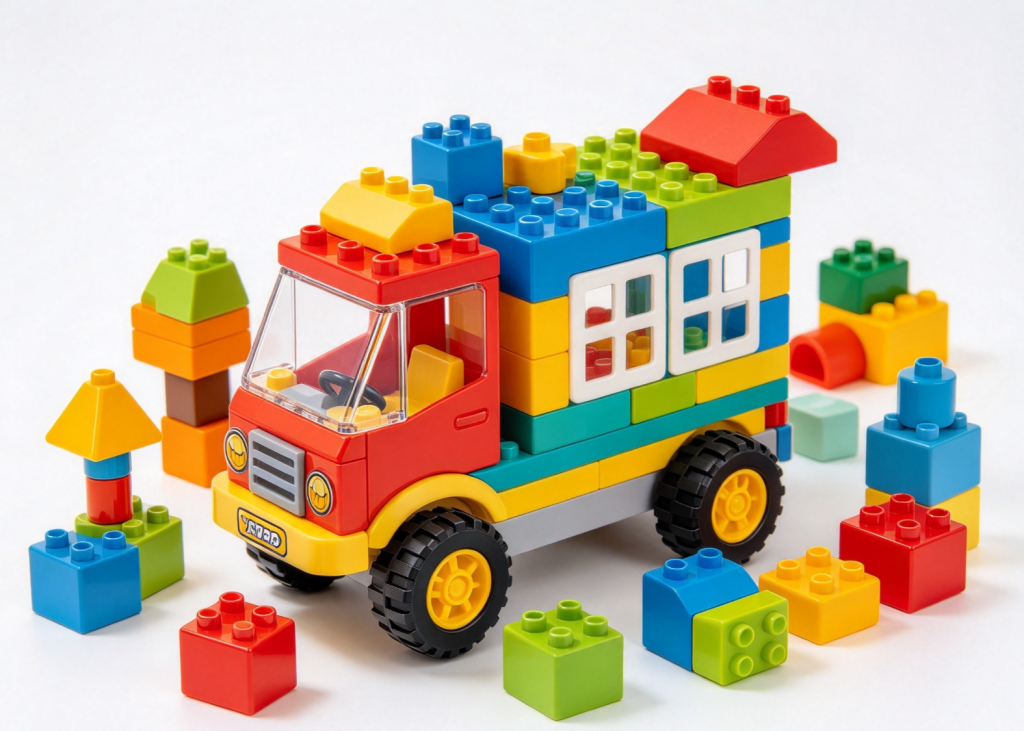
Step 1: Start With the Box, Not the Instructions
Let your child open the set and explore the pieces first. Five minutes of free exploration builds excitement before structure begins.
Step 2: Sort Pieces by Type or Color
Sorting builds pattern recognition. It also makes the build itself faster and less frustrating.
Step 3: Build Together the First Time
Sit beside your child for the first build. Guide, don’t take over. Let them place the pieces.
Step 4: Step Back on Build Two
Once the pattern is clear, let your child build solo. Stay nearby for questions only.
Step 5: Display the Finished Model
A visible shelf or desk spot adds pride and motivation for the next build.
Step 6: Rotate Sets Regularly
Swap sets every few weeks. New themes keep interest high and skills progressing.
This process works for both building blocks for 6 year olds and building blocks for 7 year olds — the steps stay the same. Only the complexity changes.
How Can Parents Maximize Learning and Fun With Building Blocks?
Building blocks teach more than assembly. Used right, they build real skills.
Set a Time, Not a Deadline
20–30 minutes per session works best. No pressure to finish in one sitting.
Ask Questions, Don’t Give Answers
“What piece do you think goes next?” builds problem-solving over passive following.
Mix Free Build With Guided Build
Alternate between instruction-based sets and open creativity. Both skills matter.
Praise Process, Not Just Results
Acknowledge effort and persistence. Not just the finished model.
Connect Blocks to Other Interests
Dinosaurs, space, vehicles — themed sets tied to existing interests hold attention longer.
Limit Screen Time Replacement
Building blocks work as an alternative to tablets and TV. Set clear swap times.
These small habits turn a toy into a long-term tool for focus, patience, and spatial reasoning.
Why Is ModelBuilder a Smart LEGO Alternative?
ModelBuilder builds compatible brick sets at a lower cost than traditional big-name brands. Same connection system. Same build experience. Different price point.
Compatible With Standard Bricks
ModelBuilder pieces connect with most major block brands already in your home.
Age-Specific Set Design
Separate lines for younger and older builders, including dedicated building blocks for 6 year olds and building blocks for 7 year olds collections.
Clear Instruction Manuals
Step-by-step guides with visuals at every stage, reducing frustration for new builders.
Durable, Safety-Tested Materials
Built for repeat use and drop resistance.
Lower Cost Per Piece
More build for the budget, without cutting corners on safety.
Parents switching from name-brand blocks report no difference in build quality or piece compatibility. The savings add up fast across a growing collection.
Explore the full ModelBuilder lineup to compare age-specific sets side by side.
Building a Habit, One Set at a Time
Building blocks give kids ages 6 and 7 a hands-on way to grow focus, creativity, and problem-solving. The right set at the right age makes the difference between a toy that gets used once and one that gets used for years.
Start with a set matched to your child’s current skill level. Build together first. Step back as confidence grows. Rotate themes to keep interest alive.
ModelBuilder offers age-specific sets designed around this exact approach — simple enough for first-time builders, detailed enough to grow with your child.
FAQ
What age are building blocks appropriate for?
Most building block sets work for kids ages 4 and up, with piece size and complexity increasing by age. Six and seven-year-olds benefit most from sets matched specifically to their motor skills and attention span.
Are LEGO alternatives like ModelBuilder safe for kids?
Yes. ModelBuilder blocks go through safety testing and use the same connection standards as major block brands, making them safe for children ages 6 and up.
How many pieces should a 6 or 7 year old’s building set have?
Six-year-olds do best with 100–200 piece sets. Seven-year-olds can handle 200–500 pieces, depending on prior building experience.
Do building blocks actually help with child development?
Yes. Building blocks support fine motor skills, spatial reasoning, patience, and problem-solving — all key developmental areas for kids ages 6 and 7.
Can ModelBuilder sets be used with other brick brands?
Most ModelBuilder pieces are compatible with standard interlocking brick systems, including major name-brand blocks already in most households.