

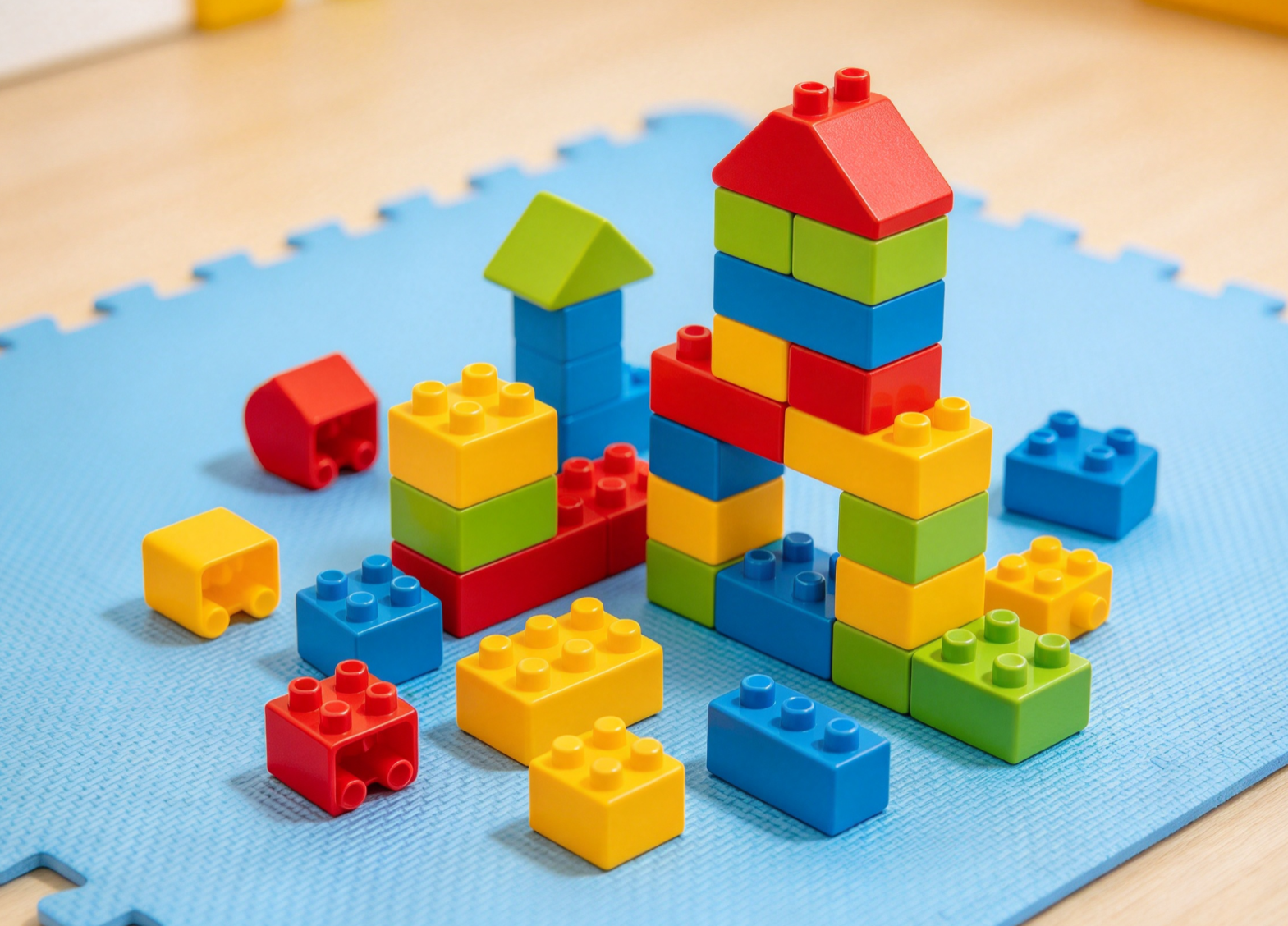
Quick answer: Construction blocks for kids build fine motor skills, spatial reasoning, and problem-solving through hands-on play. Start with age-appropriate sets, follow a simple play-to-mastery progression (free build, guided build, challenge build), and rotate themed collections every few weeks to keep engagement high. Brands like ModelBuilder offer durable, LEGO-compatible options for families who want variety without sacrificing quality.
Every parent has stepped on a stray brick at 2 a.m. and wondered if the mess is worth it. It is. Few toys pack as much developmental value into a small plastic piece as construction blocks for kids do. They’re quiet, they don’t need batteries, and they scale from a toddler’s first tower to a teenager’s motorized robot arm.
But not every family gets the full benefit. Buying a set, dumping it on the floor, and walking away misses most of what building blocks can teach. The real value comes from how you introduce them, how you scaffold difficulty over time, and how you turn a pile of bricks into a recurring habit rather than a one-off distraction.
This guide walks through why kids construction blocks matter developmentally, how to pick the right sets for your child’s age and interests, and a step-by-step approach for introducing them at home. We’ll also cover creative play prompts, compare popular brands including ModelBuilder, and share region-specific tips for parents shopping in the US and Europe.
Why Construction Blocks Matter for Kids’ Development
Building blocks aren’t just a way to pass a rainy afternoon. Occupational therapists and early-childhood educators have long pointed to block play as one of the most efficient tools for developing fine motor control, because pinching, aligning, and pressing small pieces together strengthens the same hand muscles children later use for writing.
There’s also a cognitive layer. Every build — from a simple four-brick tower to a multi-stage vehicle — requires a child to hold a mental image of the finished product and work backward to the individual steps needed to get there. That’s spatial reasoning and sequential planning, two skills that show up again years later in geometry class and in project management at work.
What specific skills do construction blocks build?
- Fine motor skills: Manipulating small connectors improves hand strength and dexterity.
- Spatial reasoning: Children learn to visualize how 2D instructions translate into 3D structures.
- Problem-solving: Missing pieces or unstable builds force kids to troubleshoot in real time.
- Patience and persistence: Complex builds reward sticking with a task past the point of initial frustration.
- Social skills: Group builds teach negotiation, turn-taking, and shared creative ownership.
STEM-focused parents often ask whether block play actually translates into academic performance. While no toy alone determines a child’s future in engineering, it’s fair to say that consistent exposure to open-ended building materials nurtures the same design-thinking mindset used in robotics, architecture, and computer science.
How to Choose the Right Construction Blocks for Your Child
Walk into a store — or scroll a marketplace — and you’ll see dozens of options claiming to be the best construction blocks for kids. The right choice depends less on the box art and more on three factors: age, interest, and piece complexity.
What age should my child be to start using construction blocks?
Most manufacturers segment sets by age range, and for good reason. Toddlers under 3 need oversized, chunky pieces that can’t be swallowed. Children aged 4 to 7 benefit from mid-sized bricks with simple, guided builds. Kids 8 and older can usually handle smaller pieces, multi-step instructions, and mechanical elements like gears or hinges.
A simple rule of thumb: if your child is frequently frustrated before finishing a build, the set is too advanced. If they finish in under five minutes and lose interest immediately, it’s too easy.
Should I choose themed sets or open-ended sets?
Themed sets — castles, spaceships, dinosaurs — give kids a clear goal and instant gratification. Open-ended sets, which are just loose bricks in a bin, encourage more creativity but require more parental scaffolding, especially for younger children who need a starting prompt.
A balanced approach works best: use themed sets to teach the mechanics of building, then transition to open-ended free play once your child understands how the pieces connect. This mirrors how many families use ModelBuilder’s themed collections as a starting point before letting kids remix pieces into their own creations.
Does brand or piece quality actually matter?
Yes. Cheaper, inconsistent bricks that don’t clutch properly lead to collapsed builds and frustrated kids — which can turn them off the hobby entirely. Look for sets with consistent tolerances (how snugly pieces fit together) and non-toxic, durable materials. This matters just as much for kids construction blocks as it does for adult display models, since a wobbly build undermines the sense of accomplishment that makes the activity rewarding in the first place.
Step-by-Step Guide: How to Introduce Kids Construction Blocks at Home
Handing a child a box of bricks and walking away rarely produces the outcome you’re hoping for. A short, structured introduction sets expectations and builds confidence before moving into independent play.
Step 1: Start with a guided first build
Sit down together for the first set. Follow the instructions as a team, narrating each step out loud (“we need two of these to make the base”). This models the process before your child attempts it solo.
Step 2: Let them rebuild without instructions
Once the model is complete, take it apart and ask your child to rebuild it from memory. This reinforces sequencing and spatial memory without the crutch of a manual.
Step 3: Introduce a small twist
Ask your child to modify the build — add a second floor, change the color scheme, or combine it with a piece from another set. This is the point where construction blocks for kids shift from following instructions to genuine creative problem-solving.
Step 4: Rotate sets on a schedule
Interest fades if the same bricks sit out indefinitely. Rotate collections every two to four weeks, storing unused sets out of sight. When a set returns after a break, kids often approach it with fresh ideas.
Step 5: Create a dedicated building space
A flat surface, good lighting, and a bin for sorting pieces by color or size go a long way. Kids who have a consistent spot to build are more likely to return to the activity independently, rather than treating it as a special-occasion toy.
Creative Play Ideas and Build Challenges
Once the basics are in place, the real fun starts. Structured challenges keep kids engaged well past the initial novelty of a new set.
- Timed builds: Give a five-minute limit to build the tallest freestanding tower. Great for reinforcing quick decision-making.
- Blind builds: One child describes a completed structure while another builds it without seeing it — a fun way to practice communication and spatial vocabulary.
- Theme swaps: Challenge kids to build a “spaceship” using only pieces from a castle set. This forces creative reinterpretation of familiar parts.
- Story builds: Ask your child to build a scene from a favorite book or movie, then explain their design choices.
- Family collab builds: Assign each family member a section of a large structure to build separately, then combine the pieces at the end.
These prompts work with almost any brand of bricks, but they’re especially effective with mixed sets, since kids are forced to improvise with pieces that weren’t designed to go together.
How ModelBuilder Compares to LEGO and Other Brands
Parents shopping for kids construction blocks quickly discover the market is bigger than one brand. LEGO remains the most recognized name, but a growing number of alternatives — including ModelBuilder — offer LEGO-compatible pieces at different price points and with different design focuses.
| Feature | LEGO | ModelBuilder |
|---|---|---|
| Brick compatibility | Proprietary standard | Compatible with major building block standards |
| Focus | Broad, mass-market themes | Custom brick sets and themed collections |
| Price point | Premium | Competitive alternative pricing |
| Educational workshops | Limited direct offering | Interactive workshops available |
| Community support | Large, established | Growing enthusiast community |
ModelBuilder positions itself as a construction blocks for kids alternative for families who want variety beyond the mainstream catalog, without compromising on piece quality or safety. The brand’s custom brick sets allow for tailored building experiences, which can be useful for families with a child who has outgrown standard theme sets but isn’t quite ready for adult-level complexity.
It’s worth noting that brand loyalty in this space is often less important than piece compatibility and build satisfaction. Many families mix brands freely, combining ModelBuilder sets with other collections to expand the range of what their child can create. You can learn more about ModelBuilder’s approach to design and material selection if you’re comparing options for the first time.
Tips for Parents in the US and Europe
Shopping for construction toys looks a little different depending on where you live, mostly due to safety standards, availability, and seasonal buying patterns.
What safety standards should I check for in the US and Europe?
In the US, look for compliance with ASTM F963, the standard safety specification for toys. In the European Union, check for the CE marking, which confirms the product meets EU safety, health, and environmental requirements. Reputable brands display these certifications clearly on packaging or product pages.
When is the best time to buy construction block sets?
Both regions see predictable pricing patterns tied to school calendars and holidays. Back-to-school season (August to September) and the winter holiday period (November to December) tend to bring the widest selection of new releases, though not always the deepest discounts. Spring and early summer are often better windows for value, as retailers clear inventory ahead of new seasonal lines.
How do I manage shipping and availability across regions?
US-based families generally have faster access to newer releases from North American retailers, while European parents may find better availability through EU-based distributors due to shipping costs and import considerations. If you’re ordering internationally, factor in longer delivery windows and potential customs fees before committing to a purchase, especially around gift-giving seasons.
Building a Habit, Not Just a Toy Box
The difference between a toy that gets forgotten in a closet and one that becomes a genuine hobby usually comes down to structure. Guided first builds, a rotating schedule, and the occasional creative challenge turn construction blocks for kids from a one-time gift into an ongoing source of learning and fun.
Start small: pick one set matched to your child’s age and interest, commit to a guided first build, and set a reminder to rotate in something new in a few weeks. That simple rhythm does more for long-term engagement than any single “perfect” set ever could.
Frequently Asked Questions
What age is appropriate for construction blocks for kids?
Most sets are designed for children age 4 and up, with larger, simplified pieces available for toddlers age 1 to 3. Always check the manufacturer’s age recommendation on the packaging, since piece size relates directly to choking hazard risk for younger children.
Are construction blocks good for children with attention or focus challenges?
Yes, in many cases. The hands-on, step-by-step nature of block building can help children practice sustained focus in short, manageable segments. Starting with shorter builds and gradually increasing complexity tends to work better than jumping straight into large, advanced sets.
Can construction blocks from different brands be used together?
Many brands, including ModelBuilder, produce pieces compatible with standard brick dimensions used across the industry. This means kids can often combine sets from multiple brands, though it’s worth checking specific compatibility notes before assuming pieces will fit perfectly.
How much should I expect to spend on kids construction blocks?
Prices vary widely by set size and complexity, ranging from a few dollars for small themed sets to over a hundred dollars for large, detailed builds. Starting with a mid-sized set in the $20 to $40 range is a reasonable way to gauge your child’s interest before investing in larger collections.
How do I keep my child interested in building over time?
Rotate sets regularly, introduce creative challenges instead of just following instructions, and involve the whole family in occasional group builds. Interest naturally dips when the same bricks sit out too long, so novelty and structured variety matter more than the size of the collection.


