

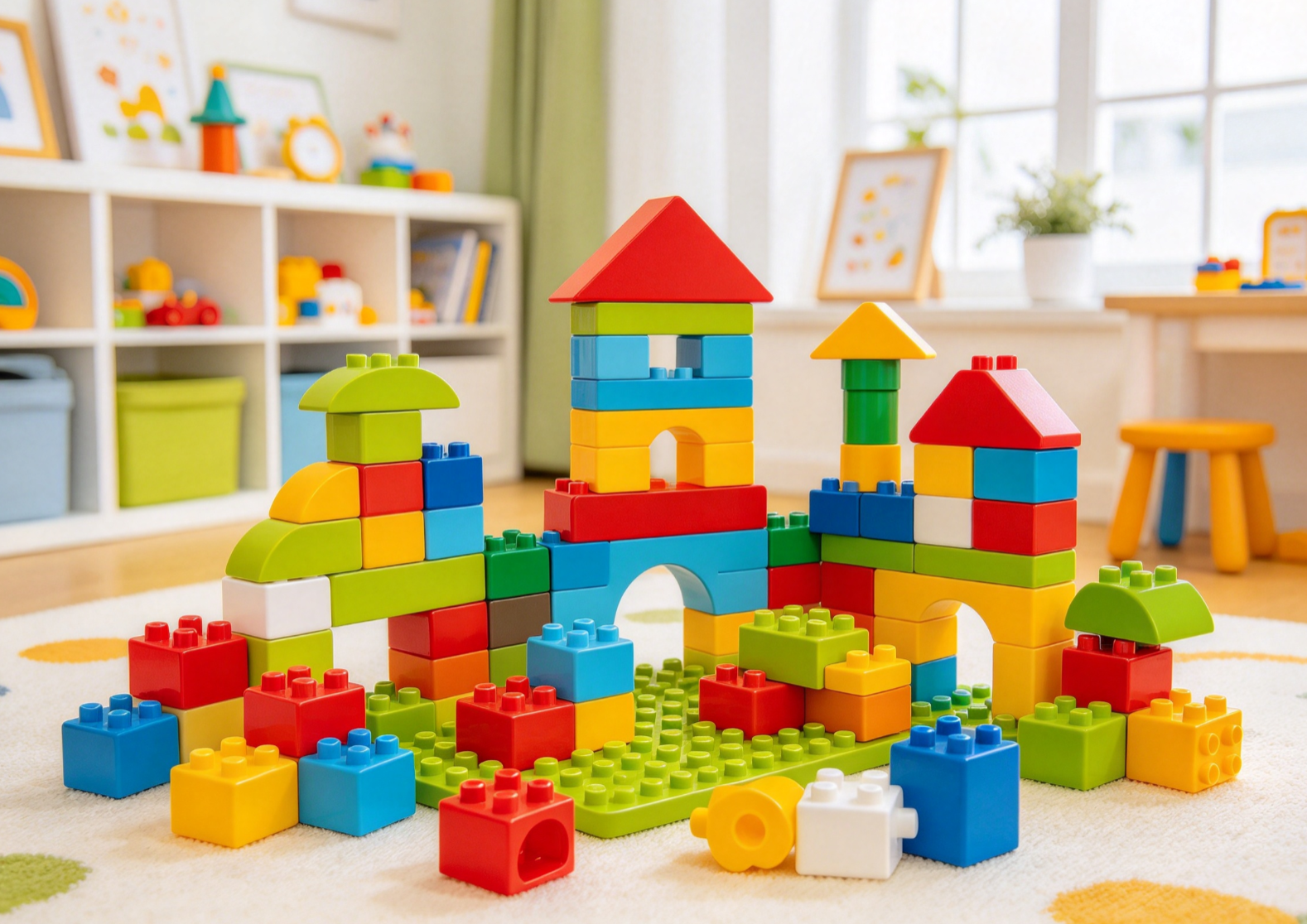
Quick answer: To choose building sets for kids that maximize learning and play, match the set’s piece count and complexity to your child’s age, prioritize brands with STEM-aligned instructions, and rotate between guided builds and free-form creation. Building sets for kids work best when parents introduce them gradually, starting with simple builds before progressing to multi-step models that challenge problem-solving and fine motor skills.
Building sets have earned their place as one of the most enduring toys on the market, and for good reason. They combine hands-on play with skill development in a way that few other toys manage. But walk into any toy aisle or browse an online store, and you’ll find hundreds of options — different brands, piece counts, themes, and price points. Choosing the right one isn’t always straightforward.
This guide breaks down what to look for in kids building sets, how to introduce them at home without overwhelming your child, and how to keep the experience fresh with creative challenges. Whether you’re a parent in the US comparing options for a birthday gift or a European household stocking up for a rainy weekend, you’ll find practical guidance here — no fluff, just what works.
Why Do Building Sets for Kids Matter Developmentally?
Building sets aren’t just a way to pass time. They engage several developmental skills simultaneously, which is part of why they’ve remained popular across generations.
Fine motor skills. Snapping small pieces together, aligning connectors, and manipulating pieces with precision all strengthen hand-eye coordination. This matters especially for younger children who are still building dexterity.
Spatial reasoning. Following a 3D instruction manual and translating it into a physical structure trains the brain to think in three dimensions — a skill that transfers directly to subjects like geometry and engineering later in school.
Problem-solving. When a piece doesn’t fit or a section collapses, kids have to troubleshoot. This trial-and-error process builds resilience and patience, two traits that are hard to teach directly but easy to develop through play.
Creativity and open-ended thinking. Once a child finishes a guided build, the real value often begins — using the same pieces to design something entirely their own. This shift from following instructions to inventing independently is where kids building sets deliver the most long-term benefit.
Focus and patience. Multi-step builds require sustained attention. For kids used to fast-paced screen entertainment, working through a 200-piece set is a meaningful exercise in delayed gratification.
None of this is new information to parents who’ve watched a child sit quietly for an hour, completely absorbed in a build. But it’s worth naming these benefits explicitly, because they should guide how you choose a set — not just the picture on the box.
How to Choose the Right Kids Building Sets
Not every set suits every child, and the wrong choice can lead to frustration instead of fun. Here’s how to narrow down your options.
What age should determine your building set choice?
Age recommendations on packaging are a starting point, not a strict rule. As a general guide:
- Ages 3-5: Look for larger, chunkier pieces with simple connections. Fewer than 50 pieces is often ideal for this age group, since younger kids are still developing the fine motor control needed for smaller components.
- Ages 6-9: This is where building sets for kids really start to diversify. Piece counts in the 100-300 range with moderate instruction complexity work well. Kids at this age can follow multi-page manuals but still benefit from clear visual steps.
- Ages 10 and up: Older kids can handle intricate builds — vehicles, architecture, or themed collections with 500+ pieces. These sets often introduce mechanical elements like gears or moving parts, which add another layer of engineering concepts.
If a child is between ranges, lean toward the lower piece count rather than the higher one. A set that’s too advanced often gets abandoned halfway through, which does more harm to their confidence than a set that’s slightly too easy.
How much does interest matter compared to age?
A lot. A 7-year-old obsessed with space will get more out of a rocket-themed set than a generic block tower, even if the piece count is higher than what’s typically recommended for their age. Matching the theme to what already excites your child increases the odds they’ll finish the build and want to do another one.
Common themes worth exploring include vehicles, architecture, fantasy creatures, and real-world landmarks. If you’re not sure where your child’s interest lies yet, mixed-piece starter sets are a safe way to test the waters before committing to a themed collection.
How complex should the pieces be?
Piece complexity refers to how many unique connector types and specialty pieces a set includes. Simpler sets use a small number of repeated shapes, which makes them easier for beginners to understand. More advanced sets introduce hinges, gears, and articulated joints — great for kids who’ve already mastered the basics and want a new challenge.
When comparing kids building sets across brands, check whether the pieces are compatible with sets your family already owns. Cross-compatibility means a child can combine collections over time, effectively growing their creative toolkit rather than starting from scratch with every purchase. You can explore compatible building collections designed to expand alongside a child’s growing skill level.
Step-by-Step Guide: How to Introduce Building Sets at Home
Bringing a new building set into the house is exciting, but a little structure in the first few sessions goes a long way toward building a lasting habit rather than a one-time novelty.
Step 1: Start with a shared first build. Sit down together for the first set, even if your child is capable of building alone. This models patience, shows them how to read instructions, and turns the activity into a bonding moment rather than a solo task.
Step 2: Set up a dedicated building space. A flat surface, good lighting, and a shallow tray for sorting pieces prevent lost parts and frustration. Losing pieces is one of the most common reasons kids lose interest in building sets for kids midway through a project.
Step 3: Sort pieces before starting. For sets with 100+ pieces, spend a few minutes grouping similar pieces together. This small step dramatically speeds up the build and reduces the frustration of hunting through a pile for one specific connector.
Step 4: Follow instructions loosely at first. Encourage your child to check the manual, but don’t correct every deviation. If they build a step slightly differently and it still works, let it stand. This preserves their sense of ownership over the project.
Step 5: Celebrate the finished build — then encourage deconstruction. Display the completed model for a few days, then invite your child to take it apart and build something new from the same pieces. This is the step many parents skip, but it’s where the real creative value shows up.
Step 6: Rotate in new sets gradually. Introducing a new set every few weeks, rather than all at once, keeps the novelty factor alive and prevents pieces from different collections getting mixed together too early.
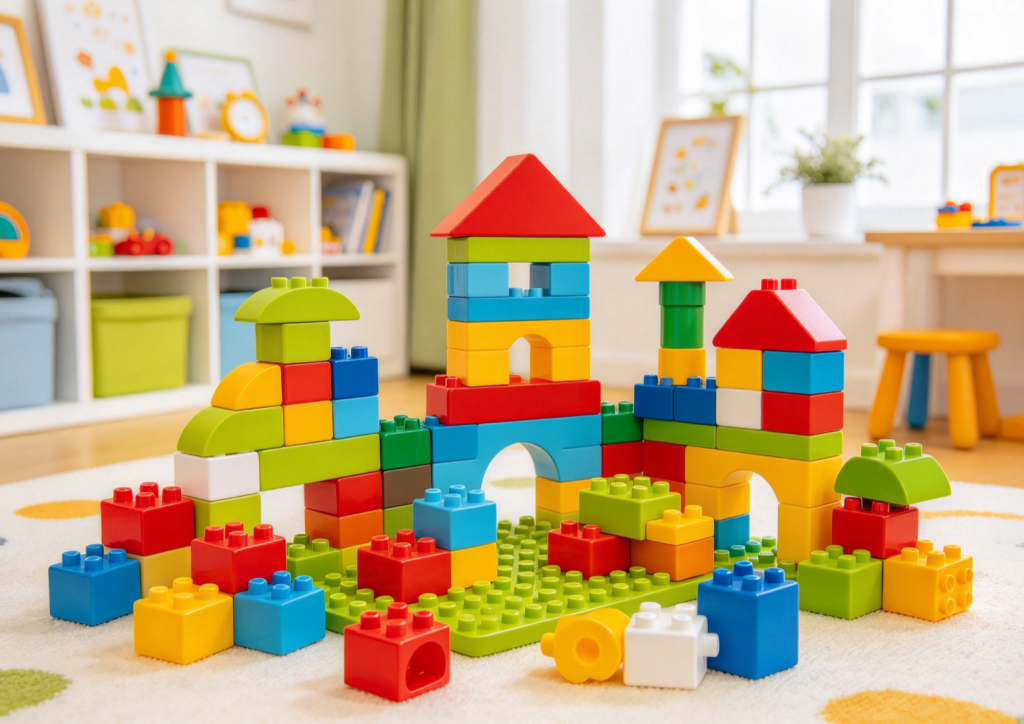
Creative Play Ideas and Build Challenges
Once your child is comfortable with the basics, keep things interesting with structured challenges. These work well for solo play, sibling competitions, or weekend family activities.
- The blind build challenge: Give your child a set with the instructions hidden, and challenge them to recreate the box image from memory or intuition alone.
- The 10-minute speed build: Set a timer and see how much of a structure they can complete before time runs out. Great for building focus under light pressure.
- The mash-up challenge: Combine pieces from two different sets to build something that doesn’t exist in either instruction manual.
- The storytelling build: Ask your child to build something and then explain the story behind it — who lives there, what happened, what comes next. This blends creative writing with construction.
- The family competition: Everyone builds their own version of the same theme (a house, a vehicle, a creature) using an identical number of pieces, then compares results.
These challenges keep building sets for kids from becoming a repetitive activity. They shift the focus from “finishing the set” to “using the set,” which is where long-term engagement really comes from.
How Does ModelBuilder Compare to LEGO and Other Brands?
Parents comparing options will notice that pricing and piece design vary significantly between brands. ModelBuilder positions itself as an alternative to traditional brick brands, focusing on themed collections and custom brick sets designed with builders of all ages in mind.
Where ModelBuilder differs from many competitors is in its focus on custom brick sets tailored to specific interests, alongside themed collections built to spark imagination across a range of skill levels. The brand also runs educational workshops designed to strengthen creativity and problem-solving — a direct extension of the developmental benefits discussed earlier in this guide.
For families comparing value across brands, it’s worth looking at piece compatibility, price per piece, and whether a brand offers a clear progression path from beginner to advanced sets. You can browse ModelBuilder’s full range of building collections to compare available themes and complexity levels directly.
Tips for Parents in the US and Europe: Safety Standards, Buying Tips, and Shipping
Buying kids building sets across different regions comes with a few practical considerations worth knowing before checkout.
What safety standards should parents check for?
In the US, look for compliance with ASTM F963, the standard safety specification for toys. In Europe, the equivalent is the EN 71 standard, which covers everything from mechanical safety to chemical content in materials. Reputable building set brands will list compliance with these standards on packaging or product pages — if you can’t find this information, treat it as a red flag.
What should parents look for when buying online?
- Piece count accuracy: Confirm the listed piece count matches what’s described in reviews or product images, especially for sets purchased through third-party marketplaces.
- Age recommendations: Cross-check the manufacturer’s suggested age range against your child’s current skill level, not just their age in years.
- Material quality and eco-friendly sourcing: Durable, safe materials matter more for younger children who are still prone to putting small objects in their mouths.
- Return and warranty policies: Missing or broken pieces are common with any building set brand — check whether replacement parts are offered before you need them.
What about shipping times and availability?
Shipping timelines vary depending on your location and the retailer. US-based orders typically arrive faster when purchased from domestic warehouses, while European buyers should check whether a brand ships locally or internationally, since cross-border shipping can add both cost and delivery time. If you’re planning a gift purchase around a birthday or holiday, order at least two weeks ahead to account for potential delays. You can check current shipping options and availability before placing an order.
Building a Habit, Not Just a Toy Box
Choosing the right building sets for kids isn’t about finding the single “best” set — it’s about matching complexity, interest, and safety standards to your child’s stage of development, then building a habit of guided play and free creation around it. Start simple, sort pieces before every build, and don’t be afraid to let a finished model get torn apart and rebuilt into something new.
The real payoff of kids building sets isn’t the finished model sitting on a shelf. It’s the hours of problem-solving, patience, and creativity that happen along the way — skills that carry over far beyond the building table.
Frequently Asked Questions
What age should a child start using building sets?
Most children can begin with large-piece building sets around age 3, progressing to more complex sets with smaller pieces and higher piece counts as their fine motor skills and patience develop, typically around ages 6 and 10.
How many pieces should a beginner set have?
Beginner sets for younger children work best with fewer than 50 pieces. Kids aged 6-9 can typically handle sets in the 100-300 piece range, while children 10 and older can manage 500+ piece sets with more complex instructions.
Are building sets good for children with short attention spans?
Yes, but start small. Shorter builds with fewer pieces help build focus gradually. As a child’s attention span grows, you can introduce longer, multi-session builds without causing frustration.
Is ModelBuilder compatible with other building brands?
ModelBuilder offers custom brick sets and themed collections designed for builders of all ages. Check individual product listings for specific compatibility details with other brick brands before combining collections.
What safety certifications should I look for before buying?
In the US, check for ASTM F963 compliance. In Europe, look for EN 71 certification. Both standards cover mechanical safety and material content, and reputable brands display this information on packaging or product pages.


