

Screen time battles. Restless afternoons. The constant hunt for toys that actually hold a kid’s attention longer than ten minutes. If this sounds familiar, you’re not alone — and the answer might be sitting in a box of interlocking building blocks for kids.
Blocks have survived decades of toy trends for a reason. They’re tactile. They’re open-ended. They turn a kitchen table into a construction site and a rainy Saturday into a building marathon. But walking into the toy aisle (or scrolling an online store) today means facing dozens of brands, price points, and piece counts. Picking the right one — and actually using it well once it arrives — takes a bit of know-how.
This guide walks you through exactly that: how to choose interlocking blocks for kids that fit your child’s age and interests, how to set up a space that makes building fun instead of frustrating, and how to grow with your child as their skills develop. We’ll also look at ModelBuilder, a LEGO-compatible alternative that’s become a go-to for families looking for quality without the premium price tag.
Why Interlocking Blocks for Kids Still Matter
Before we get into the how-to, it’s worth pausing on the why. Interlocking building blocks aren’t just a toy — they’re one of the few products that checks the boxes for STEM learning, creative play, and parent-child bonding all at once.
Hands-on building develops fine motor skills and spatial reasoning. It teaches patience and sequencing — skills kids need long before they ever see a math worksheet. And unlike toys with a single function, a bin of blocks can become a castle on Monday and a spaceship on Tuesday. Educators have leaned into this for years, using block-building to introduce basic engineering concepts in classrooms well before kids can spell “engineering.”
There’s also a quieter benefit: blocks are one of the few modern toys that genuinely pull kids away from screens. A finished build gives a sense of accomplishment that a video game level rarely does — because it’s real, it’s sitting on their desk, and they made it.
How to Choose the Right Interlocking Building Blocks
Not all block sets are created equal, and picking the wrong one is the fastest way to end up with a toy gathering dust in the closet. Here’s what actually matters.
Match the Set to Your Child’s Age
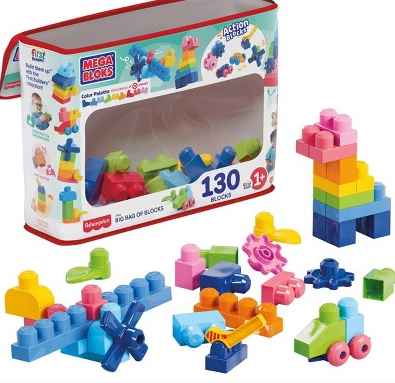
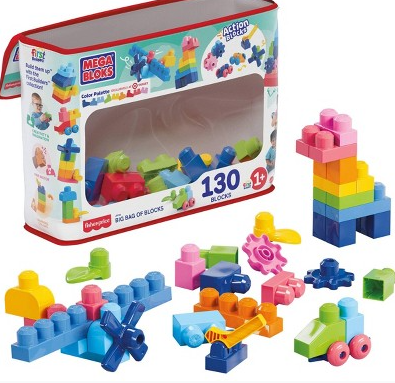
Piece size and set complexity should scale with age. For toddlers (ages 1–3), look for oversized, chunky blocks that are impossible to swallow and easy for small hands to grip. For early builders (ages 4–7), standard-size interlocking blocks for kids with simpler instructions and fewer than 200 pieces work best — enough to build something satisfying without causing frustration. Kids aged 8 and up can typically handle sets with 300+ pieces, smaller components, and multi-stage builds that take an afternoon rather than twenty minutes.
Ignore the age guideline on the box? You risk two outcomes: a toddler choking hazard, or a bored eight-year-old who finds a 50-piece truck set insulting to their intelligence.
Check Piece Size and Safety Certifications
Safety isn’t optional. Look for sets that are independently tested and certified — labels like ASTM F963 (US) or EN 71 (Europe) indicate the blocks have passed safety and material testing. Smaller pieces should always be clearly labeled for ages 6+ or older to avoid choking risks with younger siblings in the house.
Consider Compatibility
Here’s something a lot of parents don’t realize until they’re knee-deep in loose bricks: not every brand is interchangeable. Many interlocking building blocks on the market, including ModelBuilder’s sets, are designed to be fully compatible with major block ecosystems — meaning your child can mix new pieces with an existing collection instead of starting from scratch every time they get a new set. This matters if you’re trying to build a long-term collection without duplicating pieces or locking yourself into one brand forever.
Think About Theme and Interest
A dinosaur-obsessed 6-year-old is not going to light up over a generic house set. Match the theme to what your kid actually cares about — vehicles, animals, space, architecture — and you’ll get far more engagement than picking whatever’s on sale. ModelBuilder’s themed collections are built around exactly this idea, offering sets across different interest categories rather than a one-size-fits-all approach.
How to Set Up a Creative Building Space at Home
Even the best set won’t get used if your kid is building on a wobbly carpet with the dog two feet away. A dedicated space — even a small one — makes a bigger difference than most parents expect.
Start with a flat, stable surface. A card table, a corner of the dining table, or even a large tray on the floor works fine. The key is consistency; if the space changes every time, younger kids especially lose momentum between building sessions.
Storage matters just as much as the build surface. Clear bins sorted loosely by color or piece type save enormous amounts of time and frustration — nothing kills enthusiasm faster than spending fifteen minutes searching for one specific piece. For families building a growing collection, a simple drawer system or stackable bins keeps everything accessible without a parent having to manage it constantly.
Lighting is the detail people forget. Good overhead or desk lighting helps kids (and parents) spot small pieces and read instruction booklets without squinting. If your child builds at a desk already used for homework, keep the two activities visually separate — a dedicated bin or mat signals “this is build time,” which helps kids transition in and out of focused play.
Step-by-Step: How to Start a First Build with Your Child
If this is your family’s first time opening a block set together, a little structure goes a long way toward making it a positive experience rather than a chaotic one.
Step 1: Sort before you start. Dump the pieces and sort them loosely by color or size before diving into instructions. This single step prevents most of the frustration that comes with hunting for pieces mid-build.
Step 2: Read the instructions together. For younger kids, walk through the first few steps out loud. For older kids, let them take the lead and only step in when they’re stuck.
Step 3: Build in short sessions. Attention spans are real. A 20–30 minute session for younger kids is plenty; older kids may want to push through to a finished model in one sitting. Let your child set the pace.
Step 4: Celebrate the finish. Display the finished build somewhere visible — a shelf, a windowsill, a desk. This small act does more for long-term engagement than almost anything else; kids who see their work displayed are far more likely to ask to build again.
Step 5: Talk about what they built. Ask questions about design choices, what was hard, what they’d change. This reinforces the problem-solving skills blocks are so good at teaching in the first place.
How to Level Up: Techniques and Challenges for Growing Builders
Once your child has a few builds under their belt, the real fun starts — pushing past the instruction manual.
Encourage freeform building alongside guided sets. After finishing an official model, challenge your child to build something of their own using leftover pieces. This single habit is often the difference between a kid who treats blocks as a one-time activity and one who turns it into a genuine hobby.
Introduce timed challenges or themes — “build something that moves” or “build the tallest tower that doesn’t fall” — to keep things fresh. For families with more than one child, collaborative builds (one large structure, divided into sections) teach teamwork alongside the usual spatial skills.
As skills grow, step up to larger, more complex interlocking building blocks sets with higher piece counts and multi-part assembly. ModelBuilder’s custom brick sets are designed with this progression in mind, giving growing builders room to tackle more ambitious projects without needing to switch brands entirely.
How ModelBuilder Compares to Other Options on the Market
With so many brands competing for shelf space, it’s worth understanding where ModelBuilder actually stands out.
Price: ModelBuilder sets are typically priced below comparable big-name sets, which matters for families buying multiple sets across birthdays, holidays, and “just because” moments.
Compatibility: Pieces are designed to connect with major block ecosystems, so your existing collection isn’t wasted if you add ModelBuilder sets into the mix.
Variety: From themed collections to custom sets, the range covers a wider span of interests and age groups than many single-category competitors.
Educational focus: ModelBuilder runs interactive workshops designed around creativity and problem-solving, giving families an option beyond the box itself if they want a more structured building experience.
Compared to premium brands, ModelBuilder positions itself squarely as a practical, high-quality alternative — not a stripped-down budget option, but a genuine way to build a serious collection without the premium markup.
Where to Buy and What to Look For
Buying direct from a manufacturer’s website is usually the safest bet for authenticity and customer support. When shopping for interlocking blocks for kids, check for: clear age and safety labeling, piece-count and completion-time estimates, and reviews from other parents about durability and instruction clarity.
ModelBuilder’s full catalog is organized by theme and age range, making it easier to filter down to exactly what fits your child’s current stage — whether that’s a first starter set or a serious multi-hour build for an experienced young builder.
Frequently Asked Questions
What age should kids start with interlocking building blocks?
Most children can start with oversized, toddler-safe blocks as early as age 1. Standard-size interlocking sets are generally appropriate starting around age 4, once fine motor skills and attention span have developed enough to handle smaller pieces and simple instructions.
Are ModelBuilder sets compatible with other block brands?
Yes. ModelBuilder pieces are designed to connect with major block ecosystems, so kids can combine new sets with an existing collection rather than starting over.
How do I keep my child interested in building long-term?
Rotate between guided sets and freeform building, display finished projects, and introduce occasional challenges or themes. Kids stay engaged longer when building feels like their own project, not just a kit to assemble.
Are interlocking blocks actually good for child development?
Yes. They support fine motor skills, spatial reasoning, patience, and basic problem-solving — all foundational skills that carry over into classroom learning and everyday tasks.
What should I look for when buying a set for a first-time builder?
Prioritize lower piece counts, larger components, clear step-by-step instructions, and a theme that matches your child’s actual interests. A set that’s too complex too early is one of the most common reasons kids lose interest in building altogether.


