

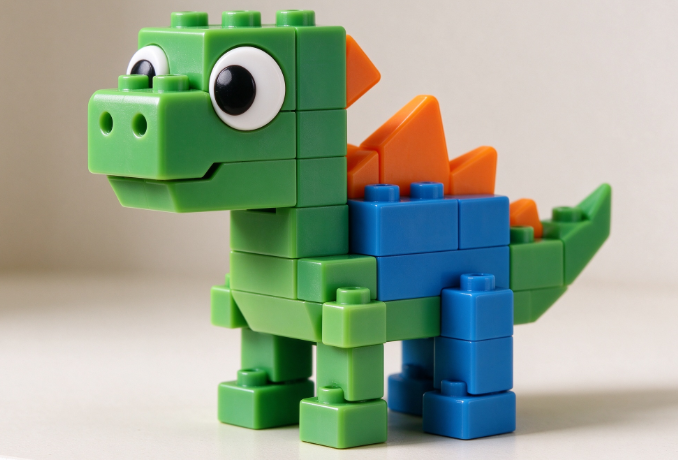
Building with bricks isn’t just playtime. It’s hand-eye coordination, problem-solving, and patience, built one click at a time. Parents across the US and Europe are rediscovering what generations already knew: plastic building blocks for kids do more for development than almost any other toy on the shelf.
This guide walks through exactly how to choose the right sets, set up a space that works, start your first build together, and grow the hobby as your child does. No fluff. Just what you need to get started today.
How to Choose the Right Plastic Building Blocks for Kids
Age and skill level come first. Younger kids (ages 3-5) need bigger pieces, simpler shapes, and fewer small parts that pose choking hazards. Older kids (ages 6-10) can handle smaller pieces, more complex instructions, and multi-step builds. Tweens and teens are ready for advanced sets with hundreds or thousands of pieces.
Here’s what to check before you buy:
- Piece size: Larger pieces for ages 3-5. Standard-size bricks work for age 6+.
- Set complexity: Look for a stated age range and piece count on the box.
- Build time: Shorter builds (under 30 minutes) suit younger attention spans. Longer builds suit kids who already love the hobby.
- Compatibility: Many plastic building bricks on the market today are cross-compatible with major brick systems, so your existing collection keeps growing instead of starting over.
ModelBuilder sets are organized by age and complexity, making it simple to find the right starting point for any child. Browse ModelBuilder’s full range to compare sets by theme, size, and skill level before you buy.
One tip that saves money long-term: start with a mid-size set rather than the biggest box available. Kids build confidence with smaller wins first. A 200-piece set finished start-to-finish teaches more than a 1,000-piece set abandoned halfway through.
How to Set Up the Perfect Building Space at Home
A dedicated building space turns a 20-minute activity into a running project kids return to for days. It doesn’t need to be a whole room — a corner of a playroom or a section of a kitchen table works fine, as long as it’s consistent.
Three things matter most:
- A flat, stable surface. A baseplate or large tray keeps builds from sliding and gives kids a defined workspace.
- Good lighting. Natural light or a desk lamp makes it easier to spot small pieces and read instructions.
- Storage within reach. Bins, drawers, or a sorting tray placed next to the build area cuts down on “I can’t find the piece” frustration.
Carpeted areas are tempting but tricky — pieces disappear into fibers and underfoot bricks hurt. A hard floor with a rug or mat underneath gives comfort without the hide-and-seek.
If your child is just starting out, keep the setup simple. A tray, a small bin, and a lamp are enough. You can always build up the space as the collection grows.
Step-by-Step: How to Start a First Build With Your Child
The first build sets the tone for everything after. Here’s how to make it count:
Step 1: Pick a set together. Letting your child choose — within an age-appropriate range — builds ownership over the project from the start.
Step 2: Sort before you start. Dump the pieces into a tray and sort by color or size. This single step cuts build frustration dramatically, especially for younger kids.
Step 3: Read the instructions as a team. Point out the step number, the pieces needed, and where they go. Let your child find the pieces while you confirm placement.
Step 4: Build in short sessions. Twenty to thirty minutes is plenty for a first session. Stopping before frustration sets in keeps the experience positive.
Step 5: Celebrate the finish. Display the completed build somewhere visible. A shelf, a windowsill, a desk — anywhere your child can see it and feel proud of it.
Step 6: Talk about what’s next. Ask what they’d build differently, or what set they want to try next. This is where the hobby starts to take root.
A first build should never feel like a test. It’s a shared project, not a solo assignment — and that’s exactly where the developmental value comes from.
How to Use Plastic Building Bricks to Support STEM Learning
Plastic building bricks are one of the simplest tools for introducing STEM concepts at home, no curriculum required.
- Engineering: Every build is a structural exercise. Kids learn why wide bases support tall towers and why certain connections hold weight better than others.
- Math: Counting pieces, following sequences, and understanding symmetry all happen naturally during a build.
- Spatial reasoning: Rotating pieces, picturing a 3D shape from a 2D diagram, and matching instructions to physical pieces all strengthen spatial skills.
- Problem-solving: Missing a piece or misreading a step forces kids to troubleshoot and adjust rather than give up.
To make the STEM connection explicit, ask questions while building: “Why do you think this piece goes here?” or “What happens if we build this wall wider?” Turning the activity into a conversation deepens the learning without turning it into a lesson.
For families looking to go further, themed engineering sets — bridges, vehicles, simple machines — give STEM learning a clear framework. Explore ModelBuilder’s themed collections built specifically around hands-on learning.
Tips for Organizing and Storing Building Bricks
A growing collection needs a system, or it turns into a floor hazard fast. Here’s what works for most families:
- Sort by type, not by set. Separate plates, specialty pieces, and standard bricks into labeled bins. This makes future builds faster since kids aren’t hunting through one giant box.
- Keep instructions together. A binder or folder with each set’s instructions, labeled by name, saves hours of searching later.
- Use stackable, clear bins. Clear storage lets kids see what’s inside without opening every container.
- Photograph finished builds before disassembly. If a build gets broken down for parts, a photo preserves the achievement and gives a reference for rebuilding later.
For larger collections, a dedicated storage cart with drawers works better than bins on a shelf. It keeps everything in one place and rolls out of the way when playtime’s over.
How to Grow the Hobby: From Starter Sets to Advanced Builds
Hobbies grow in stages. Here’s a general progression that works for most kids:
- Starter sets (ages 4-6): Simple builds, large pieces, 20-50 pieces per set.
- Themed sets (ages 6-9): Vehicles, buildings, and creatures with 100-300 pieces and more detail.
- Complex builds (ages 9-12): Multi-stage builds with 300-800 pieces, often with moving parts or mechanisms.
- Advanced sets (ages 12+): Large-scale models, detailed architecture, or display pieces with 800+ pieces.
Watch for signals that your child is ready to move up: finishing current sets quickly, asking for more complex builds, or starting to modify instructions and build original designs. That last signal is a big one — kids who start freelancing beyond the instructions are ready for open-ended sets that encourage custom builds.
Plastic building blocks for kids aren’t just a single-stage toy. The same core system can grow with a child from preschool through the teenage years, which is part of what makes the investment worthwhile over time.
For families ready to move beyond starter kits, see ModelBuilder’s full range of sets organized by complexity, from first builds to advanced display models.
Frequently Asked Questions
At what age should my child start with plastic building blocks?
Most kids can start around age 3 with larger-format pieces designed for small hands. Standard-size bricks typically suit kids age 6 and up, once fine motor skills and attention span have developed further.
Are plastic building bricks safe for young children?
Yes, as long as the set matches the recommended age range on the packaging. Sets for younger kids use larger pieces specifically designed to avoid choking hazards. Always check age labeling before buying for children under 6.
How many pieces should a first set have?
Somewhere between 20 and 100 pieces works well for a first build, depending on age. Smaller sets build confidence quickly, which matters more early on than piece count.
Can plastic building bricks really support STEM education?
Yes. Building naturally reinforces engineering concepts, spatial reasoning, basic math, and problem-solving. Many schools now use brick-building activities specifically for this reason.
Do I need to buy sets from the same brand to keep building?
Not necessarily. Many brick systems, including ModelBuilder’s sets, are designed to be compatible with standard-size bricks, so collections can grow without being locked into one brand.
Starting the hobby is the hardest part. Once the first build is finished and on display, most kids are already asking what’s next. Shop ModelBuilder’s sets and find the right starting point for your family today.


