
The Ultimate Guide to Building Block Gun Sets: Engineering, Design, and Collecting
The world of interlocking bricks has evolved significantly over the last decade. No longer restricted to simple primary-colored cubes, the industry now caters to sophisticated hobbyists seeking intricate engineering challenges. Among the most popular sub-sectors in this niche are building block gun sets. These models represent a fusion of mechanical engineering, historical appreciation, and artistic display. For many enthusiasts, brands like modelbuilder have become synonymous with quality, offering designs that push the boundaries of what is possible with plastic bricks.
Whether you are a seasoned veteran of building block sets or a newcomer looking for your first project, the appeal of a functional or semi-functional firearm model is undeniable. These kits provide a tactile experience that digital games simply cannot replicate. In this comprehensive guide, we will explore the technology behind these sets, the different types available, and why they have captured the imagination of builders across the United States and Europe.
The Evolution of Engineering in Brick Models
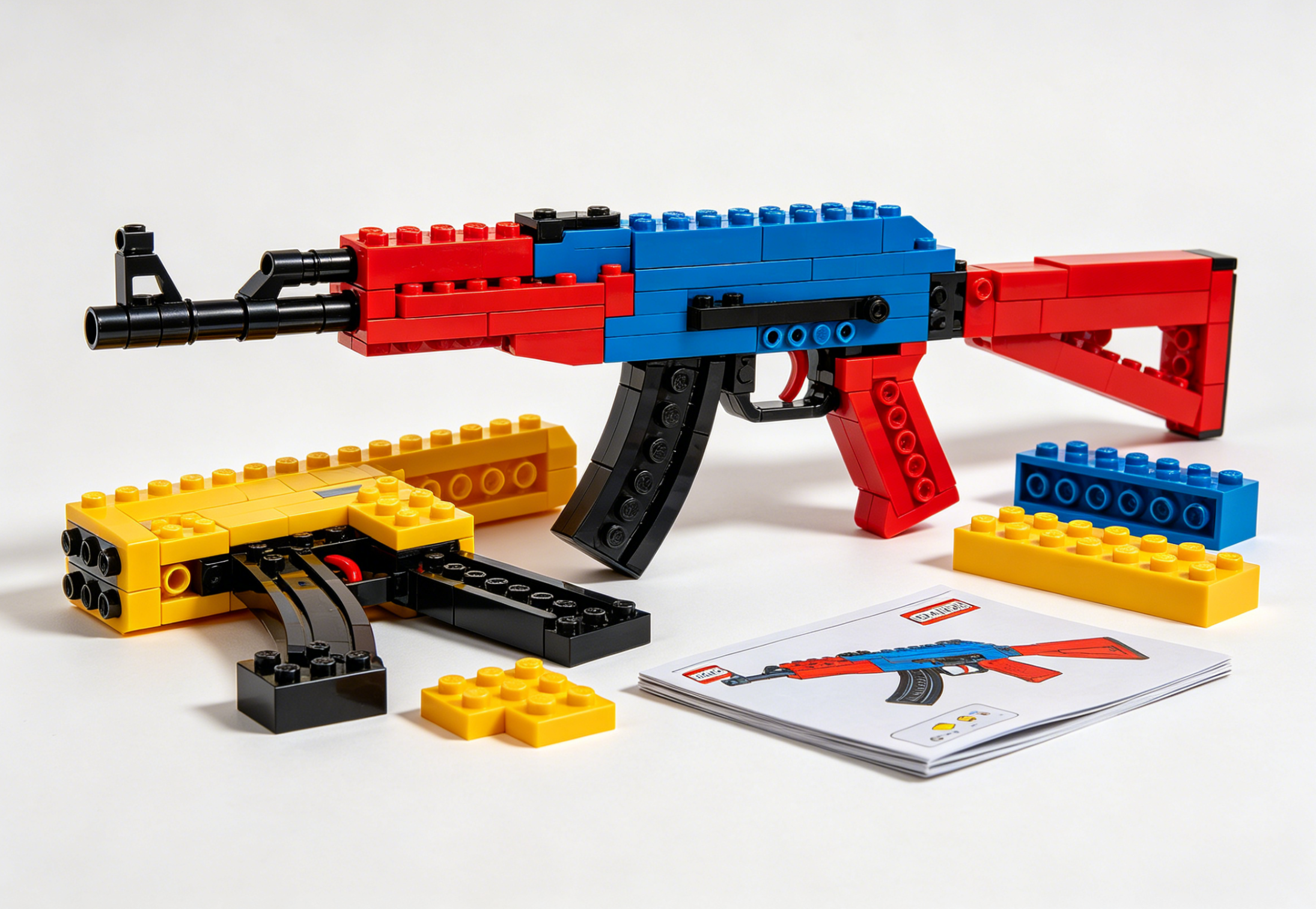
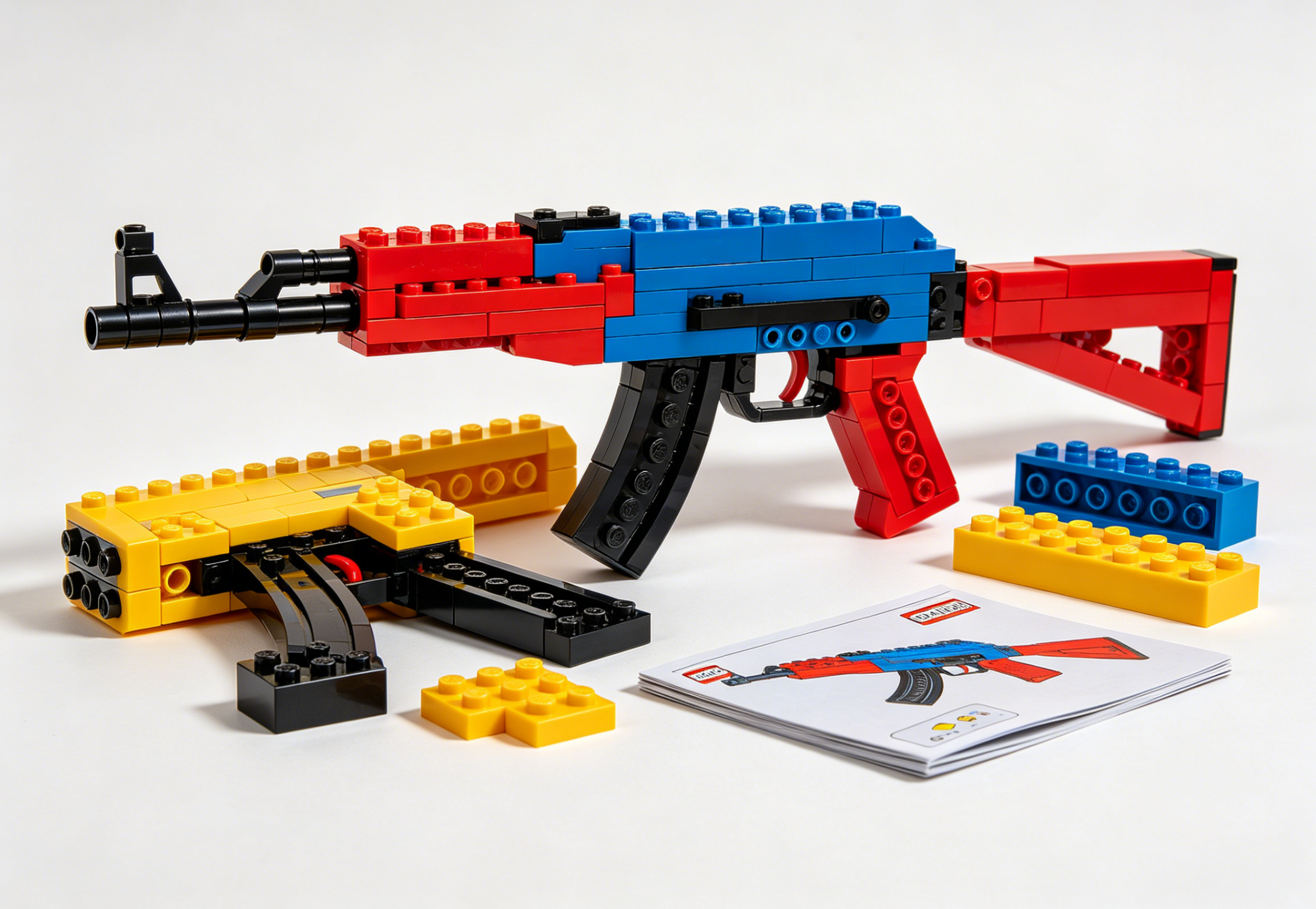
Modern building block gun sets are far more than static displays. They often incorporate complex internal mechanisms that mimic real-life actions. From working triggers and sliding bolts to removable magazines and even shell-ejection systems, the level of detail is staggering. This mechanical complexity is achieved through the use of specialized “technic” style parts—beams, gears, axles, and pins—that provide structural integrity and movement.
Designing these sets requires a deep understanding of physics and material limits. Builders often find that assembling the internal “firing” mechanism is the most rewarding part of the process. It offers a hands-on lesson in mechanical engineering, showing how energy can be stored in springs or rubber bands and released with a simple lever pull. For those who prefer a smaller scale, micro brick building sets also offer impressive detail, albeit without the functional internal components of their larger counterparts.
Functional vs. Static Displays
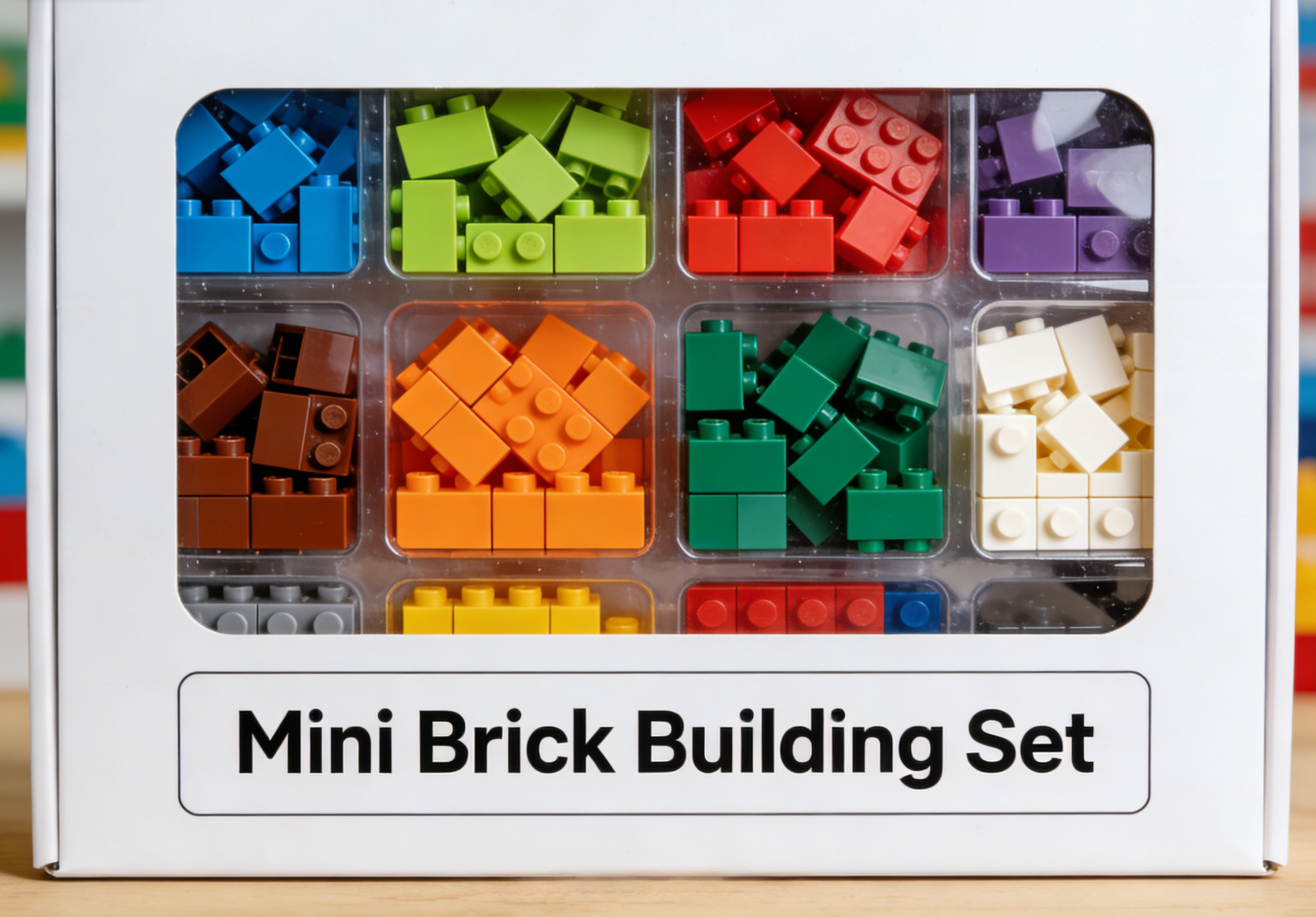
When choosing a kit, hobbyists generally decide between two categories: functional models and static replicas. Functional models focus on the “action”—the ability to pull the trigger and see parts move. These are often used for play or as mechanical demonstrations. On the other hand, static replicas focus heavily on aesthetics. These often utilize mini building block sets to achieve smoother curves and more realistic proportions, making them ideal for shelf display in a home office or man cave.
Why Collectors Love Brick Model Kits
The rise in popularity of brick model kits depicting firearms is driven by several factors. First is the sheer satisfaction of the build. Unlike a pre-assembled toy, a building block set requires focus, patience, and problem-solving. Completing a 2,000-piece rifle replica provides a sense of accomplishment that few other hobbies can match.
Second is the historical and technical appreciation. Many of these sets are based on iconic historical firearms, such as the 1911 pistol or the MP5 submachine gun. For history buffs, building these models allows them to study the proportions and design of famous weaponry safely. modelbuilder has consistently delivered sets that respect these historical designs while ensuring they remain accessible to the general public.
Architectural Precision in Small Scales
While most people think of buildings when they hear about architectural brick model kits, the same principles of precision and scale apply to firearm models. Every angle of the grip, the length of the barrel, and the placement of the iron sights must be calculated to ensure the final product looks “right.” This attention to detail is what separates a generic toy from a professional-grade collector’s item.
Choosing the Right Set for Your Skill Level
Not all building block gun sets are created equal. If you are buying a gift or starting a new hobby, it is essential to match the kit’s difficulty to the builder’s experience. A set with thousands of pieces and a functional gearbox might be overwhelming for a beginner. However, for an experienced builder, a simpler kit might not provide enough of a challenge.
- Beginner: Look for sets with under 800 pieces. These usually focus on pistols or small sub-models. They are great for learning the basics of brick connections and basic lever systems.
- Intermediate: These kits often fall in the 1,000 to 1,500 piece range. They may include features like a moving slide or a removable magazine.
- Advanced: These are the “heavy hitters” of the hobby. Often exceeding 2,500 pieces, these sets are essentially engineering projects. They might include full shell-ejection cycles and incredibly realistic textures.
For parents looking for something for their children, it is often better to look at the best building block sets for young kids, which focus more on imagination and durability than mechanical complexity. Safety and age-appropriateness should always be the priority when selecting a gift.
Displaying and Maintaining Your Collection
Once you have finished your build, the next challenge is display. Many high-end brick model house kits and gun sets come with custom display stands. These stands not only keep the model stable but also elevate it, making it a focal point of a room. Because these sets are made of ABS plastic, they are durable, but they should be kept out of direct sunlight to prevent color fading over time.
Dusting is another consideration. Because of the many nooks and crannies in a complex build, using compressed air or a soft makeup brush is the best way to keep your collection looking pristine. If you have built several model brick house kits alongside your firearm models, you can create a diverse display shelf that showcases various aspects of the brick-building hobby.
Seasonal and Thematic Building
The hobby doesn’t have to be limited to realistic replicas. Many builders enjoy seasonal sets to break up the complexity of their main projects. For instance, during the holidays, many collectors pivot to christmas building block sets or even whimsical kits like the grinch brick building sets. These provide a fun, colorful contrast to the industrial aesthetic of firearm models and are a great way to involve the whole family in the building process.
However, for the dedicated enthusiast, the pull of the next high-tech build is always there. The community surrounding these sets is vibrant, with many builders sharing “MOCs” (My Own Creations) online. This culture of sharing and modification is at the heart of what makes modelbuilder products so popular—they serve as a foundation for even greater creativity.
Safety and Ethics in the Hobby
It is important to address the nature of these models. In the US and Europe, building block gun sets are recognized as hobbyist items. However, responsibility is key. Because these models can look quite realistic from a distance, they should never be taken into public spaces. They are intended for indoor display and private enjoyment. Responsible enthusiasts understand that the joy of the hobby lies in the assembly and the engineering, not in the imitation of real-world violence.
Manufacturers take great care to ensure these kits are clearly distinguishable as toys upon close inspection. Most use slightly different proportions or include orange tips on the barrels to comply with safety regulations. As a builder, maintaining this distinction helps protect the hobby for everyone.
Conclusion
The world of building block gun sets offers a unique intersection of mechanical challenge and aesthetic beauty. From the initial sorting of thousands of pieces to the final click of the trigger mechanism, the process is deeply rewarding. Whether you are interested in the historical accuracy of brick model kits or the intricate details of modern designs, there is a set out there for every level of interest.
As brands like modelbuilder continue to innovate, we can expect even more realistic and complex kits to hit the market. By following safety guidelines and choosing kits that match your skill level, you can enjoy this fascinating hobby for years to come. Whether it’s a cold winter evening spent with christmas building block sets or a focused weekend working on a high-fidelity rifle replica, the joy of building remains a timeless pursuit for adults and kids alike.
Frequently Asked Questions (FAQ)
Are building block gun sets legal in the US and Europe?
Yes, these sets are legal as they are plastic building toys. They do not have the capability to fire real ammunition and are considered hobbyist items. However, you should never carry them in public as they can be mistaken for real firearms by law enforcement or the public.
Do these sets actually fire projectiles?
Some models are designed to “fire” plastic bricks or specialized rounds using rubber bands or spring tension. These are low-velocity and designed for indoor play, similar to a nerf toy. Always check the product description to see if a specific kit is functional or static.
What is the best way to clean a finished model?
The best way to clean your models is using a soft-bristled brush (like a large makeup brush) to remove dust from small crevices. For deeper cleaning, compressed air cans used for electronics work very well without risking the structural integrity of the build.
How do I know if a set is too difficult for me?
Check the recommended age and the piece count. Sets with over 1,500 pieces that involve “Technic” style parts (gears and axles) are generally considered advanced. If you are new, start with a 500-800 piece pistol kit to learn the specific building techniques used in these models.