
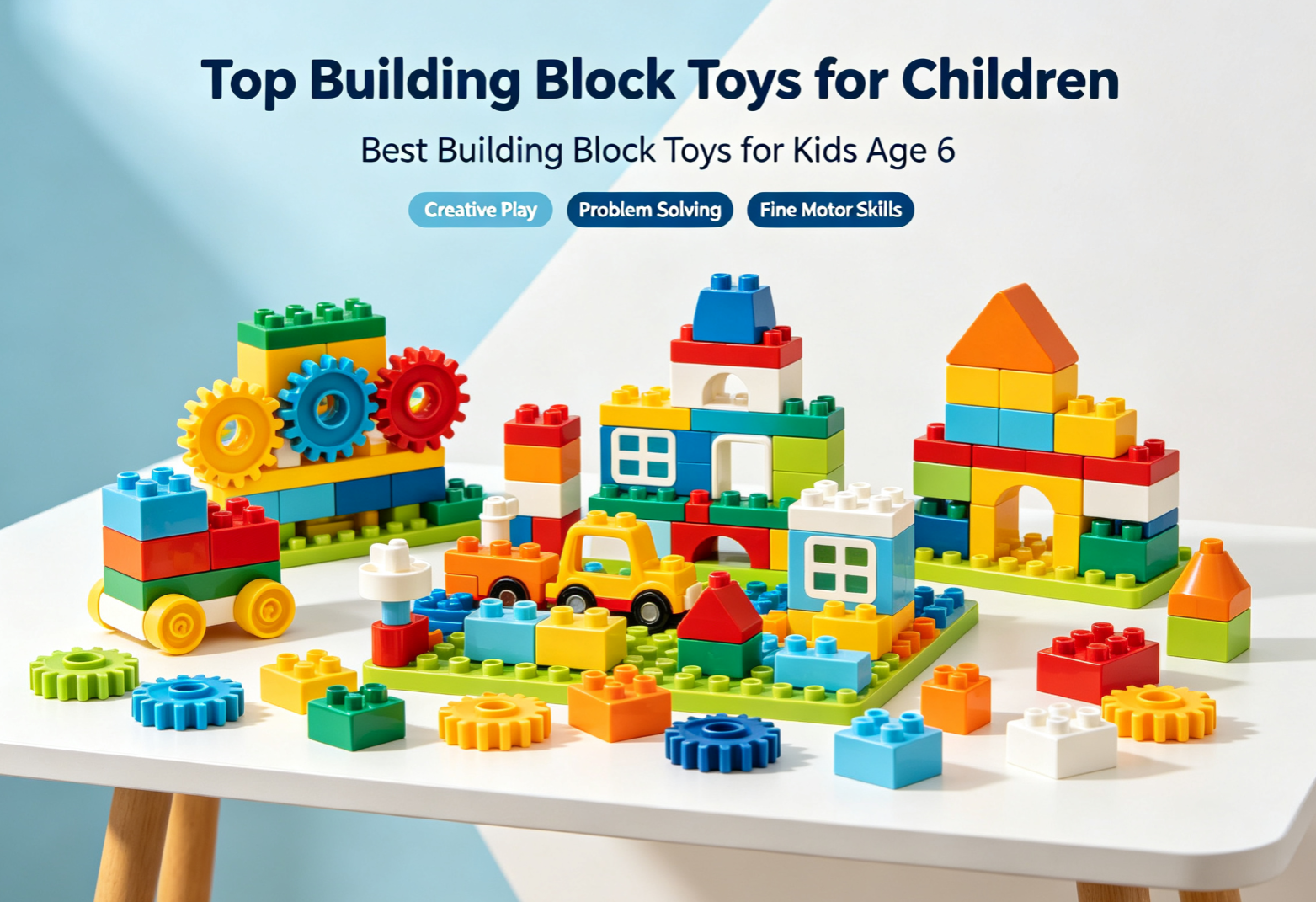
TL;DR: The best building block toys for kids above six combine age-appropriate piece counts, progressive difficulty, and open-ended design. Look for block building toys for kids with 200+ pieces and instruction booklets that scale in complexity, and consider magnetic fun building block toys for children for kids who want faster, tool-free assembly. ModelBuilder offers both styles, giving parents flexibility as their child’s skills grow.
Kids over six are at a turning point. They’ve outgrown chunky, oversized bricks, but they’re not quite ready for engineering-grade sets with a thousand tiny pieces. This is the age where building blocks stop being a distraction and start becoming a genuine skill-builder — teaching spatial reasoning, patience, and problem-solving in a way that screens simply can’t replicate.
The challenge for parents is picking the right toy for this in-between stage. Buy something too simple, and your child loses interest within a week. Buy something too advanced, and frustration sets in before the first wall is even built. This guide walks through how to identify the right fit, how to introduce magnetic building sets alongside traditional bricks, and how to set up a home environment that keeps kids building long after the first project is finished.
How to Identify the Right Block Building Toys for Your Child’s Age and Skill Level
Not all block building toys for kids are created equal, and age recommendations on the box only tell part of the story. Two seven-year-olds can have wildly different fine motor skills and attention spans, so it helps to look past the age label and check three things instead.
Piece count and complexity. For kids just past six, sets with 150 to 300 pieces tend to hit the sweet spot — enough to build something substantial, but not so many that the project drags on for hours. As confidence builds, sets in the 400 to 600 range introduce more advanced techniques like layered construction and moving parts.
Instruction clarity. A good set teaches as it goes. Look for step-by-step diagrams that build in logical stages, rather than dumping dozens of pieces onto a single page. This keeps kids engaged and reduces the “I’m stuck” moments that lead to abandoned projects.
Theme relevance. A child who loves dinosaurs will stick with a dinosaur-themed build far longer than a generic castle kit. Matching the toy to existing interests — vehicles, animals, space, architecture — increases the odds it gets played with again and again, not shelved after one use.
If your child has already worked through a few basic sets, it’s worth checking out ModelBuilder’s building sets for options that step up in difficulty without overwhelming a developing builder.
How to Introduce Magnetic Fun Building Block Toys for Children Into Playtime
Magnetic fun building block toys for children are a different category entirely, and they’re worth introducing alongside traditional bricks rather than instead of them. Where standard blocks snap together with pressure, magnetic pieces connect instantly — no force, no precision alignment, no risk of a piece popping off mid-build.
This makes magnetic sets a great entry point for kids who get frustrated with tighter-fitting bricks, or for rainy afternoons when you want a quick, low-mess building session. They’re also excellent for 3D geometry — kids naturally start experimenting with shapes, angles, and structures because the pieces move and reconnect so easily.
A simple way to introduce them: start with a small magnetic set for open-ended play (no instructions, just exploration), then move to a themed magnetic kit once your child understands how the pieces connect. Many families find that magnetic blocks work well as a “cool-down” toy — something to reach for after a longer brick-based project, since the payoff is quicker and the mental load is lower.
Step-by-Step: How to Set Up an Engaging Building Environment at Home
A dedicated building space makes a bigger difference than most parents expect. Kids over six are capable of longer, more focused play sessions, but only if the setup supports it.
- Pick a flat, stable surface. A dedicated table or large tray keeps builds from shifting and gives your child room to spread out pieces without losing track of them.
- Sort pieces by type or color. Small bins or divided trays cut down on frustrating searches for that one specific piece, which is often where younger builders lose patience.
- Keep instructions visible. A stand or clipboard holding the instruction booklet at eye level means fewer interruptions and less searching for the right page.
- Store unfinished builds safely. A shelf or designated corner for in-progress projects prevents accidental knock-overs and lets kids return to a build across multiple days.
- Add good lighting. Bright, even lighting helps with color matching and reduces eye strain during longer sessions.
None of this needs to be elaborate. A cleared corner of a playroom with a labeled bin system is often enough to turn scattered, five-minute play into focused, thirty-minute building sessions.
How to Progress from Simple Builds to Complex Projects
Skill progression works best when it’s gradual and self-directed. Pushing a child straight from a 100-piece starter set to an 800-piece advanced build almost always backfires.
A more effective approach follows a loose ladder:
- Stage 1 — Guided builds. Simple sets with clear, sequential instructions. The goal here is confidence, not challenge.
- Stage 2 — Themed intermediate sets. Slightly larger builds (300–500 pieces) that introduce new techniques, like hinges, gears, or layered walls.
- Stage 3 — Open-ended and custom builds. Once your child understands core techniques, encourage them to modify instructions or combine sets to create original designs.
- Stage 4 — Advanced or large-scale projects. Multi-day builds with 600+ pieces, ideal for kids who’ve shown sustained interest and patience with earlier stages.
Watch for signs of readiness rather than sticking to a rigid timeline. A child who starts modifying instructions on their own, or asking for bigger sets, is signaling they’re ready for the next stage.
How to Choose the Best Building Block Toys for Kids Above Six (Key Criteria)
When narrowing down options, a few criteria consistently separate a toy that gets played with for years from one that gets forgotten in a closet.
Material quality. Pieces should connect snugly without being so tight that little hands struggle. Cheap plastic warps, cracks, or fades — none of which encourage repeat play.
Compatibility. Sets that work with pieces your child already owns extend the life of every previous purchase and make new sets feel like an expansion rather than a fresh start.
Design variety. Vehicles, buildings, creatures, and mechanical builds each teach different skills. A toy library that spans multiple design types keeps interest higher over time than a single narrow theme.
Value per piece. More pieces per dollar generally means more building time and more replay value, especially for kids who like to disassemble and rebuild.
Safety certifications. Choking hazard warnings and age grading exist for good reason. Always match the certification to your child’s actual age and behavior, not just their stated interests.
These criteria apply whether you’re shopping for block building toys for kids in a traditional brick style or exploring magnetic fun building block toys for children as a lower-friction alternative.
ModelBuilder: A Smart LEGO Alternative Worth Considering
ModelBuilder positions itself as a practical alternative for families looking for the best building block toys for kids above six without the premium pricing that often comes with big-name brands. The company’s custom brick sets are designed specifically around age and skill preferences, rather than offering a one-size-fits-all product line.
What stands out about ModelBuilder’s approach is the range across the skill ladder described above — themed collections for kids working through intermediate builds, and more detailed sets for children ready to move into complex, multi-stage projects. The brand also runs educational workshops aimed at reinforcing the problem-solving and spatial reasoning skills that come naturally through building play.
For parents comparing options, it’s worth browsing ModelBuilder’s full catalog to see how sets are organized by complexity and theme — a detail that makes it easier to match a purchase to where your child currently sits on the skill ladder, rather than guessing based on age alone.
Tips for Parents: Making the Most of Block Play
A few small habits go a long way toward keeping building blocks part of a child’s regular routine rather than a passing phase.
- Build alongside your child occasionally, especially for their first attempt at a new skill level. It models patience and problem-solving without taking over the process.
- Resist finishing a stuck build for them. Offer hints instead of solutions — this is where most of the actual learning happens.
- Rotate sets in and out of storage. Kids often “rediscover” a toy that’s been out of sight for a few weeks, extending its lifespan significantly.
- Celebrate finished builds visibly. A shelf display or photo of completed projects reinforces a sense of accomplishment and encourages the next build.
- Mix build styles. Alternating between traditional bricks and magnetic sets keeps engagement high and exposes kids to different types of spatial reasoning.
Building block play works best as an ongoing habit, not a one-time gift. The right set, paired with a supportive environment, can turn a few minutes of daily play into a genuine long-term interest.
Frequently Asked Questions
What age range is best for standard building block sets versus magnetic sets?
Standard block building toys for kids typically suit ages six and up once fine motor skills are developed enough for tighter connections. Magnetic building sets work well for the same age range but are especially useful for younger or less experienced builders who benefit from easier, tool-free assembly.
How many pieces should a building set have for a seven- or eight-year-old?
Most seven- to eight-year-olds do well with sets in the 200 to 400 piece range. This provides enough complexity to hold attention without overwhelming a child who’s still building foundational skills.
Are magnetic building blocks as durable as traditional plastic bricks?
Quality magnetic sets are built with reinforced casings around the magnets, making them comparably durable to standard bricks under normal play conditions. Drops and rough handling can affect magnet strength over time, so proper storage matters for both types.
Can building blocks help with skills like math or engineering?
Yes. Building block play reinforces spatial reasoning, basic geometry, and sequential problem-solving — skills that translate directly to STEM subjects. Kids who regularly build also tend to develop stronger patience and planning habits.
Is ModelBuilder compatible with other building brick brands?
ModelBuilder’s sets are designed to work well within its own building system and are a practical option for families expanding an existing collection of compatible-style bricks. Checking specific set compatibility before combining brands is always recommended.