
The Ultimate Guide to Choosing Building Block Sets for Toddlers
In the magical world of childhood, few toys hold the enduring appeal and developmental benefits of building blocks. For toddlers, these simple yet versatile tools are much more than just playthings; they are foundational instruments for learning, exploration, and growth. As parents and caregivers, selecting the right building block sets for toddlers can significantly impact their early developmental journey, fostering crucial skills that will serve them for years to come. From sparking creativity to honing motor skills, the benefits are immense and far-reaching. At modelbuilder, we understand the importance of quality, safety, and engagement when it comes to early childhood play, and this guide aims to equip you with all the knowledge needed to make an informed choice for your little one.
Why Building Block Sets for Toddlers Are Essential for Development
The journey of toddlerhood is marked by rapid growth and an insatiable curiosity about the world. During this period, every interaction, every toy, and every moment of play contributes to their development. Building block sets for toddlers stand out as one of the most effective and holistic play items, offering a wealth of educational advantages wrapped in pure fun.
Fostering Fine Motor Skills
One of the most immediate benefits of playing with blocks is the enhancement of fine motor skills. As toddlers grasp, lift, place, and stack blocks, they are constantly refining the small muscles in their hands and wrists. This dexterity is crucial for tasks like holding a crayon, using scissors, and eventually writing. The act of carefully aligning one block atop another requires precision and control, progressively strengthening their hand-eye coordination.
Enhancing Cognitive Abilities
Building with blocks is inherently a cognitive exercise. Toddlers learn about cause and effect when a tower tumbles, and they begin to understand basic physics and engineering principles intuitively. They experiment with balance, symmetry, and stability. This process encourages critical thinking and problem-solving. Furthermore, blocks can introduce early mathematical concepts such as size comparison, counting, and pattern recognition, laying a vital groundwork for future academic success.
Sparking Creativity and Imagination
Unlike toys with a single, predetermined function, building blocks are open-ended. They provide a blank canvas for a toddler’s boundless imagination. A stack of blocks can become a towering castle, a fast train, a cozy house for dolls, or an abstract sculpture. This freedom to create fosters imaginative play, encouraging children to think outside the box and express their unique ideas. Exploring different types of
brick building sets can further diversify these creative outlets.
Promoting Problem-Solving Skills
Building a stable structure requires planning and foresight. Toddlers encounter challenges like a leaning tower or a collapsing wall and must figure out why it happened and how to fix it. This iterative process of trial and error is fundamental to developing problem-solving skills. They learn to adapt, strategize, and persevere, turning perceived failures into learning opportunities.
Encouraging Social and Emotional Growth
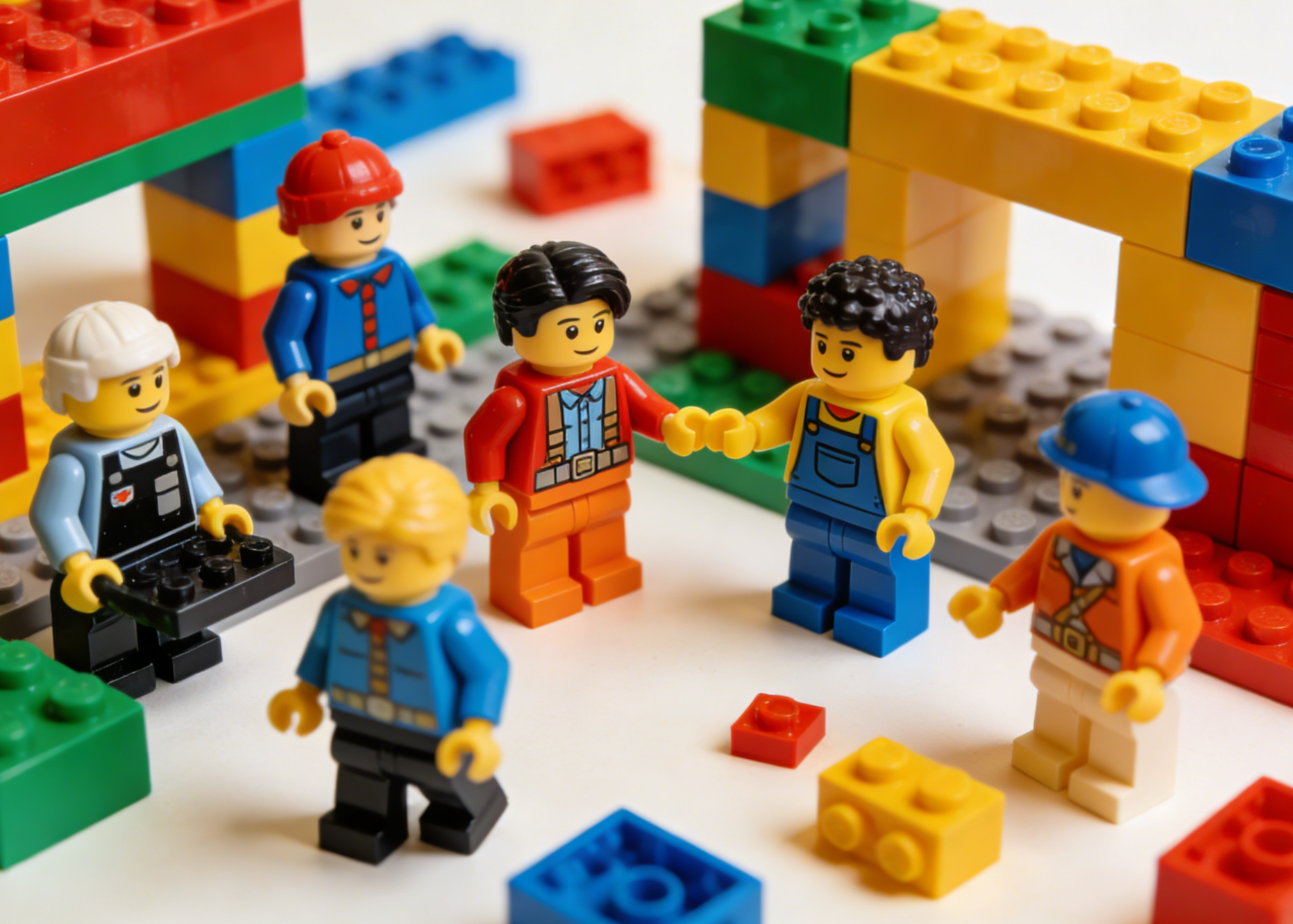
While often seen as a solo activity, playing with blocks can also be a social experience. When toddlers play together, they learn to share, take turns, and cooperate towards a common goal. They might negotiate who gets the red block or work together to build a grand structure. This interaction helps develop empathy, communication skills, and the ability to navigate social dynamics. Even parallel play, where children play alongside each other without direct interaction, can foster a sense of community and shared experience.
Key Factors When Selecting Toddler Building Blocks
With a myriad of options available, choosing the perfect building block sets for toddlers can feel daunting. However, focusing on a few key factors can simplify the process and ensure you select blocks that are safe, engaging, and developmentally appropriate.
Safety First: Materials and Size
Safety is paramount for any toy intended for toddlers. Blocks should be made from non-toxic materials, free from BPA, phthalates, and lead. For younger toddlers (12-24 months), opt for larger blocks that cannot be swallowed, eliminating choking hazards. Ensure there are no sharp edges or splinters, and that the blocks are durable enough to withstand chewing and rough play without breaking into small pieces. Always look for safety certifications like CE (for Europe) or ASTM (for the US).
Age Appropriateness and Developmental Stages
Consider your toddler’s current developmental stage. For early toddlers, large, easy-to-grasp blocks are ideal for simple stacking and knocking down. As they grow (2-3 years), they can handle slightly smaller blocks and begin to engage in more complex building, following simple instructions, or replicating structures. Some children might even enjoy mini brick building sets as their fine motor skills advance, though larger sets are usually preferred for the toddler age group.
Durability and Longevity
Toddlers are notoriously tough on their toys. Look for blocks made from robust materials that can withstand repeated play, drops, and even occasional throws. High-quality blocks will last longer, ensuring continued enjoyment and providing excellent value for money. Investing in durable blocks means they can be passed down or reused, making them a sustainable choice.
Ease of Use and Grip
Blocks for toddlers should be easy for small hands to grasp, manipulate, and connect. Smooth surfaces, lightweight designs, and simple interlocking mechanisms (if applicable) are beneficial. Oversized knobs or magnetic connections can be particularly helpful for little ones who are still perfecting their motor control, such as those found in many magnetic building block sets.
Variety and Expandability
While a basic set is a great start, consider sets that offer variety in shapes, sizes, and colors. This encourages more creative play and introduces concepts like sorting and classification. Expandable sets are also a wise investment, allowing you to add more blocks as your child’s skills and interests grow. This ensures the blocks remain challenging and engaging over time.
Types of Building Block Sets for Toddlers
The market offers a diverse range of building block sets for toddlers, each with unique characteristics and benefits. Understanding these types can help you choose the best fit for your child’s needs and preferences.
Large Plastic Blocks (e.g., Duplo-style)
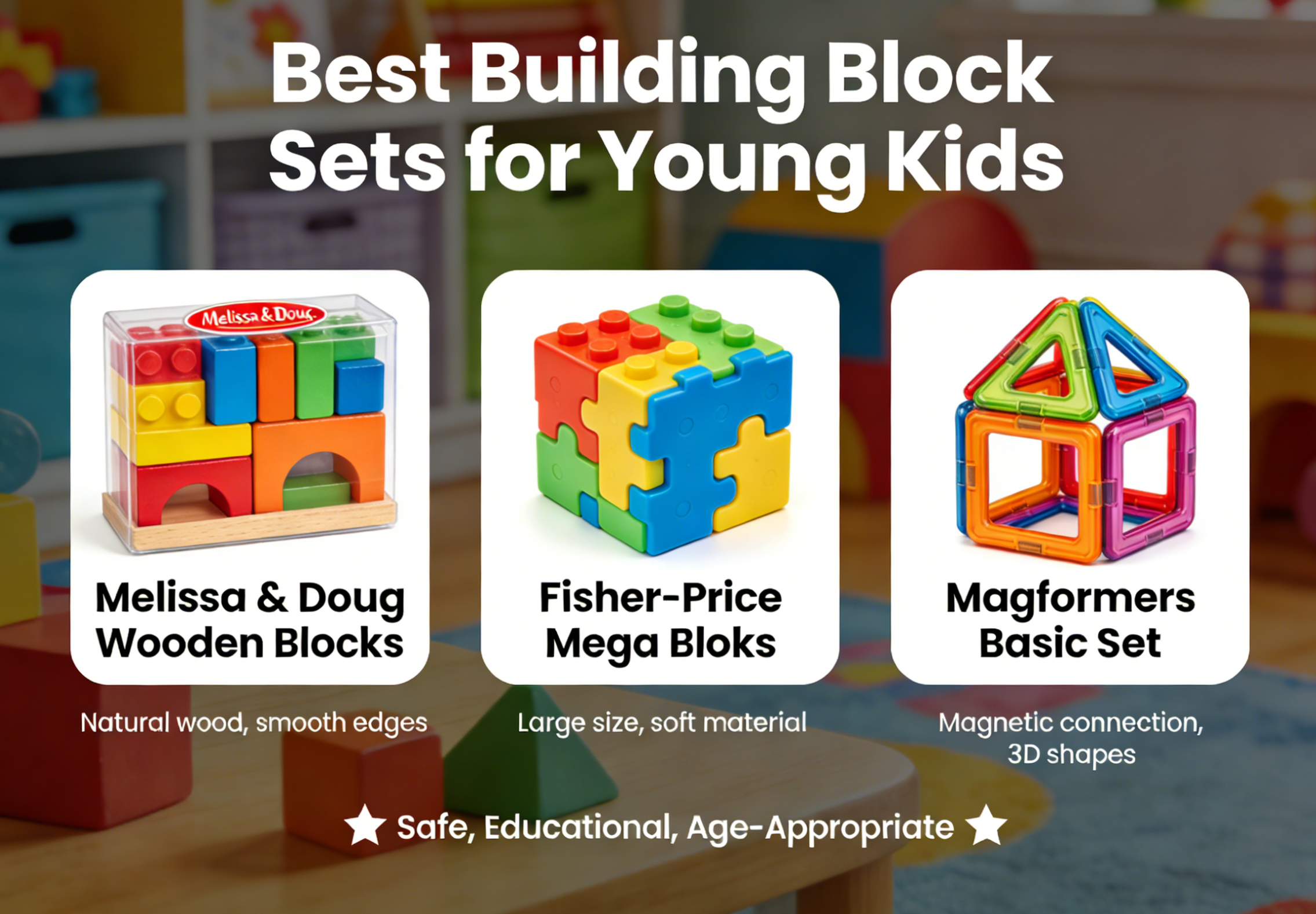
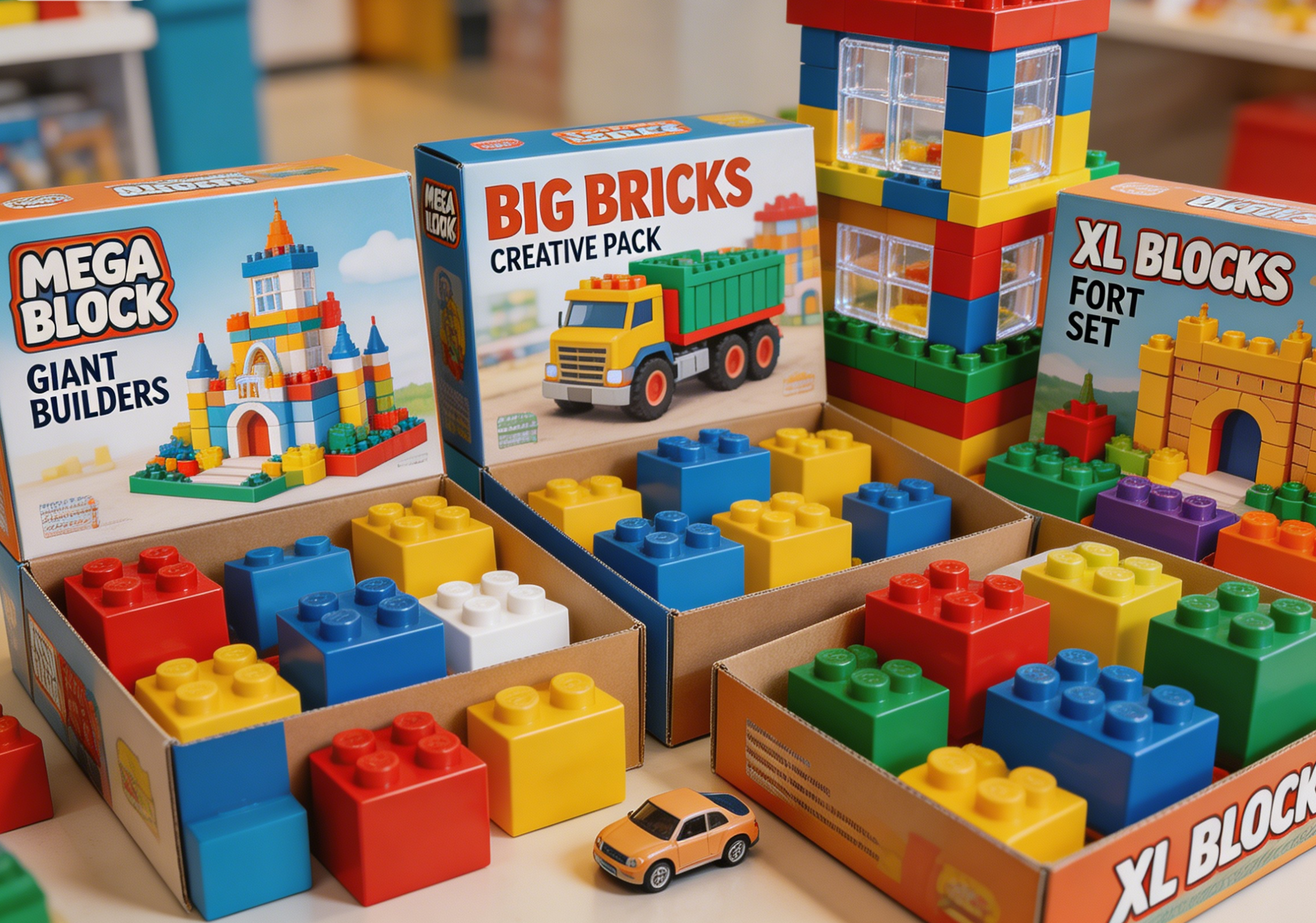
These are arguably the most popular choice for toddlers. Characterized by their large size, vibrant colors, and easy-to-connect studs, large plastic blocks are perfect for developing early stacking skills. They are durable, easy to clean, and come in various themed sets, often including figures and vehicle parts. Lego building block sets, specifically their Duplo line, are a prime example of this type, offering endless possibilities for creative construction.
Wooden Blocks
Classic and timeless, wooden blocks offer a sensory experience with their natural feel and weight. They come in various shapes and sizes, from simple cubes and cylinders to arches and triangles. Wooden blocks promote understanding of balance and gravity without interlocking parts, relying purely on spatial reasoning. They are incredibly durable and often made from sustainably sourced wood, appealing to eco-conscious parents. While not interlocking, their open-ended nature sparks immense creativity.
Soft Blocks
Ideal for the youngest toddlers or those who are still a bit wobbly, soft blocks are lightweight, squeezable, and safe for throwing or accidental tumbles. Made from foam or fabric, they are gentle on little heads and hands, making them perfect for infants learning to grasp and stack. They often feature various textures, sounds (like crinkles or rattles), and colors, adding a sensory dimension to play.
Magnetic Blocks
Magnetic blocks offer a unique building experience, allowing structures to snap together with ease. These are particularly good for toddlers who might struggle with the dexterity required for interlocking plastic blocks. They often come in geometric shapes and can be used to build both 2D patterns and 3D structures, introducing concepts of magnetism and geometry. Many magnetic building block sets are designed with large, encased magnets for safety.
Basic Brick Building Sets
While some specialized sets like car building block sets or military brick building sets are tailored for older children, basic brick building sets with larger, simpler bricks can also be introduced to older toddlers. These sets focus on fundamental construction principles and allow for more detailed creations as fine motor skills develop. Brands like modelbuilder offer a range of such options, ensuring there’s something for every developmental stage.
Engaging Toddlers with Building Blocks
Providing the right blocks is just the first step. The way you engage with your toddler during playtime can significantly amplify the developmental benefits of building block sets for toddlers. Here are some strategies to encourage enriched play experiences:
Start Simple and Build Up
Don’t expect your toddler to construct elaborate castles right away. Begin with simple activities like stacking two blocks, then three, and celebrating every small success. Gradually introduce more complex challenges as their skills improve. The goal is to build confidence and enjoyment, not frustration.
Play Together: The Power of Interaction
Join in the fun! Sit on the floor with your toddler and build alongside them. You can model different building techniques, ask open-ended questions (“What are we building today?”), and describe what you’re doing (“I’m putting the red block on top of the blue one”). This interaction fosters language development, social skills, and strengthens your bond.
Encourage Open-Ended Play
Resist the urge to dictate what your toddler should build. Instead, provide a variety of blocks and let their imagination lead the way. There’s no right or wrong way to play with blocks. Offer gentle suggestions or ideas, but always allow them the freedom to explore and create their own designs. This could be as simple as constructing brick building figures & sets or a fantastical new creature.
Storytelling and Role-Playing
Integrate storytelling into block play. Build a “house” for their favorite toy animal, or a “garage” for their toy cars. Ask them what’s happening in their block world. This encourages narrative skills, imaginative play, and helps them connect their block creations to real-world scenarios. This can be especially fun with themed sets.
Integrating Other Toys
Blocks don’t have to be played with in isolation. Combine them with other toys like small action figures, cars, or animal figurines. Blocks can become roads, fences, furniture, or shelters, creating an even richer and more immersive play environment. This teaches children how different toys can complement each other.
Maintenance and Storage of Toddler Building Blocks
Proper care and organization ensure that your building block sets for toddlers remain safe, clean, and accessible for years of enjoyment. Good maintenance habits also teach toddlers about responsibility and tidiness.
Cleaning Your Blocks
Toddler toys inevitably get sticky, dirty, and sometimes even a bit germy. Most plastic blocks can be easily cleaned with warm soapy water and air-dried. For a deeper clean, some plastic blocks can be placed in a mesh laundry bag and run through a gentle cycle in the washing machine. Wooden blocks should be wiped down with a damp cloth and mild, non-toxic soap, then thoroughly air-dried to prevent warping or mold. Always consult the manufacturer’s instructions for specific cleaning guidelines. For a comprehensive guide, check out resources on how to clean and maintain building block sets?
Smart Storage Solutions
Keeping blocks organized is key to easy access and preventing lost pieces. Consider storage bins, baskets, or large bags that are easy for toddlers to open and close. Labeling bins with pictures can help younger children learn where everything goes, promoting independence and tidiness. A designated “block area” can also encourage regular play and easy clean-up. For families with a growing collection, modular storage systems are ideal, especially for specialized items like best building block sets for adults once the toddlers outgrow their initial sets.
Conclusion
Choosing the right building block sets for toddlers is an investment in their foundational development. From enhancing fine motor skills and cognitive abilities to sparking creativity and fostering social-emotional growth, the benefits of block play are undeniable. By prioritizing safety, age-appropriateness, and durability, and by understanding the different types of blocks available, you can select sets that will provide countless hours of engaging and educational play. Encourage open-ended exploration, join in the fun, and watch as your little one builds not just structures, but also crucial life skills. At modelbuilder, we are committed to providing high-quality, inspiring building experiences for all ages, starting with the earliest builders. Invest in quality blocks, and you’re investing in your toddler’s bright future.
Frequently Asked Questions (FAQ)
What age are building blocks suitable for toddlers?
Building blocks are generally suitable for toddlers aged 12 months and older, with larger, simpler blocks recommended for younger toddlers to ensure safety and ease of use. As they grow, you can introduce smaller, more complex sets.
How do building block sets benefit toddler development?
Building block sets significantly benefit toddlers by enhancing fine motor skills, hand-eye coordination, cognitive abilities, spatial reasoning, problem-solving, creativity, and imaginative play. They also help with early math concepts like sorting and stacking.
What safety features should I look for in toddler building blocks?
Prioritize blocks made from non-toxic, child-safe materials. Ensure there are no small parts that could pose a choking hazard. Blocks should be free of sharp edges, splinters, or easily breakable components. Look for certifications like CE or ASTM for peace of mind.
How do I clean and maintain my toddler’s building blocks?
Most plastic blocks can be washed with warm soapy water or put in a mesh bag on a gentle cycle in the washing machine. Wooden blocks should be wiped clean with a damp cloth and mild soap, then air-dried. Always check manufacturer instructions for specific cleaning guidelines. For more detailed tips, you can refer to resources on how to clean and maintain building block sets?
Can building blocks help with my toddler’s social skills?
Absolutely! When toddlers play with blocks alongside others, they engage in parallel play, cooperation, sharing, and communication. This fosters early social skills, teaches turn-taking, and helps them understand others’ perspectives, even if they’re just building towers next to each other.