

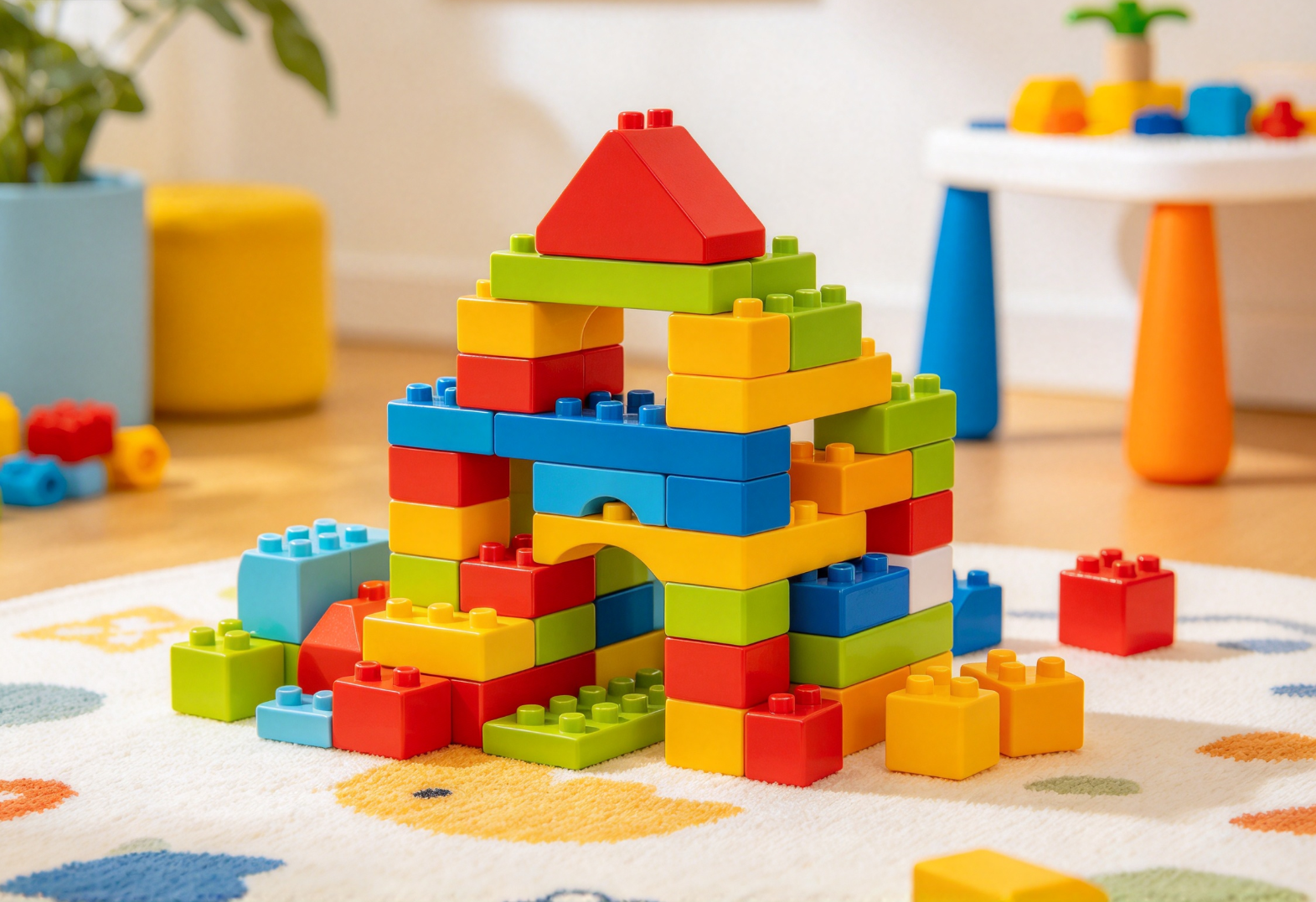
Quick answer: Building blocks for kids offer the same creative, hands-on play as name-brand bricks, often at a lower cost and with unique themes not found elsewhere. Choosing the right set means matching piece size and complexity to your child’s age, checking for compatibility with existing collections, and prioritizing safety-tested materials. ModelBuilder is one option worth exploring for families seeking quality alternatives.
Why Consider a LEGO Alternative?
Every parent knows the sound: that satisfying click of two bricks snapping together. It’s the sound of concentration, patience, and a little bit of engineering magic happening in your living room. But name-brand bricks come with a name-brand price tag, and that adds up fast when you’ve got more than one kid building more than one thing.
That’s where alternatives come in. Kids building blocks from other manufacturers have closed the gap in quality, design, and piece compatibility over the past decade. Many are compatible with existing brick collections, which means your child’s dinosaur skeleton can share parts with their spaceship. Others come with themes and licenses you simply won’t find on a traditional shelf.
This guide walks through what to look for, how to set up a space that makes building enjoyable, and how to turn playtime into a learning opportunity your child won’t even notice is happening.
What Are Building Blocks for Kids?
Building blocks for kids are interlocking plastic (or occasionally wood or foam) pieces designed to be assembled into structures, vehicles, characters, and scenes. Most modern sets use a stud-and-tube connection system, the same basic mechanism popularized decades ago, which is why so many brands today are cross-compatible.
Sets typically fall into a few categories:
- Basic brick sets – open-ended pieces for freeform building
- Themed kits – guided builds like castles, cars, or fantasy creatures
- Mechanical or motorized sets – blocks paired with gears, motors, or lights
- Large-scale display models – complex builds aimed at older kids or collectors
Age recommendations matter here. A three-year-old needs oversized, chew-safe pieces, while a ten-year-old is ready for smaller, more intricate parts that test problem-solving skills.
How to Choose the Right Kids Building Blocks
Not all sets are created equal, and the packaging doesn’t always tell you what you need to know. Here’s what actually matters when you’re standing in the aisle (or scrolling a product page) trying to decide.
What age range should the set match?
Check the piece count and size against your child’s age, not just the box’s suggested range. A set marketed for “6+” with 500 tiny pieces may frustrate a child who’s just turning six. When in doubt, size down.
Is the set compatible with bricks you already own?
If your child already has a bin of bricks at home, compatibility saves money and expands what they can build. Most reputable brands, including many LEGO alternatives, use standard stud dimensions that snap into existing collections without issue.
Are the materials safety-tested?
Look for ABS plastic that’s free of BPA and phthalates, and confirm the product has passed relevant safety certifications (ASTM in the US, EN71 in Europe). This matters more for younger children who are still prone to putting things in their mouths.
Does the set match your child’s actual interests?
A beautifully engineered castle set won’t get played with if your kid is obsessed with dinosaurs. Buy for the interest, not the impressiveness of the box art.
Retailers like ModelBuilder offer a range of themed collections and custom brick sets designed to fit varying skill levels, which makes it easier to find something that lines up with both age and interest.
How to Set Up the Perfect Play Space for Building Blocks
A good building session starts before the first brick gets picked up. The environment shapes how long a child stays engaged and how much they enjoy the process.
- Use a flat, stable surface. A wobbly table leads to collapsed builds and frustrated kids.
- Provide good lighting. Small pieces are hard to sort in dim rooms.
- Sort pieces by color or type. Shallow bins or a divided tray speed up the building process and teach organization.
- Keep a soft mat underfoot. It cushions dropped pieces and protects bare feet from stray bricks (every parent knows this pain).
- Store the instruction booklet separately. A dedicated folder or clip keeps manuals from getting lost in the pile.
None of this needs to be elaborate. A corner of a playroom with a table, a bin, and decent lighting is enough to make building blocks for kids a regular, low-friction activity rather than an occasional event.
Step-by-Step: How Do You Guide Your Child Through Their First Build?
If your child has never worked through a guided build before, jumping straight into a 300-piece set can be overwhelming. Ease into it with this approach:
- Start with the instructions together. Sit beside them and walk through the first few pages before they touch a single brick.
- Sort the pieces first. Group by color or size so your child isn’t hunting through a pile mid-build.
- Let them place the pieces. Resist the urge to take over, even if they’re building slowly or making small mistakes.
- Check progress every few steps. A quick comparison to the picture in the manual catches errors before they compound.
- Celebrate the finished build. Display it somewhere visible for a few days. That recognition builds confidence for the next set.
- Ask what they’d change. This simple question introduces the idea of design thinking early, and many kids have surprisingly strong opinions.
The goal isn’t a perfect replica of the box art. It’s building the habit of following steps, problem-solving when something doesn’t fit, and sticking with a task until it’s done.
How to Make Building Block Play More Educational
Building blocks are quietly one of the best STEM tools available, and you don’t need a curriculum to unlock that value.
- Introduce basic engineering concepts. Ask why a wide base makes a tower more stable, or why a bridge needs support pieces.
- Incorporate counting and measurement. Younger kids can count studs or compare brick lengths.
- Encourage freeform design after guided builds. Once the instructions are done, challenge your child to build something original using the same pieces.
- Time builds for older kids. A simple timer adds a light challenge and builds focus.
- Connect builds to stories. Ask your child to explain what their creation does or who lives there. This strengthens narrative and communication skills.
Parents looking for structured educational content can also check out workshop-style resources; ModelBuilder’s educational programs are built specifically around problem-solving and creative design skills for different age groups.
How ModelBuilder Stands Out as a LEGO Alternative
ModelBuilder focuses on three things: creative design, material quality, and community. Its custom brick sets are built for individual preferences rather than one-size-fits-all packaging, and its themed collections are designed to spark imagination without locking kids into a single narrow build.
Every model goes through a four-step process — design concept, material selection, prototype development, and final production — before it reaches a customer’s hands. That process is aimed at keeping durability and safety consistent across the catalog, whether you’re buying a small starter set or a larger display model.
For families weighing their options, ModelBuilder’s full product range is worth a look alongside other LEGO alternatives, particularly if you’re after unique themes or the option to request a custom set.
Tips for Maintaining and Storing Kids Building Blocks
A little upkeep goes a long way toward keeping sets playable for years.
- Wash pieces occasionally. Warm water and mild soap remove dust and grime; avoid hot water, which can warp plastic.
- Store by set, not by type, if display matters. Keeping a finished model’s pieces together makes rebuilding easier after storage.
- Use stackable, labeled bins. Clear bins with labels save time during cleanup and make it easy for kids to find specific pieces.
- Check for small or broken pieces regularly. This is especially important in homes with younger siblings or pets.
- Avoid direct sunlight for displayed models. UV exposure can fade colored plastic over time.
Good storage habits aren’t just about tidiness. They extend the life of a collection and keep building blocks for kids ready to use whenever creativity strikes.
Building Toward the Next Project
Choosing the right building blocks for your child isn’t about finding the most expensive set or the flashiest theme. It’s about matching pieces to age, interest, and skill level, then creating an environment where building becomes a habit rather than a one-off activity. Start small, sort well, and let your child take the lead on their own creations once the instructions are done.
If you’re ready to explore options beyond the traditional brands, browse ModelBuilder’s collections and see which themes match what your child already loves to build.
Frequently Asked Questions
Are LEGO alternative building blocks compatible with LEGO sets?
Most reputable brands use standard stud dimensions, which means their pieces typically snap into existing LEGO collections. It’s worth checking a specific product’s compatibility claims before buying, since sizing can vary slightly between manufacturers.
What age is appropriate for building blocks for kids?
Sets vary by piece size and complexity. Larger, chunkier blocks suit children under four, while sets with 100+ smaller pieces are generally better suited to kids six and older. Always check the manufacturer’s age guidance against your child’s actual building experience.
How much do LEGO alternative sets typically cost?
Prices vary widely by brand, piece count, and theme, but alternatives are often priced lower than comparable name-brand sets of similar size and complexity.
Are building block alternatives safe for young children?
Look for certifications like ASTM (US) or EN71 (Europe), along with BPA- and phthalate-free materials. These standards indicate the product has been tested for choking hazards and material safety.
Can building blocks really help with a child’s development?
Yes. Building blocks support fine motor skills, spatial reasoning, and early problem-solving. Guided builds teach sequencing and focus, while freeform building encourages creativity and design thinking.


