

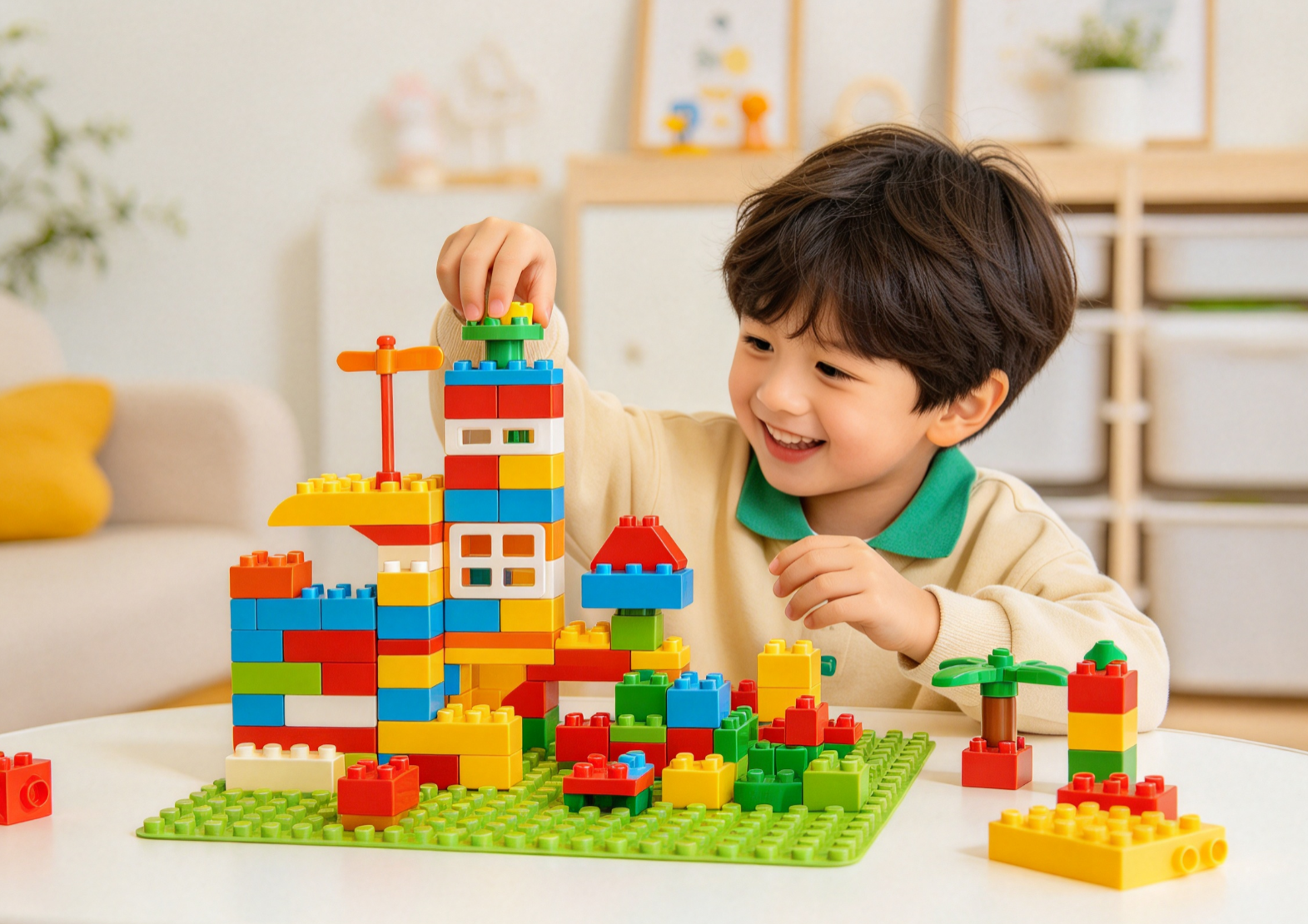
Quick answer: Choosing the right building bricks for kids means matching brick size and set complexity to your child’s age, checking for safety certifications, and picking a brand with reliable customer support. Start with larger, simpler pieces for children under 6, then move to detailed, smaller sets as motor skills and patience develop. Brands like ModelBuilder offer LEGO-compatible alternatives at a lower price point without sacrificing build quality.
Building bricks have been a staple of childhood play for generations, and for good reason. They’re simple enough for a five-year-old to grasp, yet complex enough to challenge a teenager designing their own custom creation. But with so many brands, sizes, and price points on the market, choosing the right set for your child can feel overwhelming.
This guide walks you through everything you need to know about kids building bricks — from understanding their developmental benefits to setting up a play space that encourages hours of creative building. Whether you’re buying your first set or expanding an existing collection, you’ll find practical, actionable advice below.
We’ll also look at why ModelBuilder has become a popular LEGO alternative for families across North America and Europe, offering the same creative potential at a more accessible price.
Why Building Bricks Matter for Child Development
Building bricks aren’t just toys that keep kids occupied on a rainy afternoon. They’re tools that support several areas of childhood development at once.
Fine Motor Skills and Hand-Eye Coordination
Picking up small pieces, aligning studs, and pressing bricks together strengthens the tiny muscles in a child’s hands and fingers. This kind of repetitive, precise movement builds the hand-eye coordination that later supports skills like handwriting and using utensils.
Spatial Reasoning and Problem-Solving
Every build — whether it’s following instructions or designing something original — requires a child to think in three dimensions. They learn to visualize how pieces fit together before they even pick them up, a skill that transfers directly to subjects like geometry and engineering later in school.
STEM Learning Through Play
Building bricks introduce STEM concepts (science, technology, engineering, and math) without kids realizing they’re “learning.” Balancing a structure, calculating how many bricks are needed for a wall, or troubleshooting why a design keeps collapsing are all early lessons in engineering logic.
Patience, Focus, and Independent Play
Complex builds require sustained attention. As children move from simple stacking to multi-step instructions, they develop patience and the ability to work through frustration — skills that matter well beyond the playroom.
Reduced Screen Time
Many parents turn to building bricks for kids specifically because they offer an engaging, screen-free alternative. A well-stocked bin of bricks can hold a child’s attention for far longer than most parents expect, especially once open-ended, creative building becomes part of the routine.
How to Choose the Right Kids Building Bricks
Not all building brick sets are created equal. Here’s what to look for before you buy.
Match Brick Size to Your Child’s Age
- Ages 1–3: Choose oversized bricks that are too big to be a choking hazard and easy for small hands to grip.
- Ages 4–6: Standard-sized bricks work well once fine motor skills develop, paired with simpler, larger builds.
- Ages 7–12: Kids in this range are ready for detailed sets with hundreds of pieces and multi-step instructions.
- Ages 13+: Older kids and teens often gravitate toward advanced builds, custom designs, or display models with intricate detail.
Check for Safety Certifications
Look for sets that meet recognized safety standards, such as ASTM (United States) or EN71 (Europe). These certifications confirm the bricks have been tested for choking hazards, toxic materials, and structural durability.
Consider Compatibility
One of the most practical things to check is whether a brick set is compatible with the bricks your child already owns. Many LEGO alternatives, including ModelBuilder sets, are designed to connect seamlessly with existing collections, so your child isn’t starting from scratch every time they get a new set.
Think About Long-Term Value
A set that only builds one thing loses its appeal quickly. Look for building bricks for kids that encourage rebuilding and freeform creativity, not just a single, fixed design. Sets with a wide variety of piece shapes and colors tend to offer more replay value over time.
Compare Price Against Piece Count
Brand-name bricks often carry a premium price simply for the logo. Comparing the price per piece across brands can help you find better value — this is one of the main reasons families explore alternatives to the original brick brands in the first place.
How to Set Up a Creative Play Space at Home
A dedicated building space makes a real difference in how often — and how well — kids engage with their bricks.
Choose a Consistent Spot
Whether it’s a corner of the playroom or a section of the family room, having a consistent building spot signals to kids that this is a space for focused, creative play.
Invest in Proper Storage
Loose bricks scattered across the floor are a recipe for frustration (and stepped-on feet). Clear bins, drawer organizers, or sorting trays by color and size make it easier for kids to find what they need and clean up independently.
Add a Flat Building Surface
A dedicated baseplate or building table gives structures a stable foundation and makes it easier to move a work-in-progress build without knocking it apart.
Display Finished Creations
Set aside a shelf or windowsill for finished builds. Displaying completed projects gives kids a sense of pride in their work and motivates them to start the next one.
Keep Instructions Organized
If you’re building from instruction booklets, a simple binder or folder keeps them from getting lost or damaged, especially useful for families building multiple sets over time.
Step-by-Step: How to Get Your Kids Started with Building Bricks
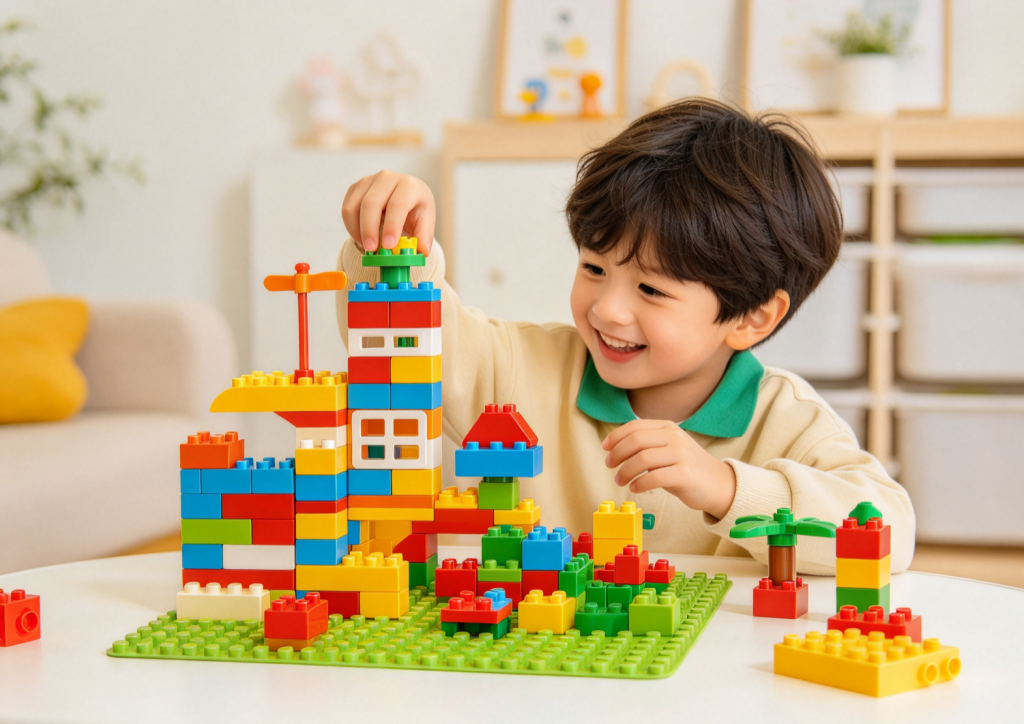
If your child is new to building bricks, easing them in with a clear process helps avoid overwhelm.
Step 1: Start with a simple, age-appropriate set.
Choose a set with a manageable piece count and a design your child will find exciting — a vehicle, animal, or building they already love.
Step 2: Build together the first few times.
Sit down with your child and work through the first build side by side. This models how to read instructions, sort pieces, and problem-solve when something doesn’t fit.
Step 3: Encourage free building after the instructions.
Once the official design is complete, let your child take the same pieces and build something entirely their own. This is where the real creative development happens.
Step 4: Gradually increase complexity.
As your child masters simpler builds, introduce sets with more pieces and multi-step instructions to keep challenging their skills.
Step 5: Mix sets and brands for variety.
Combining pieces from different sets — and even different brands, when compatible — opens up far more creative possibilities than sticking to one set at a time.
Tips for Keeping Kids Engaged with Building Bricks
Interest can fade if building bricks become repetitive. These tips help maintain long-term engagement.
- Set building challenges. Give your child a theme — “build a house for a dragon” or “build the tallest tower that can hold a book” — to spark creative problem-solving.
- Rotate sets and pieces. Storing some sets away and rotating them back in periodically makes old bricks feel new again.
- Join or create a building community. Sharing photos of builds with family, friends, or online hobby groups gives kids an audience and a sense of accomplishment.
- Combine building with storytelling. Encourage kids to build characters or settings from their favorite books or shows, then act out a story with the finished pieces.
- Celebrate milestones. Recognizing when your child completes a particularly challenging build reinforces the value of persistence.
Why ModelBuilder Is a Great LEGO Alternative
Once you’ve decided kids building bricks deserve a permanent spot in your home, the next decision is which brand to invest in. ModelBuilder has built a reputation among families in the United States and Europe as a reliable, affordable LEGO alternative.
Compatible, High-Quality Pieces
ModelBuilder bricks are designed to connect with the building brick sets your child may already own, so switching brands — or mixing them — doesn’t mean starting a new collection from zero.
Themed Collections for Every Interest
From custom brick sets to themed collections, ModelBuilder’s catalog is built around the idea that creativity looks different for every child. Whether your child gravitates toward vehicles, buildings, or fantasy worlds, there’s a set designed to match their interests.
Educational Workshops and Community Focus
Beyond individual sets, ModelBuilder offers educational workshops designed to build problem-solving skills alongside creativity, reflecting the same STEM benefits parents look for in building bricks more broadly.
Value Without Compromise
ModelBuilder’s core promise is straightforward: high-quality alternatives to traditional LEGO bricks, without the premium price tag. For families building a brick collection over several years, that difference in cost adds up quickly.
If you’re ready to start or expand your child’s collection, explore ModelBuilder’s full range of sets to find the right fit for your child’s age and interests.
Building a Foundation for Creativity
Choosing the right building bricks for kids isn’t about finding the single “best” brand — it’s about matching pieces, complexity, and price to your child’s stage of development, then giving them the space and time to build. Start simple, build together, and let your child’s own creativity take over once the instructions are done.
As your child’s skills grow, so will the complexity of what they can build — and the confidence that comes with it. A well-chosen set of bricks today can turn into years of hands-on learning, creative expression, and shared family time.
Frequently Asked Questions
What age should kids start using building bricks?
Most children can start with oversized, simplified bricks around age 1 to 2. Standard-sized building bricks are typically appropriate starting around age 4, once fine motor skills have developed enough to handle smaller pieces safely.
Are LEGO alternatives like ModelBuilder safe for kids?
Reputable LEGO alternatives, including ModelBuilder, use safety-tested materials and manufacturing standards comparable to major brick brands. Always check for recognized safety certifications, such as ASTM or EN71, before purchasing any building brick set.
Can different brick brands be mixed together?
Many building brick brands, including ModelBuilder, are designed to be compatible with standard brick dimensions, allowing pieces from different sets and brands to be combined. Always check product compatibility details before assuming two brands will connect.
How many building bricks does a child need to get started?
There’s no fixed number, but a starter set of 100 to 300 pieces is generally enough for younger children to explore both structured building and free creative play. Older kids benefit from larger sets with 500 or more pieces for more complex builds.
Why are LEGO alternatives cheaper than the original brand?
LEGO alternatives are often priced lower because they don’t carry brand licensing costs or the same marketing overhead. Brands like ModelBuilder focus spending on materials and design rather than brand premium, which allows for a lower price per piece.


